Variety profile

Xie Shan Satsuma Mandarin

(Citrus unshiu 'Xie Shan')

Documented by Léo — grown in the ground, USDA zone 8b

Xie Shan satsuma mandarin (Citrus unshiu 'Xie Shan') is a Chinese satsuma selection from the Xie Shan mountains, grown for several generations by local producers for its exceptional earliness. Its hardiness reaches 10°F (−12°C) on the tree, making it suitable for in-ground growing in USDA zone 8a. The tree reaches 7 to 10 ft (2 to 3 m) with a characteristic spreading, weeping habit, evergreen foliage, and fragrant white flowers in spring. Its bright orange fruits, medium-sized (3.5 to 5.3 oz, or 100 to 150 g), seedless, with thin skin that is very easy to peel, ripen as early as September to October, among the earliest satsumas in the world, with very juicy, sweet, low-acid flesh. Ideal for regions where the first frosts arrive early. Excellent fresh, as juice, and as sorbet. Graft onto Poncirus trifoliata, south-facing wall.

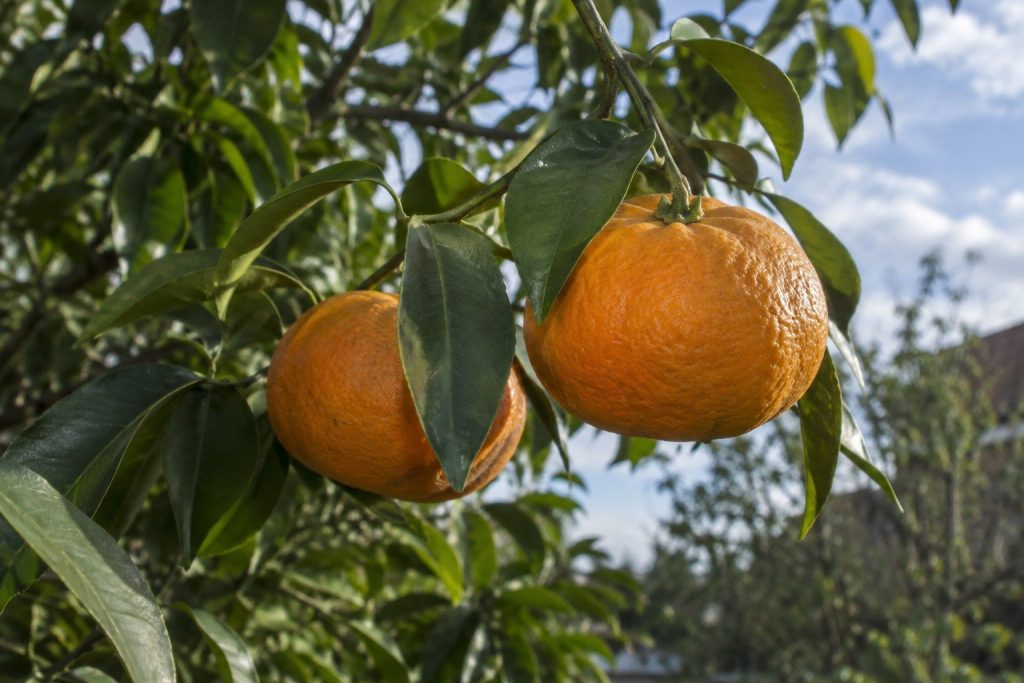
Orange citrus fruit hanging among leaves against the sky
AI-generated illustration. It does not authenticate cultivar identity or cold tolerance.
Cold hardiness 10°F (−12°C)

Identity

OriginChina / Japan
Genetic originSatsuma bud mutation
USDA zone
Cold hardiness10°F (−12°C)
Fruit cold hardiness25°F (−4°C)
GrowthSlow
Height10 ft (3 m)
HarvestSeptember, October, November
SeedsSeedless
FlavorsVery sweet, Highly aromatic, Tart

History & Description

Origin

Xie Shan satsuma (or 'Seizan' in Japanese) is a very early variety originally from China or Japan. It is considered one of the best early satsumas available today.

Tree description

The tree is less vigorous than Owari, with a compact and often "gnarled" or spreading habit. It is very productive and sometimes needs its fruit-laden branches staked.

Fruit quality

The fruit is large and strongly flattened ("oblate"), with a puffy, easy-to-peel skin. The flesh is melting, with incredibly thin segment membranes.

Flavor and ornamental interest

It is an explosion of flavor. It has a unique, very rich and aromatic taste, far more complex than the other early varieties. It is delicious from September to October, offering a high sugar level very early in the season.
Back to the collection

Updated:

"Growing rare citrus means accepting that nature has the last word, while whispering in its ear how to survive the winter."

Scroll to Top