
Cold hardiness
14°F (−10°C)
Identity
OriginUnited States (USDA Orlando, Florida)
Genetic originHybrid of Fina clementine × Orlando tangelo (tangor)
USDA zone8a
Cold hardiness14°F (−10°C)
Fruit cold hardiness27°F (−3°C)
GrowthVigorous
Height16 ft (5 m)
HarvestJanuary, February, December
SeedsFew
UsesFresh eating, Juice
FlavorsSweet, Tart
History & Description
Origin
The Nova mandarin, also called Clemenvilla in the Mediterranean basin, is a tangor created in 1942 at the USDA station in Orlando, Florida, by crossing the Fina clementine with the Orlando tangelo. Released commercially in the 1960s, it became very popular in Spain, Morocco and Uruguay for its productivity and exceptional vigor. Its commercial name varies by country: Nova in the United States, Clemenvilla in Spain, Suntina in Israel. Its toughness and relative cold resistance for a tangor have made it a pivotal variety of modern mandarin growing. Long absent from French catalogs, it is reappearing thanks to specialist nurseries such as Vessières, as part of collections for amateurs.Tree description
The tree is very vigorous and very productive, able to reach 16 ft (5 m) tall at maturity with a semi-upright habit. The dark green evergreen foliage recalls that of tangors, with leaves broader than those of classic mandarins. The spring bloom is abundant and produces a heavy fruit set that may require manual thinning. Growth is fast on young plants, bringing the first fruit as early as the second or third year after planting.Fruit quality
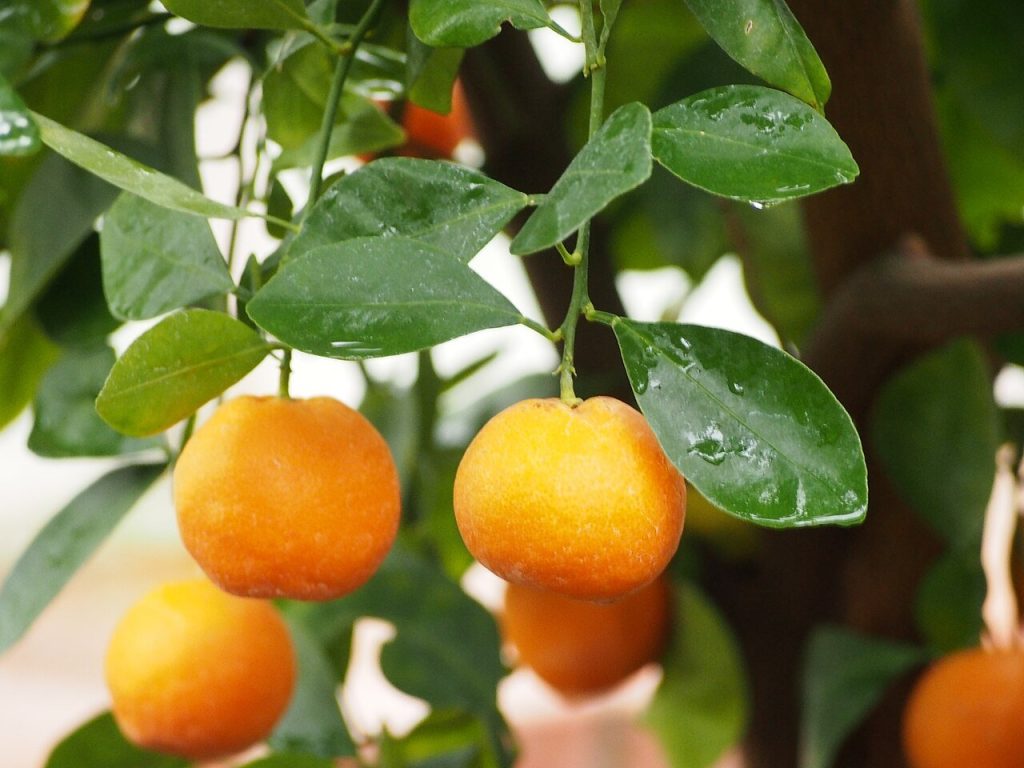
The fruit reaches about 4.2 oz (120 g), with a very bright, vivid orange color. The flesh is very firm and juicy, containing 4 to 6 seeds on average. The taste combines the sugar of the clementine with the tart freshness inherited from the Orlando tangelo, producing an aromatic complexity superior to classic mandarins. The skin is moderately thick and peels adequately when the fruit is ripe, without excessive effort.Flavor and ornamental interest
A midseason variety, excellent eaten plain between December and February, it offers an interesting alternative to classic clementines through its aromatic complexity. Its generous, fragrant juice is perfect for fresh juices and sorbets. In cooking, its sweet-tart taste pairs well with poultry marinades and frozen desserts. As an ornamental, its high productivity makes it a remarkable tree in winter, loaded with brilliant fruit.
Back to the collection
Updated: