Variety profile

Sugiyama Satsuma Mandarin

(Citrus unshiu 'Sugiyama')

Documented by Léo — grown in the ground, USDA zone 8b

Sugiyama satsuma mandarin (Citrus unshiu 'Sugiyama') is a traditional Japanese satsuma selection from the Sugiyama region, appreciated for the consistent quality of its production and its cold resistance. Its hardiness reaches 10°F (−12°C) on the tree, making it suitable for in-ground planting in USDA zone 8a. The tree reaches about 11.5 ft (3.5 m) according to Vessière, with a spreading, weeping habit, evergreen foliage and fragrant white flowers in spring. Its bright orange fruit, medium-sized, 3.5 to 5.3 oz (100 to 150 g), seedless, with thin skin that is very easy to peel, ripens in November to December with juicy, sweet, low-acid flesh. Excellent fresh, as juice and as sorbet. A reference satsuma for stable production in a temperate climate. Graft onto Poncirus trifoliata; plant against a south-facing wall in well-drained soil with generous winter mulch.

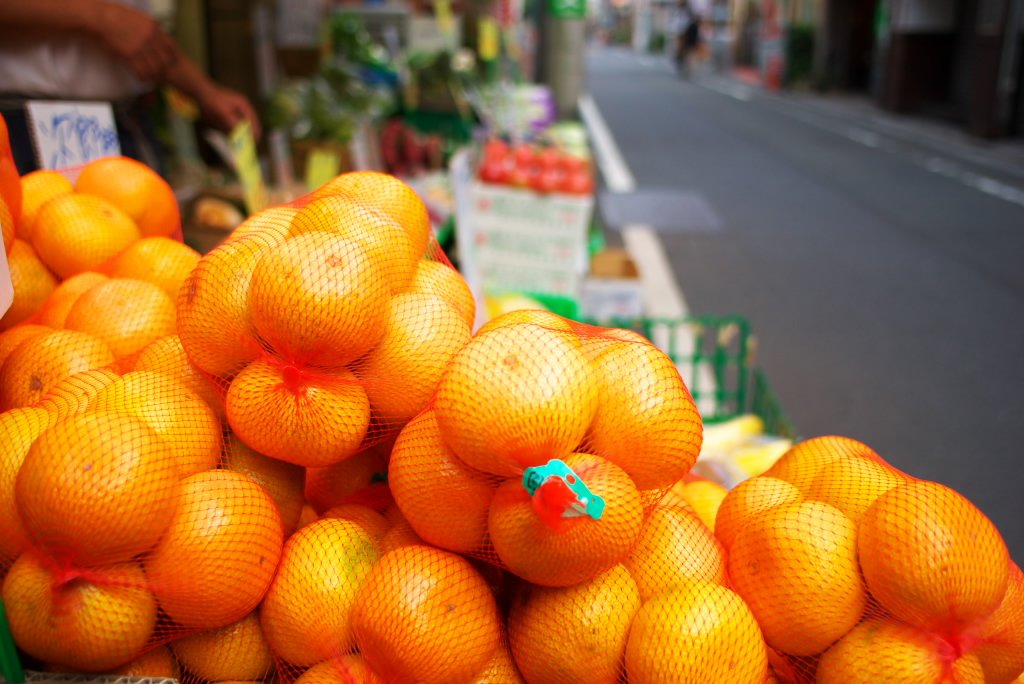
A pile of orange citrus fruit at a market
Photograph: The smell of winter 2006 (275337727).jpg by Shinichi Sugiyama, CC BY-SA 2.0, via Wikimedia Commons
Cold hardiness 10°F (−12°C)

Identity

OriginJapan
Genetic originClonal selection of Owari satsuma
USDA zone
Cold hardiness10°F (−12°C)
Fruit cold hardiness25°F (−4°C)
GrowthModerate
Height11 ft (3.5 m)
HarvestNovember, December
SeedsSeedless
FlavorsVery sweet, Balanced

History & Description

Origin

Sugiyama is a Japanese clonal selection from the Owari satsuma population. It was isolated for its superior agronomic qualities, notably the fineness of its fruit.

Tree description

The tree has a characteristic weeping habit and medium vigor. It is very floriferous and adapts well to growing in a pot as well as in the ground in a protected area.

Fruit quality

The fruit is visually very attractive, with a regular shape and bright orange skin. The texture of the flesh is particularly fine and melting.

Flavor and ornamental interest

In flavor, it often surpasses standard Owari with a richer, more complex taste. The balance between sugar and acidity is optimal at full ripeness, making it a much-prized tasting mandarin.
Back to the collection

Updated:

"Growing rare citrus means accepting that nature has the last word, while whispering in its ear how to survive the winter."

Scroll to Top