Identity
History & Description
Origin
The Leo Mahalo mandarin is an original French variety, born of natural hybridization on the grounds of the Vessières nursery in the Hérault more than fifteen years ago. Its foliage closely recalls that of a satsuma, suggesting Japanese ancestry in its heritage, but its fruit recalls the fine mandarins of the Mediterranean tradition such as the Blidah. Arising from a spontaneous seedling noticed by the nurserymen for its vigor and early ripening, it was selected over some fifteen years before being sold to stabilize its qualities. It embodies contemporary varietal innovation in French hardy citrus, a path complementary to the historic crosses that came from Asia or the United States. It is a witness to the adaptation potential of citrus on French soil when selection is carried out over several generations.Tree description
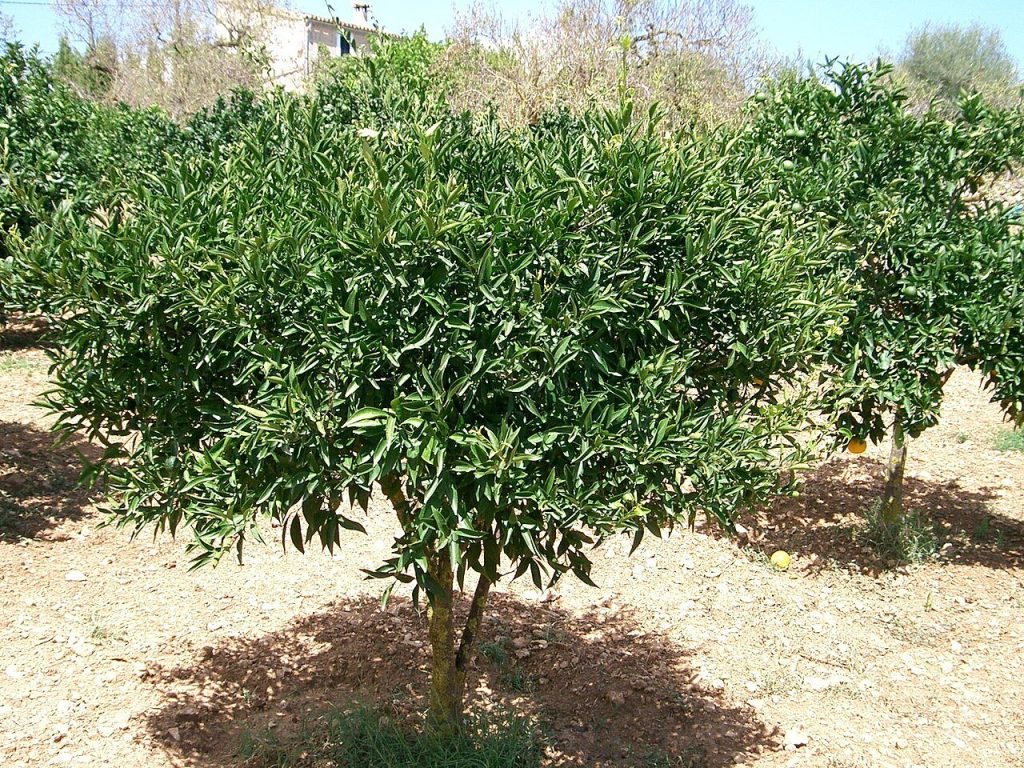
A very vigorous and extremely productive tree with a semi-upright habit, reaching about 13 ft (4 m) tall at maturity. The large dark green leaves strongly recall those of the satsuma and confirm the strong resemblance to mandarin trees of Japanese origin. The white spring bloom is abundant and very fragrant. Spring growth is pronounced, with rapid fruit set on young trees.Fruit quality
The fruit weighs about 2.8 oz (80 g) and has very thin pale orange skin that peels easily. The flesh is bright orange, extremely juicy, with no seeds or very few, and a fine sugar-acid balance. A delicate fragrance recalling the Blidah mandarin makes it a fruit of great finesse for tasting. The zest is also fragrant and usable in cooking.Flavor and ornamental interest
An ideal variety for eating out of hand, particularly suited to children thanks to the absence of seeds and its very easy-to-peel skin. Its clear, fragrant juice suits cold drinks, sorbets and cocktails. As an ornamental, the abundance of its pale orange fruits in late fall offers a warm spectacle in the garden. Its hardiness at 12°F (−11°C) allows planting in the ground in zone 8a, an asset for mandarin lovers in temperate climates.Updated:
What matters when choosing
Key points about Leo Mahalo Mandarin
Leo Mahalo is a recent nursery mandarin selection, chosen for juicy, easy-to-peel, lightly seeded fruit that ripens in early winter. Because it is described only by its original horticultural source, its genetic identity and cold hardiness still need confirmation.
Why choose it
- Juicy flesh with a good balance of sweetness and acidity.
- Thin, easy-to-peel skin.
- Few or no seeds according to the originating source.
Its limits
- Almost no independent documentation.
- Genetic parentage not established.
- Advertised hardiness unconfirmed by a published trial.
Practical notes
- Status
- Recent horticultural selection
- Reported harvest
- November through December
- Use
- Fresh fruit
Cold-hardiness reference: about 12°F (−11°C)
The reference comes from a nursery announcement; no comparable independent evaluation was found for this selection.
Sources and method
The temperatures given are reference points for a mature tree with hardened wood. The table and callout repeat the same value as the profile. They guarantee neither freedom from damage nor a harvest after a freezing event.
Data reviewed on September 21, 2026.
- Agrumerie Vessière — Leo Mahalo — Horticultural origin, fruit, season, and reported threshold
- Givaudan Citrus Variety Collection — mandarins — Reference framework and nomenclature for comparing mandarins
- UF/IFAS — protecting citrus from cold — General framework for interpreting freezing injury