
Cold hardiness
14°F (−10°C)
Identity
OriginUnited States (California, UCR selection)
Genetic originHybrid of King tangor (Citrus × nobilis) × Willowleaf mandarin (Citrus deliciosa), selected by the University of California in the 1960s
USDA zone8a
Cold hardiness14°F (−10°C)
Fruit cold hardiness27°F (−3°C)
GrowthVigorous
Height13 ft (4 m)
HarvestMarch, April, May, June, July
SeedsModerate
UsesFresh eating, Juice
FlavorsSweet, Balanced, Highly aromatic
History & Description
Origin
The Encore Mandarin is one of the latest mandarins in the world, coming out of the University of California, Riverside (UCR) breeding program in the 1960s. Obtained by crossing the King tangor (Citrus × nobilis, itself an old Southeast Asian tangor, a natural mandarin × orange hybrid) and the Willowleaf mandarin (Citrus deliciosa, an old Mediterranean mandarin with characteristically narrow foliage), the Encore Mandarin owes its name to a quality rare in the citrus world: its ability to extend the harvest season well beyond other mandarins, into the heart of summer. Originally selected for Californian commercial production aiming to fill the late-spring gap in mandarin availability, it has also shown a surprising hardiness, down to 14°F (−10°C), which led European nurserymen specializing in hardy citrus to adopt it. Its calendar singularity and its flavor quality now make it a variety of choice for enthusiasts wishing to diversify their citrus orchard beyond the traditional winter season.Tree description
The tree forms a vigorous specimen of 10 to 13 ft (3 to 4 m) at maturity, with an upright habit and evergreen foliage of a medium green, with the elongated leaves inherited from its Willowleaf parent. Its growth is fast and sustained, and the tree is productive from its fourth year on FA5 or Poncirus trifoliata rootstock. The fragrant white blossom appears later than in other mandarins, a signature of the variety's shifted growth cycle. Its hardiness of 16 to 14°F (−9 to −10°C), documented by Pépinière du Bosc on adult trees in zone 8a, makes it one of the hardiest late mandarins marketed in France.Fruit quality
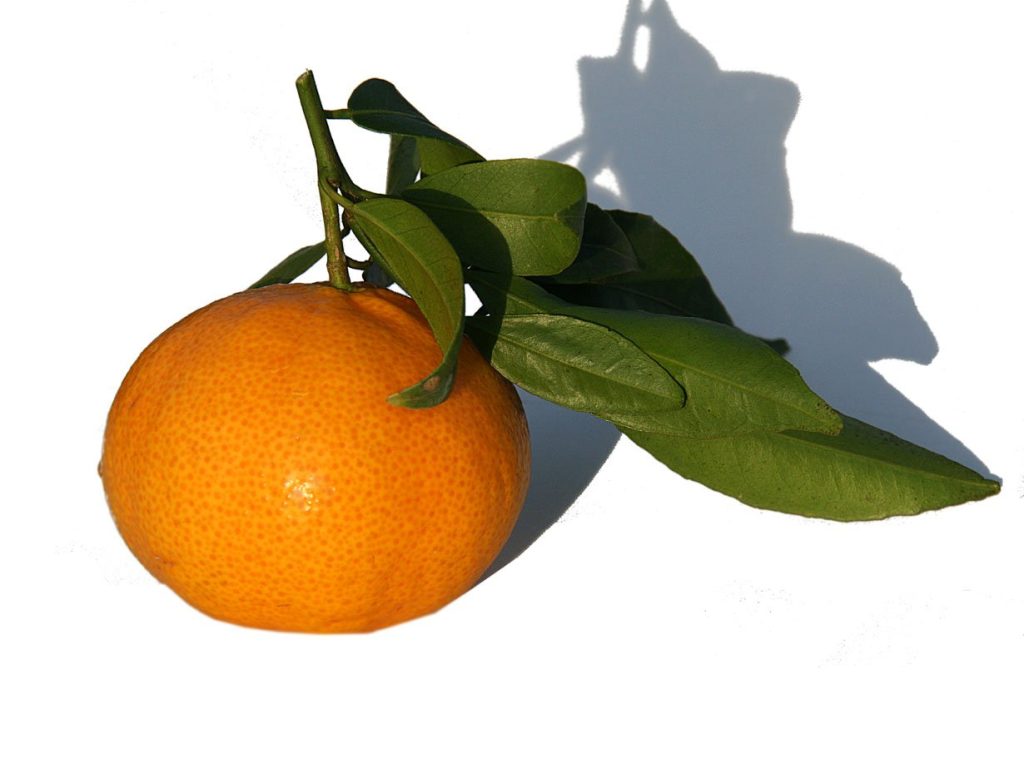
The fruits, medium-sized, have thin, easy-to-peel skin (a typical mandarin trait), bright orange at maturity. The firm, extremely juicy flesh with an intense fragrance offers a remarkably accomplished sugar-acid balance, with acidity preserved even at full summer maturity, a very rare thing in late mandarins, which tend to become bland. Seeds are present in moderate quantity.Flavor and ornamental interest
The first fruits can be harvested from March, but the Encore Mandarin reaches its full aromatic expression between May and July, even up to September when the fruits are left to ripen for a long time on the tree. This extended holding ability makes it a unique citrus for summer cocktails, fruit salads, and summer desserts where mandarin is traditionally absent. As an ornamental, bright orange fruits contrasting with the simultaneous spring blossom create a rare spectacle in spring, flowers and fruits coexisting on the tree, which makes it a particularly sought-after subject for an amateur orchard keen to spread citrus production across the whole year.
Back to the collection
Updated: