Cold hardiness
9°F (−13°C)
Identity
OriginFrance (Corsica, INRA-CIRAD San Giuliano station)
Genetic originCorsican selection of the Owari satsuma made from the 1960s in the INRA-CIRAD citrus genetic resources conservatory at San Giuliano
USDA zone7b
Cold hardiness9°F (−13°C)
Fruit cold hardiness27°F (−3°C)
GrowthModerate
Height10 ft (3 m)
HarvestJanuary, February, November, December
SeedsSeedless
UsesFresh eating, Juice
FlavorsSweet, Tart, Balanced
History & Description
Origin
The Owari SRA 145 Corsica satsuma is a French selection developed within the citrus genetic resources conservatory of the INRA-CIRAD station at San Giuliano, in Corsica. This conservatory, founded in the early 1960s by scientists of the National Institute for Agricultural Research (INRA) in collaboration with CIRAD, has the mission of selecting the varieties and rootstocks best adapted to the Mediterranean climate and to growing at the edge of the cold zone. The code SRA 145 designates accession number 145 of this collection, chosen from dozens of Owari candidates for its genetic stability, its lack of seeds, and its remarkable hardiness. Distributed today by several specialized French nurseries, it embodies the French scientific continuity in the selection of hardy citrus and is a plant heritage of the first rank for zone 7b.Tree description
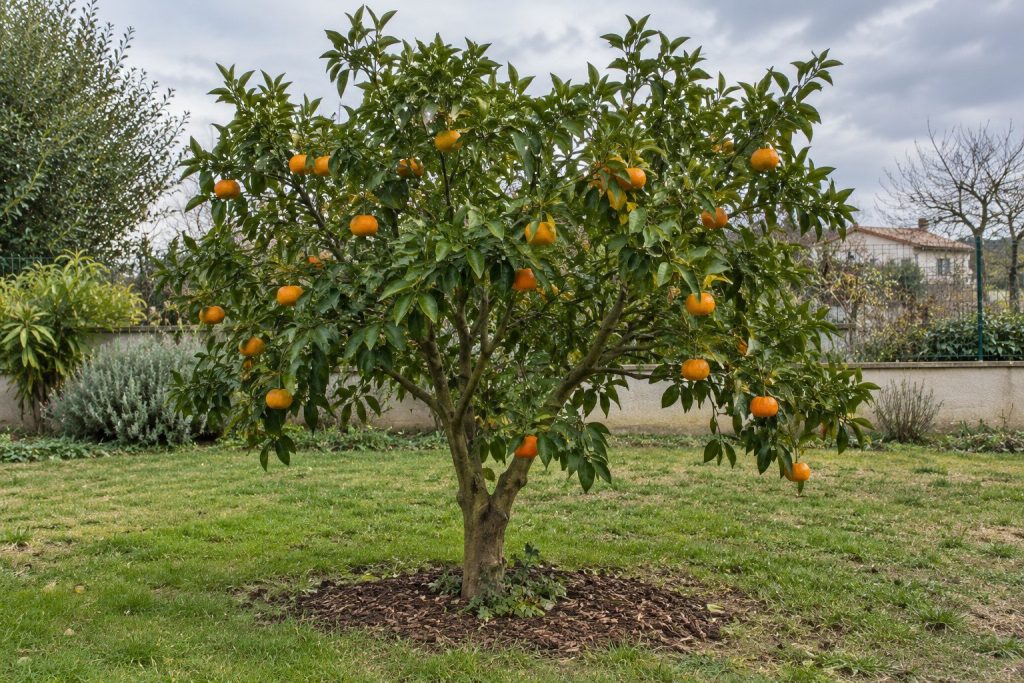
The tree forms a compact bush of 8 to 10 ft (2.5 to 3 m) at maturity, with a spreading, thornless habit and evergreen foliage of medium green. Growth is moderate and fruiting comes early, from the third or fourth year after planting. Its hardiness, documented between 10 and 5°F (−12 to −15°C) depending on conditions and the rootstock used, places it among the most frost-resistant satsumas. The white spring bloom is discreetly fragrant, and fruiting is very regular from year to year, with no alternate bearing.Fruit quality
The fruit is medium-sized, weighing between 3.5 and 7 oz (100 to 200 g), with the slightly flattened shape typical of satsumas, and thin, granular skin that peels easily. The flesh is seedless, juicy, balanced between sugar and acidity, with a delicate, lasting aroma and no bitterness. The color is light to bright orange at maturity. Ripening is spread over a long period from November to February, which makes it an excellent variety for holding on the tree.Flavor and ornamental interest
It is a table mandarin par excellence: seedless, easy to peel, and child-sized, it is perfectly suited to fresh eating and fresh juice. The late ripening extends consumption into the heart of winter, offering fresh citrus when other mandarins from warmer zones are already finished. Ornamentally, the contrast of its dark green foliage with bright orange fruits hanging in midwinter makes the tree a centerpiece of the hardy citrus garden. For the zone 7b gardener, it represents the best compromise between real hardiness, flavor quality, and the scientific guarantee of French origin.
Back to the collection
Updated: