Identity
History & Description
Origin
The Shiva Mikan is an old variety from Japan, botanically identified as Citrus leiocarpa. It is sometimes called 'Koji' or 'summer Mikan' although it ripens in winter, and has historically been grown for its sturdiness.Tree description
The tree shows moderate but steady growth, with a rounded habit. It is especially valued for its very high cold resistance, rivaling some satsumas.Fruit quality
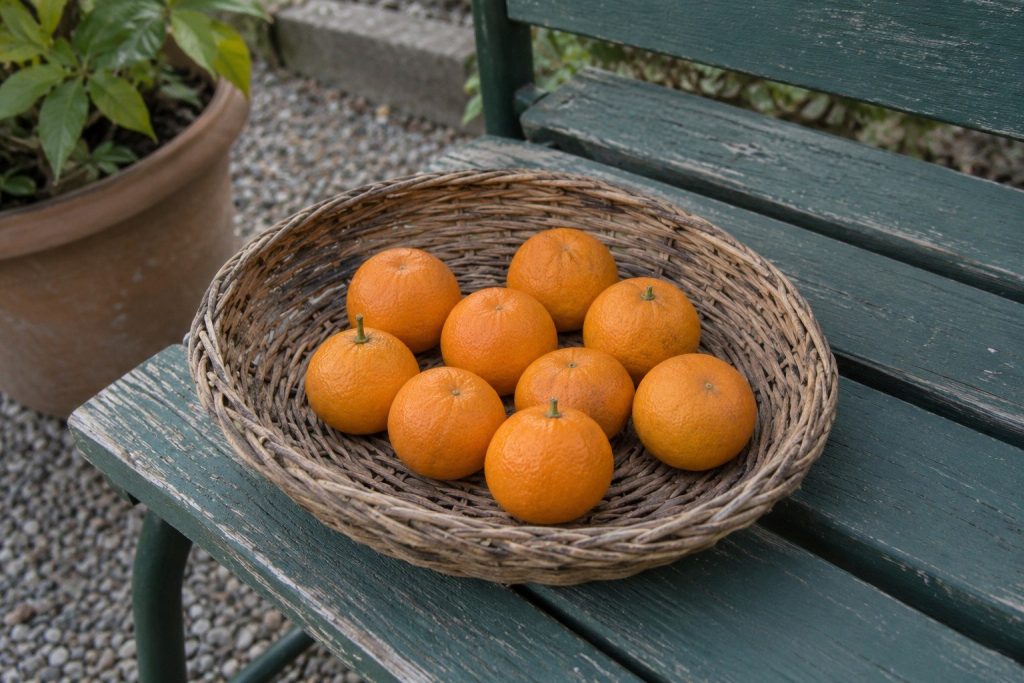
It produces small yellow-orange mandarins with smooth, shiny skin. The fruits are easy to peel and give off a pleasant fragrance as soon as they are opened.Flavor and ornamental interest
The taste is mild and sweet, with a slight touch of acidity that fades at full ripeness. It is an excellent garden mandarin for cold zones, offering a reliable, tasty harvest before the hard frosts.Updated:
What matters when choosing
Key points about Shiva Mikan Mandarin
In Europe, Shiva Mikan denotes an old, small, sweet, early mandarin historically grown around the Black Sea for its cold tolerance. Its exact identity varies among collections, so the clone must be checked before comparing hardiness claims.
Why choose it
- Small, sweet, easy-to-peel mandarin.
- Relatively early maturity.
- Historical interest in the selection of cold-hardy citrus.
Its limits
- Confused botanical and clonal identity.
- Some seeds in the fruit.
- Alternate bearing is reported.
Practical notes
- Historical name
- Citrus leiocarpa ‘Shiva Mikan’
- Reported harvest
- Fall to early winter
- Uses
- Fresh fruit and selection
Cold-hardiness reference: about 10°F (−12°C)
Historical rankings and nurseries suggest good tolerance, but they do not share a common test protocol; consider growing conditions and freeze duration.
Sources and method
The temperatures given are reference points for a mature tree with hardened wood. The table and callout repeat the same value as the profile. They guarantee neither freedom from damage nor a harvest after a freezing event.
Data reviewed on September 21, 2026.
- Citrus World — Shiva Mikan — History, name, and relative cold hardiness
- Kyushu University Institutional Repository — Historical discussion of Shiva-mikan’s identity
- Agrumerie Vessière — Description of the commercial clone, fruit, and season