Cold hardiness
14°F (−10°C)
Identity
OriginJapan (Wakayama, southern part of the archipelago)
Genetic originHybrid pummelo (Citrus maxima) × Yatsushiro mandarin (Citrus yatsushiro)
USDA zone8a
Cold hardiness14°F (−10°C)
Fruit cold hardiness27°F (−3°C)
GrowthVigorous
Height13 ft (4 m)
HarvestJanuary, February, March, December
SeedsMany
UsesFresh eating, Juice
FlavorsSweet, Balanced, Highly aromatic
History & Description
Origin
Shunkokan, whose Japanese name 春光柑 literally means spring light citrus, is a rare tangor native to southern Japan, more precisely Wakayama Prefecture, renowned for its old citrus orchards. It results from the natural cross between an undetermined pummelo (Citrus maxima) and the ancestral Japanese Yatsushiro mandarin (Citrus yatsushiro), a vigorous, hardy lineage little known in Europe. Selected and then propagated by grafting in a very limited number of Japanese nurseries, it remained obscure until its recent introduction into French hardy citrus catalogs, notably thanks to the work of the Pépinière du Bosc and agrumes.pro. Its fruit, harvested when the days begin to lengthen after the winter solstice, is traditionally given in Japan as a symbol of the return of spring light. Its hardiness combined with its sweet, balanced taste now makes it a sought-after curiosity for collectors of rare citrus.Tree description
Shunkokan forms a vigorous tree of 10 to 13 ft (3 to 4 m) at maturity, with a characteristic semi-weeping habit that gives it a graceful, very ornamental silhouette. Its dense, dark evergreen foliage admirably sets off the clusters of fragrant white flowers that open in spring. Fast growth and generous productivity make it a subject that comes quickly into production, particularly on FA5 rootstock. Its hardiness, confirmed at 16 to 14°F (−9 to −10°C) for a mature, well-acclimated tree, places it among the hardiest tangors available in France.Fruit quality
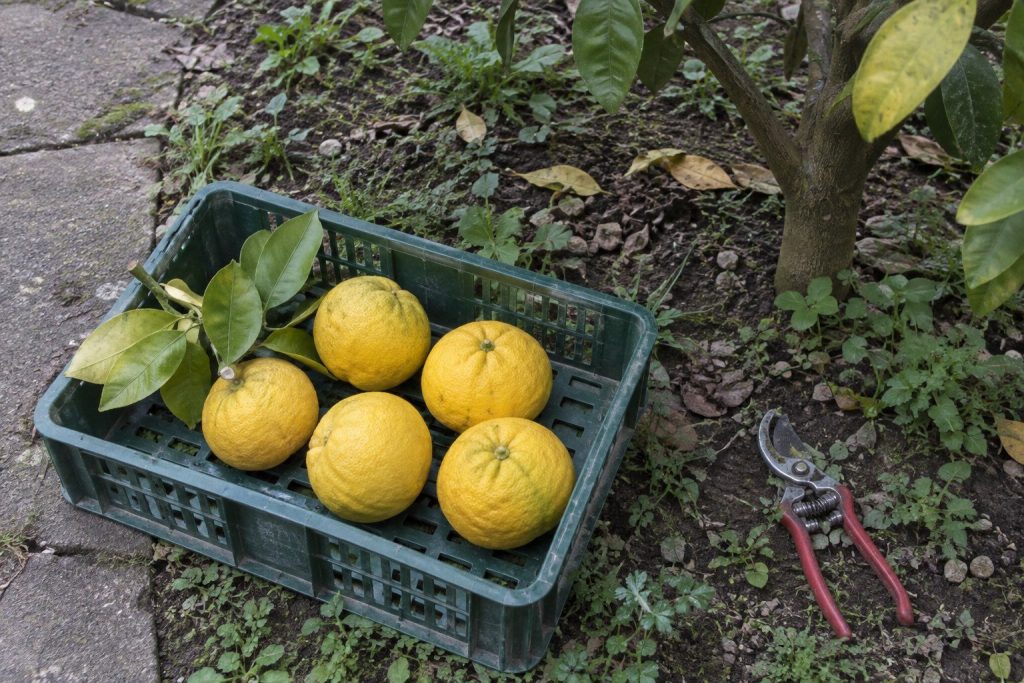
The fruit, medium-sized and round, has smooth yellow skin and pale yellow flesh that is remarkably juicy. The classic form described by the UCR contains many seeds; historical observations count 30 to 40 per fruit. No seedless selection is identified in this entry. The flavor combines a good sugar-acid balance, without bitterness, with delicate notes recalling both yuzu and orange, delivering a refined and exotic taste experience.Flavor and ornamental interest
Harvested between December and March, Shunkokan is ideally enjoyed fresh, plain, to fully appreciate its aromatic purity. Its abundant, low-acid juice suits cocktails or blended juices, where it brings a unique floral note. Ornamentally, its semi-weeping habit, dense foliage, and yellow fruit that persist in winter make it a collector's subject with a strong landscape value, ideal for a small hardy citrus orchard where one wants to combine rarity, hardiness, and taste quality.
Back to the collection
Updated: