Cold hardiness
10°F (−12°C)
Identity
USDA zone8a
Cold hardiness10°F (−12°C)
HarvestOctober, November, December
UsesFresh eating, Juice, Savory cooking
History & Description
Origin
The Keraji Kabushi mandarin originates on the island of Kikaijima in the Amami-Oshima island group, in Kagoshima Prefecture, Japan. This variety represents a centuries-old adaptation to the demanding climate conditions of these mountainous islands. Cultivated for generations, it embodies the heritage of Japanese citrus-growing traditions and their expertise in hardy, productive varieties. The name Kabushi designates a selected form of the Keraji, recognized for taste and ornamental qualities superior to the type form.Tree description
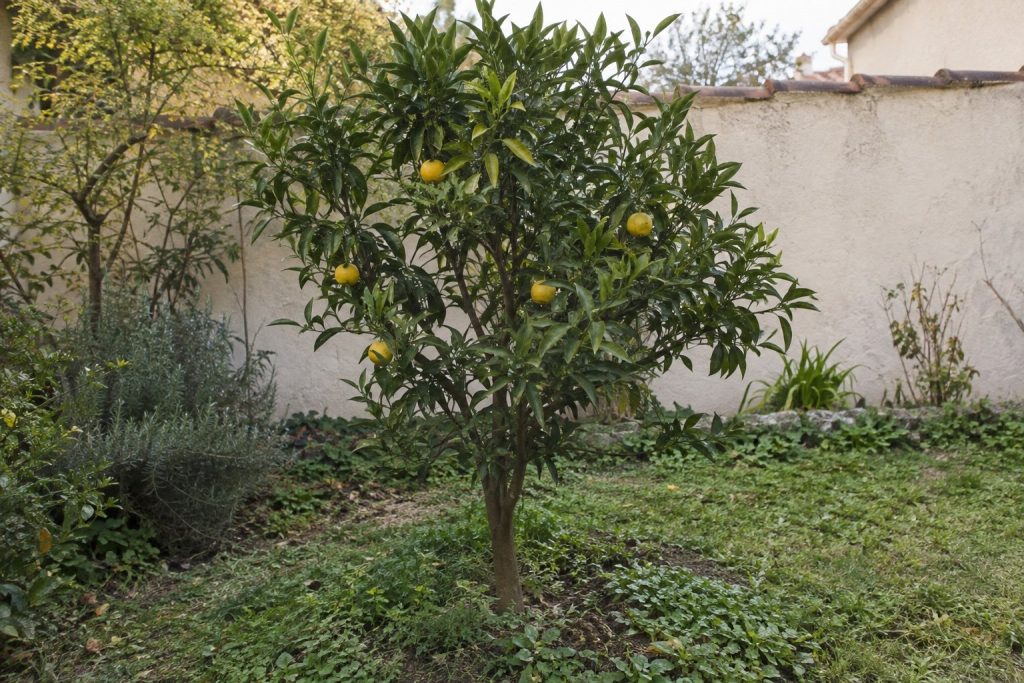
A compact, vigorous, dense tree reaching about 6.5 ft (2 m) in height at adulthood. Practically thornless, it has glossy evergreen foliage with narrow leaves characteristic of the species. The delicately fragrant white flowers appear from late winter to early spring. The tree is very productive and comes into production quickly, ideal for small gardens or container growing.Fruit quality
The fruit is a small mandarin of about 1.8 oz (50 g), a lovely yellow-orange at maturity. The skin is thin and very easy to peel. The pulp is orange, with a moderate number of seeds. The flavor evolves with ripeness: tart and lively early in the season, becoming very sweet in November to December. The aromas are intense and complex, combining notes of fresh citrus, honey, and spiced mandarin characteristic of the Kikaijima terroir.Flavor and ornamental interest
Keraji Kabushi is eaten fresh like a classic mandarin but with a superior, more complex flavor. Used green like the sudachi, it enriches Japanese broths and culinary preparations. The fragrant zest suits fine culinary uses. The ornamental appeal is excellent with its small golden fruit that persist on the tree, its compact habit, its highly fragrant flowers, and its glossy evergreen foliage, making it a variety that combines productivity, hardiness, and beauty in the garden.
Back to the collection
Updated: