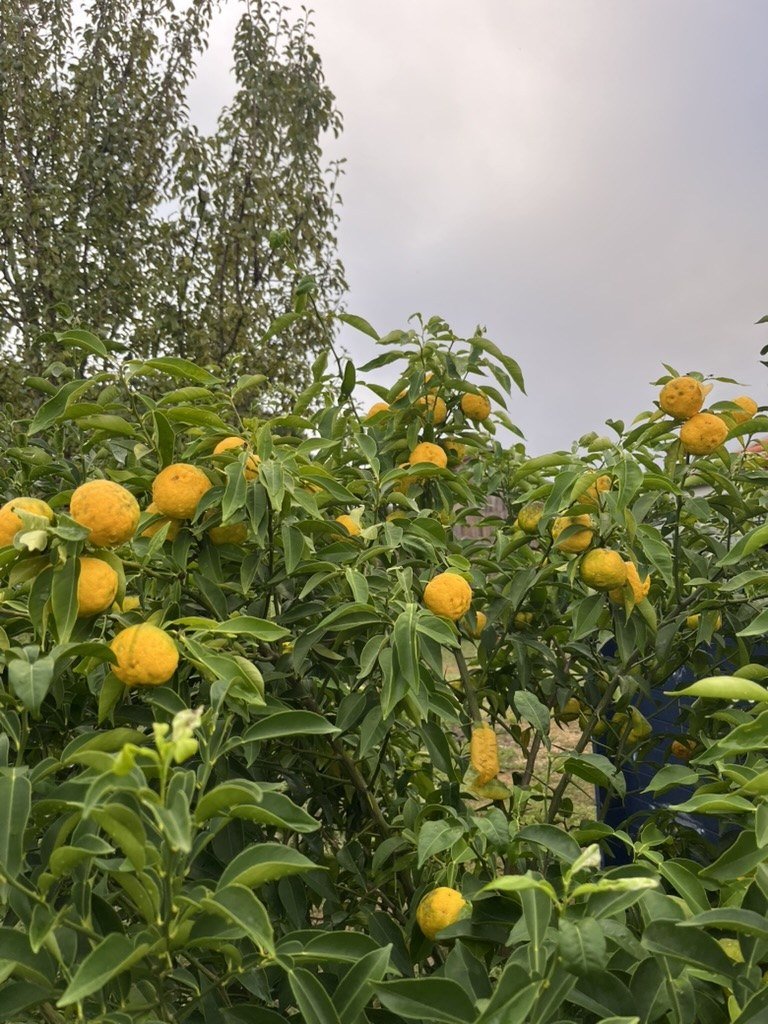
September is the month when the citrus gardener starts looking at the trees differently. After watching water and heat all summer, it is time to taste. A few fruits that are still decidedly green are already ready to become a juice, a zest, or a sauce; others need to stay on the tree, sometimes for several months. And while the first harvests are on their way, every gesture counts, so as not to trigger tender new growth as the cold approaches.
The difficulty comes from a peculiarity of citrus: the fruit does not really gain sugar once picked. The color of the rind gives a clue, but it is not enough. For eating fruit, picking one and tasting it remains the best judge. For citrus used as seasonings, on the other hand, a green harvest is often exactly the goal.
Here is the September guide: what to pick, what to leave to ripen, and how to help the tree into fall.
Which hardy citrus can you harvest in September?
September is not yet the peak of the mandarin and yellow yuzu season, but it would be unfair to reduce it to seasoning citrus alone. The site’s inventory lists nineteen varieties whose harvest period includes September: sudachis and yuzus to cook with while green, early satsumas and clementines to eat fresh, and also some unusual hybrids.
Citrus to cook with while green
| Citrus | Usual harvest | What to look for in September | At the table |
|---|---|---|---|
| Blue yuzu | September for the green fruit, then November to December when yellow | Green, well formed, very fragrant | Zest, yuzu kosho, broths, sashimi |
| Oishi Sudachi | August to October | Bright green, firm, heavy for its size | Juice and zest on fish, mushrooms, soba |
| Beto Sudachi | September to November | Green and juicy | Juice, savory cooking, liqueur |
| Seneca Sudachi | September to November | Green, before it turns yellow | Juice and savory cooking |
| Keraji Voss D14 Mandarin | September to November | Green for seasoning, then yellow-orange | Juice and zest in savory cooking, then eating fruit |
Early mandarins and clementines
These varieties are the real surprises of September. In a sufficiently warm garden, or after a favorable summer, they can open the eating-fruit season several weeks ahead of the more classic satsumas. Always taste a fruit before picking the whole branch: the calendar shows the start of a window, not guaranteed ripeness.
| Citrus | Usual harvest | Main use |
|---|---|---|
| Planellina Satsuma | September to October | Eating fruit, juice |
| Iwasaki Satsuma Mandarin | August to October | Eating fruit |
| Xie Shan Satsuma Mandarin | September to November | Eating fruit |
| Clausellina Satsuma Mandarin | September to October | Eating fruit |
| Kuno Wase Satsuma Mandarin | September to October | Eating fruit |
| Caffin Clementine | September to November | Eating fruit, juice |
| Orogros Clementine | September to October | Eating fruit |
Hybrids that extend the harvest
| Citrus | Harvest including September | Main use |
|---|---|---|
| Pursha Lime | May to September | Juice, sweet and savory cooking |
| Yuzuquat | August to November | Juice, liqueur, cooking, eating fruit |
| Remo Citrange | September | Eating fruit, juice, jam |
| Four Seasons Citrangequat | Year-round | Eating fruit, juice, savory cooking |
| Thomasville Citrangequat | September to December | Eating fruit, jam, savory cooking |
| Coachella Eremolemon | September to October | Juice, jam, savory cooking |
| Eremorange | September to October | Jam, sweet and savory cooking |
These windows are guideposts, not a mechanical calendar. Exposure, bloom date, rootstock, the age of the tree, and above all local weather can shift the harvest by several weeks. In a cool zone 7 garden, the same fruit can lag behind a tree sheltered against a wall in southwestern France.
The Oishi sudachi is the most telling example: its fruit is traditionally used green in cooking, even though it can turn yellow later. Waiting for the color change would mean chasing a ripeness that is not necessarily the one wanted for cooking.
How do you know if a citrus fruit is ready to pick?
The first rule is simple: do not pick on color alone. A citrus fruit can color up before it has found its balance, and a green fruit can be at exactly its best culinary stage. Color is therefore read alongside three other clues.
The fruit has reached its size
Compare the fruits with one another rather than with a catalog photo. A sudachi that is still tiny should stay on the tree; a sudachi of its usual size, nicely round and regular, deserves a test. For yuzu or keraji, the fruit must have reached its full size before any harvest meant for zest.
Weight and juice matter more than shine
Take the fruit in your hand. At equal size, the one that feels dense and heavy generally holds more juice. A fresh, taut skin without deep wrinkles is a good sign. A very light, dull fruit, or one whose rind peels away easily, has often passed its best or suffered from a lack of water.
Tasting settles it for eating fruit
For a citrus fruit you want to eat fresh, pick a single representative fruit. If it is too acidic, not very juicy, or lacking in fragrance, leave the others for a week or two and try again. The fruit will not get sweeter in the fruit bowl: you have to wait for the tree.
For seasoning citrus, the question is different. The right moment is when the fragrance of the zest and the acidity match the intended use. A green, very juicy sudachi is not an “unripe” fruit: it is the harvest chosen to season grilled fish, a ponzu sauce, or a bowl of soba.
Should you pick yuzu while it is still green?
Yes, but in moderation: green yuzu is also called blue yuzu, a translation of aoi yuzu in Japanese. It is not an underripe yuzu picked by mistake, but a harvest in its own right, sought after from mid-August to the end of September for the liveliness of its zest. Its fragrance is greener, more peppery, and sharper than that of yellow yuzu.
Blue yuzu is grated in small amounts over a broth, soba, mushrooms, or fish. Mixed with chili and salt, it gives yuzu kosho, a powerful Japanese condiment of which a touch is enough to lift a dish. The juice can also go into a marinade or a drink, but it is the zest that best expresses this stage of harvest.
In September, however, it is best to take only a small share: the fruits left on the tree will ripen in October, November, or December and will give the juice and the rounder fragrance expected of yellow yuzu.
A young or lightly loaded tree calls for even more restraint. Give it time to build up its reserves and avoid stripping a branch that carries few fruits. The gardener gains more by tasting one or two green yuzus than by turning the whole future winter harvest into a September condiment.
To choose a variety and learn its harvest period, see the yuzus and papedas family. Our guide to the yuzu, sudachi, and kabosu trio also helps distinguish the uses of these three Japanese citrus.
How do you pick without damaging the fruit or the branch?
Harvest in dry weather, with small pruning shears or scissors that are clean and well sharpened. Cut the stem a fraction of an inch (a few millimeters) from the fruit, without nicking the rind or hurting the twig. Avoid pulling or twisting: damaged skin keeps poorly, and a broken branch does no favor to the tree or to the next harvest.
Place the fruits gently in a basket. Mandarins and small thin-skinned fruits bruise quickly. Set aside any that are split, pierced, or wounded: use them first, but do not mix them with the sound fruits meant to be kept for a few days.
The best place to store fruit is often the tree itself, as long as no frost is forecast and the fruit is at the right stage. After harvest, keep the fruits out of the sun and use them quickly for zest and juice. To keep them longer, the refrigerator’s crisper drawer suits them better than a warm, dry kitchen; take them out a little before using them to bring back their aromas.
What should you do in the garden in September?
The harvest should not make you forget the tree. September is a transition month: nights are cooling, but one nice warm week can still dry out a pot in a single day.
Keep watering, watching the root ball
Cutting back on water “because summer is over” is a common mistake. A potted citrus carrying fruit keeps drinking, especially in a dry wind. Water when the substrate has dried out a few inches (several centimeters) down, then water thoroughly until water runs out of the drainage holes. In the ground, space out watering if the rains return, without letting a recent planting suffer from drought.
The summer care guide gives useful guideposts for judging moisture and avoiding overheated pots. In September, you simply apply them with more attention to recent rains and the drop in temperatures.
Stop nitrogen
At this time of year, do not try to stimulate growth anymore. A nitrogen-rich feeding can trigger late, tender shoots that are vulnerable to the first frost. The goal now is to let the year’s wood harden naturally. Fertilize only if a clearly identified deficiency calls for a correction, and in that case seek advice suited to your situation rather than a routine feeding.
Do not prune just to “tidy up”
Fall pruning can also trigger fragile growth. Limit yourself to dead, broken, or obviously diseased twigs, with a disinfected tool. Structural pruning will wait for the period appropriate to your climate and variety. In September, observation is worth more than the pruning shears.
Prepare for overwintering without shutting the tree in too early
Identify now the sheltered spot where the pots can be moved, check the winter fleece, and make sure the drainage holes are not clogged. But do not cover the tree in advance: light and air circulation are still needed until lasting cold arrives. The freeze protection guide details the solutions suited to each level of cold.
Three simple ideas for cooking with green harvests
The small September harvests have value. They do not call for a complicated recipe; their fragrance is often enough to transform an everyday dish.
- Fish, roasted vegetables, or mushrooms: squeeze half a sudachi or a wedge of kabosu at the last moment. Add a little very fine zest, never the bitter white part.
- Lively vinaigrette: replace part of the vinegar with the juice of a green fruit. Its more aromatic acidity goes particularly well with cucumber salads, herbs, and smoked fish.
- Zest salt: mix finely grated zest into salt, let it dry overnight in the open air, and use it within the week on vegetables, eggs, or rice.
Only take zest from fruit that has not been treated after harvest. Wash it, dry it carefully, then grate only the colored layer: it is the one that concentrates the essential oils.
The September checklist
- Taste a fruit before deciding on an eating-fruit harvest.
- Pick sudachis, kerajis, and blue yuzus when their size, weight, and fragrance are right.
- Taste an early satsuma or clementine before harvesting the whole branch.
- Take blue yuzus sparingly and leave the rest to ripen for winter.
- Cut the fruits with pruning shears, in dry weather, without pulling them off.
- Keep watering according to the actual moisture of the root ball.
- Stop nitrogen and avoid cosmetic pruning.
- Check the overwintering equipment and location now.
In summary
September does not mark the end of the hardy citrus season: it opens a new chapter. Green fruits, blue yuzu first among them, bring the first flavors; early satsumas and clementines already inaugurate the eating fruits; hybrids extend the calendar further. The right harvest is not the one that fills the basket fastest; it is the one that respects the fruit’s use, its real stage, and the tree’s reserves.
Taste, pick little but well, then support the tree without restarting its growth: that is September’s cadence. It prepares both fall meals and the resilience of winter.
Cover image: AI-generated illustration.