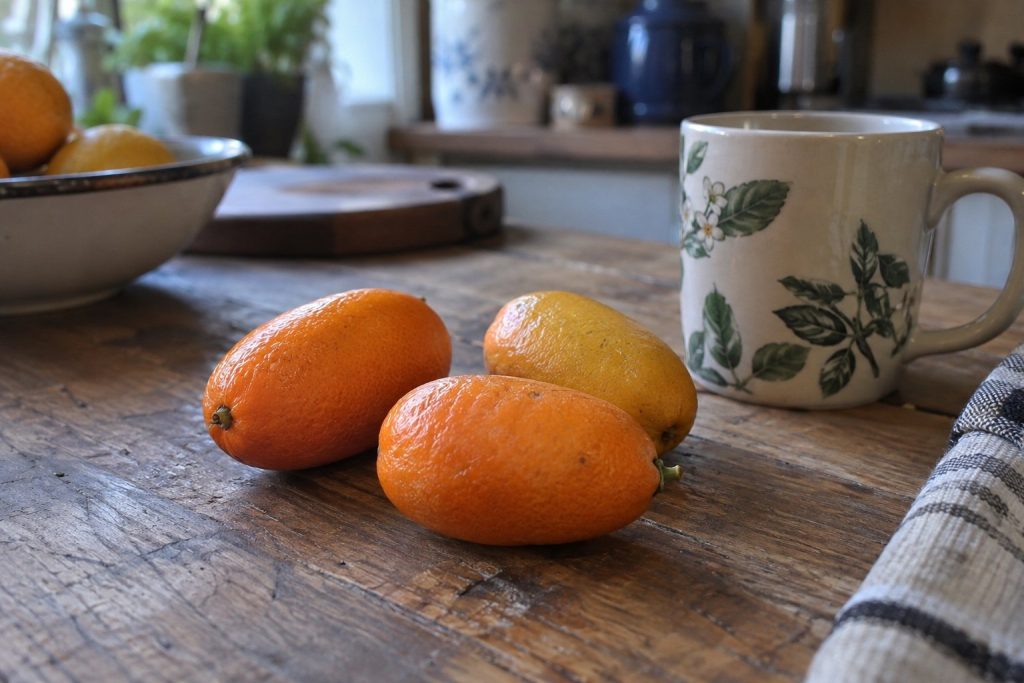
Giganteum Kumquat
Origin: The Giganteum kumquat is a selection of Fortunella margarita (Nagami kumquat) obtained for its particularly generous fruiting of large […]
What are you looking for?
Origin: The Giganteum kumquat is a selection of Fortunella margarita (Nagami kumquat) obtained for its particularly generous fruiting of large […]
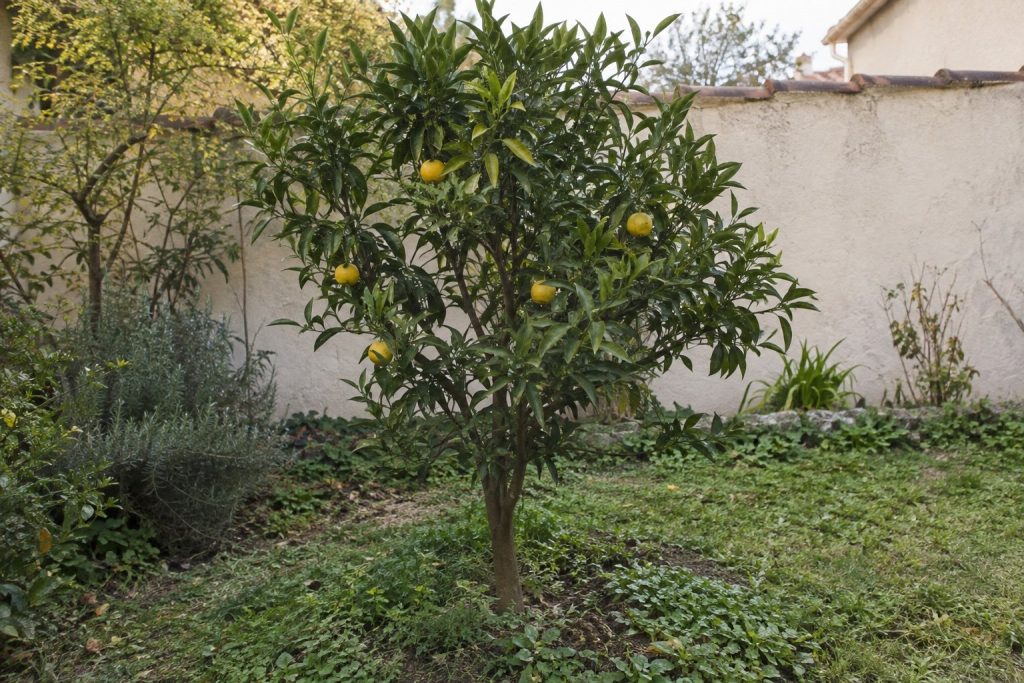
Origin: The Keraji Kabushi mandarin originates on the island of Kikaijima in the Amami-Oshima island group, in Kagoshima Prefecture, Japan. […]
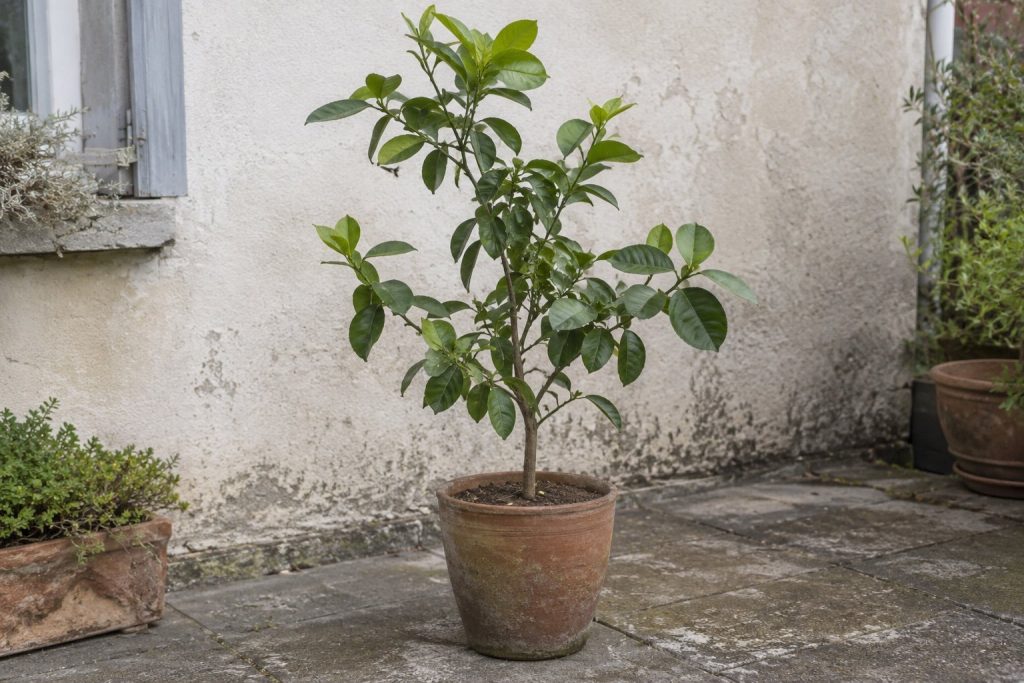
Origin: Citrus ichangensis var. hongkong, the Hong Papeda, is native to central and southwestern China, in the provinces of Hubei, […]
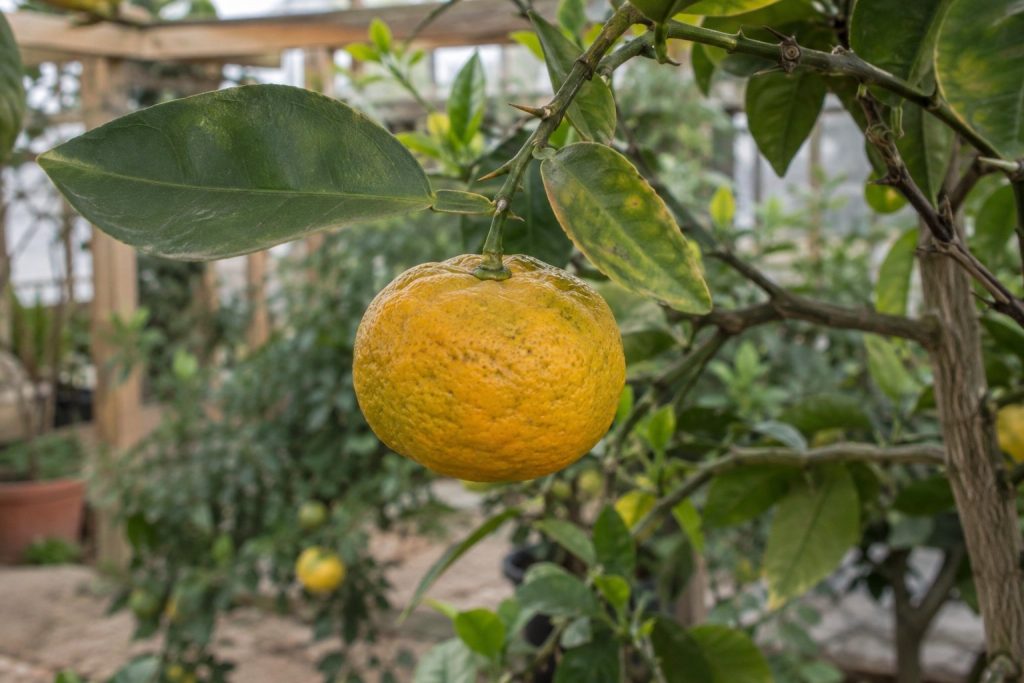
Origin: The Clementine × Yuzu 222 is a hybrid from the varietal breeding program of INRA (the French National Institute […]
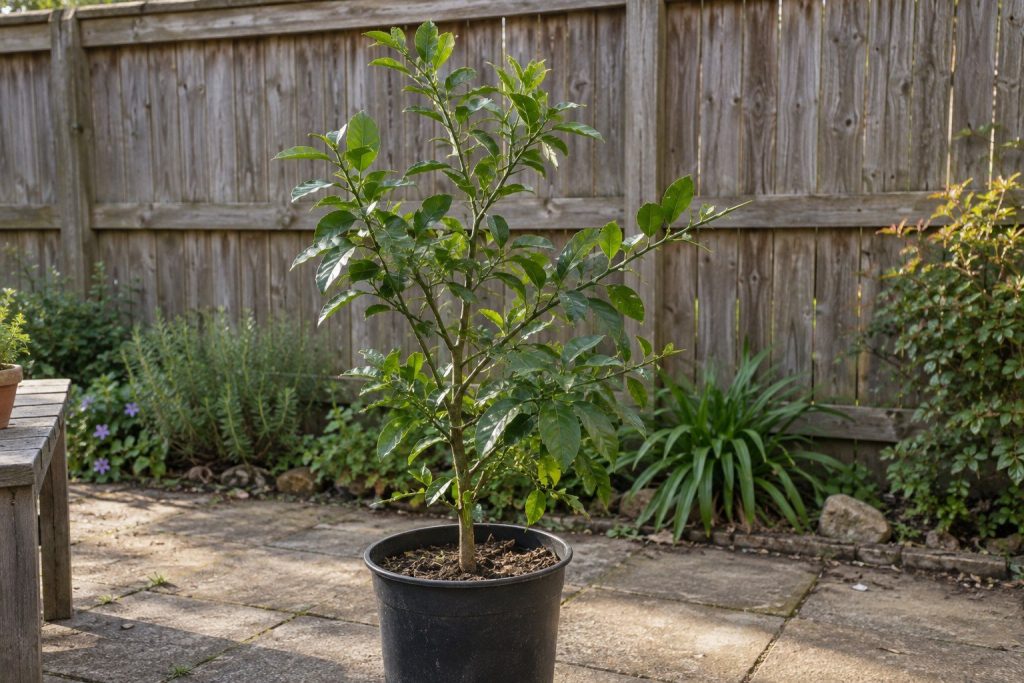
Oni Yuzu (Citrus junos ‘Oni’), literally “demon yuzu” in Japanese, is a variant of the yuzu selected for its particularly large fruit and its ultra-bumpy rind evoking a demon’s skin. Its hardiness reaches 10°F (−12°C) on the tree, making it growable in the ground in USDA zone 8a. The tree reaches up to 16 ft (5 m) for the cultivar described by Vessière, with a rounded, spreading habit, aromatic evergreen foliage, and highly fragrant white flowers. Its golden-yellow fruit, large in size (7 to 14 oz, or 200 to 400 g), with extremely bumpy, thick skin rich in essential oils, ripens in October to November and holds a very acidic, fragrant juice typical of yuzu, with more generous flesh than classic yuzus. Excellent in zest, juice, ponzu vinegar, and pastry. Highly ornamental thanks to its spectacular fruit. Graft onto Poncirus trifoliata, south-facing wall.
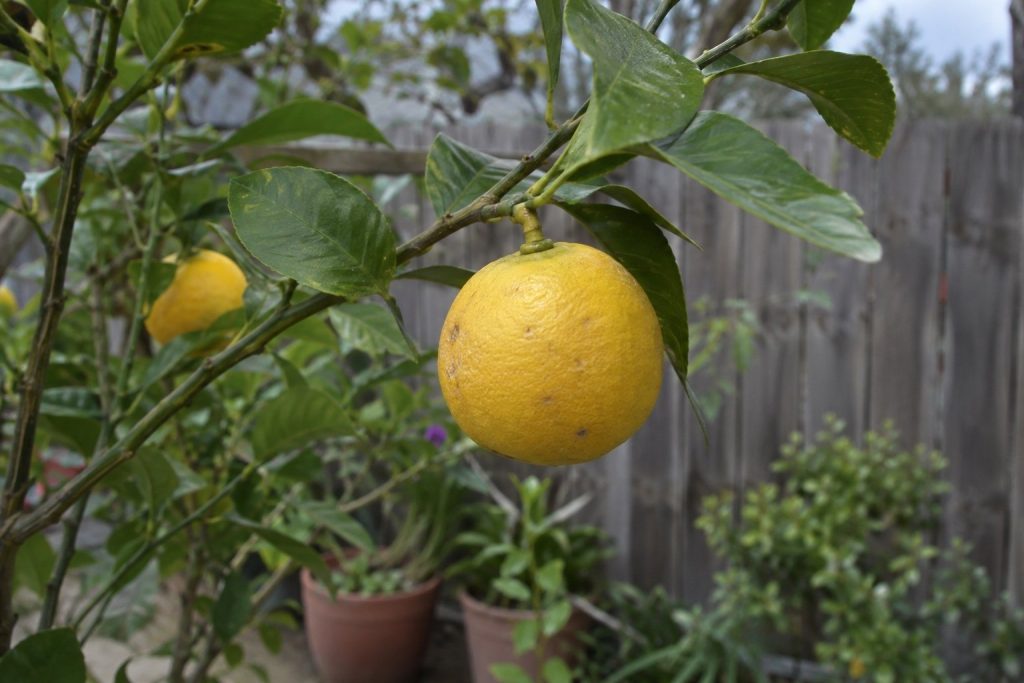
Wagashi Ichanglemon (Citrus wilsonii ‘Wagashi’) is a Japanese selection of the Ichanglemon suited to refined culinary use, notably in traditional wagashi confections. Its hardiness reaches 10°F (−12°C) on the tree, making it growable in the ground in USDA zones 7b and 8a. The vigorous tree reaches up to 16 ft (5 m) according to Vessière, with an upright, thorny habit, evergreen foliage with large winged petioles, and fragrant white spring flowers. Its yellow, round and bumpy fruit, medium to large with thick, rough skin, ripens in winter and holds a very fragrant, acidic, aromatic juice recalling a wild lemon with grapefruit notes, particularly suited to Japanese pastries and fine jams. Excellent zest for flavoring. Graft onto Poncirus trifoliata, plant against a south-facing wall, well-drained soil.
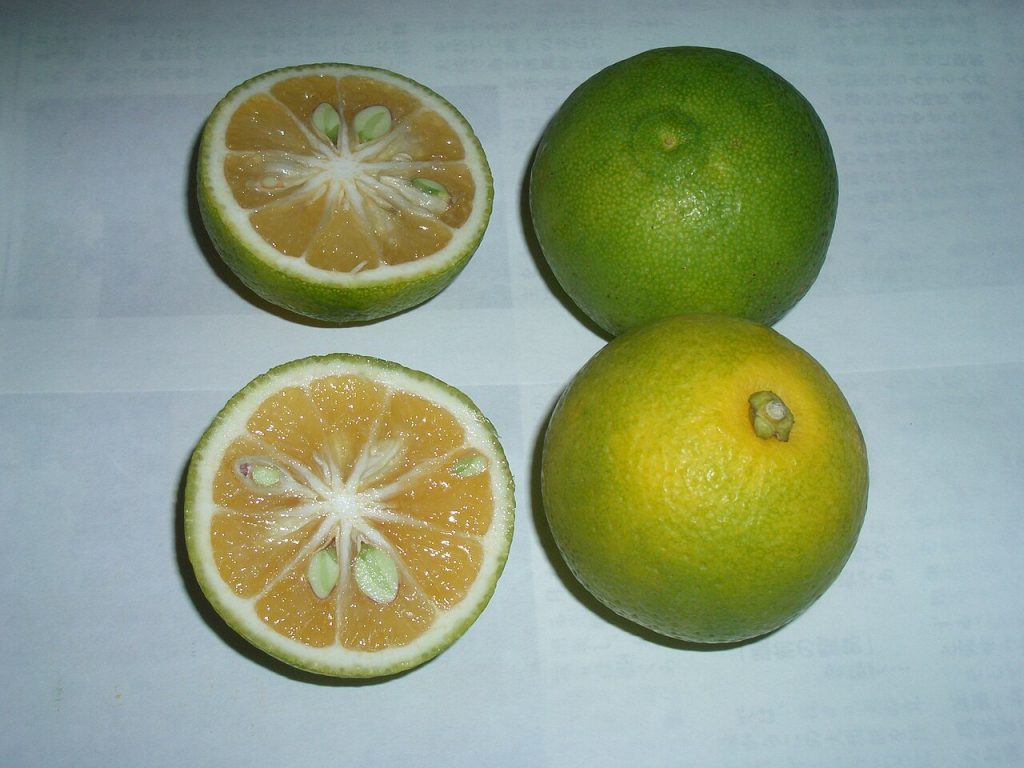
Kabosu (Citrus sphaerocarpa) is a traditional Japanese citrus grown mainly in Oita Prefecture on the island of Kyushu, indispensable in Japanese cooking for its unique aromatic acidity. Its hardiness reaches 10°F (−12°C) on the tree, making it growable in the ground in USDA zone 8a, among the hardiest of the Japanese citrus. The tree reaches 6.5 to 13 ft (2 to 4 m) with a rounded habit, aromatic evergreen foliage, and fragrant white flowers. Its round fruit, green (harvested green) or golden yellow (fully ripe), of medium size (2 to 2.8 in, or 5 to 7 cm) with thin skin, is harvested green from August to October in Oita, Japan, and in October to November according to Vessière, and holds a very acidic juice with fresh notes blending lime, yuzu, and wild mandarin. Indispensable with grilled fish, shabu-shabu, sashimi, and ponzu sauces. A few seeds. Graft onto Poncirus trifoliata, south-facing wall.
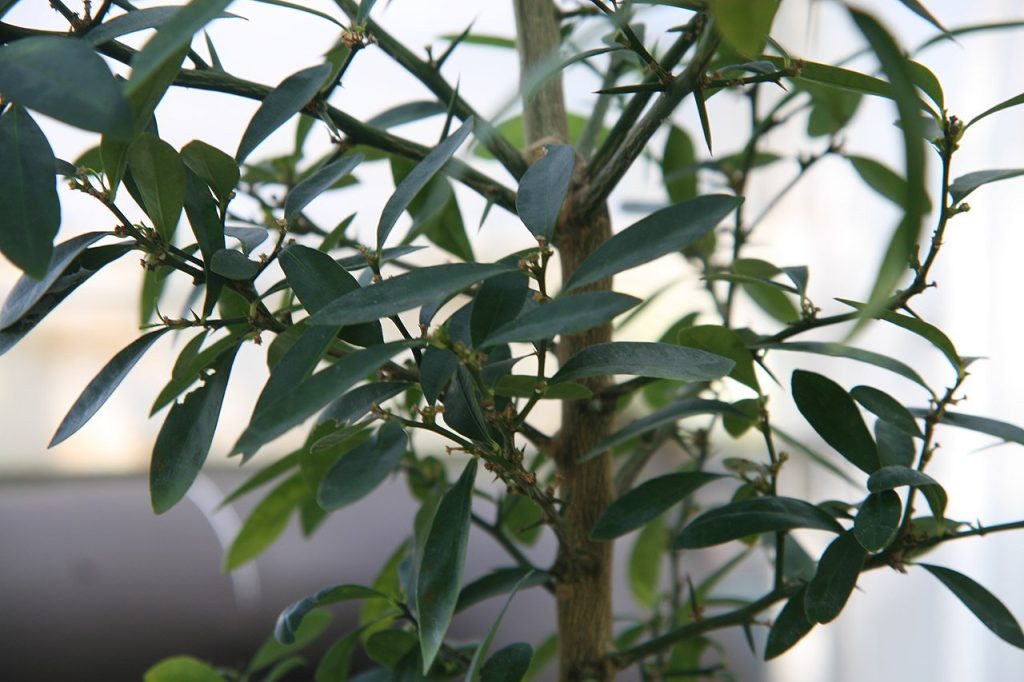
Origin: The Hong Kong kumquat (Fortunella hindsii) is the smallest species in the genus Fortunella, growing wild in the wooded […]
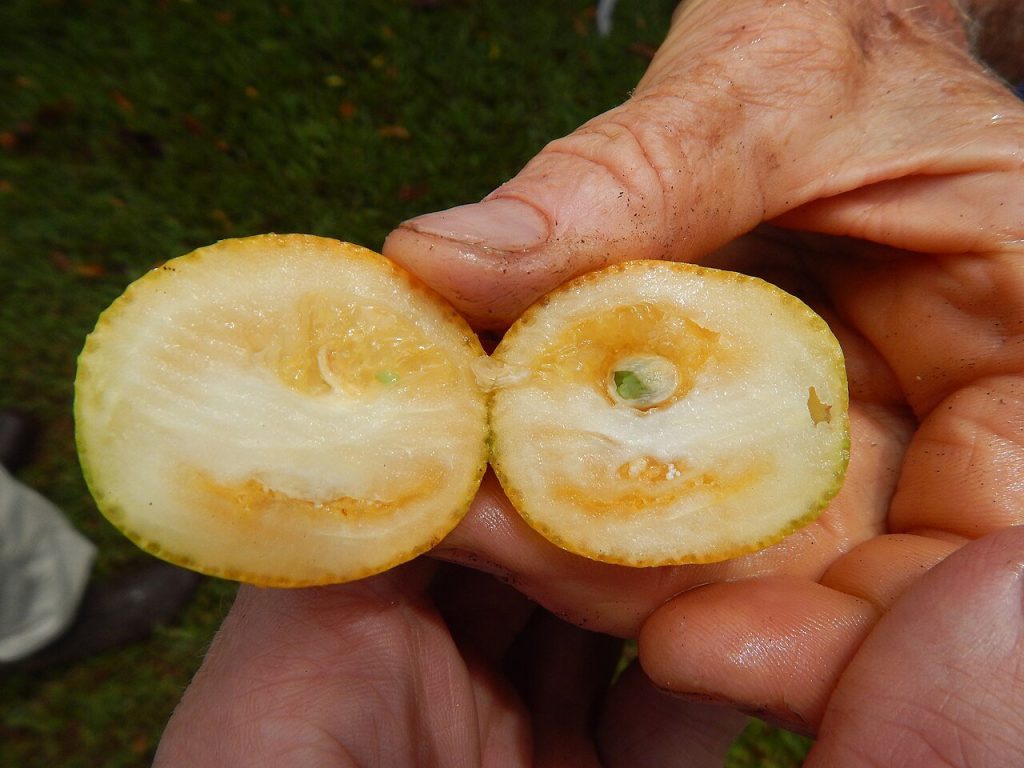
Marumi kumquat (Fortunella japonica ‘Marumi’) is one of the hardiest and tastiest kumquats, with a reference of 10°F (−12°C) for the adult acclimated tree. Native to the Pearl River Delta in southern China, it was introduced to Japan several centuries ago. The compact shrub reaches 7 to 10 ft (2 to 3 m) at maturity with a dense rounded habit, glossy evergreen foliage, and late fragrant white flowers. Its bright orange round fruits, small (0.8 to 1.2 in, or 2 to 3 cm), ripen in fall and winter and are eaten whole: the sweet, fragrant skin wraps a tart pulp, creating a taste contrast unique among citrus. Excellent in jam, candied, in liqueur, or to garnish savory and sweet dishes. Very ornamental, perfect in the ground in zones 8a to 8b or in a large container. Graft onto Poncirus trifoliata or Flying Dragon for small gardens.
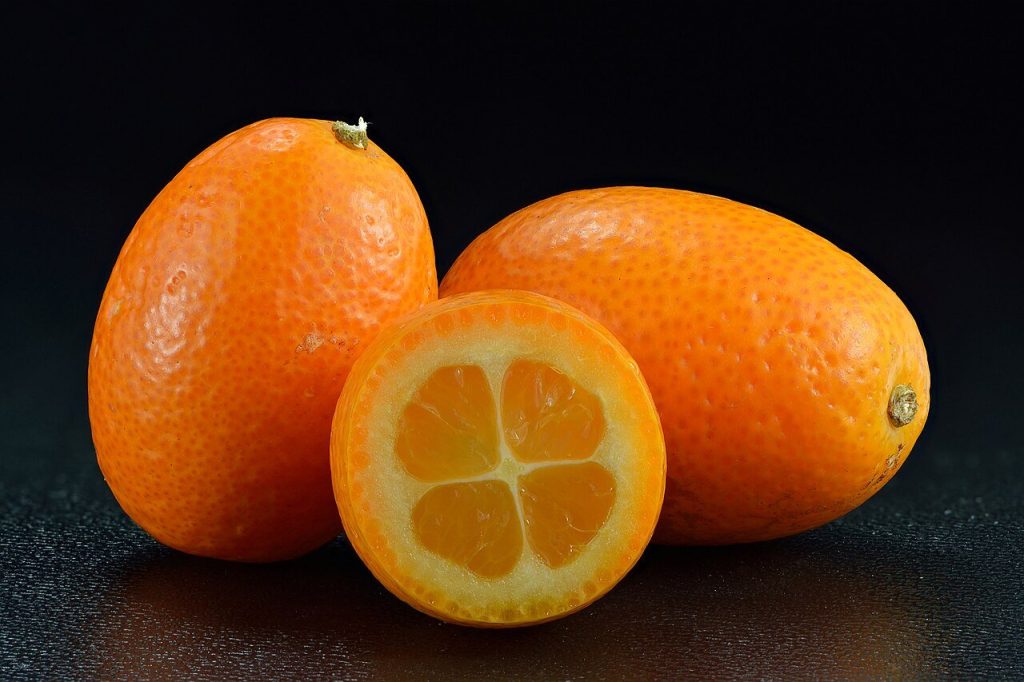
Nagami kumquat (Fortunella margarita ‘Nagami’) is the kumquat most widely distributed in garden centers and one of the most versatile in the kitchen. Native to southeastern China and naturalized in Japan since the 19th century, the retained reference for the tree is 10°F (−12°C); the choice of in-ground planting depends on the microclimate and the protection available. The compact shrub generally reaches 7 to 10 ft (2 to 3 m) in cultivation, and can reach 13 ft (4 m) in the ground, with an upright habit, glossy evergreen foliage, and very fragrant white flowers in summer. Its bright orange oval fruits, more elongated than those of Marumi, ripen in fall and winter and are eaten whole: sweet, fragrant skin, bright and tart pulp. Excellent candied, in marmalade, in liqueur, and in Asian sweet-and-savory dishes. Very ornamental, with abundant fruiting. Graft onto Poncirus trifoliata for hardiness, or Flying Dragon for container and balcony growing.