8a

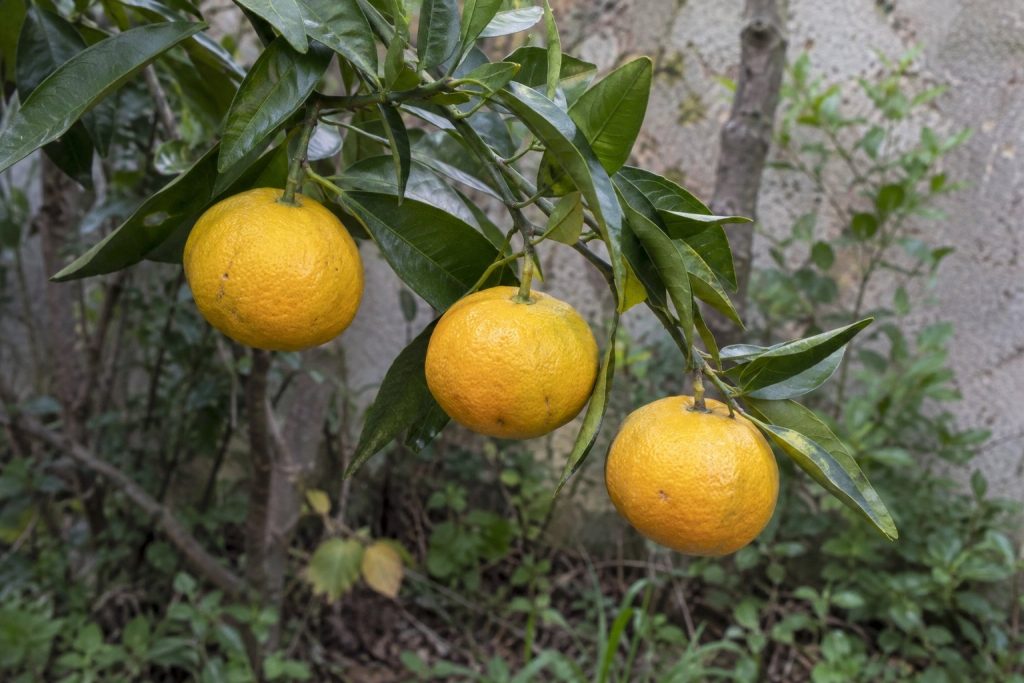
Yellow citrus fruit hanging in a sunlit garden

Hassaku

Hassaku (Citrus × hassaku) is a Japanese hybrid between pummelo and bitter orange from Innoshima Island in Hiroshima Prefecture, a classic of Japanese winter cooking. Its tree hardiness reaches 12°F (−11°C), making it suitable for in-ground growing in USDA zone 8a-8b. The vigorous tree reaches 10 to 16 ft (3 to 5 m) with an imposing rounded habit, evergreen foliage, and very fragrant white flowers in spring. Its golden-yellow fruit, large at 8.8 to 14.1 oz (250 to 400 g) with thick, rough skin, ripen in winter-spring (February-April) and offer slightly bitter flesh with a balanced acidity and a complex aroma blending pummelo and bitter orange. Excellent fresh for enthusiasts of pronounced flavors, in juice, and in marmalade. Graft onto Poncirus trifoliata, plant against a south wall, well-drained soil.
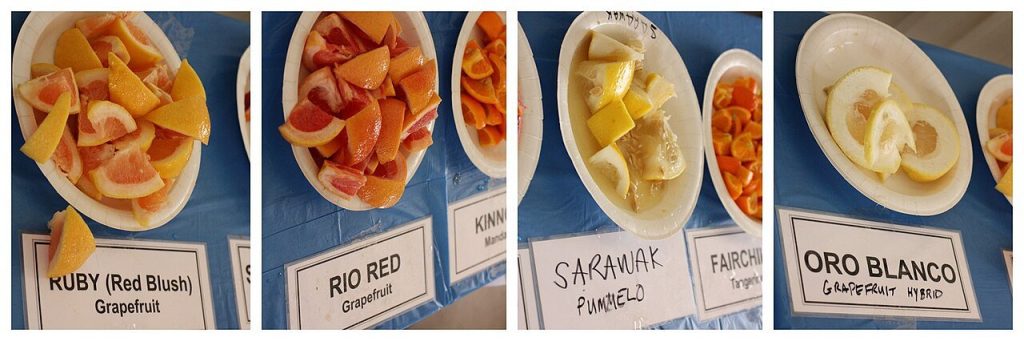
Labeled trays of cut grapefruit and pummelo samples

Oro Blanco Grapefruit

Oro Blanco grapefruit (Citrus grandis × Citrus paradisi ‘Oroblanco’) is a modern hybrid between the Siamese Sweet pummelo and the white Marsh grapefruit, created in California in 1958 to combine the sweetness of the Asian pummelo with the generosity of the grapefruit. Its tree hardiness reaches 14°F (−10°C), making it suitable for in-ground growing in USDA zone 8a-8b. The vigorous tree reaches 10 to 16 ft (3 to 5 m) with a rounded habit, evergreen foliage, and fragrant white flowers. Its golden-yellow fruit, large at 10.6 to 14.1 oz (300 to 400 g) with thick skin, ripen in winter and have white to light green flesh, juicy, sweet, and slightly tart, with little bitterness unlike classic grapefruits. Excellent fresh for those who dislike the bitterness of grapefruit, and in winter fruit salad. Graft onto Poncirus trifoliata.

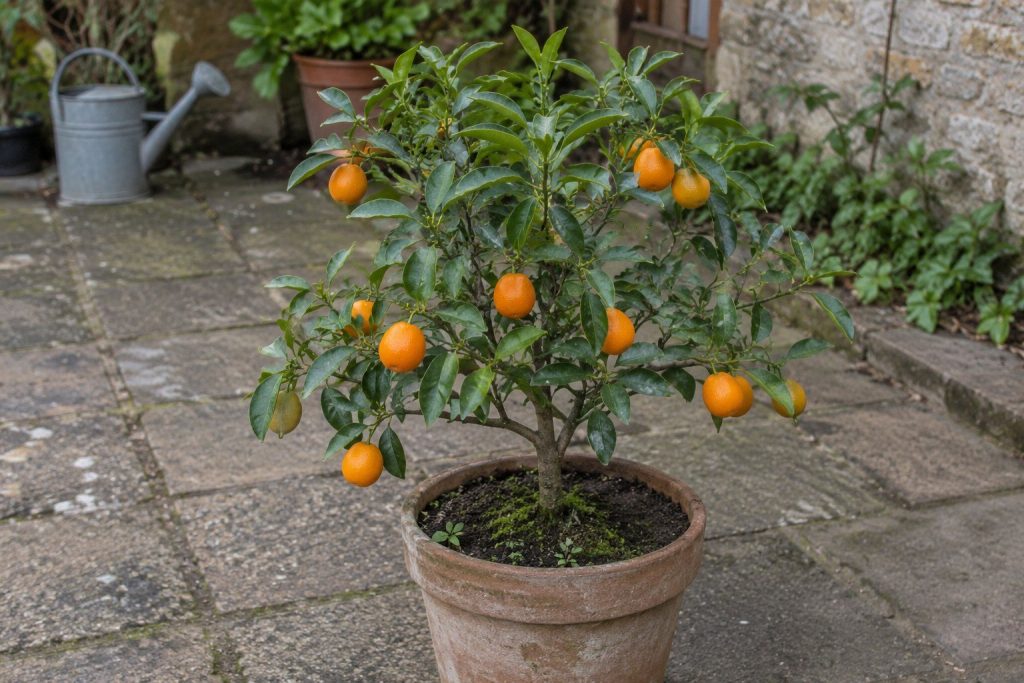
A potted citrus plant bearing orange fruit on a patio

Orangequat

Orangequat (Citrus sinensis × Fortunella margarita) is a hybrid between the sweet orange and the Nagami kumquat, selected to combine the sweetness of the orange with the edible skin of the kumquat. The hardiness reference retained for the tree is 14°F (−10°C), to be read in light of the individual plant and its microclimate. The compact tree reaches 7 to 10 ft (2 to 3 m) with a rounded habit, glossy evergreen foliage, and very fragrant white flowers in spring. Its bright orange fruit, small to medium at 1.8 to 2.8 oz (50 to 80 g), with thin, soft, fragrant skin, ripen in winter and offer a unique taste experience combining pulp as sweet as an orange and crunchy sweet skin like a kumquat, to be eaten whole like kumquats. Excellent candied, in marmalade, and fresh for enthusiasts. Very ornamental. Graft onto Poncirus trifoliata, plant against a south-facing wall.

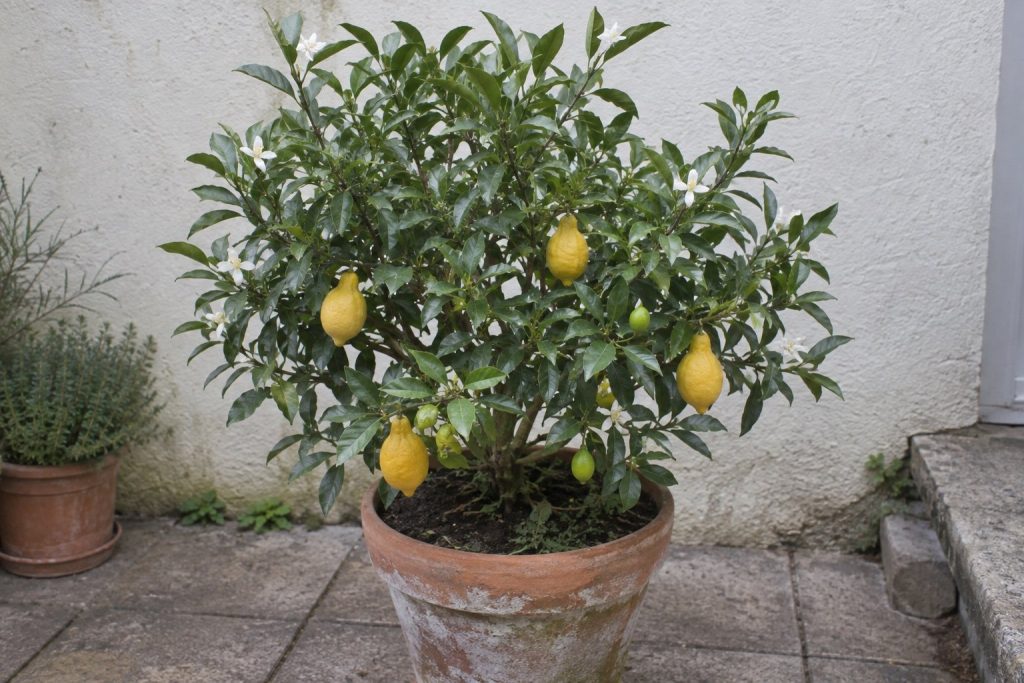
A potted citrus plant bearing yellow fruit against a wall

Four Seasons Citrangequat

Four Seasons citrangequat (× Citroncirus × Fortunella ‘Four Seasons Citrangequat’) is a triple hybrid combining kumquat, orange, and Poncirus trifoliata, selected for its almost continuous fruiting all year round in favorable climates. Its tree hardiness reaches 14°F (−10°C), making it suitable for in-ground growing in USDA zone 8a-8b. The compact tree reaches 7 to 10 ft (2 to 3 m) with a rounded, thorny habit, semi-evergreen foliage, and almost continuous fragrant white bloom. Its golden-orange, pear-shaped fruit, about 3.1 in (8 cm) according to the Arche du Livradois, with thin skin, ripen in successive waves over several months and hold a very fragrant, acidic juice with an intense zest, and edible skin like that of kumquats. Excellent candied, in liqueur, in marmalade, and fresh. Very ornamental thanks to the simultaneous presence of flowers and fruit at different stages. Graft onto Poncirus trifoliata.

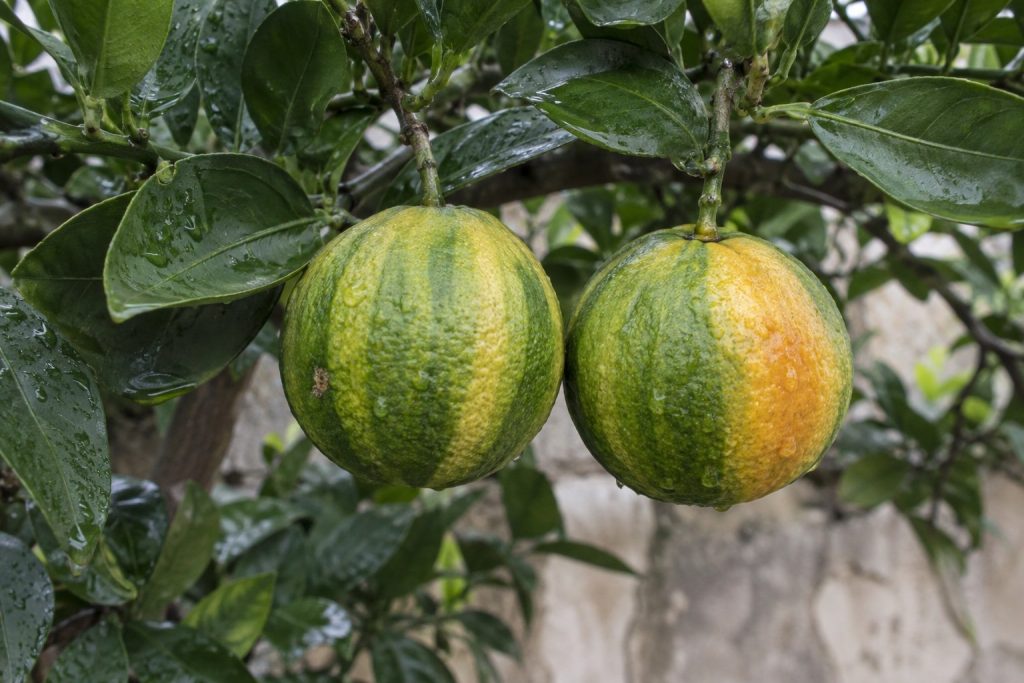
Two citrus fruit with green and yellow striped peel

Vatican Bitter Orange

Vatican bitter orange (Citrus aurantium ‘Fasciata’) is a historic ornamental variety of bitter orange, traditionally grown in the Vatican and Roman gardens, famous for its spectacular green-yellow-orange striped fruit. Its tree hardiness reaches 14°F (−10°C), making it suitable for in-ground growing in USDA zone 8a-8b. The tree reaches 7 to 13 ft (2 to 4 m) with a rounded, thorny habit, glossy, often variegated evergreen foliage, and very fragrant white flowers in spring. Its bitter orange fruit with unique green-yellow-orange stripes, medium-sized with thick, rough skin, ripen in winter. Very ornamental but also excellent in marmalade, candied peel, and liqueur. The variety is particularly decorative and historically important in European royal gardens. Graft onto Poncirus trifoliata, plant against a south-facing wall, well-drained soil.

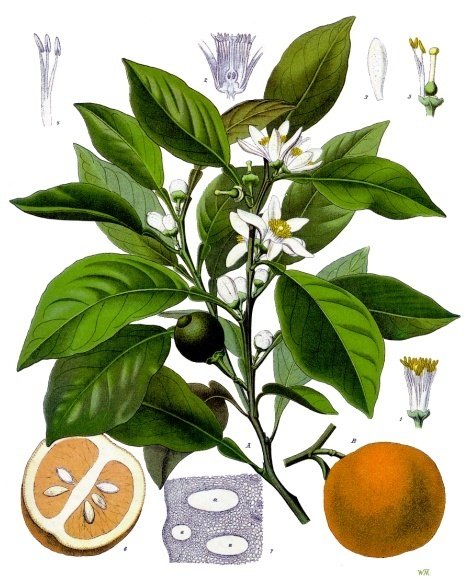
A botanical illustration showing citrus leaves, flowers and fruit

Dolce del Gargano Bitter Orange

Dolce del Gargano bitter orange (Citrus aurantium ‘Dolce del Gargano’) is an Italian bitter orange variety that is less bitter than the classic bitter oranges, traditionally grown in the Gargano (Apulia) for its balance between acidity and sweetness. Its tree hardiness reaches 14°F (−10°C), making it suitable for in-ground growing in USDA zone 8a-8b. The tree can reach 16 to 20 ft (5 to 6 m) in the ground, with a rounded, thorny habit, evergreen foliage, and very fragrant white flowers. Its orange fruit, medium-sized at 5.3 to 8.8 oz (150 to 250 g) with thick skin, ripen in winter and give a juice that is less bitter than the classic bitter orange, with a pleasant acidity and a complex aroma. Excellent fresh for enthusiasts (rare for a bitter orange), in marmalade, juice, and liqueur. Graft onto Poncirus trifoliata, plant against a south-facing wall.

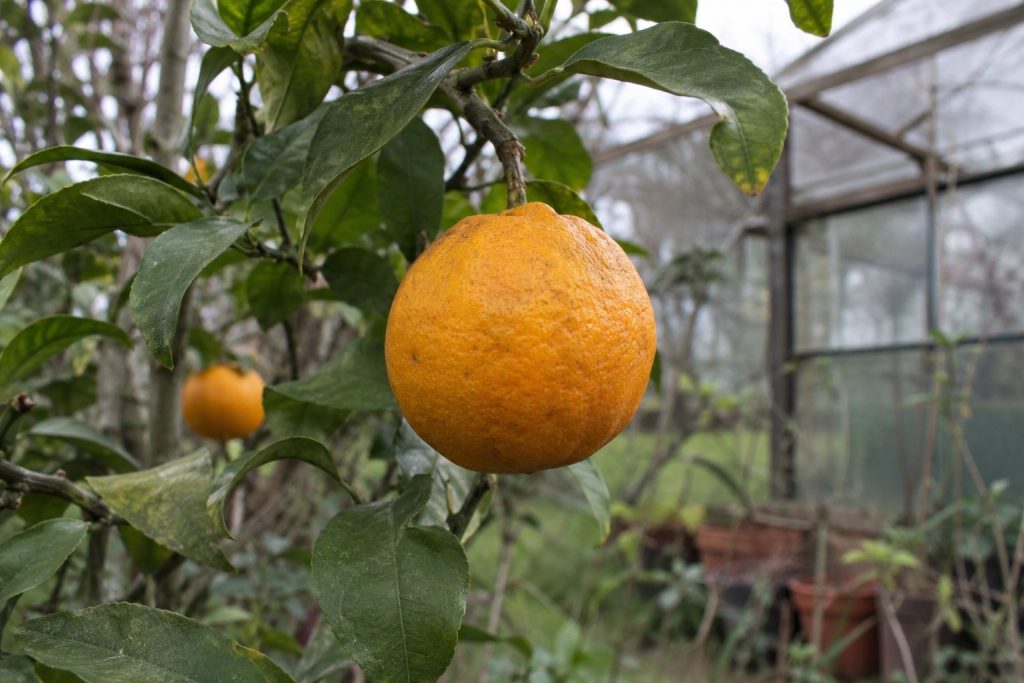
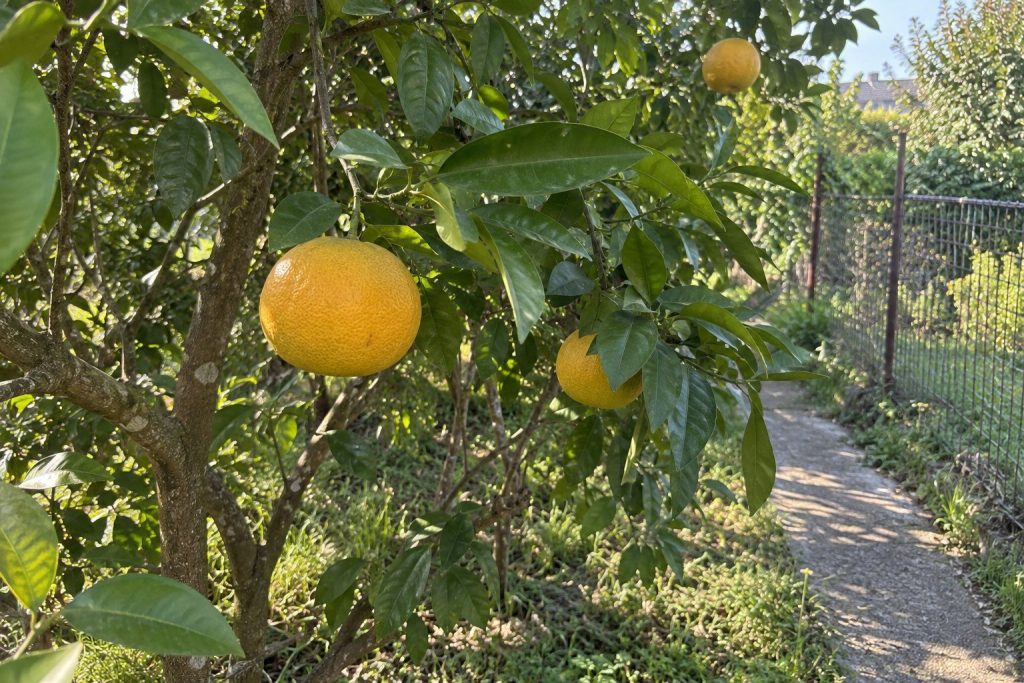
A round orange citrus fruit hanging on a branch

Troyer × Rangpur Lime

The Troyer × Rangpur lime (Troyer citrange × Citrus × limonia) is a modern hybrid between the Troyer citrange and the Rangpur lime, selected to combine hardiness and aromatic acidity. Its hardiness reaches 10°F (−12°C) on the tree, making it growable in the ground in USDA zone 8a. The tree reaches 10 to 13 ft (3 to 4 m) with an upright, semi-thorny habit, aromatic evergreen foliage, and fragrant white flowers in spring. Its yellow-orange fruit, medium in size (about 2.1 oz, or 60 g according to Bois de Rode Bos), with thin skin, ripens in winter and holds a very acidic, fragrant juice with complex notes blending classic lime and Rangpur lime, with unique Indian accents. Excellent in Indian cooking (chutney, achar, dhal), in marinades, and in limeade. A few seeds. A niche variety for collectors of hybrid citrus. Graft onto Poncirus trifoliata, plant against a south-facing wall, well-drained soil.

Three yellow-orange citrus fruit on a leafy branch

Keraji Voss D14 Mandarin

The Keraji Voss D14 mandarin (Citrus keraji ‘Voss D14’) is a clonal selection of the classic Keraji made by the German breeder Bernhard Voss, numbered D14 in his hardy hybridization program. Its hardiness reaches 14°F (−10°C) on the tree, slightly lower than the standard Keraji, but with improved taste or productive quality. Growable in the ground in USDA zones 8a to 8b. The compact tree reaches up to 13 ft (4 m) according to Vessière, with a rounded habit, aromatic evergreen foliage, and fragrant white flowers. Its yellow-orange fruit, round-flattened and small (1.2 to 2 in, or 3 to 5 cm), with thin skin that is very easy to peel, is harvested from September to November, with full maturity in November according to Vessière, with juicy flesh balanced between sweetness and acidity, with subtle floral notes characteristic of the Keraji. A few seeds. Graft onto Poncirus trifoliata, south-facing wall.

Small round yellow citrus fruit among leaves

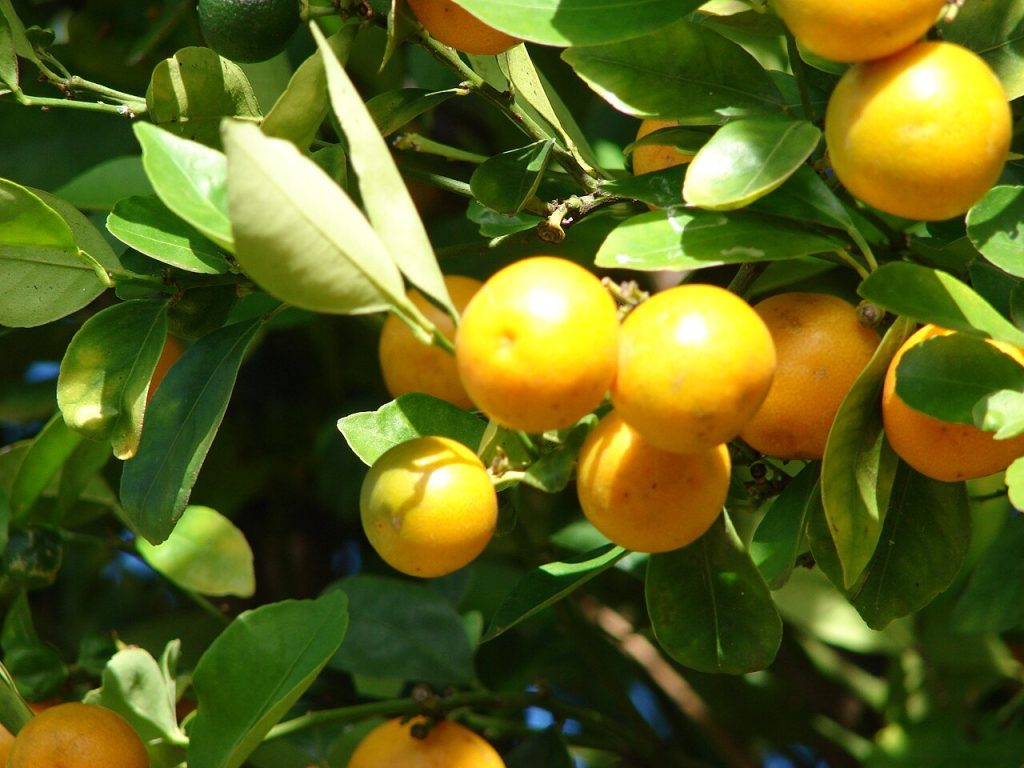
Nordmann Kumquat

The Nordmann kumquat (Fortunella margarita ‘Nordmann Seedless’) is a seedless selection of the Nagami kumquat found in Florida, chosen for its taste quality and productivity superior to classic varieties. The 14°F (−10°C) reference for the tree remains indicative, for lack of a Nordmann-specific threshold verified in this review; it does not guarantee in-ground cultivation. The compact shrub reaches 6.5 to 10 ft (2 to 3 m) with a dense rounded habit, glossy evergreen foliage, and highly fragrant white flowers in summer. Its bright orange oval fruit, slightly larger than classic Nagami, with sweet, fragrant skin, seedless (a distinctive trait), ripens in fall and winter and is eaten whole: sweet skin and tart pulp. Excellent candied, in marmalade, in liqueur, and in sweet-and-savory dishes. Ideal for anyone who wants to avoid seeds. Graft onto Poncirus trifoliata or Flying Dragon.

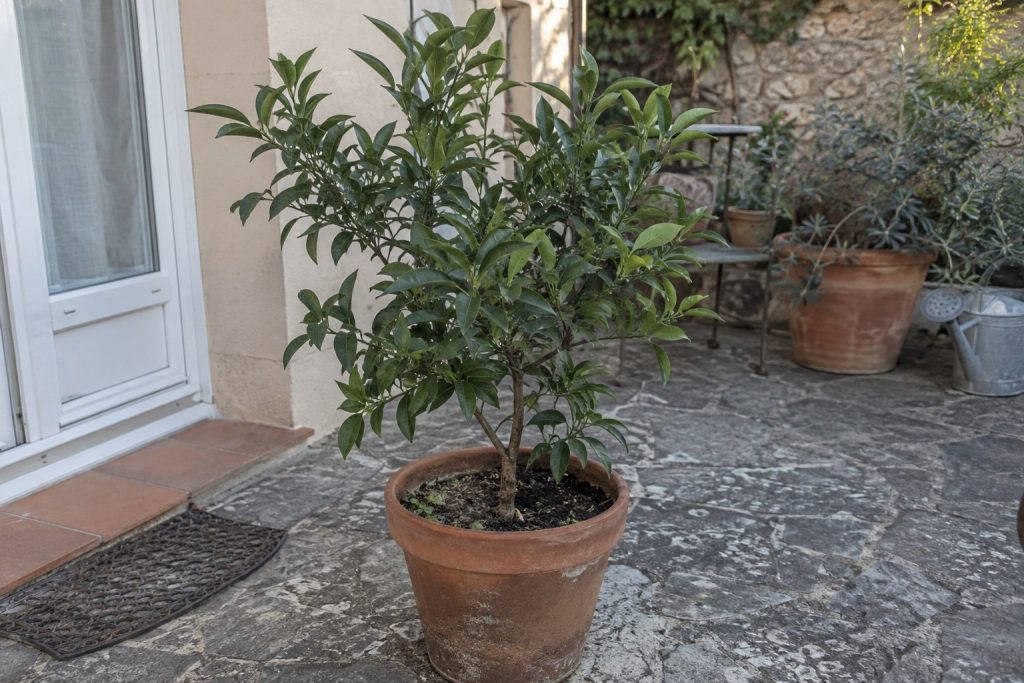
A potted citrus plant outside a doorway

Jimenez Kumquat

Origin: The Jimenez kumquat is a named selection of Fortunella margarita, the oval kumquat native to southern China. Its name […]

Scroll to Top