Fresh eating

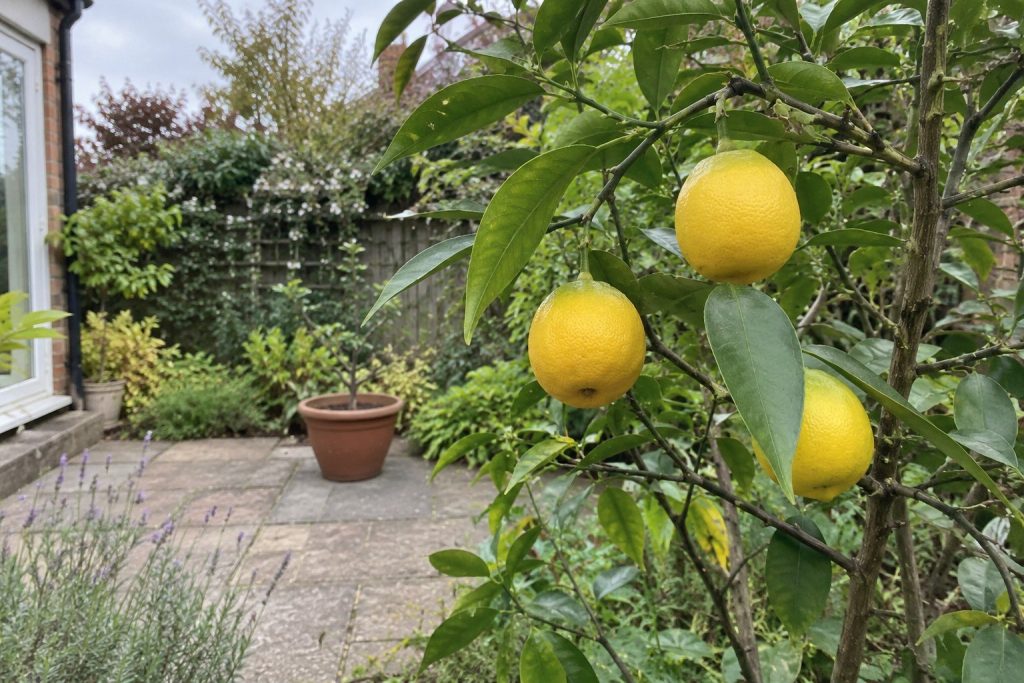
Yellow citrus fruit hanging beside a patio

Yuzuquat

Yuzuquat (Citrus junos × Fortunella ‘Nameiwa’) is an exceptional hybrid between the Japanese yuzu and the Nameiwa kumquat, created to combine the yuzu aroma with the edible skin of the kumquat. The hardiness reference retained for the tree is 10°F (−12°C), subject to acclimation; it does not guarantee in-ground growing. The compact tree reaches 7 to 10 ft (2 to 3 m) with a rounded habit, evergreen foliage, and fragrant white flowers. Its small golden-orange fruit, 1.2 to 2 in (3 to 5 cm) with thin, soft skin, have a harvest reference of August to November retained in this entry, to be adjusted to the climate, and offer a unique taste combining the aromatic acidity of the yuzu and the sweet skin of the kumquat, to be eaten whole like kumquats. Excellent candied, in liqueur, in marmalade, and fresh for enthusiasts. A niche variety, very ornamental thanks to its abundant fruiting. Graft onto Poncirus trifoliata, plant against a south-facing wall.
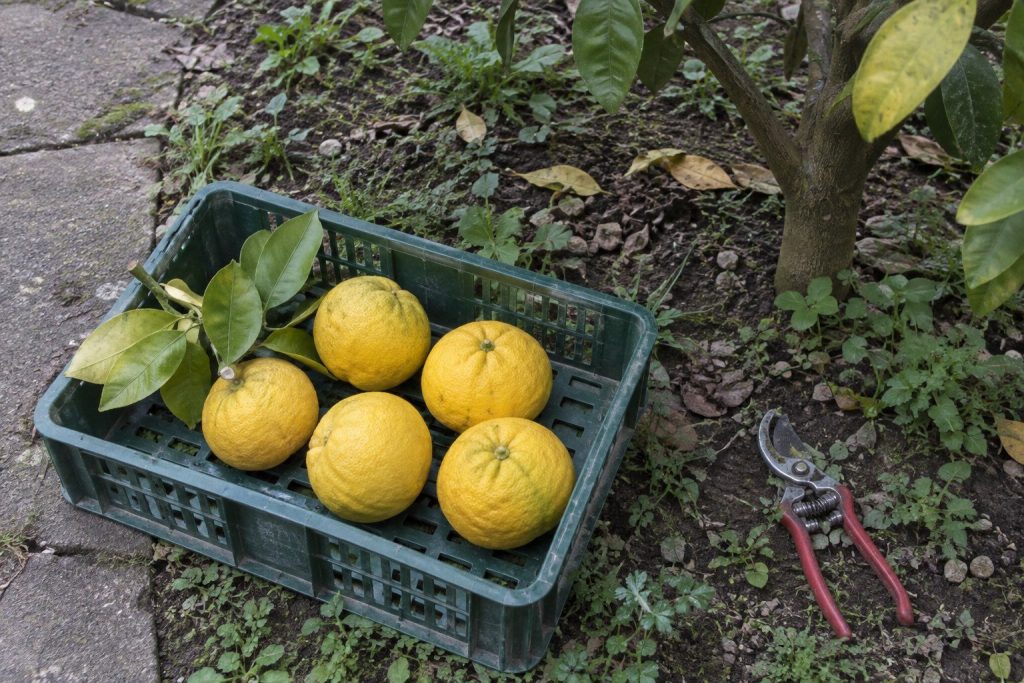
Rough yellow citrus fruit in a harvest crate beside pruning shears

Shunkokan

Shunkokan (Citrus × shunkokan) is a rare old Japanese citrus, a natural hybrid selected in the southern regions of Japan over several generations for its aromatic qualities. Its tree hardiness reaches 14°F (−10°C), making it suitable for in-ground growing in USDA zone 8a-8b. The tree reaches 7 to 13 ft (2 to 4 m) with a compact rounded habit, aromatic evergreen foliage, and very fragrant white flowers in spring. Its yellow-orange fruit, medium-sized with moderately thick bumpy skin, ripen in winter and give a tart, fragrant juice with complex notes blending wild Japanese mandarin and bitter orange. Many seeds in the classic form described by the UCR. More appreciated by collectors of heritage citrus than for eating out of hand. Used in jam, marinade, and traditional Japanese cooking. Graft onto Poncirus trifoliata, plant against a south-facing wall.
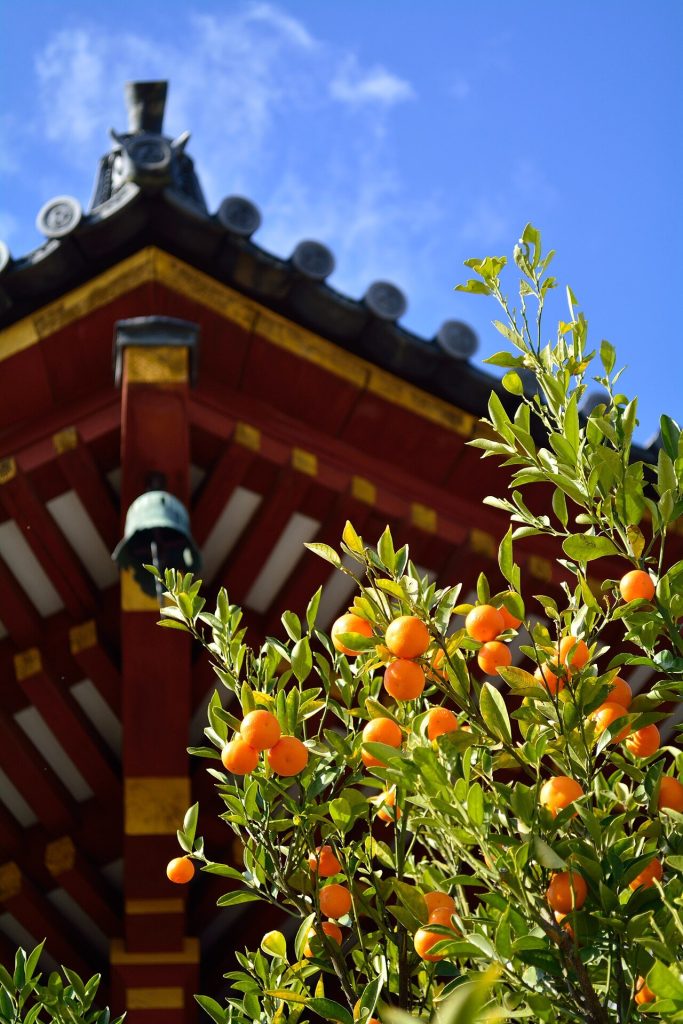
A citrus tree bearing orange fruit beside a traditional building

Tachibana

Tachibana (Citrus tachibana) is a wild Japanese citrus of great cultural and religious importance, one of the oldest citrus known in Japan, mentioned in the Kojiki (712) and the Nihon Shoki (720). Its tree hardiness reaches 10°F (−12°C), making it suitable for in-ground growing in USDA zone 8a. The tree reaches 7 to 10 ft (2 to 3 m) with an upright habit, aromatic evergreen foliage, and very fragrant white flowers in spring or early summer depending on the location. Its small yellow-orange fruit, 1.2 to 2 in (3 to 5 cm) with bumpy skin, ripen in winter and hold a very acidic, aromatic juice with wild mandarin notes. More appreciated for its ornamental, religious, and genetic value (parent of many modern varieties) than for its pulp. The bloom is used in Buddhist rites. Graft onto Poncirus trifoliata.

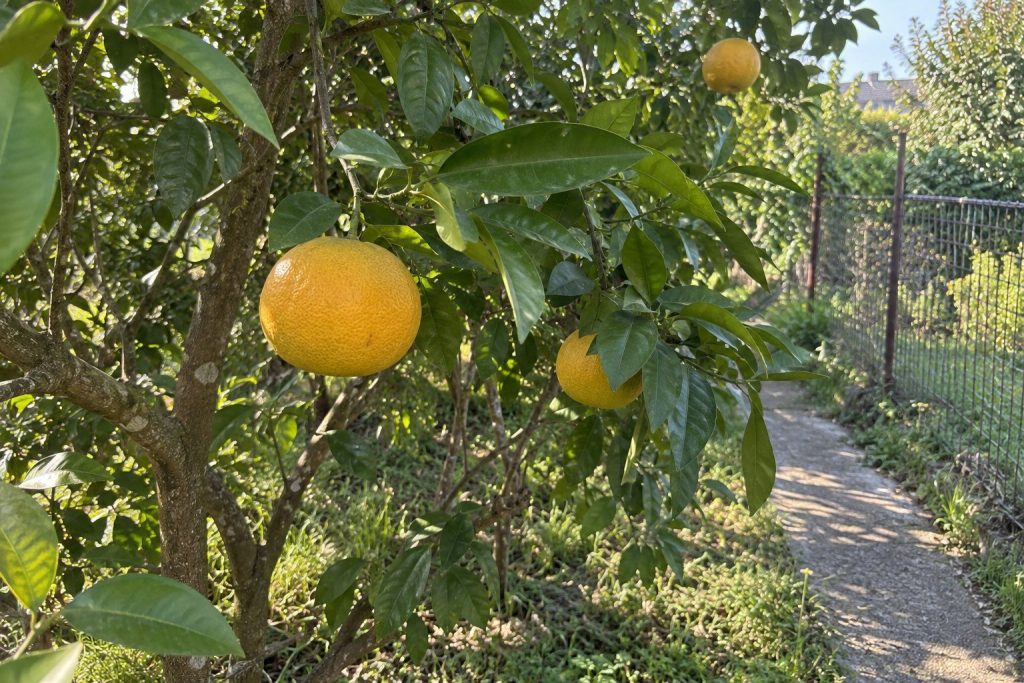
Yellow citrus fruit hanging in a sunlit garden

Hassaku

Hassaku (Citrus × hassaku) is a Japanese hybrid between pummelo and bitter orange from Innoshima Island in Hiroshima Prefecture, a classic of Japanese winter cooking. Its tree hardiness reaches 12°F (−11°C), making it suitable for in-ground growing in USDA zone 8a-8b. The vigorous tree reaches 10 to 16 ft (3 to 5 m) with an imposing rounded habit, evergreen foliage, and very fragrant white flowers in spring. Its golden-yellow fruit, large at 8.8 to 14.1 oz (250 to 400 g) with thick, rough skin, ripen in winter-spring (February-April) and offer slightly bitter flesh with a balanced acidity and a complex aroma blending pummelo and bitter orange. Excellent fresh for enthusiasts of pronounced flavors, in juice, and in marmalade. Graft onto Poncirus trifoliata, plant against a south wall, well-drained soil.

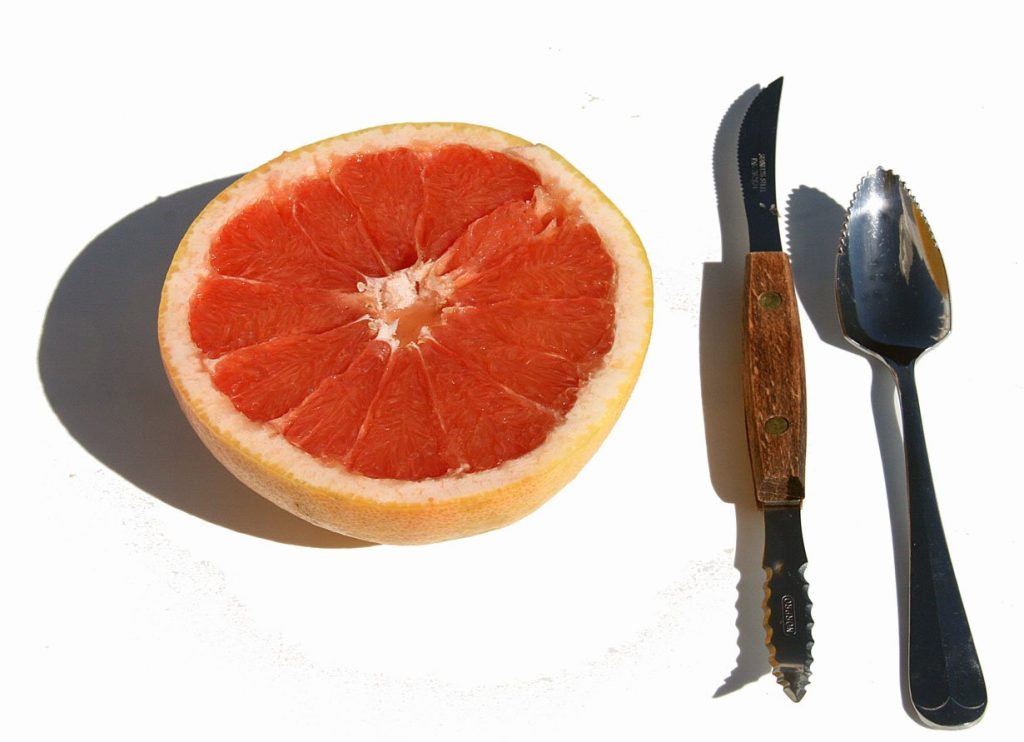
Half a pink-fleshed citrus fruit beside a knife and spoon

Star Ruby Grapefruit

Origin: Star Ruby grapefruit is a red-fleshed grapefruit cultivar developed in the United States in the 1970s at the Texas […]

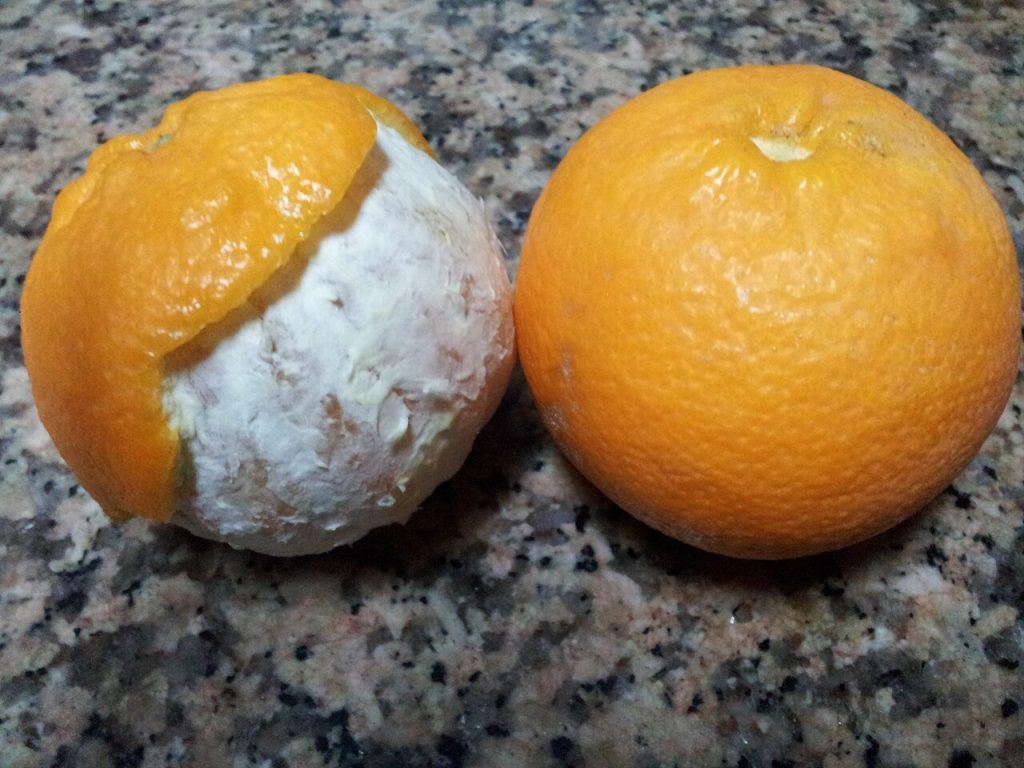
A partially peeled orange citrus fruit beside a whole fruit

Salustiana Orange

Salustiana orange (Citrus sinensis ‘Salustiana’) is a Spanish mutation of the Comuna orange, selected in Valencia for its juiciness and its complete absence of seeds. Its tree hardiness reaches 16°F (−9°C), making it suitable for in-ground growing in USDA zones 8b and 9a. The vigorous tree reaches 10 to 16 ft (3 to 5 m) with a spreading, rounded habit, glossy evergreen foliage, and fragrant white flowers. Its bright orange fruit, medium-sized at about 5.3 to 6.3 oz (150 to 180 g) according to catalogs, varying with conditions, without a navel, with thin skin that is moderately easy to peel, seedless, ripen in winter (January-March) with very juicy, sweet, low-acid flesh, perfect for juice. Considered one of the best juice oranges in the world, the basis of the Spanish orange juice industry. Excellent fresh too. Graft onto Poncirus trifoliata, plant against a south-facing wall, well-drained soil.

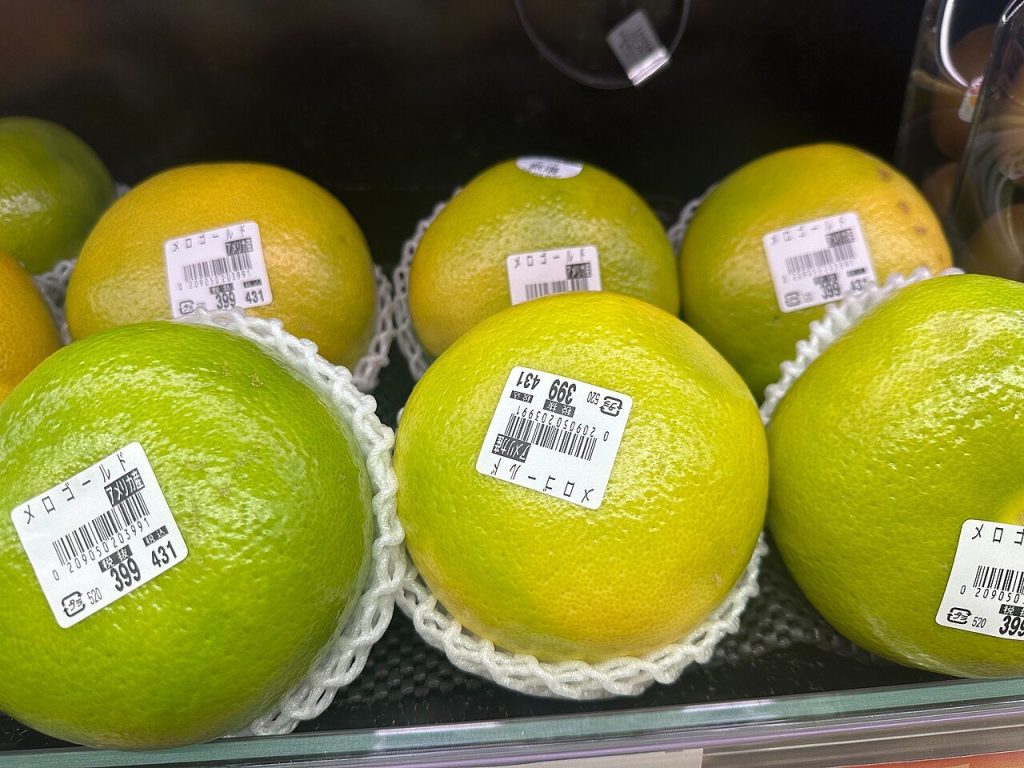
Green-yellow citrus fruit with retail labels

Melogold Grapefruit

Origin: Melogold is a grapefruit and pummelo hybrid created in 1986 by researchers at the University of California, Riverside, as […]

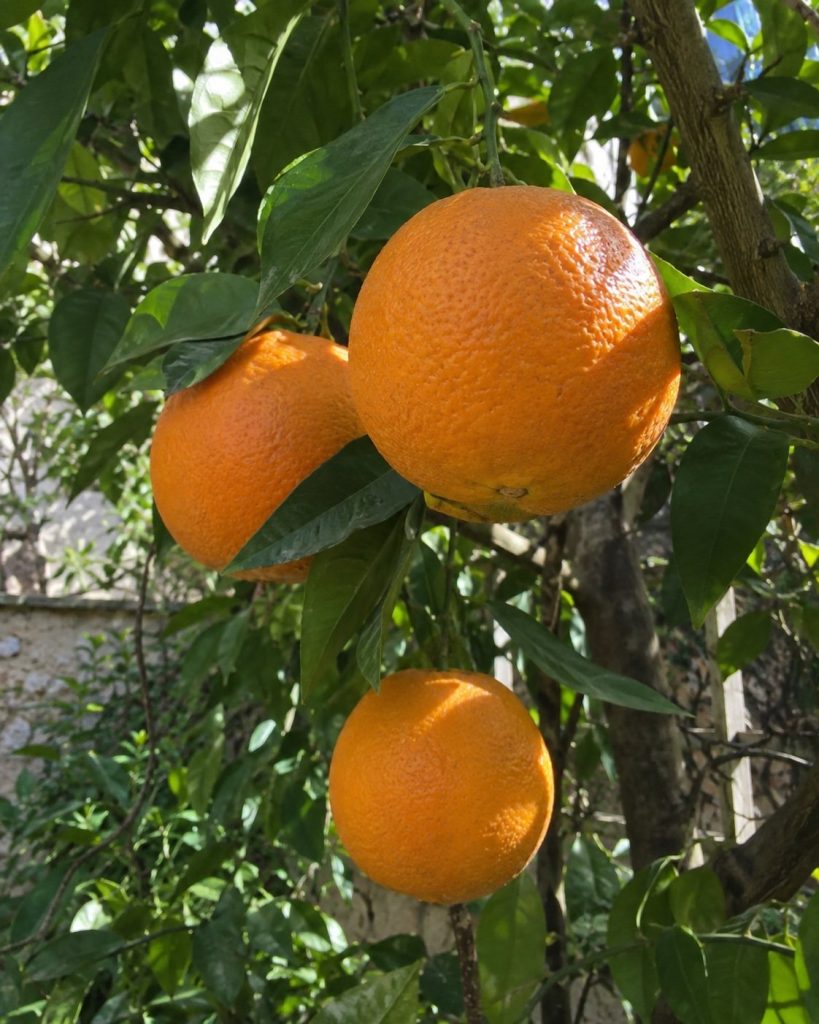
Orange citrus fruit on leafy branches

Washington Navel Orange

Washington Navel orange (Citrus sinensis ‘Washington Navel’) is the most widely grown navel orange in the world, a natural mutation that appeared in Brazil in the early 19th century and was introduced to Washington in 1870, hence its name. Its tree hardiness reaches 16°F (−9°C), making it suitable for in-ground growing in USDA zones 8b and 9a. The vigorous tree commonly reaches 10 to 16 ft (3 to 5 m) in cultivation, and can reach 20 ft (6 m) in favorable ground, with a rounded habit, evergreen foliage, and fragrant white flowers in spring. Its large bright orange fruit, 7.1 to 10.6 oz (200 to 300 g), characterized by a visible secondary navel, seedless, with easy-to-peel skin, ripen in winter and offer juicy, sweet, fragrant flesh. The ultimate table orange: to be eaten fresh, as juice pressed right away (it oxidizes quickly), in salad. Graft onto Poncirus trifoliata for in-ground growing, plant against a south wall. Harvest in January-March.

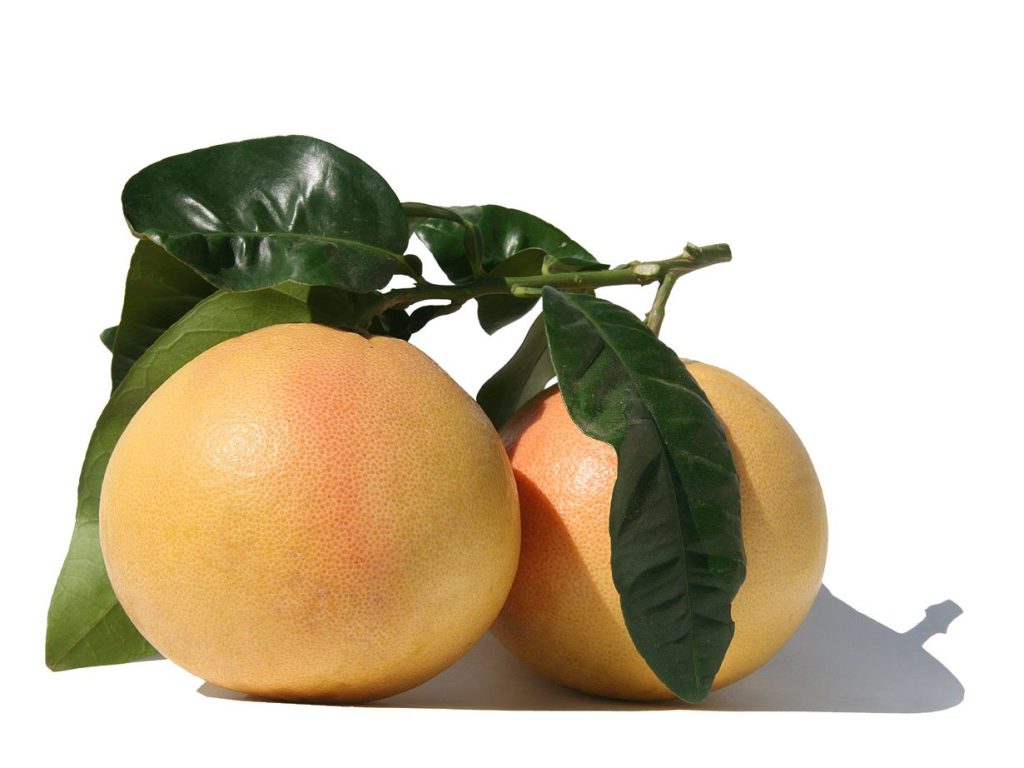
Two pale yellow citrus fruit with attached leaves

Rio Red Grapefruit

Origin: Rio Red is a red-fleshed grapefruit variety selected in the 1980s through gamma-radiation mutation induction at Texas A&M University, […]

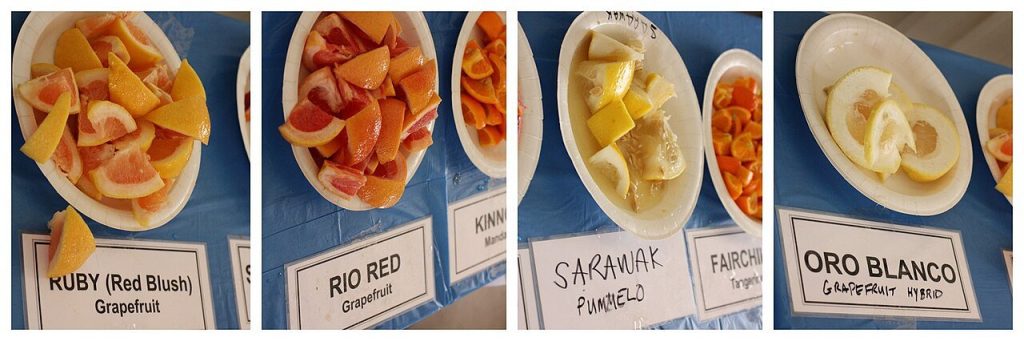
Labeled trays of cut grapefruit and pummelo samples

Oro Blanco Grapefruit

Oro Blanco grapefruit (Citrus grandis × Citrus paradisi ‘Oroblanco’) is a modern hybrid between the Siamese Sweet pummelo and the white Marsh grapefruit, created in California in 1958 to combine the sweetness of the Asian pummelo with the generosity of the grapefruit. Its tree hardiness reaches 14°F (−10°C), making it suitable for in-ground growing in USDA zone 8a-8b. The vigorous tree reaches 10 to 16 ft (3 to 5 m) with a rounded habit, evergreen foliage, and fragrant white flowers. Its golden-yellow fruit, large at 10.6 to 14.1 oz (300 to 400 g) with thick skin, ripen in winter and have white to light green flesh, juicy, sweet, and slightly tart, with little bitterness unlike classic grapefruits. Excellent fresh for those who dislike the bitterness of grapefruit, and in winter fruit salad. Graft onto Poncirus trifoliata.

Scroll to Top