Fresh eating

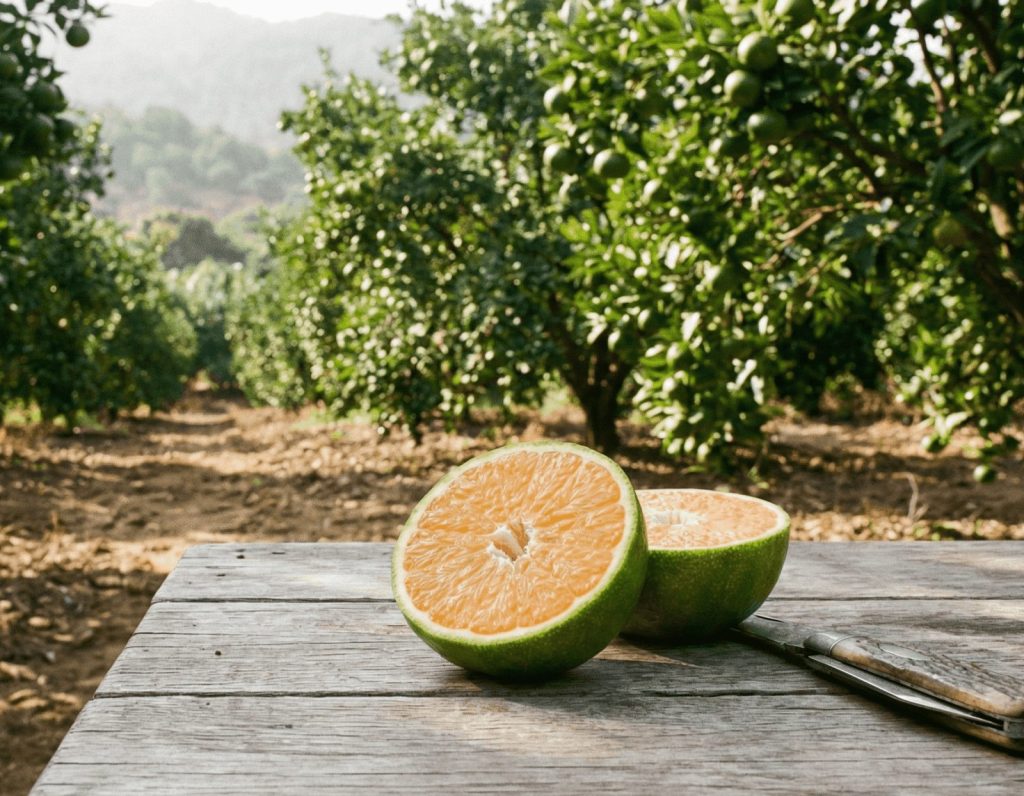
Halves of a green-skinned citrus fruit on a table beside an orchard

Owari Satsuma Mandarin

Owari satsuma mandarin (Citrus unshiu ‘Owari’) is the most widely grown satsuma in the world and one of the hardiest mandarins, withstanding 10°F (−12°C) on the tree. Native to Japan, where it has been selected since the 19th century on the former Satsuma estate (Kagoshima Prefecture), it is now produced on a large scale in Spain and Japan. The tree reaches about 10 to 11 ft (3 to 3.5 m) depending on the grower and rootstock, with a spreading, weeping habit and evergreen foliage. Its bright orange, seedless fruit, with thin, easy-to-peel skin, ripen early (November to December) with sweet, juicy, low-acid flesh. Owari satsuma is the ideal citrus for children and fresh eating, perfect also for juice and sorbet. Grafted onto Poncirus trifoliata, it is viable as far as USDA zone 8a. Harvest early, before the first severe frosts, which destroy the pulp.
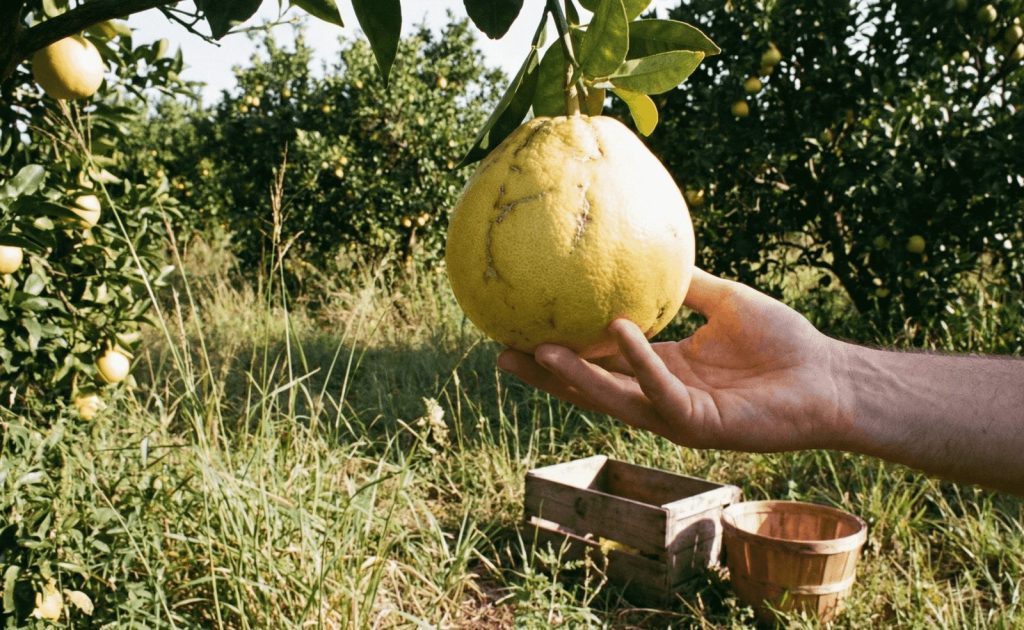
A hand supporting a large pale yellow citrus fruit on a tree

Duncan Grapefruit

Duncan grapefruit (Citrus × paradisi ‘Duncan’) is one of the oldest grapefruit varieties grown in Florida, a spontaneous hybrid between pummelo and sweet orange identified in the 19th century. Its hardiness reaches 14°F (−10°C) on the tree, classed among the citrus to plant in USDA zone 8b by Biggio and Londeix; G. Roques’s proposal applies to established specimens protected in their first years. The vigorous tree reaches 13 to 20 ft (4 to 6 m) with an imposing rounded habit, glossy evergreen foliage, and fragrant white flowers. Its very large yellow fruit, weighing 10.6 to 17.6 oz (300 to 500 g), with thick skin, contain juicy white-pink flesh with a characteristic taste combining sweetness, frank bitterness, and acidity, with many seeds. Excellent at breakfast, as juice, or in confectionery (candied peel). Reference variety for aromatic quality among grapefruits. Graft onto Poncirus trifoliata, plant against a south wall, in well-drained soil.

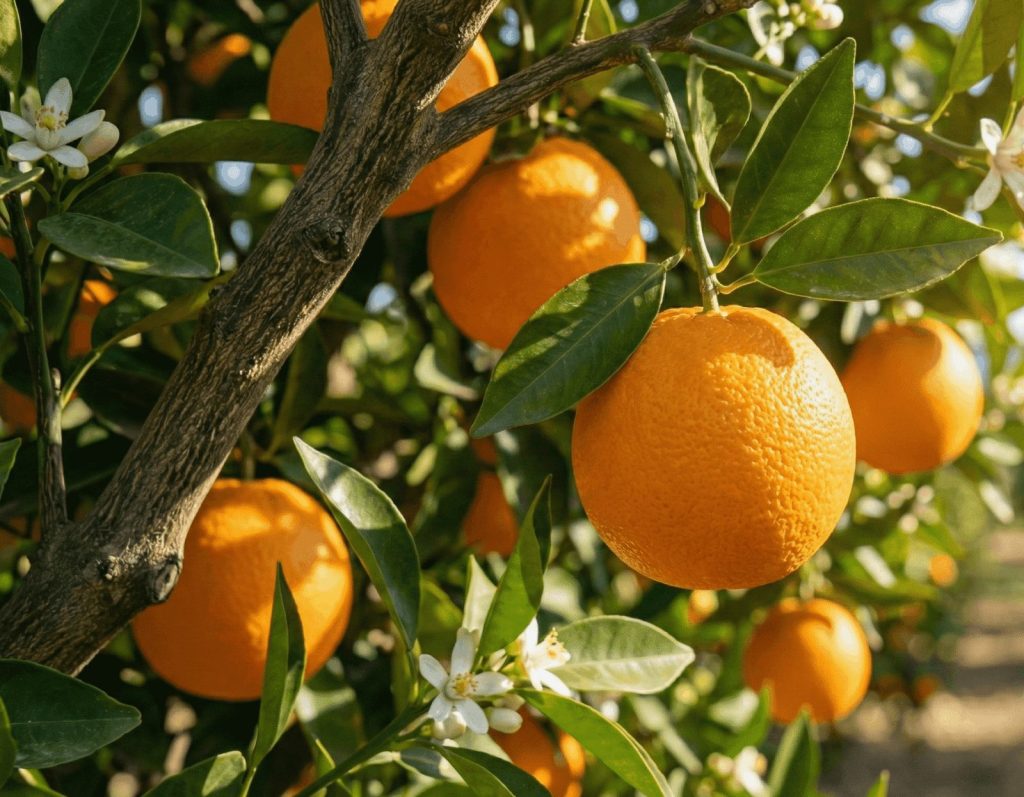
Orange citrus fruit and white blossoms on a branch

Navelina Orange

Navelina orange (Citrus sinensis) is an early navel orange, an Italian mutation of Washington Navel discovered in the early 20th century and widely grown in Spain. Its hardiness reaches 16°F (−9°C) on the tree, making it suitable for in-ground growing in USDA zones 8b and 9a. The vigorous tree reaches 10 to 16 ft (3 to 5 m) with a rounded habit, glossy evergreen foliage, and very fragrant white flowers in spring. Its bright orange, medium to large fruit, weighing 6.3 to 9.9 oz (180 to 280 g), with a well-marked secondary navel, thin skin that is easy to peel, and no seeds, ripen early (November to January) with juicy, sweet, low-acid, fragrant flesh. The best early table orange, ideal for the year-end holidays. Excellent fresh and as juice squeezed immediately (it oxidizes quickly). Graft onto Poncirus trifoliata and plant against a south-facing wall.

Scroll to Top