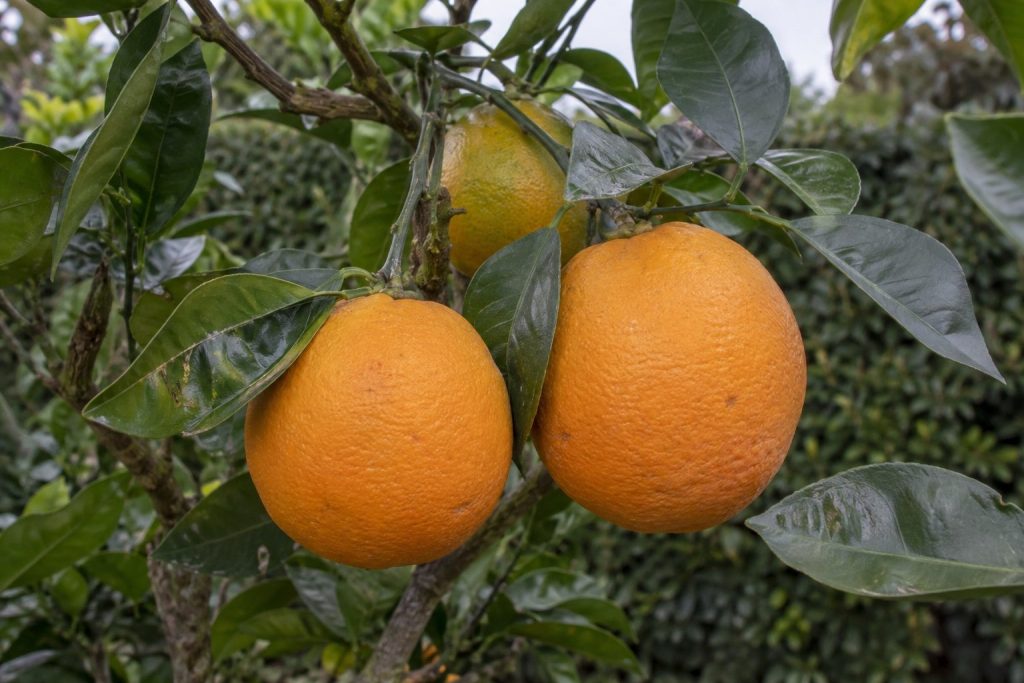
Amber Sweet
Origin: This citrus is the result of a complex hybridization carried out by the USDA in Florida (USA). It comes […]
What are you looking for?
Origin: This citrus is the result of a complex hybridization carried out by the USDA in Florida (USA). It comes […]
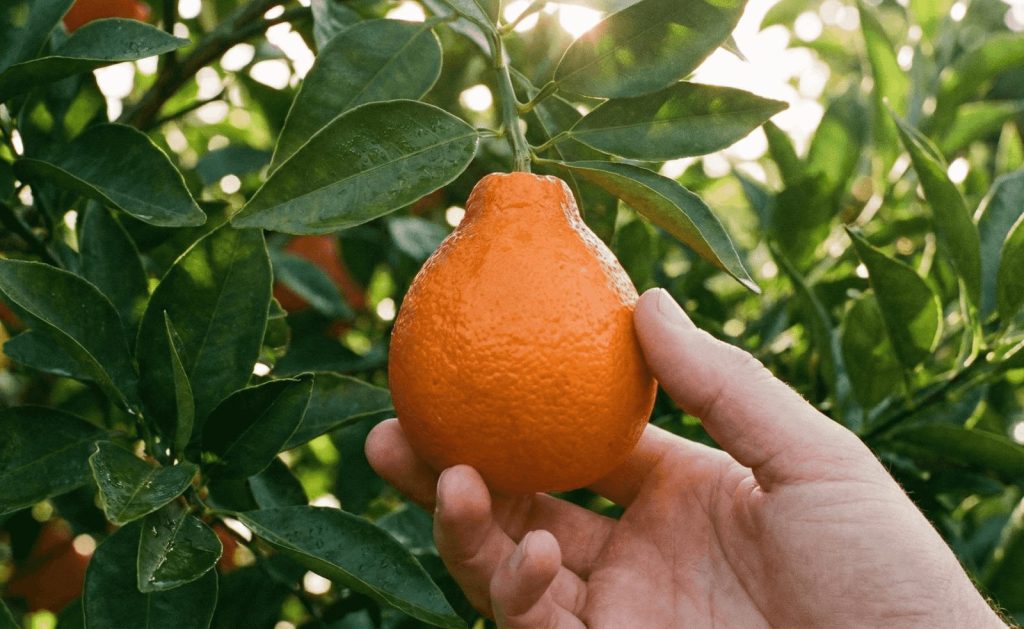
Dekopon Shiranui (Citrus × shiranui), also called Sumo Citrus, is a Japanese hybrid between a Kiyomi mandarin and a Ponkan mandarin, created in 1972 and popularized since for its large, sweet fruit. Its hardiness reaches 12°F (−11°C) on the tree, making it suitable for in-ground growing in USDA zones 8a and 8b. The vigorous tree reaches 10 to 13 ft (3 to 4 m) with an upright habit, evergreen foliage, and fragrant white flowers. Its very large, bright orange fruit, generally 7.1 to 10.6 oz (200 to 300 g), sometimes up to 14.1 oz (400 g), recognizable by their characteristic bump at the top (the ‘deko’), with thick, easy-to-peel skin, ripen from November to early spring depending on the climate and management, with typical maturity in February-March in Japan, and offer juicy, exceptionally sweet, low-acid, seedless flesh. A premium variety considered one of the best mandarins in the world. Graft onto Poncirus trifoliata, plant against a south wall, generous mulch in winter.
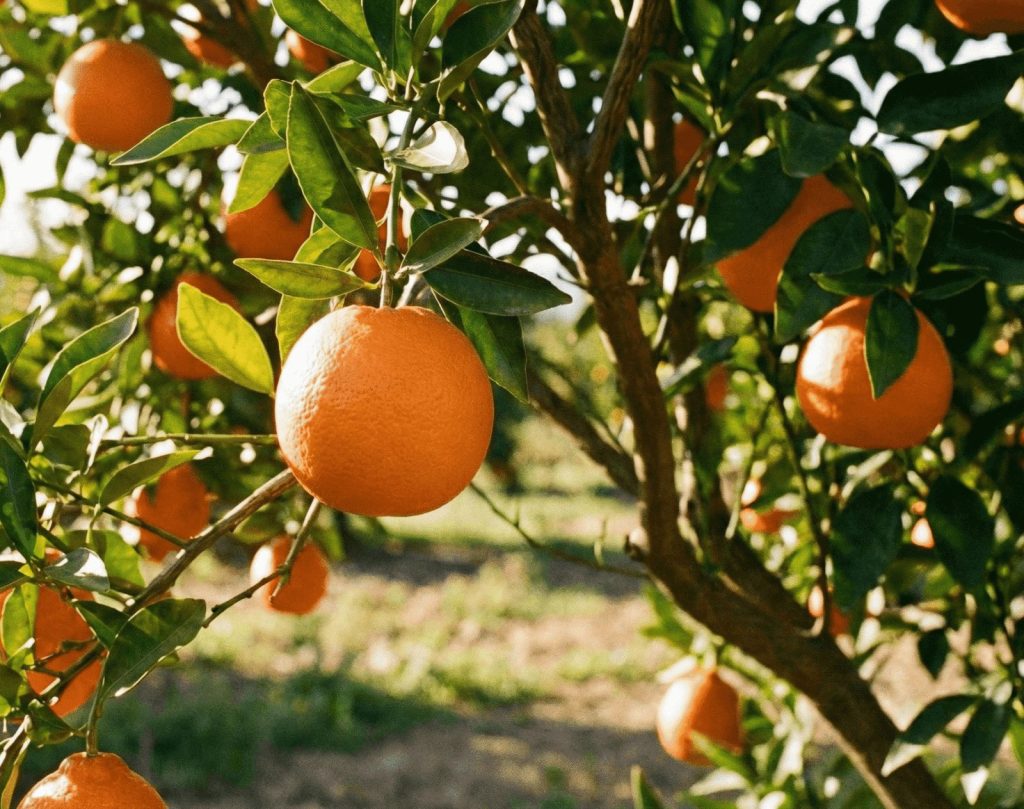
Origin: Mandanova is a modern, patented variety from the breeding program of the Agricultural Research Council (ARC) in South Africa. […]
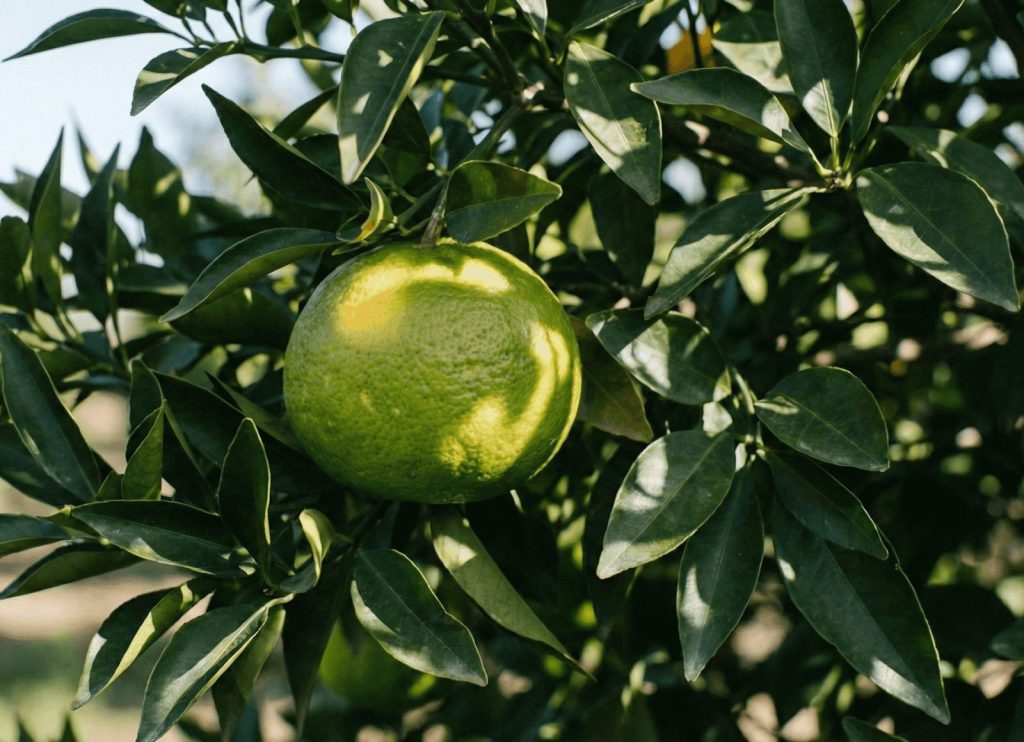
Keraji mandarin (Citrus reticulata ‘Keraji’) is an exceptionally hardy Japanese mandarin, withstanding 10°F (−12°C) on the tree. Native to the Okinawa archipelago and the island of Kikai, it was traditionally grown in coastal villages for centuries before being rediscovered by modern breeders. The compact tree reaches 7 to 10 ft (2 to 3 m) with a rounded habit and aromatic evergreen foliage. Its yellow-orange, flattened-round, small fruit, 1 to 2 in (3 to 5 cm), ripen in winter and have very easy-to-peel thin skin and juicy flesh with a taste balanced between sweetness and acidity, with subtle floral notes. Fragrant, with few or no seeds, it is eaten fresh for dessert or in salads. Graft onto Poncirus trifoliata to reach maximum hardiness. A rare and precious mandarin for USDA zone 7b/8a gardens.
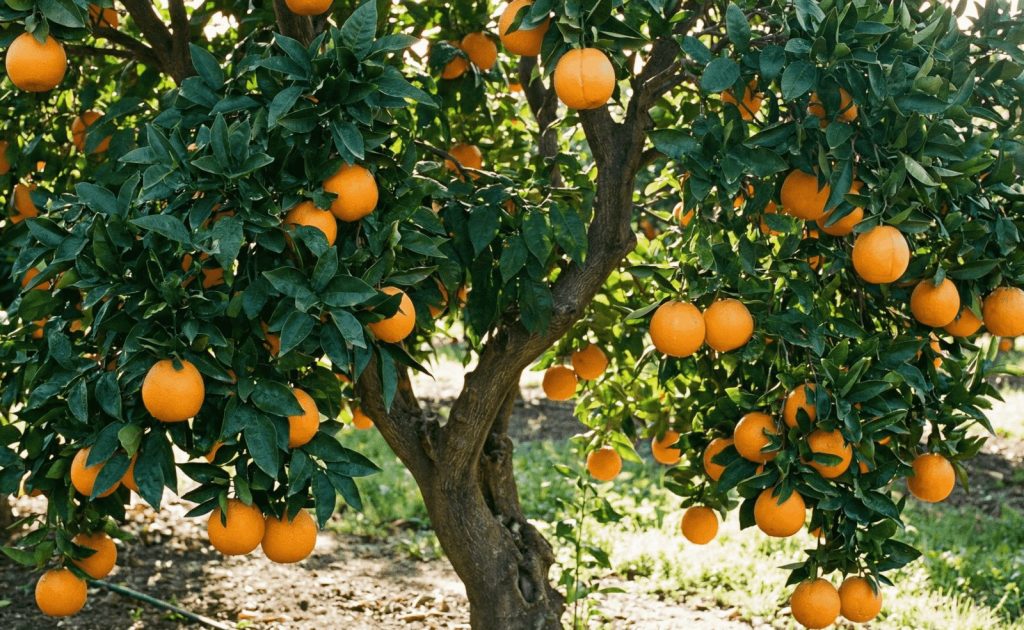
Fukumoto orange (Citrus sinensis ‘Fukumoto’) is a Japanese mutation of Washington Navel selected for its earliness and particularly intense external color. Its hardiness reaches 18°F (−8°C) on the tree, making it suitable for in-ground growing in USDA zones 8b and 9a. The compact tree reaches 8 to 13 ft (2.5 to 4 m) with a rounded habit, evergreen foliage, and fragrant white flowers in spring. Its deep red-orange, medium-sized fruit, with thin, easy-to-peel skin, seedless, ripen very early (November-December) with juicy, sweet flesh and a fragrance balanced between sweetness and acidity. Ideal for anyone who wants a Christmas orange grown in the ground in France. Graft onto Poncirus trifoliata to gain hardiness, plant against a south-southwest-facing wall, in well-drained soil. Harvest before the first severe frosts, which destroy the pulp.
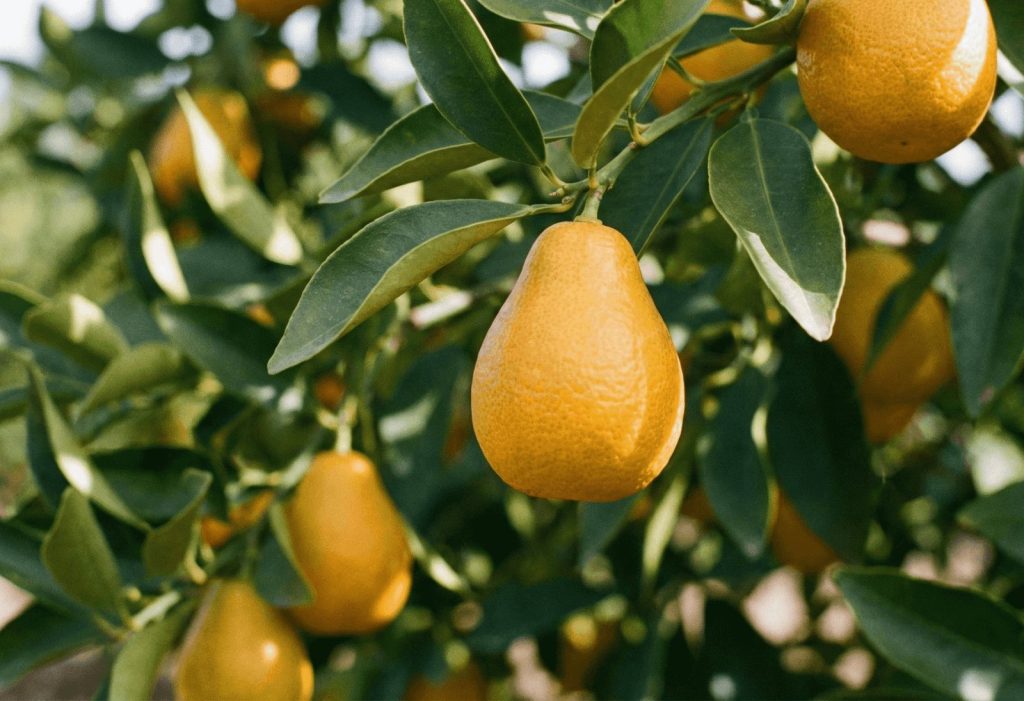
Thomasville citrangequat (Citrus × georgiana) is an exceptional triple hybrid combining kumquat, orange, and Poncirus trifoliata, selected in Georgia in the United States. Its hardiness reaches 7°F (−14°C) on the tree, making it suitable for in-ground growing in USDA zones 7b and 8a, among the hardiest citrus. The tree generally reaches 7 to 10 ft (2 to 3 m), sometimes up to 13 ft (4 m) depending on catalogs and training, with a rounded thorny habit, semi-evergreen foliage, and fragrant white flowers. Its small golden-orange fruit, 1.6 to 2 in (4 to 5 cm), with thin skin, ripen in fall and winter and concentrate a very fragrant sour juice with intense zest, excellent candied, in liqueur, or in marmalade. Its skin is edible like that of kumquats. The tree is very ornamental and suits in-ground growing as well as a large container on a terrace. Graft onto Poncirus trifoliata to maximize hardiness.
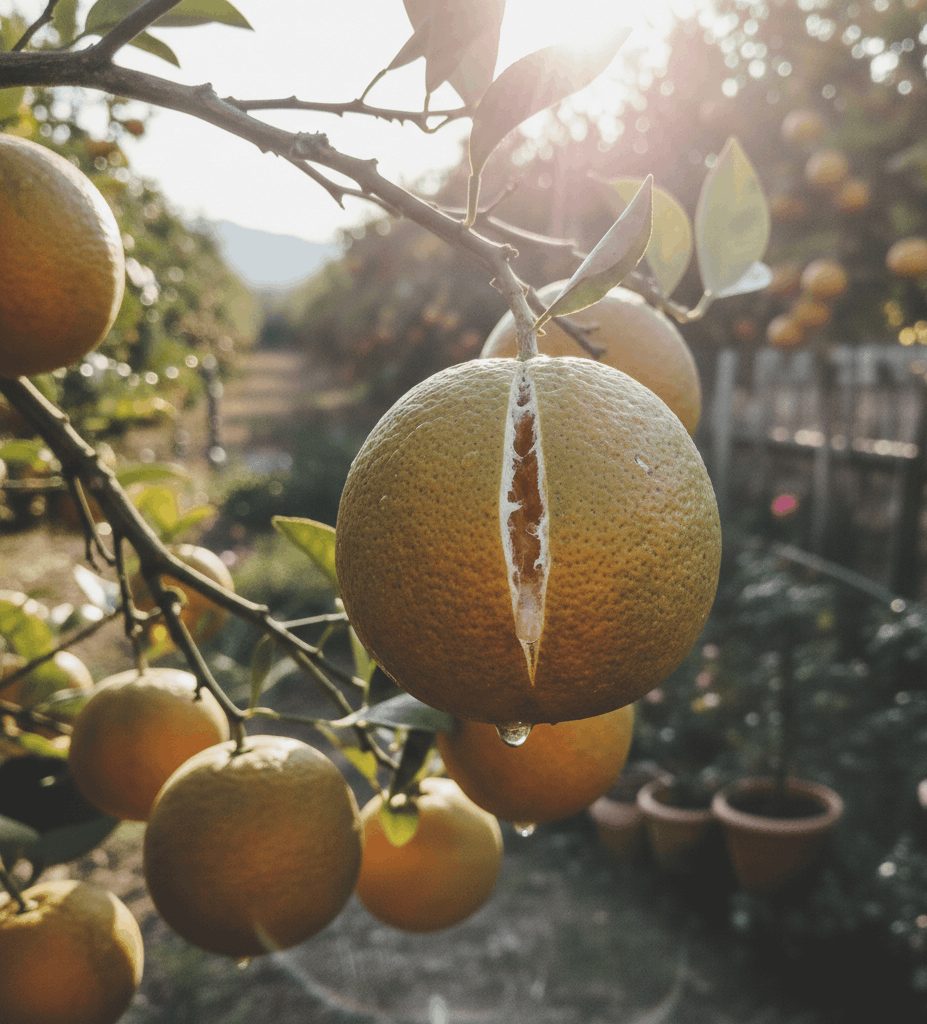
US-119 (Citrus hybrid ‘US 119’) is a complex American hybrid created by the USDA program, combining mandarin, grapefruit, and Poncirus trifoliata to produce a fruit pleasant to eat combined with great hardiness. Its hardiness reaches 7°F (−14°C) on the tree, among the hardiest citrus in the inventory, making it suitable for in-ground growing as far as USDA zones 7b and 8a. The tree reaches 10 to 13 ft (3 to 4 m) with an upright, semi-thorny habit, evergreen foliage, and fragrant white flowers. Its bright orange, medium to large fruit, with thin, easy-to-peel skin and few seeds, ripen in winter and offer juicy, sweet, fragrant flesh, among the most pleasant of the ultra-hardy citrus, without marked residual bitterness. Grown in the vineyards of northern California as a productive supplementary citrus. Graft onto Poncirus trifoliata, plant against a south-facing wall, in well-drained soil.
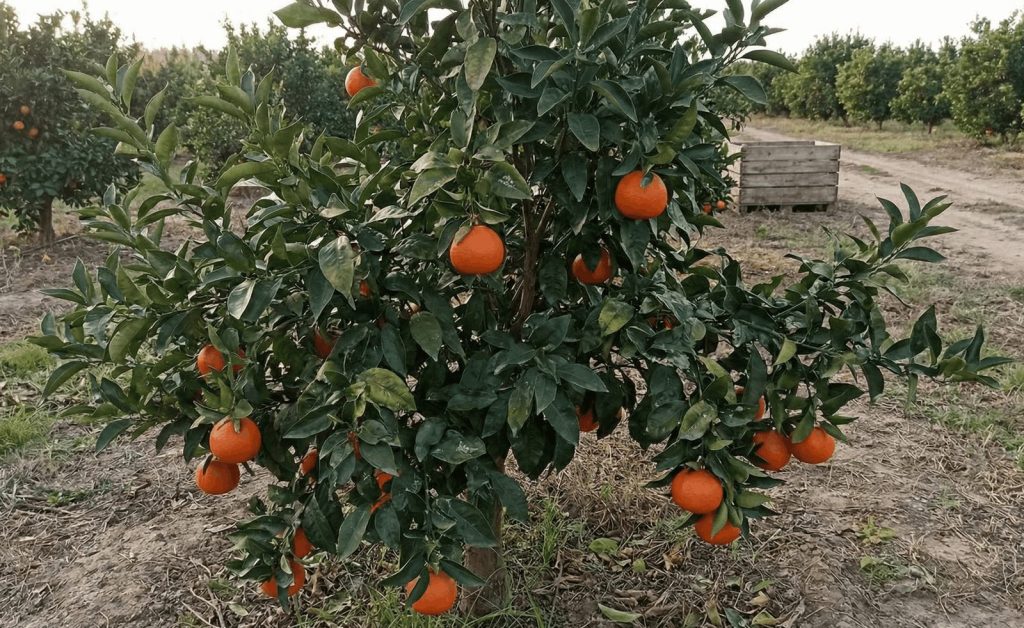
Orogros clementine (Citrus clementina ‘Orogros’) is a Corsican clementine selection produced in Corsica and Spain, recognized for its above-average size and pronounced sweetness. Its hardiness reaches 18°F (−8°C) on the tree, making it suitable for in-ground growing in USDA zones 8b and 9a. The tree reaches 7 to 13 ft (2 to 4 m) with a spreading, weeping habit, evergreen foliage, and abundant fragrant white flowers. Its bright orange, large fruit, with thin, easy-to-peel skin, ripen in September-October in a Mediterranean climate and offer juicy, very sweet, low-acid, seedless flesh. One of the most appreciated clementines for fresh eating, perfect for children and for dessert, as well as for juice and sorbet. Graft onto Poncirus trifoliata for in-ground growing in France. Plant against a south-facing wall, in well-drained soil, with generous winter mulch. Harvest before the first severe frosts.
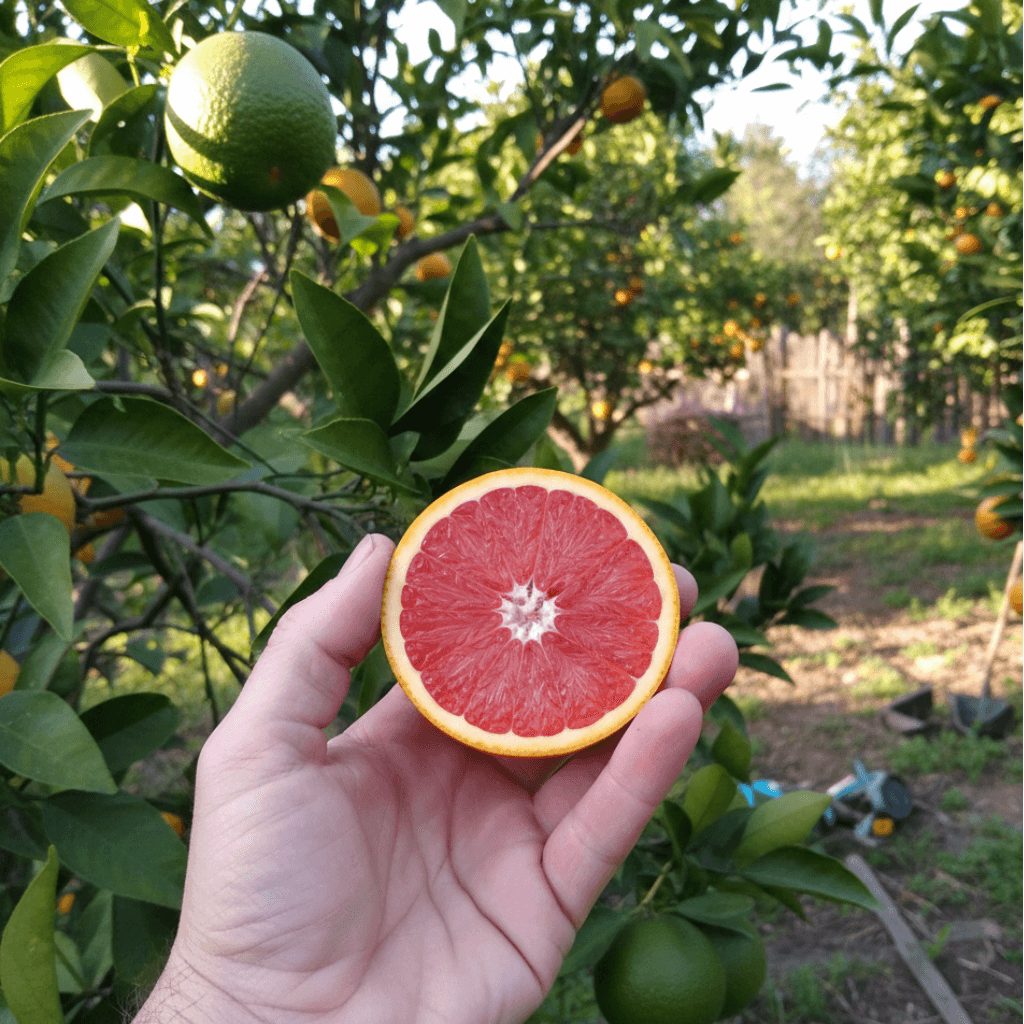
Cara Cara orange (Citrus sinensis ‘Cara Cara’) is a natural mutation of Washington Navel discovered in Venezuela in 1976, famous for its pink-red flesh due to the presence of lycopene. Its hardiness reaches 14°F (−10°C) on the tree, slightly higher than that of Washington Navel, making it suitable for in-ground growing in USDA zone 8b. The vigorous tree reaches 10 to 16 ft (3 to 5 m) with a rounded habit, evergreen foliage, and fragrant white flowers. Its bright orange, medium to large fruit, easy to peel and seedless, ripen mainly from December to February, with possible holding on the tree until May, and have intense pink to red flesh, sweet and low in acidity, with notes of strawberry and rose. Excellent fresh, as juice (spectacular color), in salads, or as sorbet. Graft onto Poncirus trifoliata for hardiness. Plant against a south-facing wall, in well-drained soil, with winter mulch.
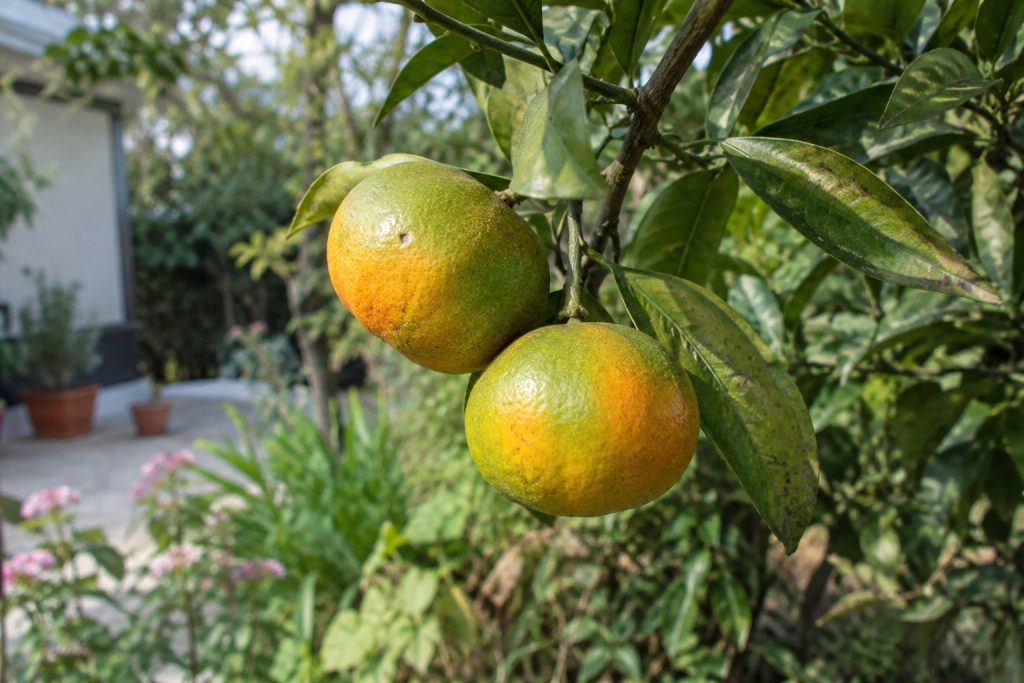
Iwasaki satsuma mandarin (Citrus unshiu ‘Iwasaki’) is an early Japanese satsuma selection, recognized for the quality of its flesh and its earlier ripening compared with other satsumas. Its hardiness reaches 10°F (−12°C) on the tree, making it suitable for in-ground growing in USDA zone 8a, among the hardiest mandarins in the world. The tree reaches 7 to 10 ft (2 to 3 m) with a spreading, weeping habit, evergreen foliage, and fragrant white flowers. Its bright orange, medium-sized fruit, weighing 2.8 to 4.2 oz (80 to 120 g), seedless, with very easy-to-peel thin skin, are harvested from September, even late August in the warmest regions, then in October depending on the climate, and offer particularly juicy, sweet, low-acid, fragrant flesh. The ideal early satsuma for regions where winter arrives early (continental zone 8a). Excellent fresh, as juice, and as sorbet. Graft onto Poncirus trifoliata, south wall.