Fresh eating

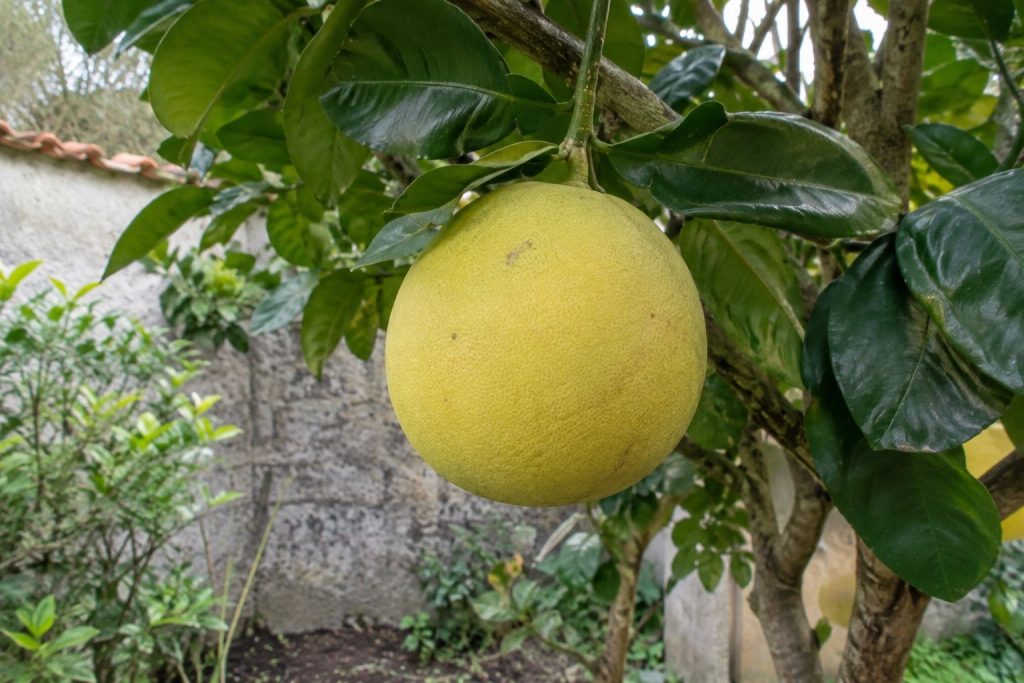
A large pale yellow citrus fruit on a leafy branch

Honghe Papeda

The Honghe Papeda (Citrus × honghe), a hybrid between the Ichang papeda and an edible citrus, is a Chinese selection from Yunnan Province, where it grows at mid-elevation. Its hardiness reaches 10°F (−12°C) on the tree, making it suitable for in-ground growing in USDA zones 7b and 8a. The vigorous tree reaches 16 to 20 ft (5 to 6 m) for the material described by Pépinière du Bosc, with an upright, thorny habit, evergreen foliage with the large winged petiole characteristic of papedas, and fragrant white spring blossom. Its yellow-green, very large fruits (1.3 to 2.2 lb, or 600 g to 1 kg, according to Pépinière du Bosc), with bumpy skin, ripen from December to March according to Pépinière du Bosc and hold a slightly tart, aromatic juice, described as balanced and pleasant in the mouth by Pépinière du Bosc. Used mainly in traditional Chinese cooking and by collectors of old citrus. Graft onto Poncirus trifoliata for maximum hardiness.
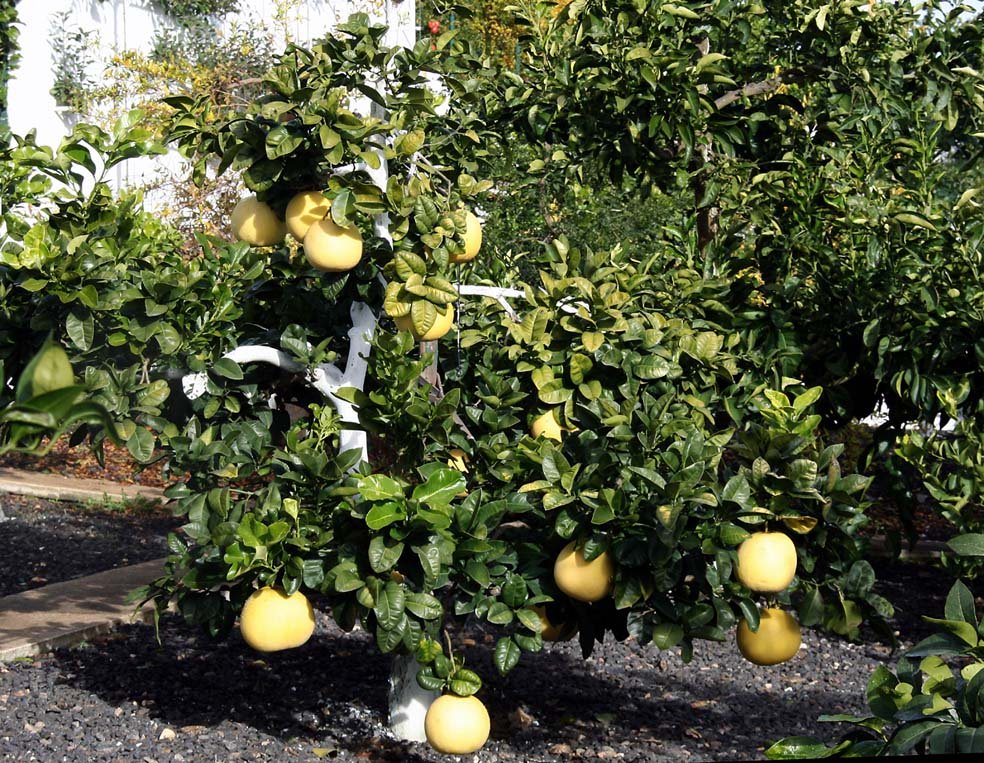
A citrus tree bearing large pale yellow fruit

Hirado Buntan Pummelo

The Hirado Buntan Pummelo (Citrus maxima ‘Hirado Buntan’) is an old Japanese pummelo variety grown for centuries on Hirado Island in Nagasaki Prefecture, considered one of the best pummelos in the world for its sweetness. Its hardiness reaches 12°F (−11°C) on the tree, among the hardiest pummelos, making it suitable for in-ground growing in USDA zones 8a to 8b. The vigorous tree reaches 13 to 20 ft (4 to 6 m) with an imposing rounded habit, glossy evergreen foliage, and very fragrant white blossom. Its golden yellow, very large fruits (14 to 28 oz, or 400 to 800 g), with thick skin, ripen in winter and offer juicy, sweet, low-acid, pinkish-white flesh that is exceptionally fragrant. Excellent for fresh eating and refined fruit salad. A variety for lovers of sweet pummelos. Graft onto Poncirus trifoliata, plant against a south-facing wall, in well-drained soil.

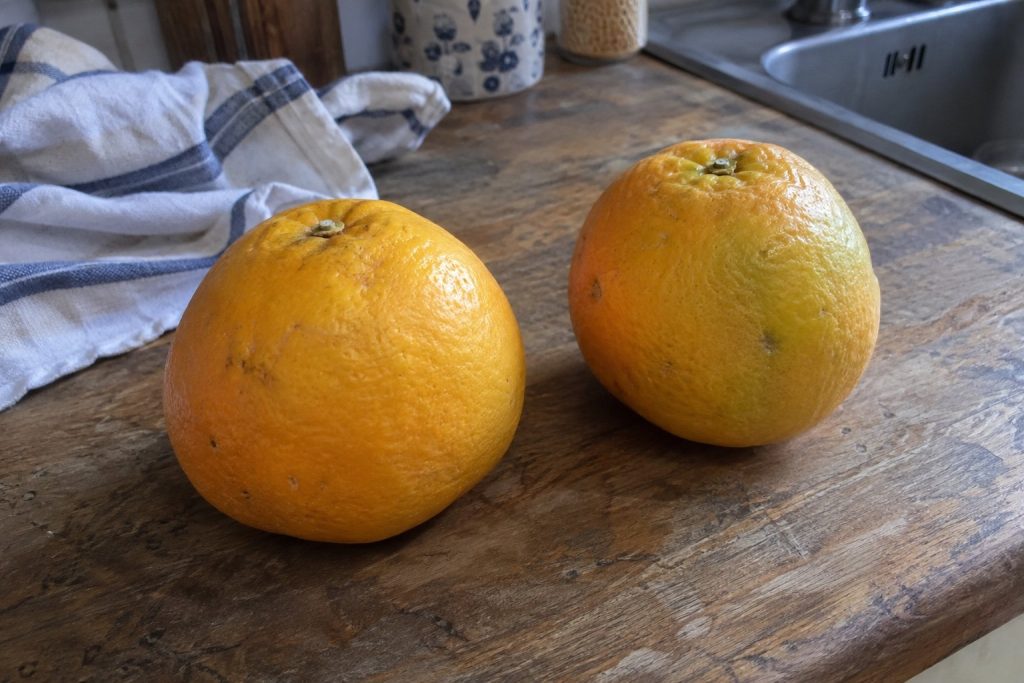
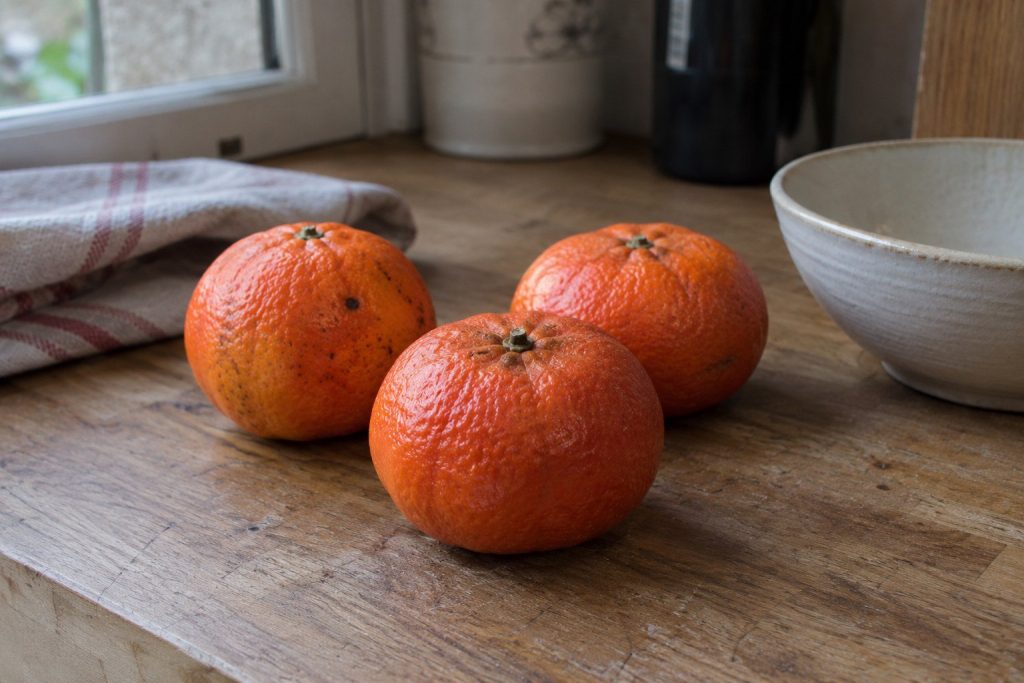
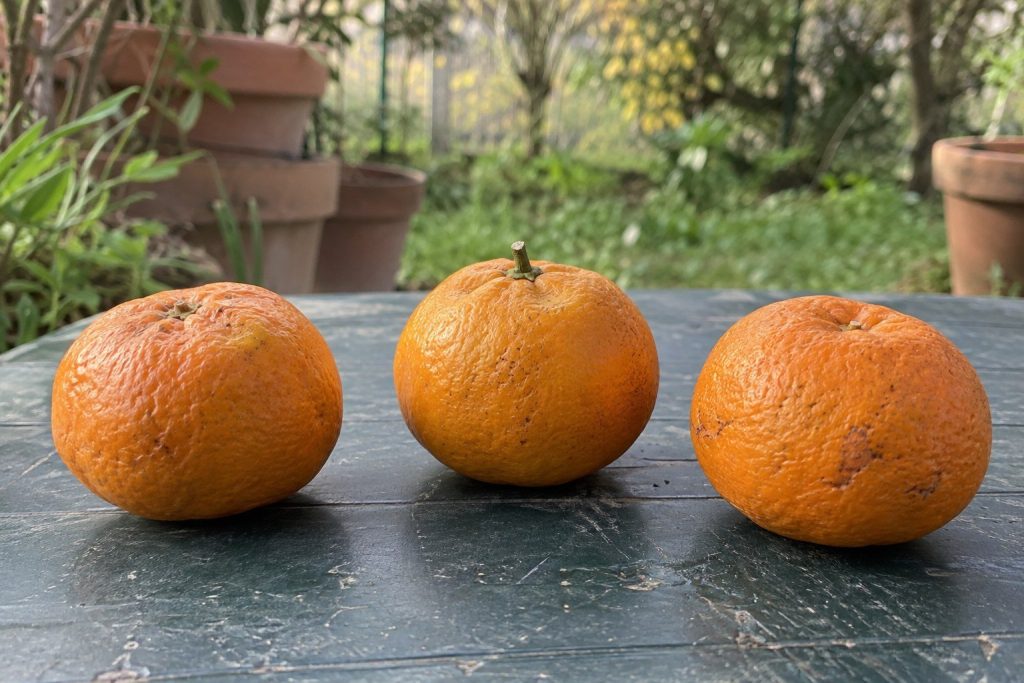
Three rough orange citrus fruit on a garden table

899K Voss Mandarin

The 899K Voss Mandarin (Citrus reticulata ‘Changsha’ × Poncirus trifoliata) is a remarkable hybrid created by the German breeder Bernhard Voss, crossing the ultra-hardy Changsha mandarin with Poncirus trifoliata to produce a mandarin viable in the continental European climate. Its hardiness reaches 9°F (−13°C) on the tree, among the hardiest mandarins in the world, making it suitable for in-ground growing up to USDA zone 7b. The tree reaches 6.5 to 10 ft (2 to 3 m) with an upright, semi-thorny habit, semi-evergreen foliage, and fragrant white blossom in spring. Its orange, small-to-medium fruits (3 to 4 oz, or 80 to 120 g), with easy-to-peel skin, are used in cooking from November and December, then reach maturity for fresh eating from February, with tart, fragrant flesh and a slight residual bitterness from the Poncirus. A reference variety in German hardy breeding programs. Graft onto Poncirus trifoliata.

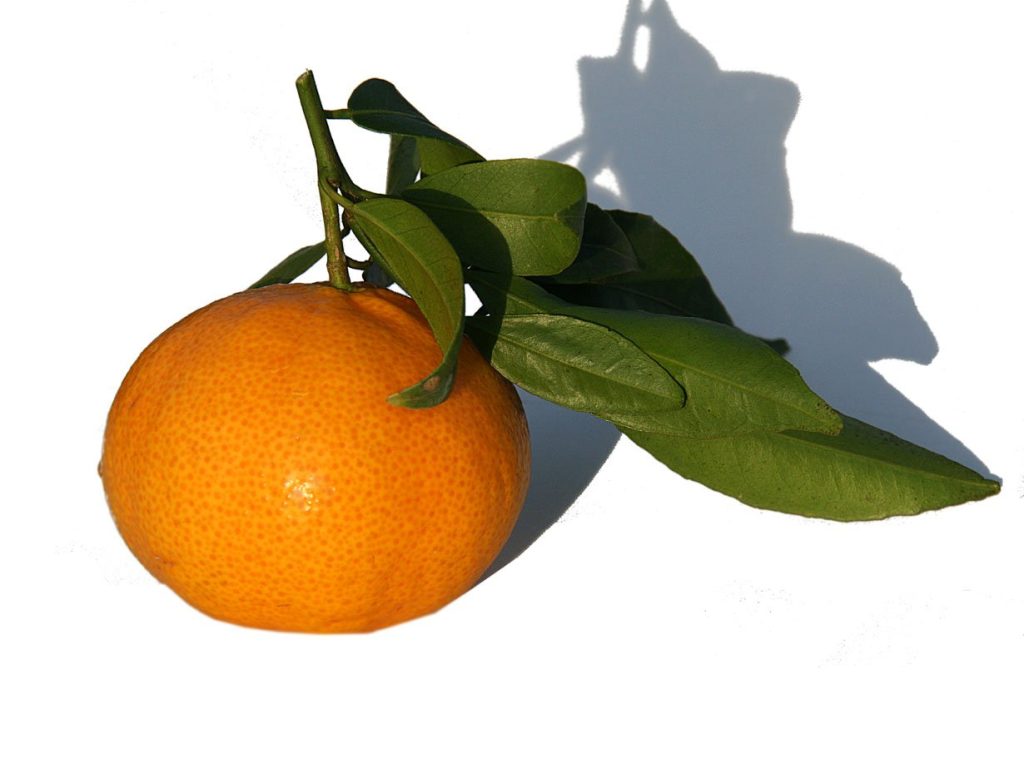
An orange citrus fruit with attached leaves on a white background

Encore Mandarin

The Encore Mandarin (Citrus reticulata ‘Encore’) is a modern hybrid between the King mandarin and the Mediterranean mandarin, famous for its very long harvest season, which can stretch from March to May. Its hardiness reaches 14°F (−10°C) on the tree, making it suitable for in-ground growing in USDA zones 8a to 8b. The tree reaches 10 to 13 ft (3 to 4 m) with an upright habit, evergreen foliage, and fragrant white blossom. Its bright orange, medium-sized fruits (5 to 7 oz, or 150 to 200 g), with thin, easy-to-peel skin, ripen very late (March to May) with very juicy, sweet, low-acid, fragrant flesh, extending the season after the early satsumas and clementines. A few seeds. Ideal for spreading out production and having fresh mandarins in spring. Excellent for fresh eating and juice. Graft onto Poncirus trifoliata.

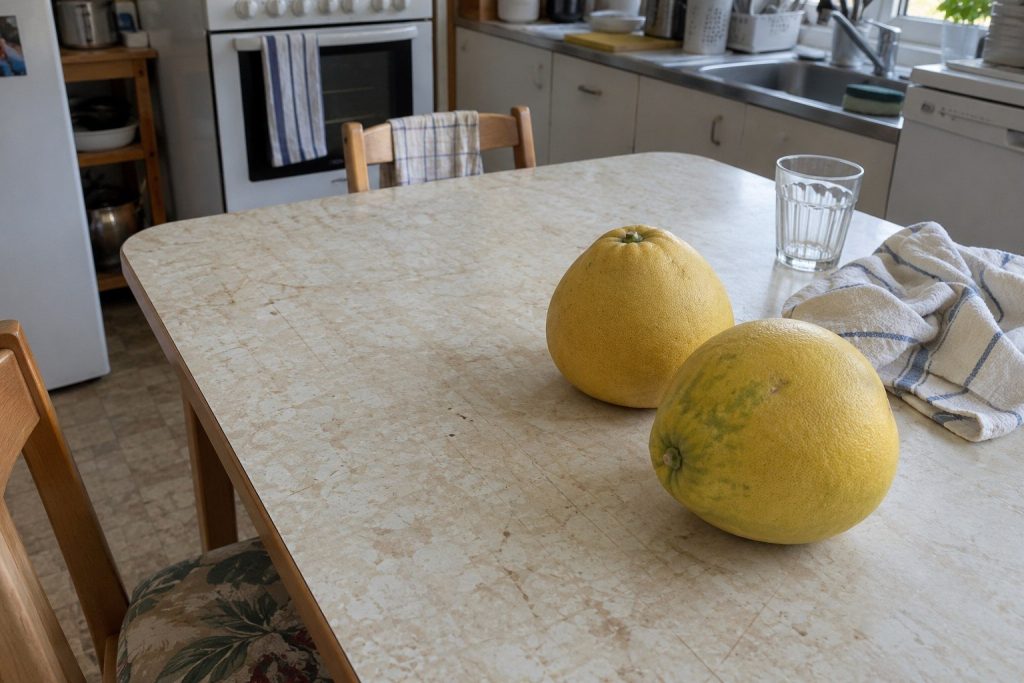
Two large pale yellow citrus fruit on a kitchen island

Jokan Grapefruit

The Jokan Grapefruit (Citrus × jokan) is the hardiest grapefruit in the world, native to Japan, where it was selected in the southern regions to combine respectable size and cold resistance. Its hardiness reaches 7°F (−14°C) on the tree, among the hardiest citrus in the inventory, making it suitable for in-ground growing up to USDA zones 7b and 8a. The vigorous tree reaches 10 to 16 ft (3 to 5 m) with a rounded habit, glossy evergreen foliage, and fragrant white blossom. Its bright orange, medium-to-large fruits (7 to 12 oz, or 200 to 350 g), with thick skin, ripen in winter and offer sweet, slightly tart flesh, less bitter than classic grapefruits, particularly pleasant fresh in a winter fruit salad. The ideal grapefruit for producing in a cold temperate climate. Graft onto Poncirus trifoliata, south wall.

A whole yellow citrus fruit and a cut half

Marunero Grapefruit

The Marunero Grapefruit (Citrus obovoidea ‘Marunero’) is a hardy Japanese grapefruit from the southern archipelago, selected for its adaptation to cooler climates than classic Mediterranean grapefruits. Its hardiness reaches 7°F (−14°C) on the tree, among the hardiest grapefruits in the world, making it suitable for in-ground growing in USDA zones 7b and 8a. The tree reaches 10 to 16 ft (3 to 5 m) with a vigorous rounded habit, evergreen foliage, and very fragrant white blossom. Its golden yellow, large fruits (9 to 14 oz, or 250 to 400 g), with thick, rough skin, ripen in winter and offer sweet, juicy, slightly tart and fragrant flesh, milder than most grapefruits. Excellent for fresh eating, juice, and winter fruit salad. Graft onto Poncirus trifoliata, plant against a south-facing wall.

Two orange citrus fruit on a kitchen board

Kinkonshui

Kinkonshui (Citrus × kinkonshui) is a rare hybrid obtained and selected in France by Sébastien B. from Japanese parents, to combine hardiness and fruit quality. Its hardiness reaches 7°F (−14°C) on the tree, making it suitable for in-ground growing in USDA zones 7b and 8a. The tree reaches about 16 ft (5 m) according to Pépinière du Bosc, with a compact rounded habit, aromatic evergreen foliage, and fragrant white blossom in spring. Its yellow-orange, rather large fruits (an indicative benchmark of 5 to 9 oz, or 150 to 250 g, is used in this entry), with thin skin, ripen in winter and give a tart, fragrant juice with complex notes blending mandarin and yuzu. A few seeds. A rare French selection grown mainly by collectors of citrus with Japanese ancestry. Graft onto Poncirus trifoliata for maximum hardiness, plant against a south-facing wall, in well-drained soil. An obscure citrus for enthusiasts of rare selections.

Three reddish-orange citrus fruit on a kitchen board

Dobashi Beni Satsuma Mandarin

The Dobashi Beni Satsuma Mandarin (Citrus unshiu ‘Dobashi Beni’) is a Japanese satsuma selection with an intense red outer color, especially decorative and early. Its hardiness reaches 10°F (−12°C) on the tree, making it suitable for in-ground growing in USDA zone 8a. The tree reaches 6.5 to 10 ft (2 to 3 m) with a spreading, weeping habit, evergreen foliage, and fragrant white blossom in spring. Its deep red-orange, medium-sized fruits (3.5 to 5.5 oz, or 100 to 150 g) are seedless, with thin, very easy-to-peel skin, and ripen from October to December in Riverside according to UCR, with juicy, sweet, low-acid flesh identical in taste quality to the classic Owari. Highly ornamental thanks to its distinctive color. Excellent for fresh eating, juice, and sorbet. Ideal for landscape gardens where the beauty of the fruit matters as much as production. Graft onto Poncirus trifoliata, plant against a south-facing wall.

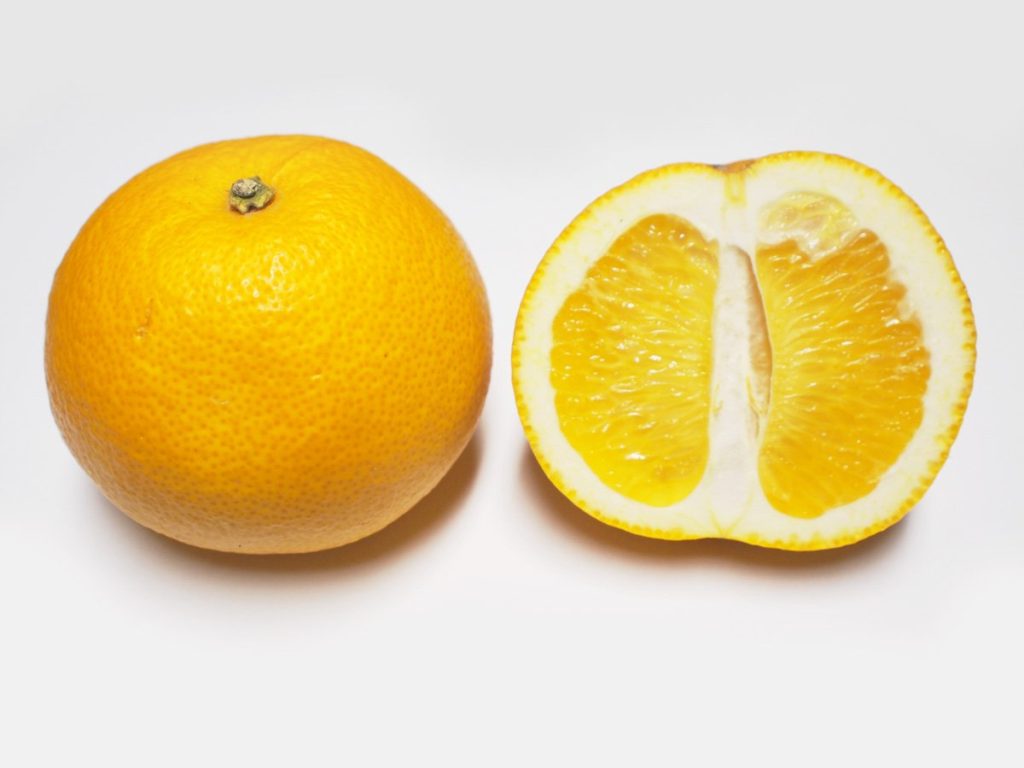
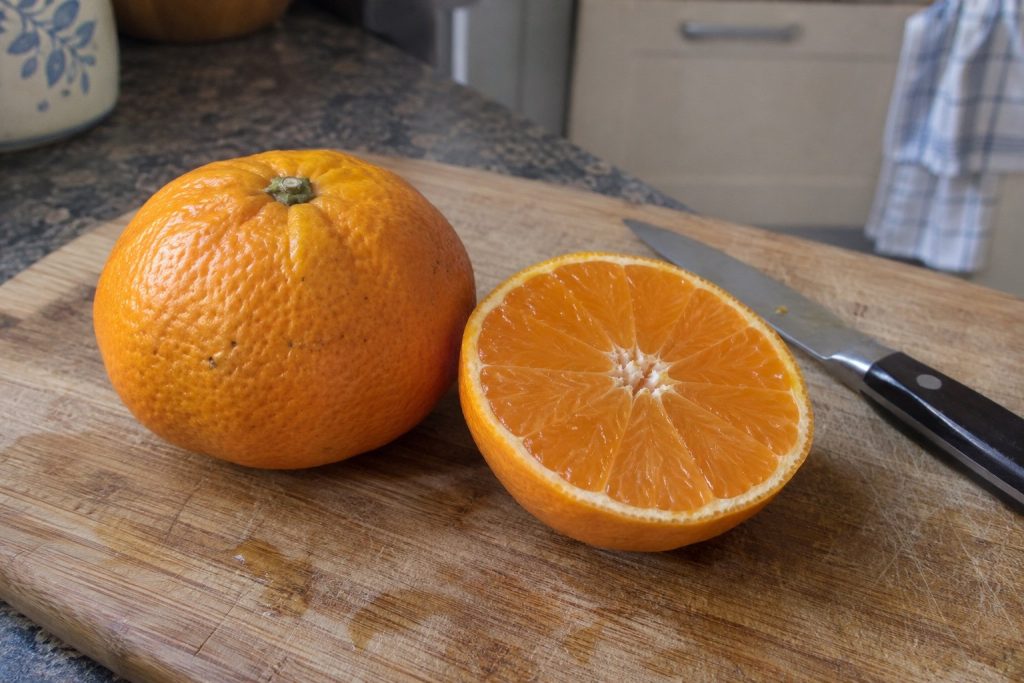
A whole orange citrus fruit and cut half on a kitchen board

Kiyomi Tangor

Kiyomi (Citrus × kiyomi), a hybrid between the Miyagawa satsuma and the Trovita orange, is an emblematic Japanese variety created in 1949 at the Okitsu institute. It is considered the founding parent of many premium Japanese mandarins (Setoka, Harumi, Shiranui). Its hardiness reaches 14°F (−10°C) on the tree, making it suitable for in-ground growing in USDA zones 8a to 8b. The tree reaches 8 to 10 ft (2.5 to 3 m) with a rounded habit, evergreen foliage, and fragrant white blossom. Its bright orange, medium-to-large fruits (6 to 9 oz, or 180 to 250 g) have thin skin that is moderately easy to peel and ripen from January to March, with very juicy, sweet, low-acid flesh and a flavor balanced between satsuma and sweet orange. Excellent fresh and for juice. A historic Japanese reference. Graft onto Poncirus trifoliata.

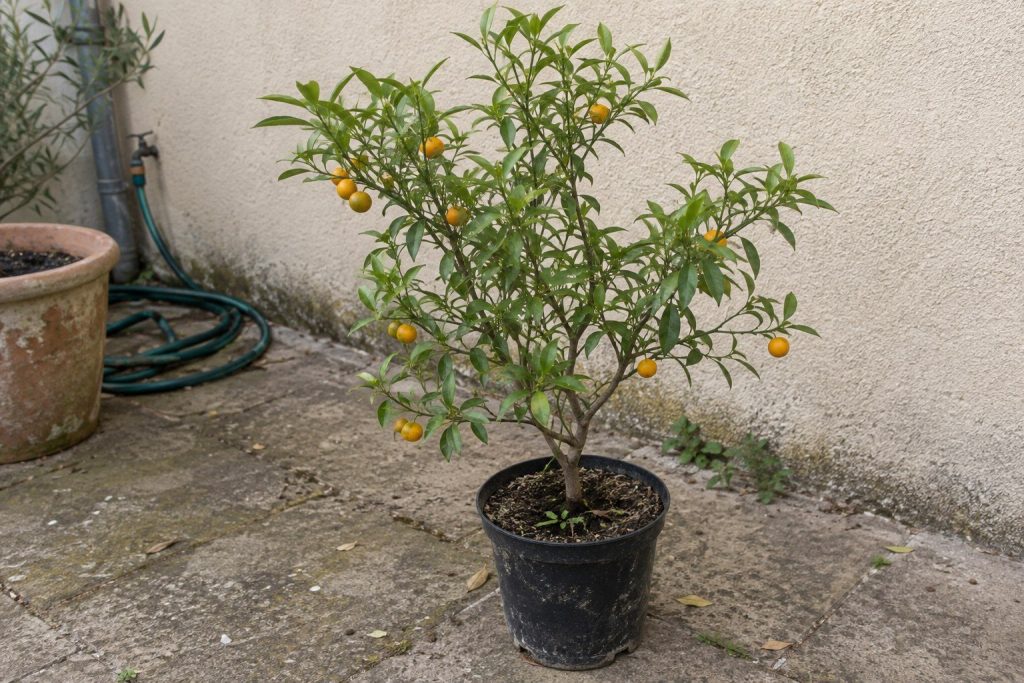
A small citrus plant bearing yellow fruit in a nursery pot

Procimequat

Origin: Procimequat is an extremely rare citrus hybrid, the result of an experimental program led by Eugene May within the […]

Scroll to Top