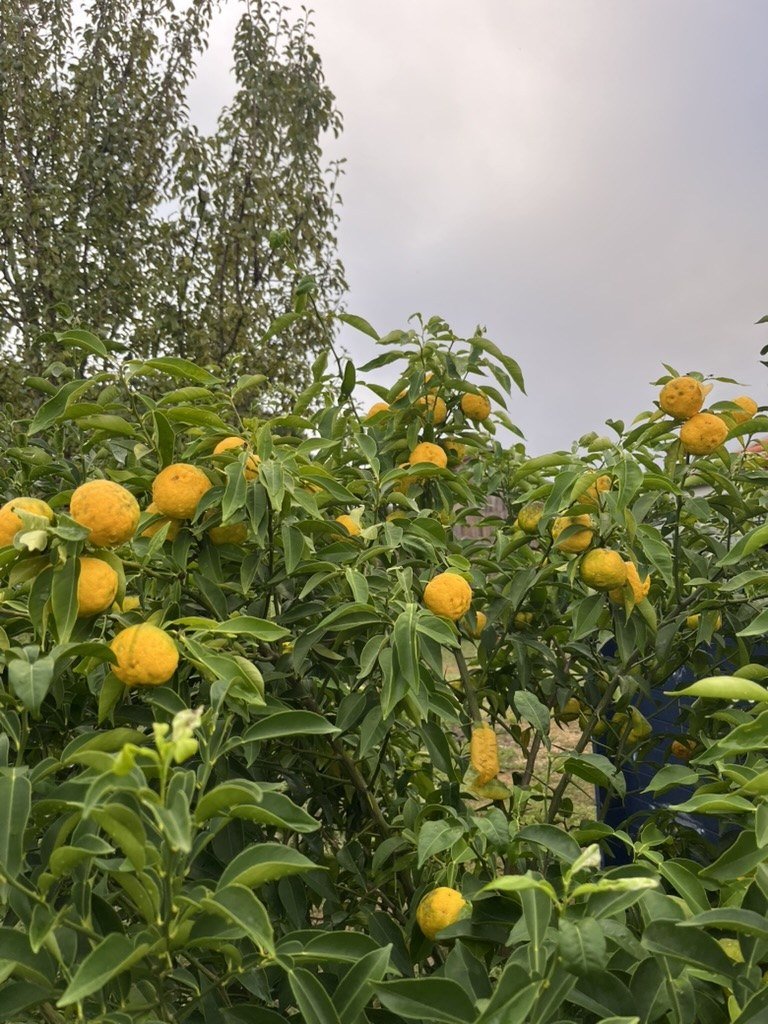
Yuzu tops this top 10 for its fragrance and the variety of its uses. The Meyer lemon is my pick for everyday cooking, sudachi for seasoning fish, and bitter orange for a bitter orange marmalade. Eremorange also deserves a special place for jam.
Growing citrus for cooking changes the way you look at a harvest. A small fruit can perfume a whole cake; a bitter peel can become a marvel on toast. The pleasure comes as much from the zest and the juice as from the pulp.
Here are ten citrus to choose from according to what you like to prepare: sauces, desserts, drinks, candied fruit, or jams. The ranking favors flavor interest, versatility, and documented uses. Levels of cold hardiness vary: the Meyer and the limequat, in particular, need more protection than the hardiest citrus in the selection.
What are the best hardy citrus for cooking?
Yuzu and Meyer are the top two choices for varying your preparations. Sudachi and kabosu are particularly suited to seasoning. For turning a harvest into jam, Nagami, bitter orange, and Eremorange offer three very different approaches.
| Rank | Citrus | What makes it interesting | Use first | Preparations to explore |
|---|---|---|---|---|
| 1 | Yuzu | An expressive fragrance, in savory and sweet dishes alike | Zest and juice | Ponzu, custards, cakes, marmalade |
| 2 | Meyer lemon | Juice and a thin peel with a distinct fragrance | Juice and zest | Tarts, sauces, vinaigrettes, syrups |
| 3 | Ichanglemon | A large fruit to use as a kitchen citrus | Strained juice | Drinks, sauces, tart desserts |
| 4 | Sudachi | A fresh fragrance and a seasoning-type acidity | Juice and zest of the green fruit | Fish, noodles, mushrooms |
| 5 | Kabosu | An acidity described as milder | Juice and zest | Broths, sauces, grilled dishes, drinks |
| 6 | Nagami kumquat | The contrast between sweet peel and tart pulp | Fruit with its peel | Candied fruit, chutneys, marmalade |
| 7 | Bitter orange | The bitterness and fragrance of bitter orange | Peel and juice | Marmalade, candied peel |
| 8 | Eremorange | A particularly interesting discovery for jam | Pulp and peel, in measured amounts | Jam, dessert topping |
| 9 | Hana Yuzu | A small, very sour fruit with a lemony taste | Strained juice, zest to try | Sauces, drinks, small aromatic touches |
| 10 | Tavares limequat | A cultivable alternative to the lime, with the kumquat’s edible peel | Juice and whole fruit | Marinades, drinks, tarts, candied fruit |
How this ranking was built. The order expresses an editorial choice, with no numerical scores and no comparative tasting of all ten fruits. The descriptions draw on botanical collections, Japanese agencies, and, for Eremorange, specialist growers. I have tasted the Ichanglemon and found it good. The dish ideas offered here are ideas for cooking your harvest; traditional uses are flagged and sourced.
The top 10 citrus for cooking
1. Yuzu, first choice for fragrance
Yuzu is the best starting point if you are looking for a citrus that can give identity to a sauce as well as a dessert. Its appeal comes from how the juice and the peel complement each other: one brings the acidity, the other a large share of the fragrance.
JETRO, the Japanese trade promotion organization, documents uses of the zest on fish, in garnishes and marmalades, as well as its use in pastry. It also distinguishes green yuzu from yellow yuzu: the latter yields more juice. Source: JETRO, culinary uses of yuzu.
To begin, try a few strips of zest in a custard, a cake, or a vinaigrette. On the savory side, a ponzu-style sauce lets you pair the juice with soy sauce. Take the zest first, then squeeze the fruit: a small harvest can then serve several preparations.
The detail to remember: do not try to swap a lemon for a yuzu in equal amounts in every dish. Adjust the fragrance and the acidity separately. To grow it, see the yuzu profile and the guide from planting to harvest.
2. Meyer lemon, for everyday cooking
The Meyer takes second place for its versatility: its juice and zest slip easily into lemon recipes. The University of California, Riverside collection describes a thin peel, very juicy flesh, and a distinct, appreciated aroma. It also specifies that the fruit remains acidic. Source: UC Riverside, Meyer lemon.
A tart, a lemon curd, a vinaigrette, or a syrup are good ways to discover this profile. In a butter or olive oil sauce, add the juice gradually, then a little zest if you want to strengthen the fragrance.
Its high ranking comes from how easily a whole harvest can be put to use. It is still worth tasting the juice before adjusting a recipe’s proportions: two fruits of different sizes do not yield the same amount, and their acidity cannot be judged by the color of the skin.
For the garden: the Meyer belongs to the group of choices that need more protection from frost. Its culinary value fully justifies growing it in a pot in cool regions. See the Meyer lemon profile.
3. Ichanglemon, for juice and tart preparations
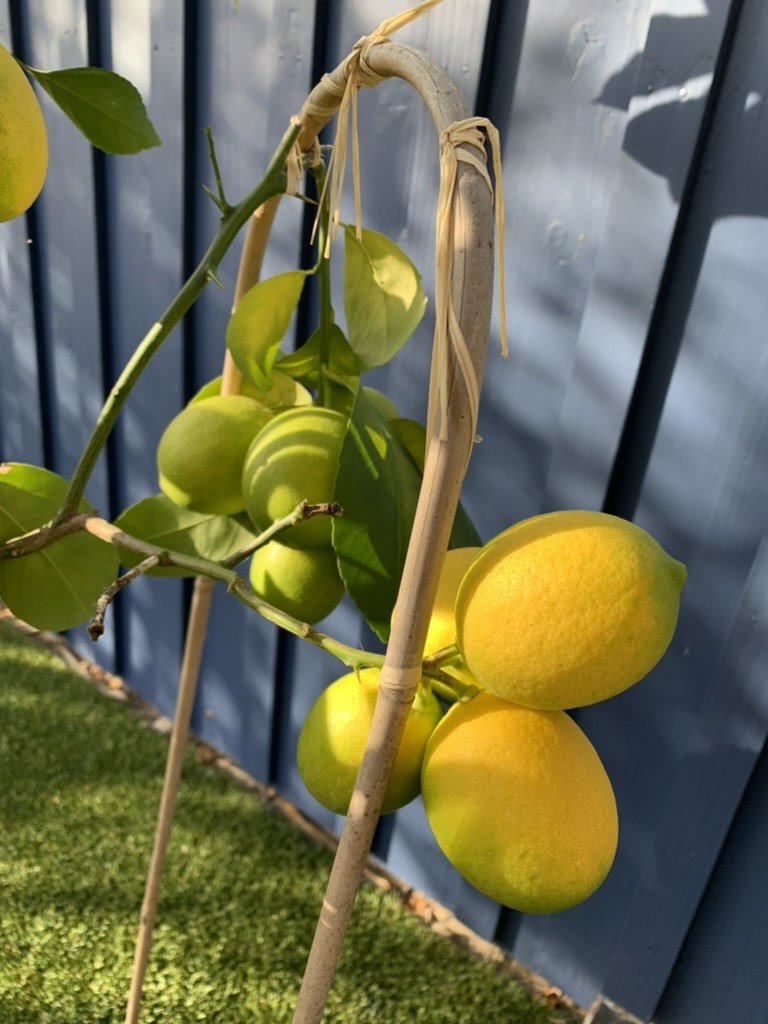
Ichanglemon deserves a good place when you are looking for a kitchen citrus to squeeze. Also found under the names Ichang Lemon or Shangyuan, it is described by Riverside as a fruit whose juice has historically been appreciated as a drink. It is also a citrus I have tasted and found good. Source: UC Riverside, Ichang lemon.
I would use it for a lemonade, a sauce, or a dessert where you want to use citrus juice. The first trial can be very simple: water, strained juice, and sugar adjusted to taste. This lets you get to know the fruit before working it into a more elaborate preparation.
Its main practical point is the number of seeds. The accession described by Riverside carries many, and they are large. Squeeze without crushing them, then strain. A big fruit is not necessarily a big volume of usable juice.
For its identity and growing conditions, see the Ichanglemon profile.
4. Sudachi, for fish and fresh seasonings
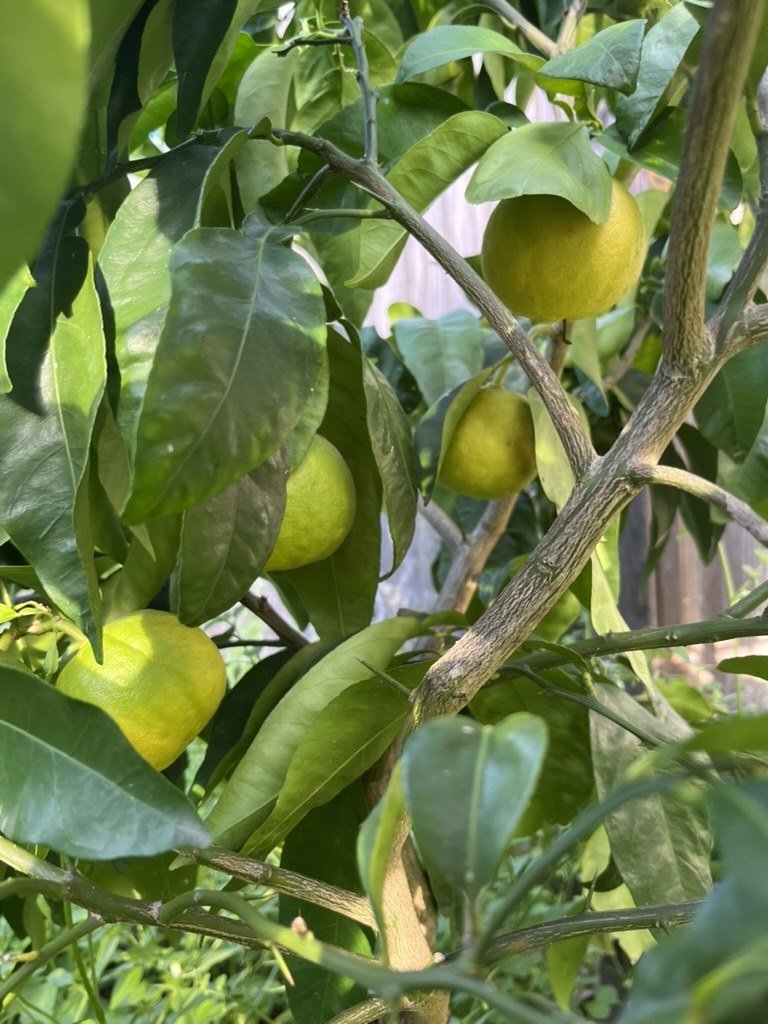
Sudachi is a top choice for adding a tart, fragrant touch at serving time. The Japanese Ministry of Agriculture describes Tokushima sudachi as a fruit harvested green, prized for its refreshing aroma and its acidity. Source: MAFF, Tokushima Sudachi.
It shows its worth with grilled fish: a few drops of juice, then a little zest if you like a more pronounced aromatic presence. You can also try it on sautéed mushrooms, in a broth, or with noodles.
For these preparations, start by using it as a finishing touch. You will more easily perceive what it brings, and can adjust to taste without changing the whole cooking of the dish.
The detail to remember: a green fruit can be the right stage for this use. There is no need to wait for it to turn yellow to use it as a condiment. The site’s collection features the Oishi sudachi.
5. Kabosu, for sauces and broths
Kabosu is particularly interesting for those who like cooking with the juice of Japanese citrus. The Oita kabosu promotion council describes a mild acidity and a fresh fragrance, with uses in soups, sauces, grilled dishes, and drinks. The zest can also serve as a garnish. Source: Oita kabosu council.
Try it in a lemony soy sauce, with fish, in a broth, or in a vinaigrette. For dessert, a custard or a sorbet are other options. It is the balance of the dish that should guide the amount of juice.
Its fifth place does not mean it will be less good than a sudachi in your kitchen. The two answer similar cravings, with distinct profiles. To tell them apart, compare them on the same dish, adding their juice gradually.
The kabosu profile and the comparison of yuzu, sudachi, and kabosu let you go further.
6. Nagami kumquat, for cooking the fruit with its skin
Nagami is the kumquat I pick here for processing: its sweet peel contrasts with a tart pulp. The Riverside collection also notes the presence of aromatic oils in the peel. It is this combination, rather than the juice alone, that makes the fruit interesting. Source: UC Riverside, Nagami kumquat.
To discover this combination, taste a thin slice with its skin, after washing and removing the seeds. You will better understand how to use it in a marmalade, a candied fruit, or a chutney.
Nagami can also become a garnish: slices on a dessert, small pieces in a salad, or fruit prepared in a syrup to accompany a cake. The size of the pieces and the cooking change the result as much as the amount of sugar.
The detail to remember: kumquat is readily worked with its peel, but the seeds must be removed for preparations in pieces. Find its characteristics in the Nagami kumquat profile.
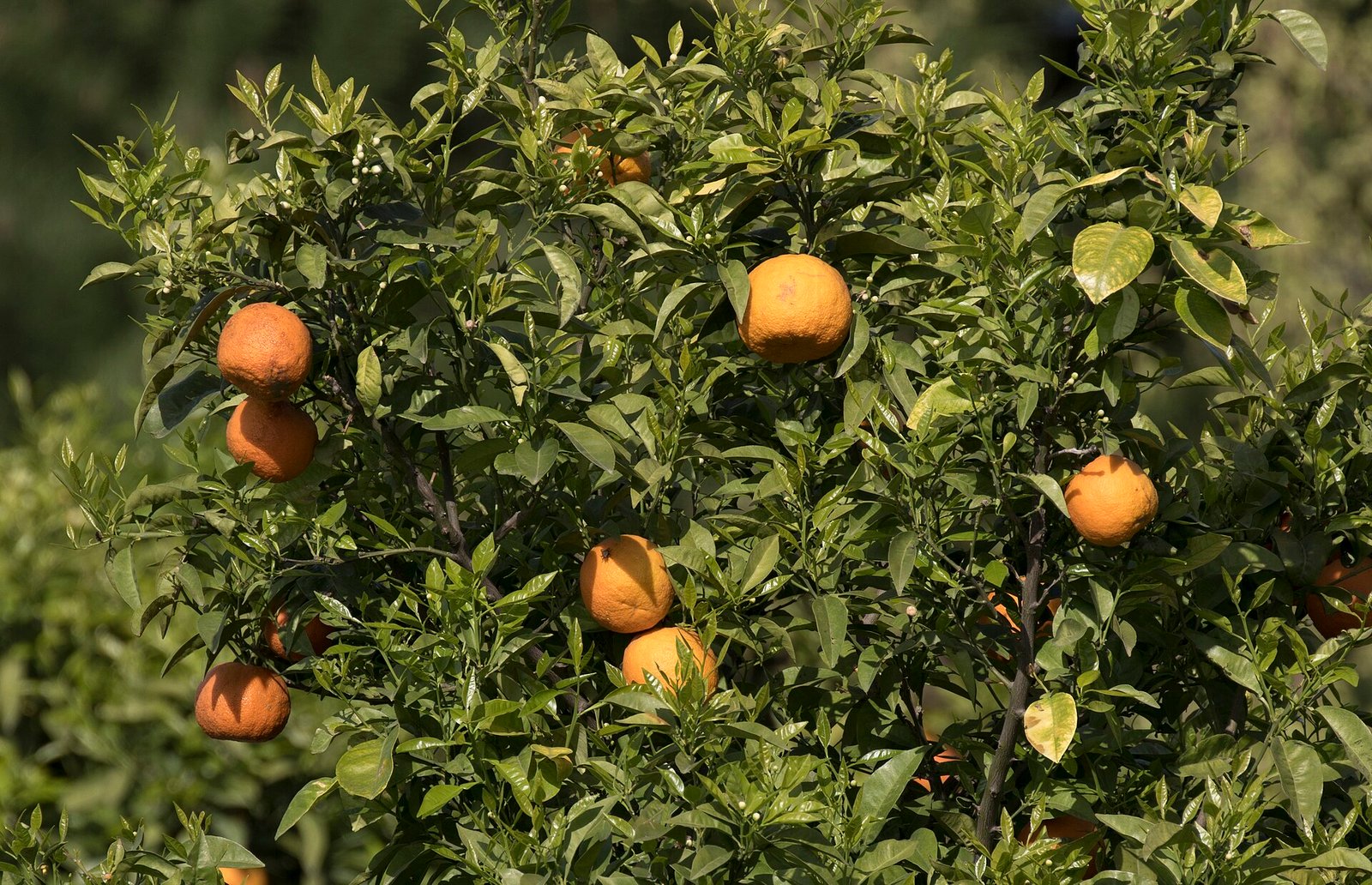
7. Bitter orange, for bitter orange marmalade
The classic bitter orange is this selection’s benchmark choice for a marmalade with a bitter orange flavor. Riverside describes the Seville type as sour, bitter, and rich in seeds, with a traditional use in marmalade. These traits come into their own in a sweet preparation that keeps some of the peel. Source: UC Riverside, Seville bitter orange.
Its appeal comes from the presence of bitterness. A marmalade can keep enough of it to balance the sugar, without becoming pleasant only because it is very sweet. The thickness of the peel strips and how they are prepared therefore matter a great deal.
Candied peel is another lead, especially with chocolate. For a first harvest, choose a recipe devoted to bitter oranges rather than reusing the proportions of a sweet orange jam.
The detail to remember: the many bitter orange trees in collections do not all have the same fruit or the same culinary qualities. The article on the history and varieties of the bitter orange tree explains this diversity.
8. Eremorange, a discovery for jam
Eremorange enters this top 10 for its interest in jam. This horticultural hybrid combines sweet orange with the Australian desert lime. Oscar Tintori describes a small fruit with a tart flavor. Source: Oscar Tintori nursery, Eremorange.
Its appeal for processing is documented by growers. Agrumerie Vessière describes a zest reminiscent of mandarin and a jam recalling orange candies. Ferme du Merlanson also recommends the fruit in jam. These are growers’ assessments, which make you want to discover it without amounting to an independent comparative tasting. Sources: Agrumerie Vessière, Ferme du Merlanson.
For a first preparation, make a small batch to find your balance between pulp, peel, and sugar. You can then use it on a slice of bread, with fromage blanc, or as a cake filling.
Why eighth place? Its use in jam is enough to justify its presence; its culinary versatility is less well documented than that of the top-ranked fruits. The Eremorange profile and its botanical portrait complete this discovery.
9. Hana Yuzu, for discovering a small lemony citrus
Hana Yuzu, or hanayu, deserves a place as a small sour citrus to explore in the kitchen. Riverside’s observations on the Citrus hanayu accession describe a small, yellow, seeded, very sour fruit with a flavor close to lemon. Source: UC Riverside, Citrus hanayu accession CRC 3469.
This invites you to start with simple uses: a little strained juice in a sauce, a drink, or a vinaigrette, then a few strips of zest to try separately. That way you can tell the taste of the juice from the fragrance of the peel.
I place it after the citrus whose uses are better documented. It may interest a gardener who wants to compare several Japanese citrus and who is willing to work with small fruit full of seeds.
The detail to remember: despite its name, Hana Yuzu should not be presented as a classic yuzu in miniature with an identical taste. See the Hana Yuzu profile.
10. Tavares limequat, the lime alternative you can grow
The Tavares limequat is the pick if you want the juice and acidity of a lime without being able to grow a lime tree. It is a hybrid of Key lime and oval kumquat, produced by W. T. Swingle in Florida in 1909. The Riverside collection specifies that all limequats withstand cold better than the lime, but markedly less well than the kumquat. Source: UC Riverside, Tavares limequat.
As for the fruit, the nursery Agrumes de Provence describes a large, elongated, deep yellow, very juicy fruit with an appreciated acid balance. I suggest it wherever you would use a lime: fish marinade, vinaigrette, drink, tart, or custard. Its skin is that of a kumquat hybrid: first taste a thin washed slice to find out whether you can use it whole, in a candied fruit for example. Source: Agrumes de Provence, Tavares limequat. The Vessières nursery also recommends it in cocktails and jams, and notes a growing use in lacto-fermentation. Source: Vessières, Tavares limequat.
The detail to remember: the Tavares limequat’s hardiness is advertised at 16°F (−9°C) by French nurseries (Agrumes de Provence, which presents it as the hardiest of the limequats, and Vessières). This is a commercial claim, with no published trial, and other nurseries give more cold-averse values for limequats. In cold regions, plan on a pot you bring indoors in winter. See the Tavares limequat profile and the frost protection guide.
Which citrus should you choose for what you cook?
For jams, marmalades, and candied fruit
Choose bitter orange for the bitterness, Nagami for working the small fruit with its peel, and Eremorange to discover another citrus jam. Yuzu will mainly interest those who want its fragrance.
Bitter orange and Nagami call for thinking about the texture of the peel as much as the sugar. With Eremorange, a first small batch lets you discover the result before devoting the whole harvest to a single recipe. None of these fruits automatically substitutes at equal weight in a marmalade recipe.
For fish, sauces, and savory dishes
Sudachi and kabosu are the first to try as seasonings; yuzu suits if you want a more assertive fragrance. The Meyer easily finds its place in a sauce or vinaigrette, the limequat can replace the lime in a marinade, and the Ichanglemon can be explored for its juice.
To compare them, choose a simple accompaniment: grilled fish, steamed vegetables, or mushrooms. Add the juice to taste, then the zest separately. You will then know whether you mostly like the acidity, the fragrance, or the combination of the two.
For cakes, custards, and desserts
Start with the Meyer for a familiar lemon recipe, or with yuzu to give the dessert a different aromatic direction. Nagami offers a different possibility: pieces, slices, or fruit prepared with their skin.
A bitter orange or Eremorange jam can also become a cake filling. The fruit has then already been processed: taste the jam before adding sugar or other citrus to the whole.
For drinks
The Meyer and the Ichanglemon are good starting points for exploring drinks made with citrus juice. The limequat brings a lime note, and yuzu and kabosu open other aromatic options. First taste a small diluted amount, then adapt the sugar and the amount of water to your preference.
Making the most of zest, juice, and whole fruit
Take the zest before squeezing
Zest is the colored outer part of the peel. Take it finely from a washed fruit whose peel is suitable for eating. To perfume a sauce or a dessert, start with this colored layer: you will dose the fragrance more easily than by taking a thick strip with the white part.
With yuzu, Meyer, or sudachi, the right reflex is to zest first, then squeeze. That way you keep the option of using both in different preparations.
Taste the juice before adding it
Acidity and fragrance do not say the same thing. A juice can be very acidic and its zest please you only moderately; another fruit may interest you mainly for its peel. Add the juice gradually, taste, then decide whether the dish needs zest.
Strain when the seeds are numerous, especially with Ichanglemon and Hana Yuzu. To preserve part of a harvest, the Oita kabosu council suggests freezing the juice in small portions in an ice cube tray. Source: uses and storage of kabosu.
Adapt the peel work to the preparation
In a vinaigrette, a large amount of the white part can bring a bitterness that is hard to correct. In a bitter orange marmalade, the peel is on the contrary part of the intended result. With Nagami, it takes a direct part in the fruit’s balance.
For a jam, choose a recipe suited to the fruit and to the storage you want. This ranking helps you choose the citrus; sugar proportions, cooking times, and jar handling depend on the recipe used.
Choosing a kitchen citrus that also suits the garden
The best citrus for your kitchen is the one from which you can get usable fruit regularly. The tree’s survival in the cold, the fruit’s resistance, and its ripeness at the time of the first frosts are separate questions.
The Meyer and the limequat require more precautions against frost; a pot you can overwinter lets you keep them in regions where growing them in the ground would be risky. For the other citrus, find out about the exact selection, the rootstock, and growing reports in a climate comparable to yours.
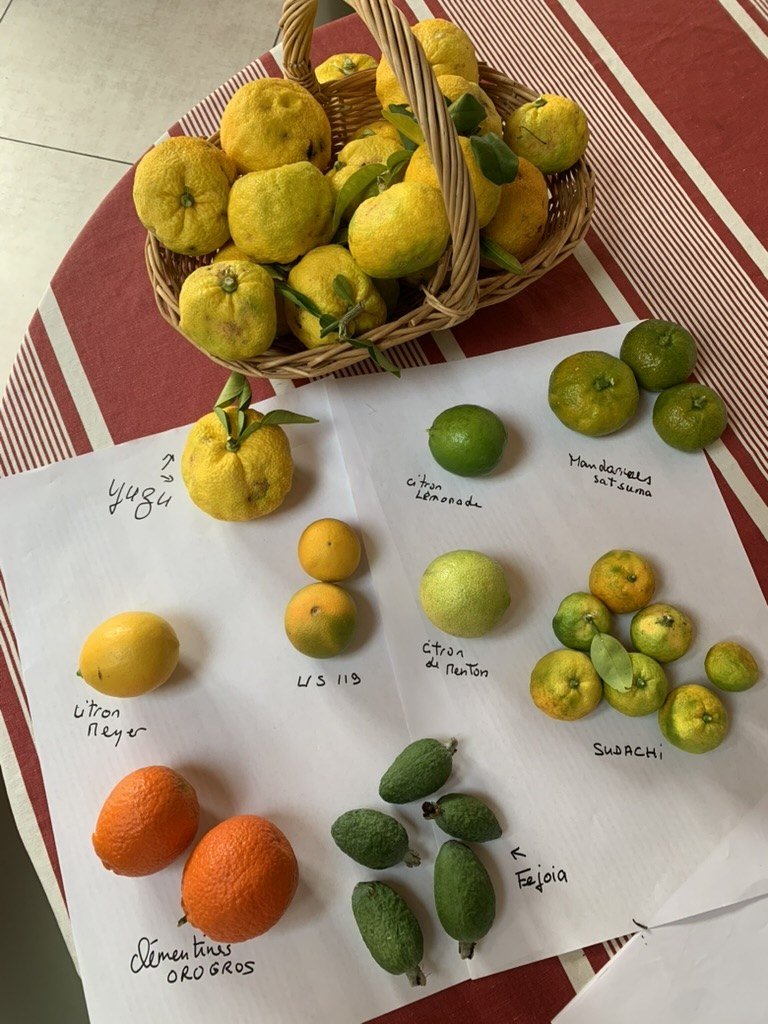
The personal photographs in this article come from an experimental garden on the Arcachon Basin, in USDA zone 8b with fairly mild winters. They bear witness to that garden and do not allow you to infer the same results in a colder region.
For a small collection intended for the kitchen, my choice would be a yuzu for fragrance, a Meyer protected if needed for everyday recipes, then a citrus to process to your taste: Nagami, bitter orange, or Eremorange. Before planting, see the frost protection guide and the variety profiles linked in the ranking.
Frequently asked questions about citrus in cooking
What is the best hardy citrus for cooking?
Yuzu takes first place in this selection for its fragrance and its uses in savory and sweet dishes. The Meyer is very versatile, but needs more protection from cold. For marmalade, the classic bitter orange may be a better choice than the top two.
Which citrus should you choose for making jam?
Bitter orange suits bitter orange marmalade, Nagami suits preparations that use the small fruit with its peel, and Eremorange deserves to be discovered in jam. Yuzu is another option if its fragrance is your priority.
Is Eremorange good in jam?
It is a use recommended by Agrumerie Vessière and Ferme du Merlanson. Vessière describes a result recalling orange candies. These growers’ reports justify its place in this top 10; it is still worth making a small batch to find the balance you like.
What is the difference between yuzu, sudachi, and kabosu in cooking?
Yuzu is of particular interest for the fragrance of its peel and its versatility. Sudachi is readily used green as a tart, fresh seasoning. Kabosu is described by Oita growers as having a mild acidity, with many uses for the juice. All three deserve to be compared on a simple dish.
Can you use the peel of citrus fruit?
Yes, when the fruit’s peel is suitable for eating, after washing. The colored zest is used for fragrance; Nagami is readily used with its skin and bitter orange with its peel in marmalade. How much of the white part to keep depends on the preparation and the bitterness you want.
Can you replace lemon with yuzu or limequat?
In a seasoning adjusted to taste, you can explore these substitutions by adding the juice gradually. In baking, they call for more attention: yuzu’s fragrance changes the result, and limequat brings a lime and kumquat note. A recipe that depends on lemon’s acidity therefore needs adapting.
Which citrus can you grow in place of lime?
The Tavares limequat, a hybrid of lime and kumquat, is this selection’s option: its acidic juice is used like that of a lime, and it is easier to grow than a lime tree. French nurseries advertise 16°F (−9°C) for the tree, with no published trial; plan on a pot to bring indoors in winter in cold regions.
Do these ten citrus have the same cold resistance?
No. This ranking is about interest in the kitchen. The Meyer and the limequat are choices to protect more, while other citrus are sought for their cold tolerance. The variety, rootstock, age of the plant, soil, and length of the freeze should guide the growing choice.
Sources and pointers for going further
References are placed close to the descriptions to distinguish fruit traits, documented uses, and the ranking’s preferences. They were consulted while preparing the article, on October 8, 2026.
- Citrus collections: University of California, Riverside for fruit traits and the origin of the Tavares limequat.
- Japanese uses: JETRO for yuzu, the Japanese Ministry of Agriculture for Tokushima sudachi, the Oita kabosu promotion council for kabosu.
- Limequat: nursery Agrumes de Provence for the fruit description and the 16°F (−9°C) reference point. This nursery claim is distinct from an independent cold trial.
- Eremorange: Oscar Tintori for the horticultural description; Agrumerie Vessière and Ferme du Merlanson for the assessments on jam. These growers’ descriptions are distinct from an independent sensory trial.
The bitter orange photograph is by Zeynel Cebeci, under a CC BY-SA 4.0 license, with its source linked in the caption. To discover other culinary ideas, see the page Cooking and processing citrus.