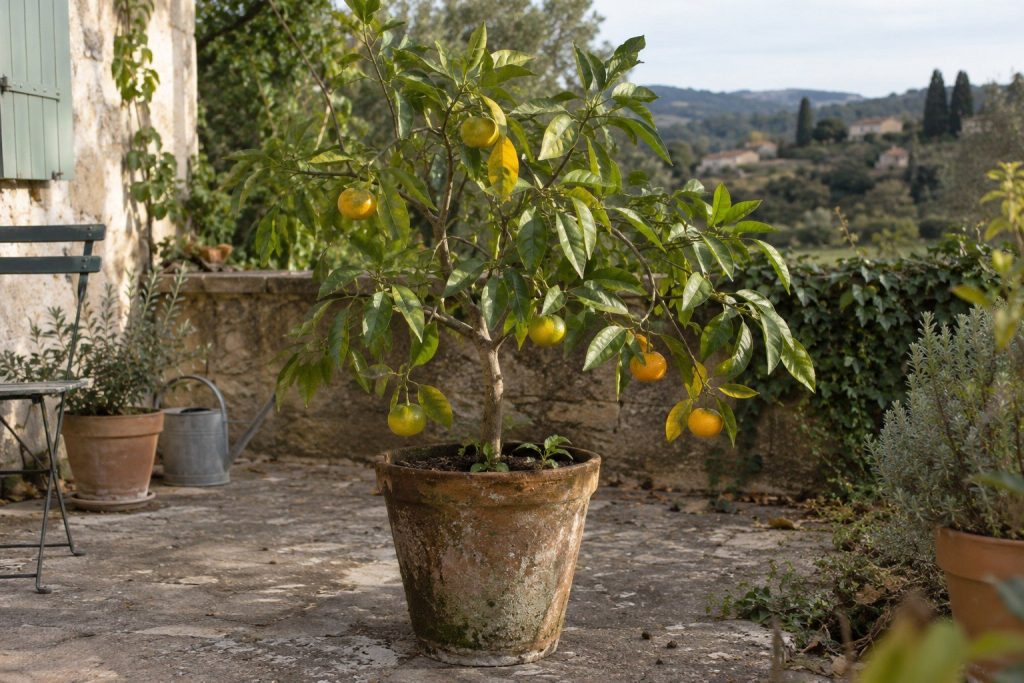
Clausellina Satsuma Mandarin
Origin: Clausellina is a notable exception: it is a variety of Spanish origin, discovered as a mutation on a branch […]
What are you looking for?
Origin: Clausellina is a notable exception: it is a variety of Spanish origin, discovered as a mutation on a branch […]
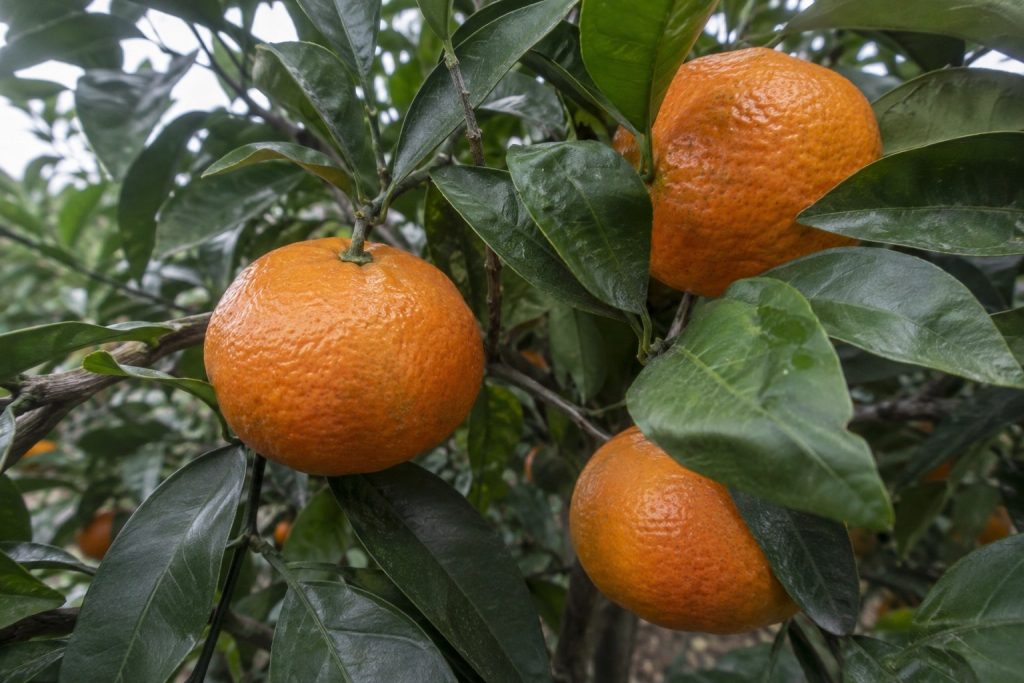
Aoshima satsuma mandarin (Citrus unshiu ‘Aoshima’) is a late Japanese satsuma selection from Aoshima Island, particularly prized for its very long fruit retention on the tree, until February or even March. Its hardiness reaches 10°F (−12°C) on the tree, making it suitable for in-ground planting in USDA zone 8a. The tree reaches 6.5 to 10 ft (2 to 3 m) with a spreading, weeping habit, evergreen foliage and fragrant white flowers. Its bright orange fruit, medium to large, 4.2 to 6.3 oz (120 to 180 g), seedless, with thin skin, ripens in December to February with very juicy, sweet, fragrant flesh, often considered one of the best-tasting satsumas. Ideal for spreading out the harvest. Excellent fresh, as juice and as sorbet. Graft onto Poncirus trifoliata; south-facing wall.
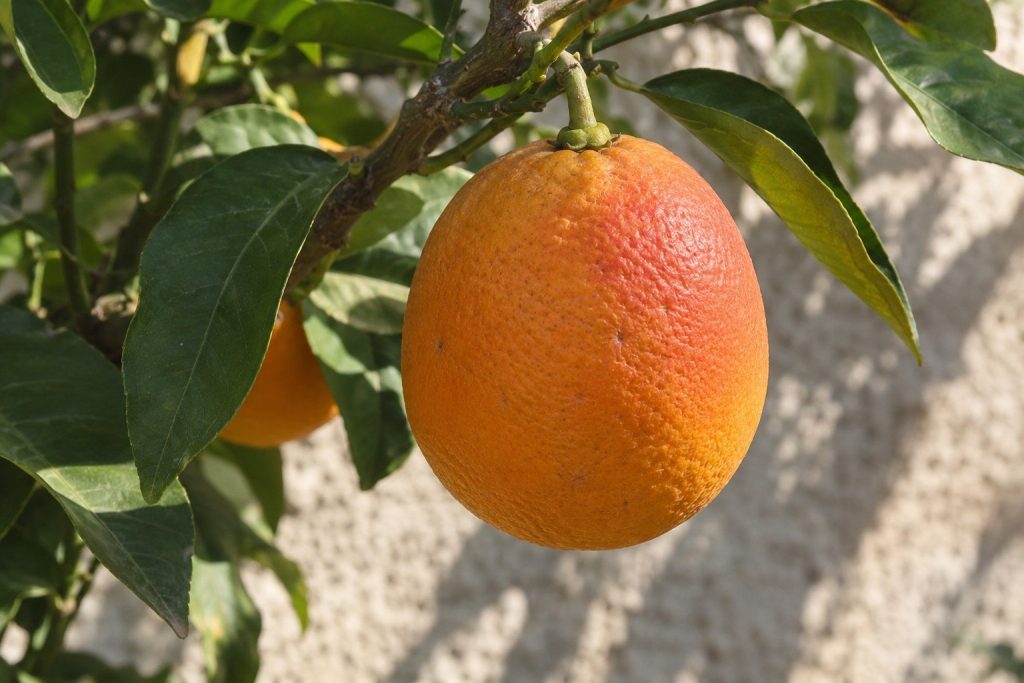
Fragola orange (Citrus sinensis ‘Fragola’) is an especially fragrant Italian blood orange selection, whose name evokes the strawberry (fragola in Italian) because of aromatic notes reminiscent of that fruit. Its hardiness reaches 12°F (−11°C) on the tree, above the average for blood oranges, making it suitable for in-ground planting in USDA zone 8a. The tree reaches 10 to 16 ft (3 to 5 m) with a rounded habit, glossy evergreen foliage and highly fragrant white flowers. Its deep orange-red fruit, with flesh pigmented by anthocyanins, medium-sized, 6.3 to 8.8 oz (180 to 250 g) with thin skin, ripens in January to March and offers very juicy, sweet, slightly tart flesh with characteristic strawberry and raspberry notes. Excellent fresh, as juice (spectacular color) and as sorbet. Graft onto Poncirus trifoliata; south-facing wall.
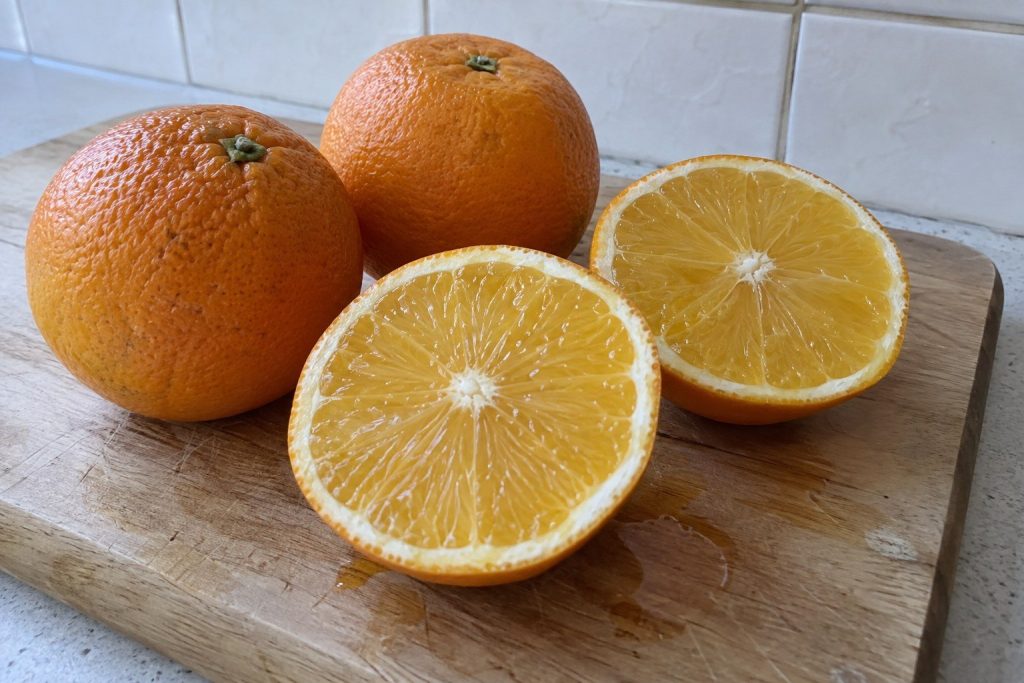
Gosset sweet orange (Citrus sinensis ‘Gosset’) is a French sweet orange selection identified by the nurseryman Gosset in the 20th century for its adaptation to the French climate and its flavor quality. Its hardiness reaches 12°F (−11°C) on the tree, making it suitable for in-ground planting in USDA zone 8a. The vigorous tree reaches 10 to 16 ft (3 to 5 m) with a rounded habit, glossy evergreen foliage and highly fragrant white flowers in spring. Its bright orange fruit, medium to large, 7.1 to 9.9 oz (200 to 280 g), with thin skin that is moderately easy to peel, ripens in January to March with very juicy, sweet, delicately fragrant flesh. Excellent fresh, as freshly squeezed juice, and in fruit salad. A variety recommended for ornamental gardens in the southwest and Atlantic regions of France. Graft onto Poncirus trifoliata; plant against a south-facing wall in well-drained soil.
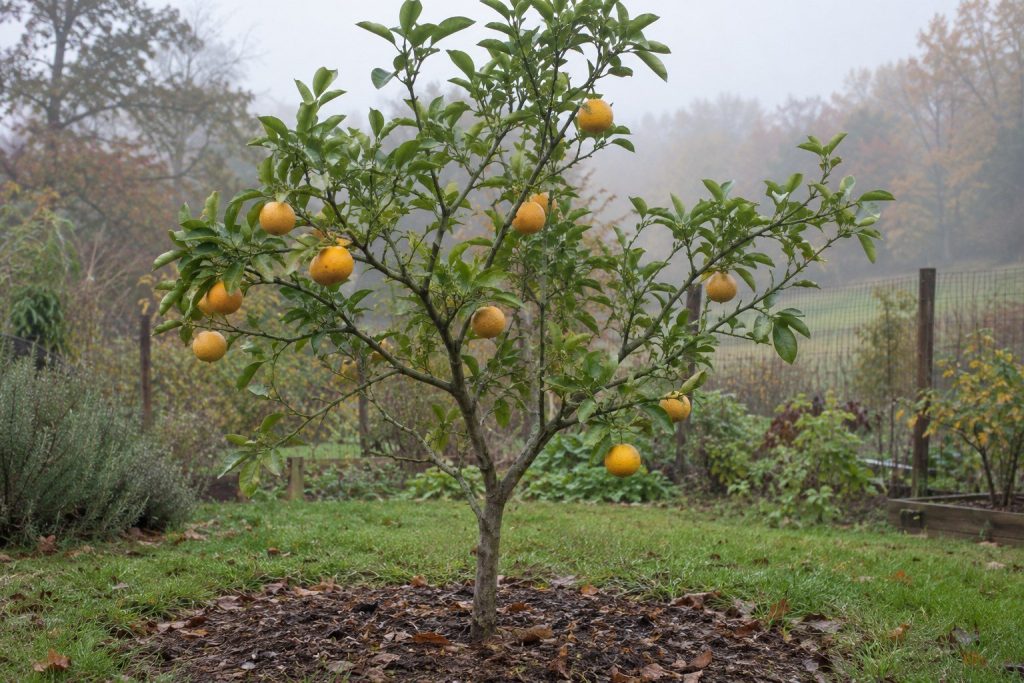
Morton Asel (Citrus sinensis × Poncirus trifoliata ‘Morton’) is a selection of the classic Morton citrange, from the American USDA program of the early 20th century, one of the first sweet orange × Poncirus hybrids ever created. Its tree hardiness reaches 5°F (−15°C), with a USDA zone 8a climate reference retained in this entry; this classification of the Morton citrange remains to be confirmed specifically for the Asel selection. The vigorous tree reaches 10 to 16 ft (3 to 5 m) with an upright, thorny habit, semi-evergreen trifoliate foliage, and fragrant white spring flowers. Its yellow-orange fruit, 3.5 to 7 oz (100 to 200 g), with thick skin, ripens in winter and offers a sour juice with a sweet-orange fragrance inherited from the main parent, acceptable in juice, marmalade, and as a cocktail base. Tolerates the continental winters of the American Great Plains without flinching. A historic reference among the hardy citrus grown in the United States. Graft onto Poncirus trifoliata.
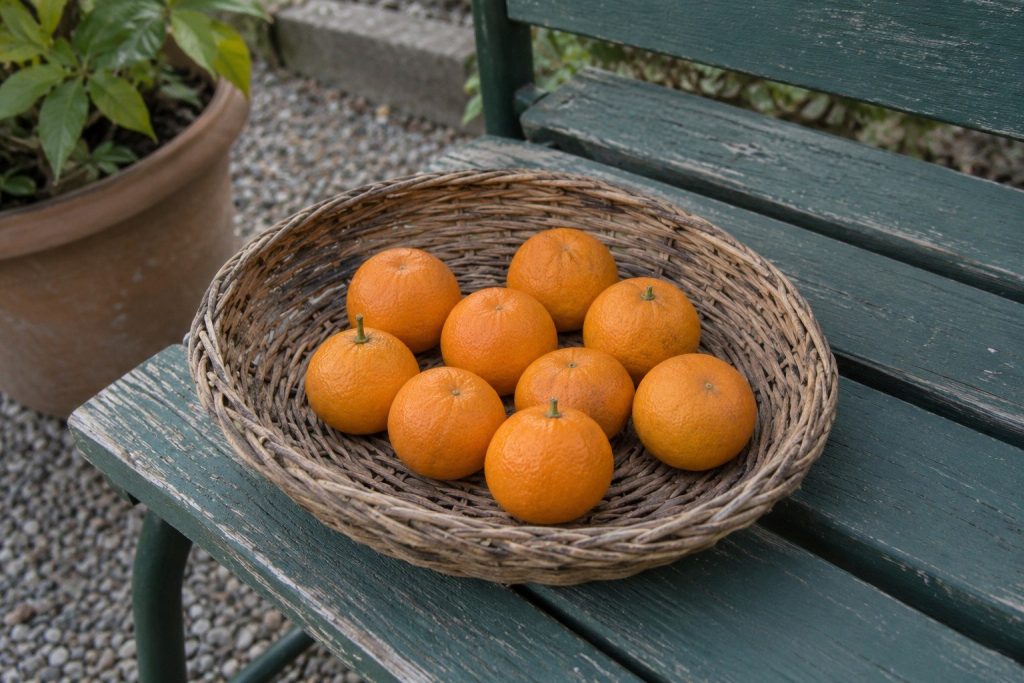
Shiva Mikan mandarin (Citrus leiocarpa) is an old Japanese citrus, a hardy wild species traditionally grown in the mountain regions of Japan for centuries. Its tree hardiness reaches 10°F (−12°C), making it suitable for in-ground growing in USDA zone 8a. The tree reaches 6 to 13 ft (2 to 4 m) with a rounded habit, aromatic evergreen foliage, and very fragrant white flowers. Its yellow-orange fruit, small at 2 to 3 in (5 to 7 cm) and thin-skinned, ripens in fall and offers a tart, fragrant juice with complex notes blending wild mandarin and subtle floral notes. Several seeds. Valued more for its ornamental, genetic (parent of many hybrids), and cultural worth than for its directly edible pulp. Used in jam, marinade, and traditional Japanese cooking. Graft onto Poncirus trifoliata, plant against a south-facing wall.
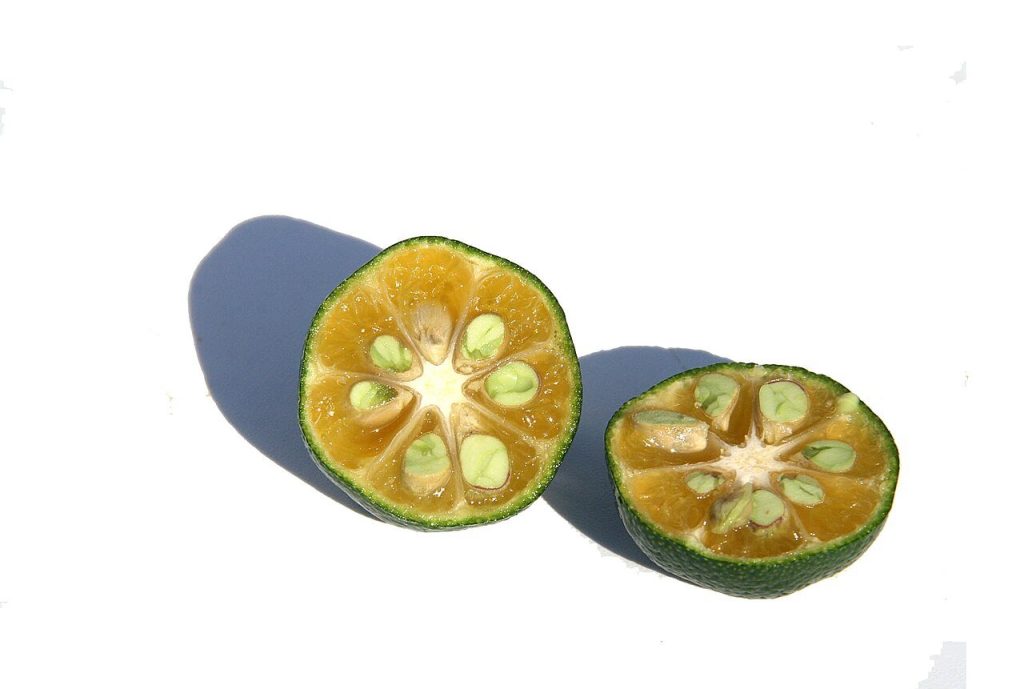
Shekwasha mandarin (Citrus depressa) is a traditional citrus of the Okinawa archipelago, grown for centuries in subtropical Japanese coastal villages for its characteristic aromatic acidity. Its tree hardiness reaches 12°F (−11°C), making it suitable for in-ground growing in USDA zone 8a to 8b. The tree reaches up to 13 ft (4 m) according to Vessière, with a rounded habit, evergreen foliage, and fragrant white flowers. Its round, flattened fruit, bright green (harvested green) or yellow-orange (at full ripeness), small at 1 to 2 in (3 to 5 cm) and thin-skinned, ripens in fall and concentrates a very sour, fragrant juice with unique notes blending lime, wild mandarin, and yuzu. Essential in Okinawan cooking (fish, sauces, refreshing juice). Many seeds. Graft onto Poncirus trifoliata, plant against a south-facing wall.
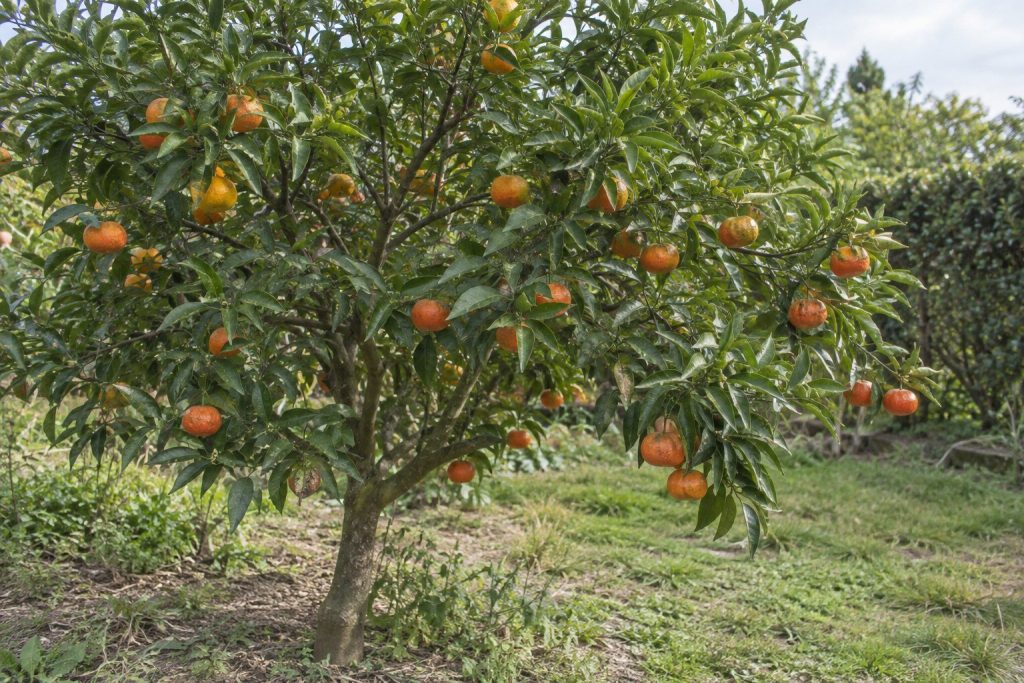
Shangsa mandarin, sometimes spelled Changsha (Citrus reticulata ‘Changsha’), is one of the hardiest mandarins in the world, withstanding down to 7°F (−14°C) on the tree depending on the selection. Native to the Hunan region of central China (the city of Changsha gave it its name), it served as the genetic base for many modern hardy hybrids developed in the 20th century (notably Citrandarin US-852 and the 899K Voss mandarin). The vigorous tree reaches 10 to 13 ft (3 to 4 m) with an upright habit and evergreen foliage. Its bright orange, small fruit, 2 to 3 oz (60 to 80 g), with skin that is easy to peel, ripens from November to December and offers juicy flesh with a sweet taste punctuated by delicate floral notes. A few seeds per fruit, more hardy than aromatic. Excellent in fresh juice and cooked. Grafted onto Poncirus trifoliata, it is classified in USDA zone 8a by Biggio and Londeix; growing it in 7b remains an attempt at the limit in a very sheltered situation, notably described by Woodlanders in the United States.
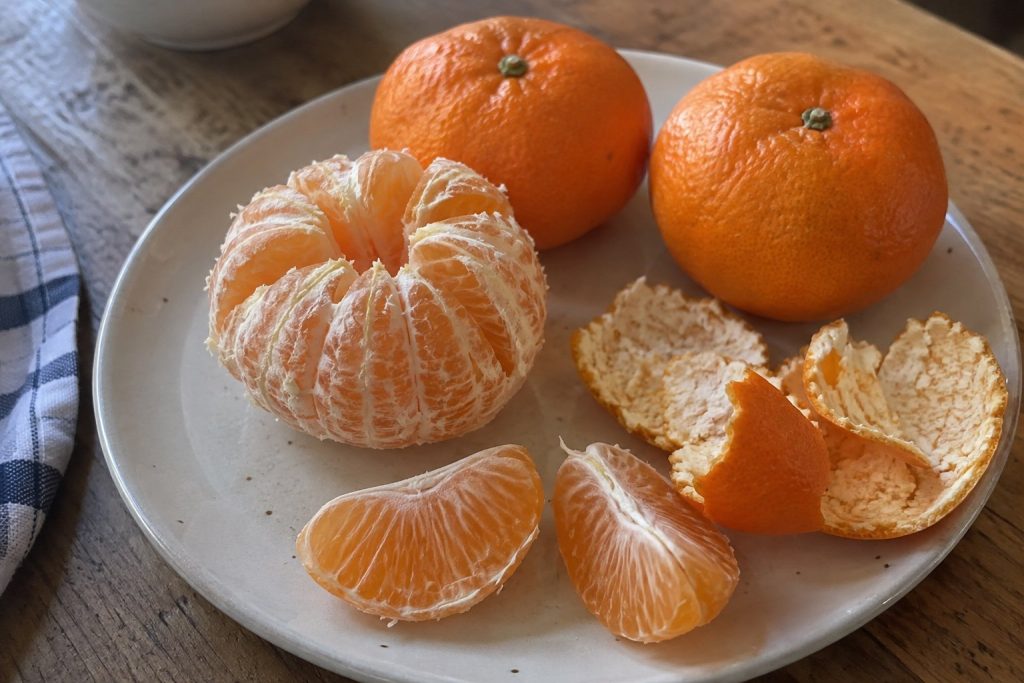
Harumi mandarin (Citrus reticulata ‘Harumi’) is a late Japanese selection from a cross between the Kiyomi and Ponkan mandarins, regarded as one of the world’s premium mandarins for its exceptional flavor quality. Its tree hardiness reaches 10°F (−12°C), making it suitable for in-ground growing in USDA zone 8a. The vigorous tree reaches 10 to 13 ft (3 to 4 m) with an upright habit, evergreen foliage, and fragrant white flowers. Its bright orange fruit, medium to large at 6.5 to 9 oz (180 to 250 g), with thin skin that is moderately easy to peel, ripens late (February to April), with very juicy, exceptionally sweet flesh, low in acidity, seedless or nearly so, and a complex, refined fragrance. Excellent fresh, as dessert, and in a late-winter fruit bowl. Graft onto Poncirus trifoliata, plant against a south-facing wall.
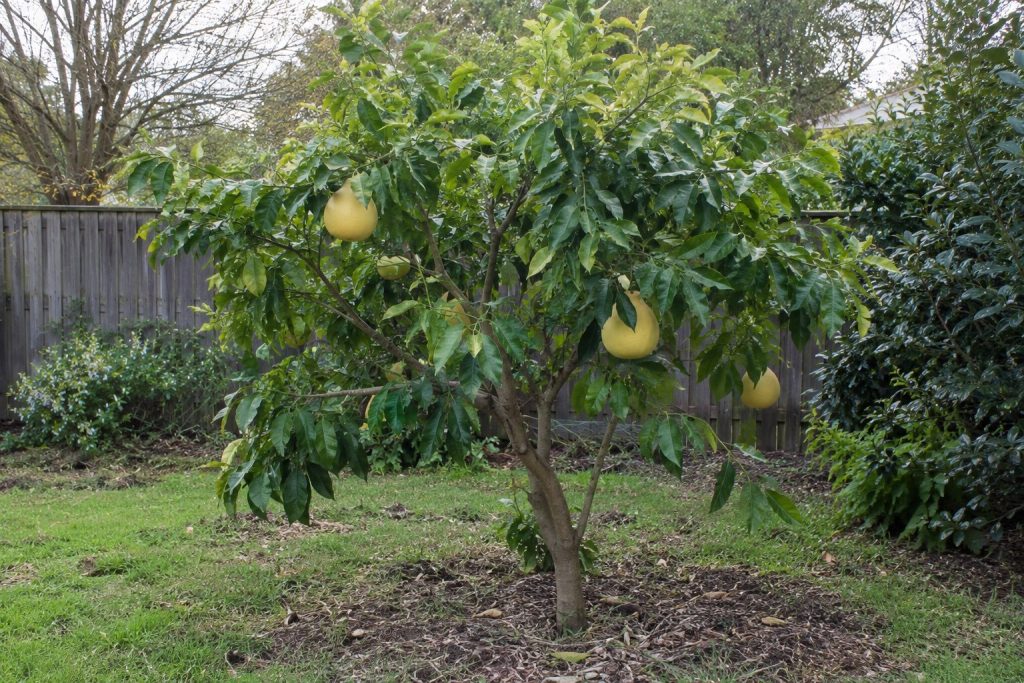
Shenguyen Ichanglemon (Citrus wilsonii ‘Shenguyen’) is a Chinese selection of the Ichanglemon, a hybrid between the Ichang papeda and a primitive lemon, originating in the Shenguyen region in the mountains of southwestern China. Its tree hardiness reaches 10°F (−12°C), making it suitable for in-ground growing in USDA zone 8a. The vigorous tree reaches 10 to 16 ft (3 to 5 m) with an upright, thorny habit, evergreen foliage with large winged petioles, and fragrant white spring flowers. Its yellow, round, bumpy fruit, medium to large at 7 to 12 oz (200 to 350 g), with thick, rough skin, ripens in winter and offers a very fragrant, aromatic sour juice evoking a wild lemon with grapefruit notes. Used in traditional Asian cooking and in confectionery. Graft onto Poncirus trifoliata.