Tachibana
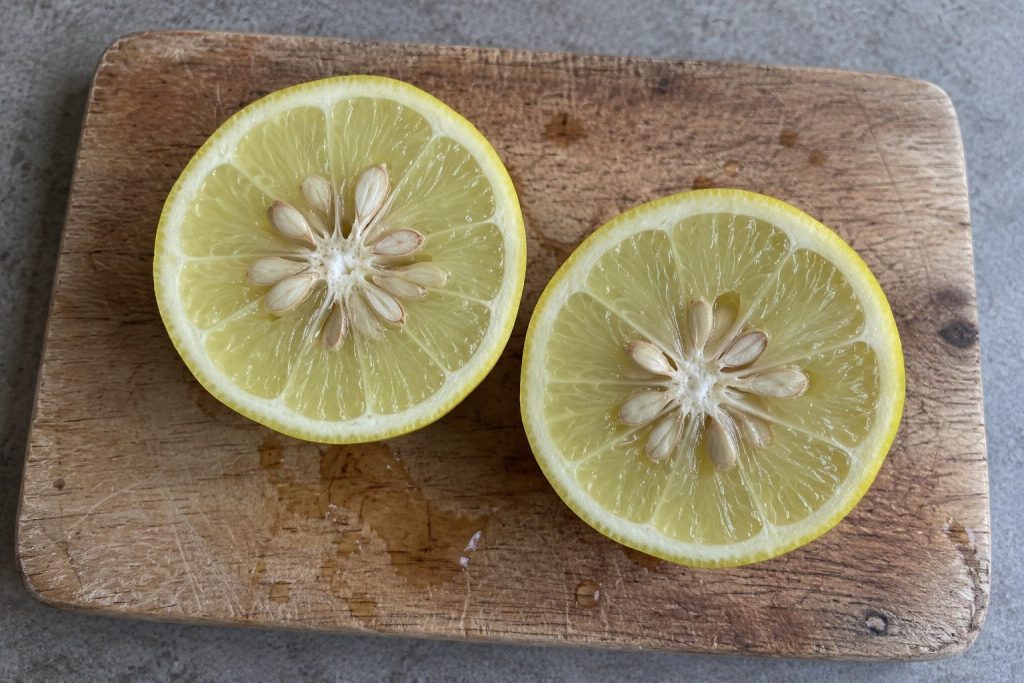
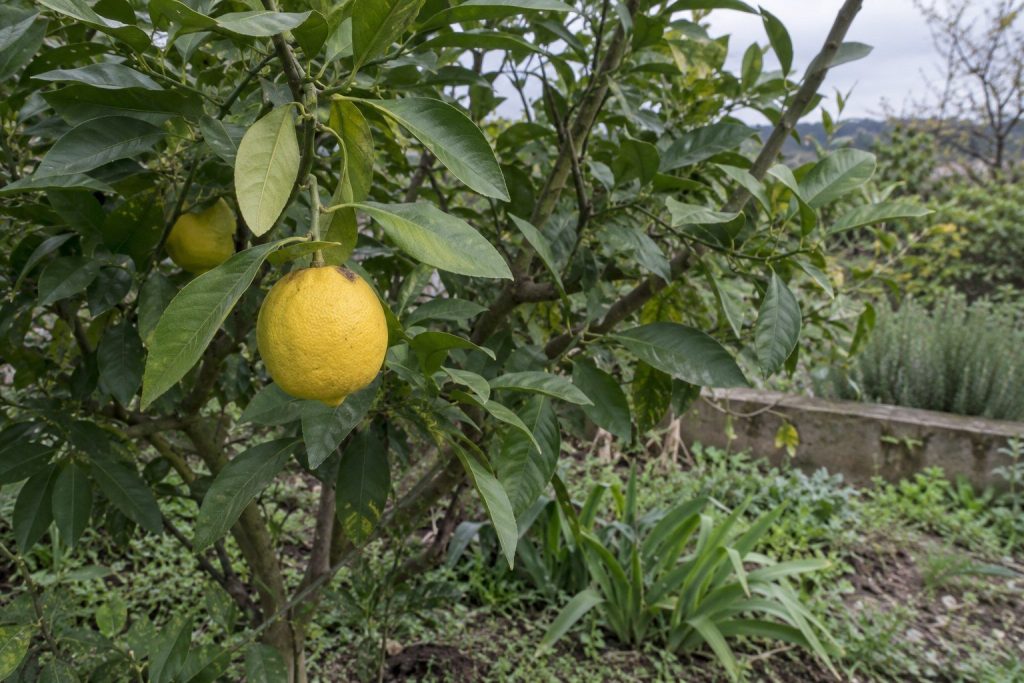
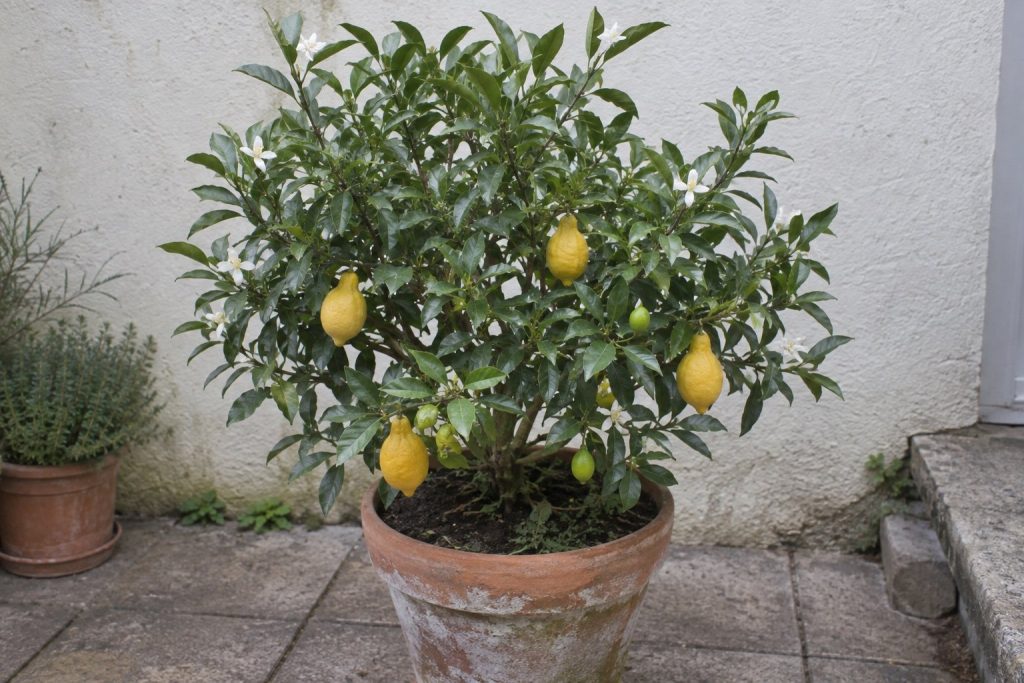
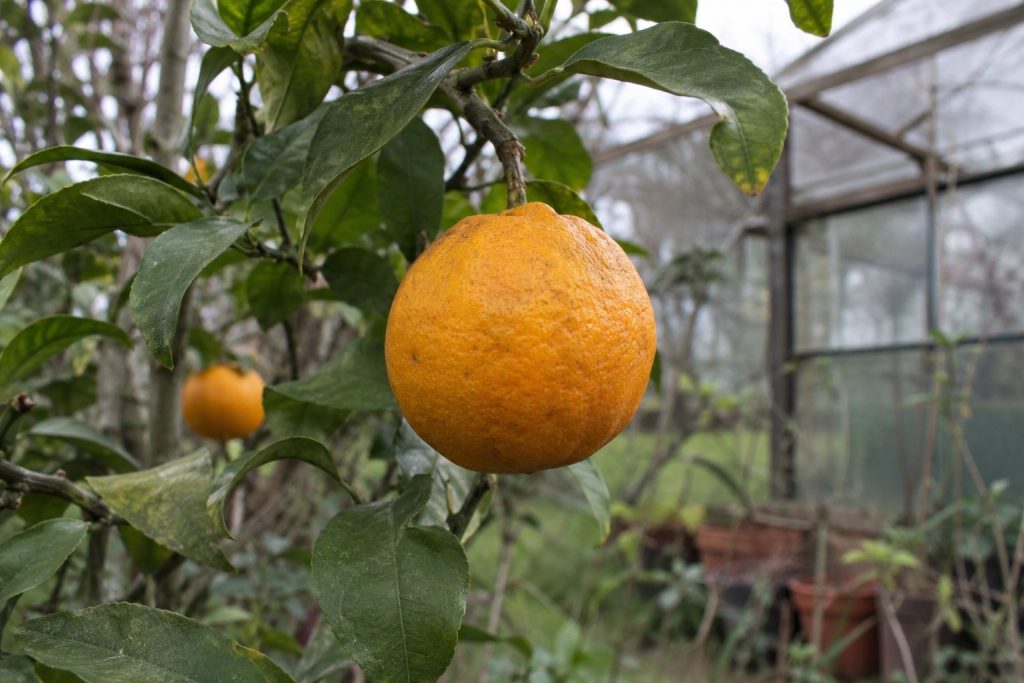
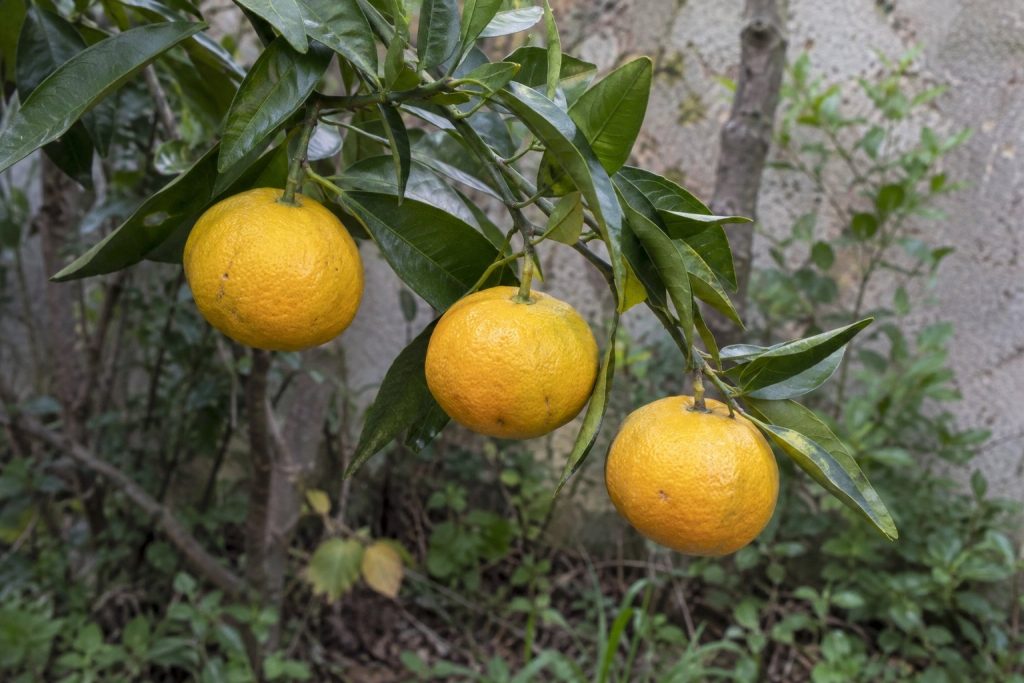
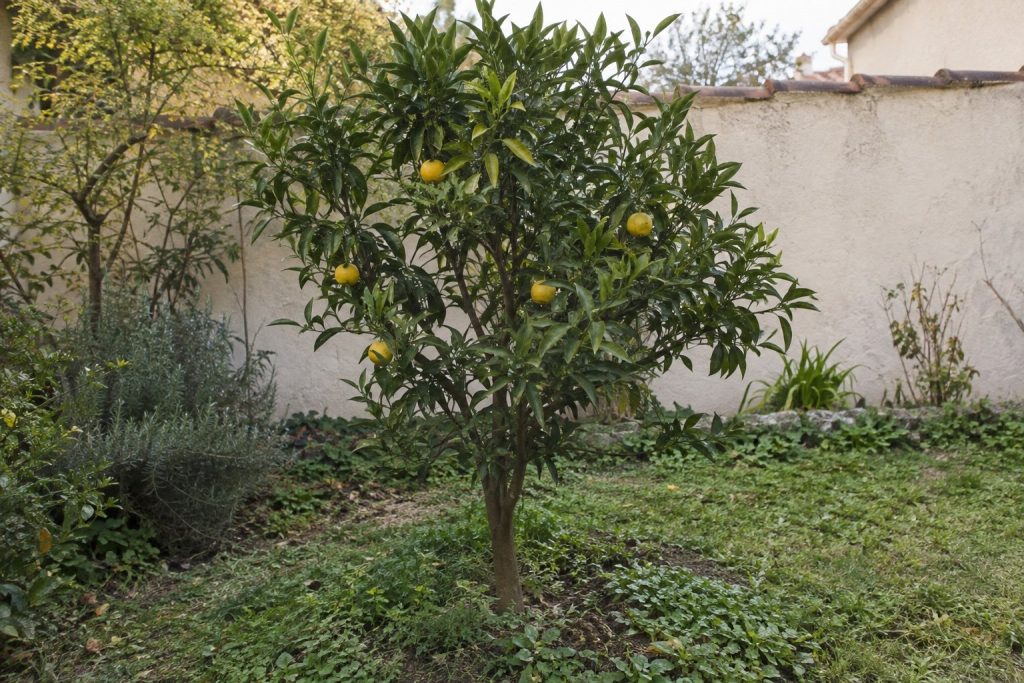
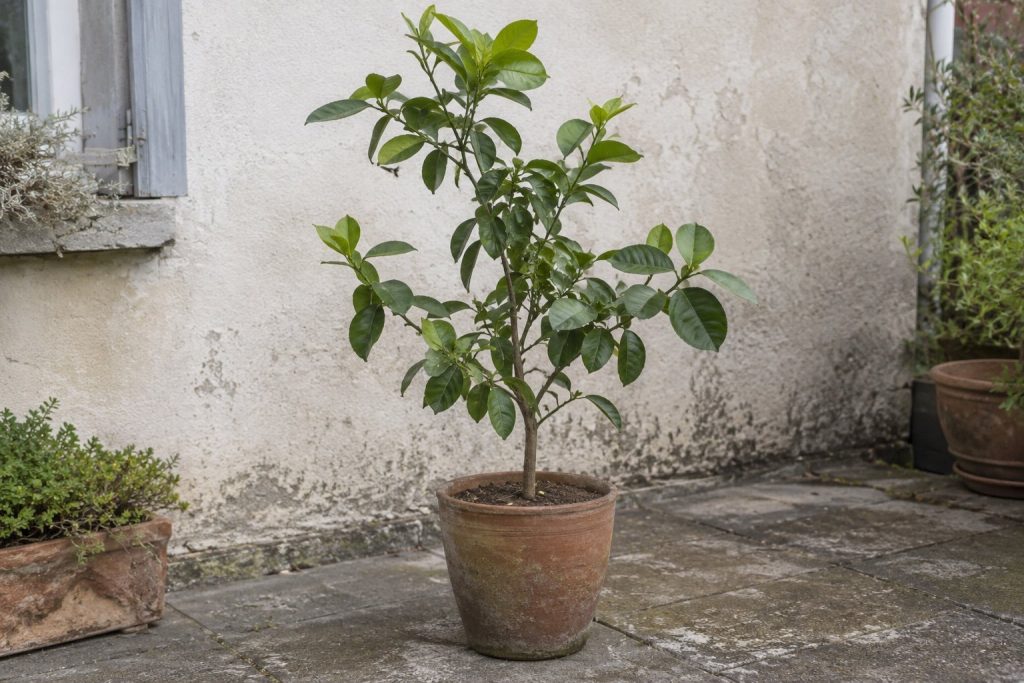
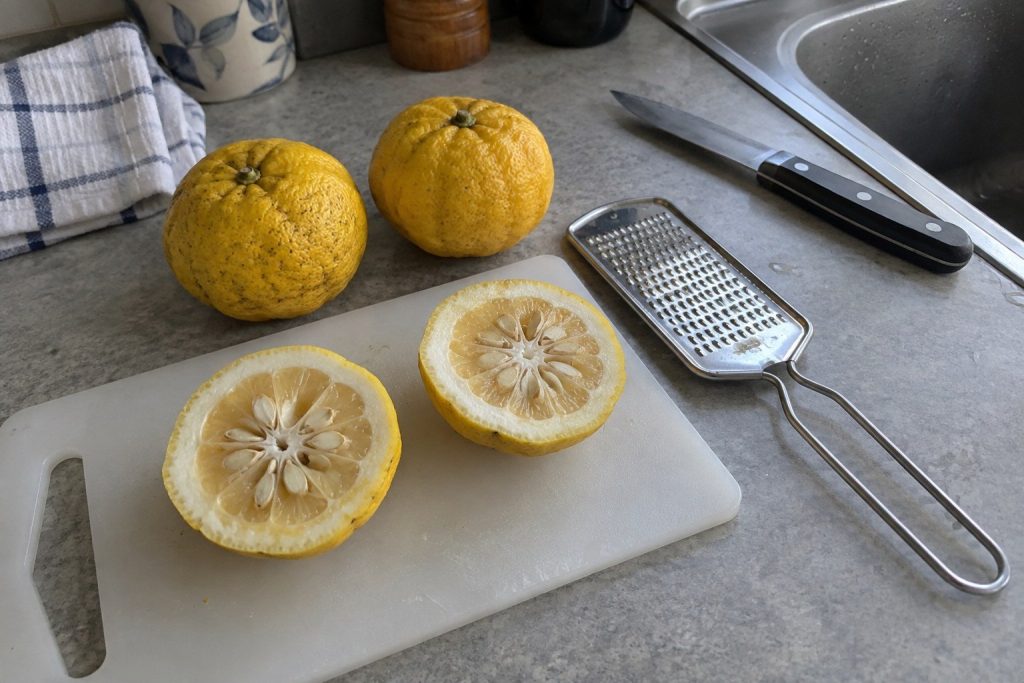
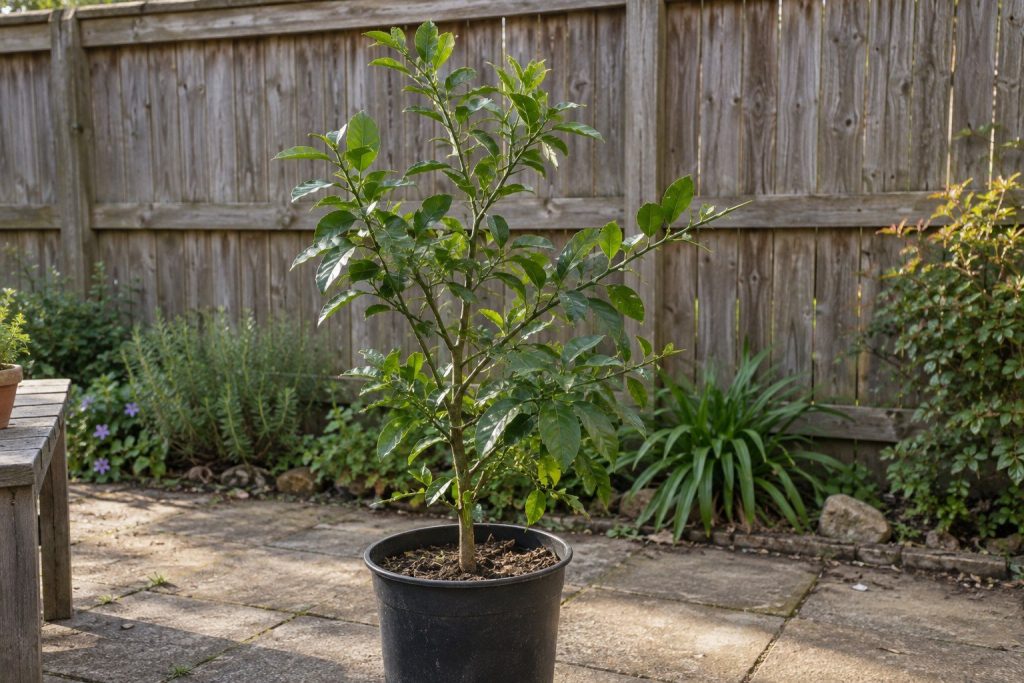
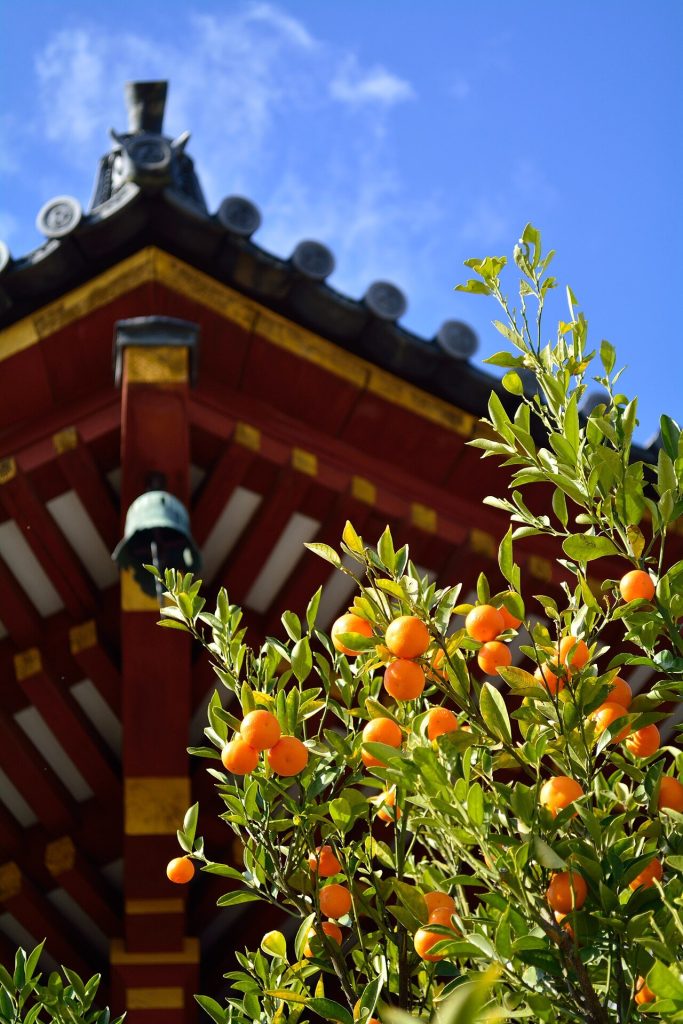
Tachibana (Citrus tachibana) is a wild Japanese citrus of great cultural and religious importance, one of the oldest citrus known in Japan, mentioned in the Kojiki (712) and the Nihon Shoki (720). Its tree hardiness reaches 10°F (−12°C), making it suitable for in-ground growing in USDA zone 8a. The tree reaches 7 to 10 ft (2 to 3 m) with an upright habit, aromatic evergreen foliage, and very fragrant white flowers in spring or early summer depending on the location. Its small yellow-orange fruit, 1.2 to 2 in (3 to 5 cm) with bumpy skin, ripen in winter and hold a very acidic, aromatic juice with wild mandarin notes. More appreciated for its ornamental, religious, and genetic value (parent of many modern varieties) than for its pulp. The bloom is used in Buddhist rites. Graft onto Poncirus trifoliata.