Yuzu N1
Origin: The yuzu is native to central China, the result of a natural hybridization between the Ichang papeda and a […]
What are you looking for?
Origin: The yuzu is native to central China, the result of a natural hybridization between the Ichang papeda and a […]
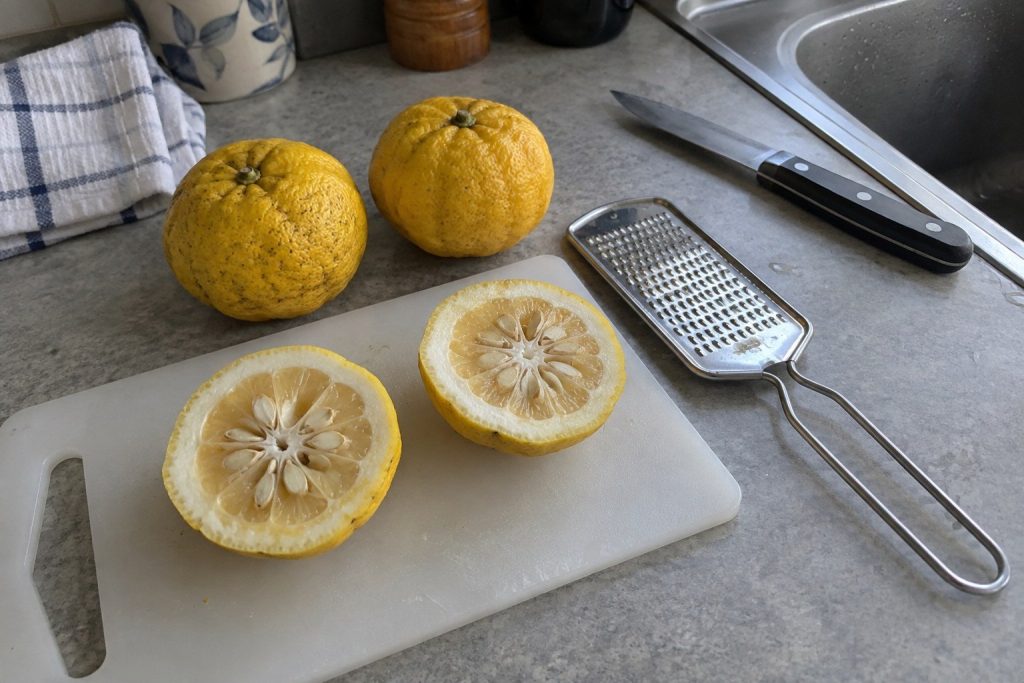
Oni Yuzu (Citrus junos ‘Oni’), literally “demon yuzu” in Japanese, is a variant of the yuzu selected for its particularly large fruit and its ultra-bumpy rind evoking a demon’s skin. Its hardiness reaches 10°F (−12°C) on the tree, making it growable in the ground in USDA zone 8a. The tree reaches up to 16 ft (5 m) for the cultivar described by Vessière, with a rounded, spreading habit, aromatic evergreen foliage, and highly fragrant white flowers. Its golden-yellow fruit, large in size (7 to 14 oz, or 200 to 400 g), with extremely bumpy, thick skin rich in essential oils, ripens in October to November and holds a very acidic, fragrant juice typical of yuzu, with more generous flesh than classic yuzus. Excellent in zest, juice, ponzu vinegar, and pastry. Highly ornamental thanks to its spectacular fruit. Graft onto Poncirus trifoliata, south-facing wall.
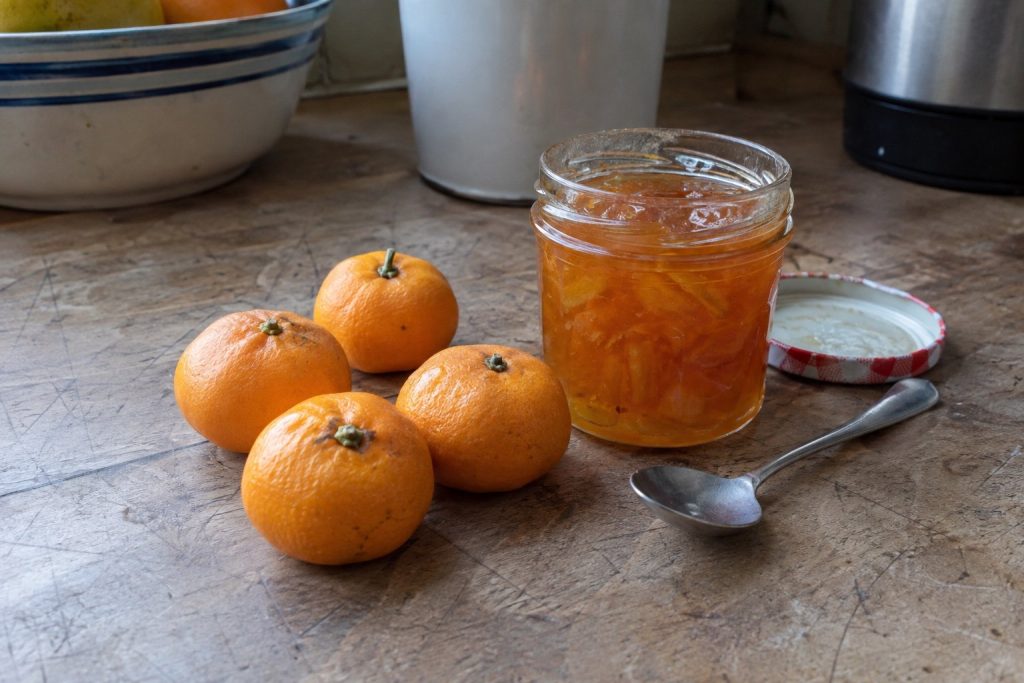
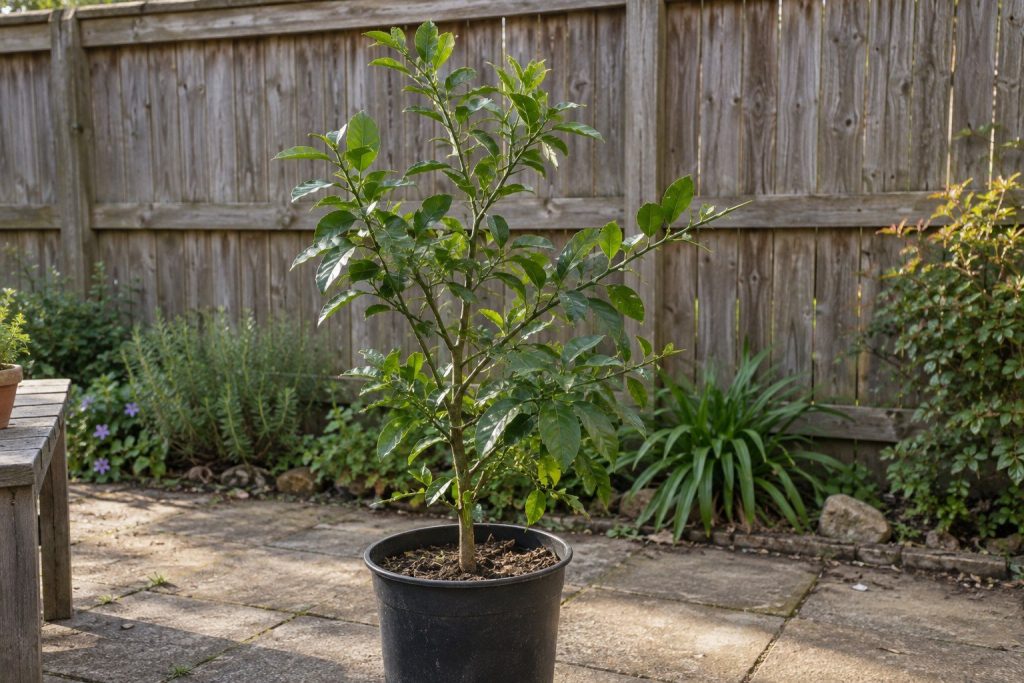
The Remo citrange (Citrus sinensis × Poncirus trifoliata ‘Remo’) is a hybrid between the orange tree and Poncirus trifoliata, selected for its maximum hardiness of 5°F (−15°C) on the tree, making it growable in the ground as far as USDA zone 7b. The vigorous tree reaches 10 to 16 ft (3 to 5 m) with an upright, semi-thorny habit, semi-evergreen trifoliate foliage inherited from Poncirus, and white spring flowers. Its yellow-orange fruit, small in size (0.7 to 1.1 oz, or 20 to 30 g according to the Vessières catalog), with thick skin, ripens in September according to the Vessières catalog and holds a markedly acidic, orange-scented juice, acceptable in blended juice, in marmalade, or as a cocktail base. A few seeds. The Remo citrange belongs to the lineage of historic citranges used both as a supplementary citrus and as a rootstock in regions with continental winters. Graft onto pure Poncirus trifoliata, plant against a south-facing wall, well-drained soil.
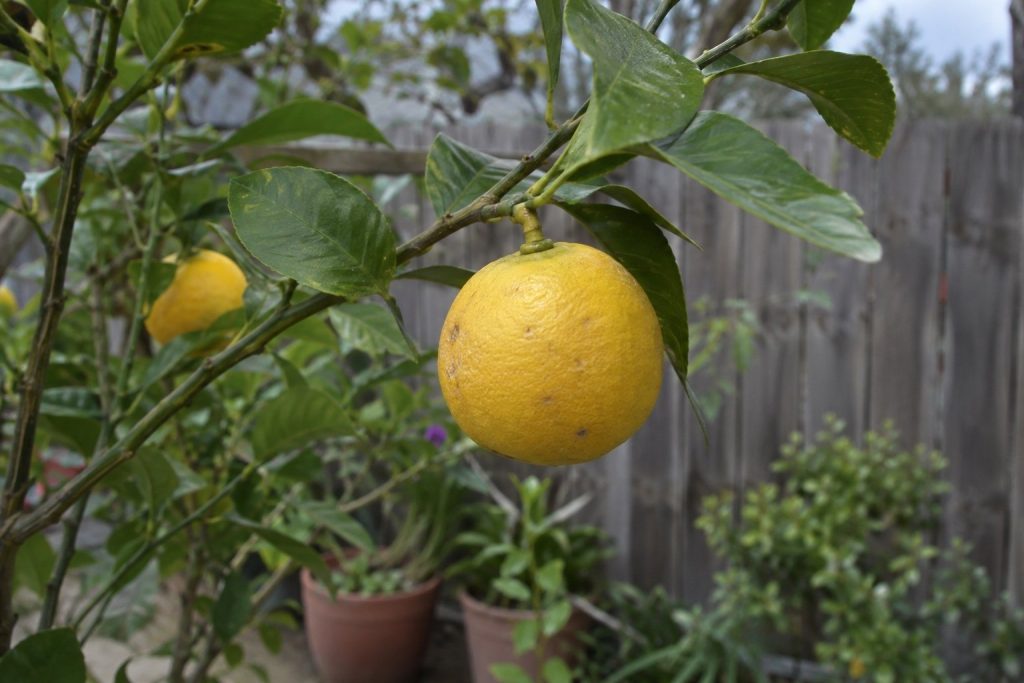
Wagashi Ichanglemon (Citrus wilsonii ‘Wagashi’) is a Japanese selection of the Ichanglemon suited to refined culinary use, notably in traditional wagashi confections. Its hardiness reaches 10°F (−12°C) on the tree, making it growable in the ground in USDA zones 7b and 8a. The vigorous tree reaches up to 16 ft (5 m) according to Vessière, with an upright, thorny habit, evergreen foliage with large winged petioles, and fragrant white spring flowers. Its yellow, round and bumpy fruit, medium to large with thick, rough skin, ripens in winter and holds a very fragrant, acidic, aromatic juice recalling a wild lemon with grapefruit notes, particularly suited to Japanese pastries and fine jams. Excellent zest for flavoring. Graft onto Poncirus trifoliata, plant against a south-facing wall, well-drained soil.
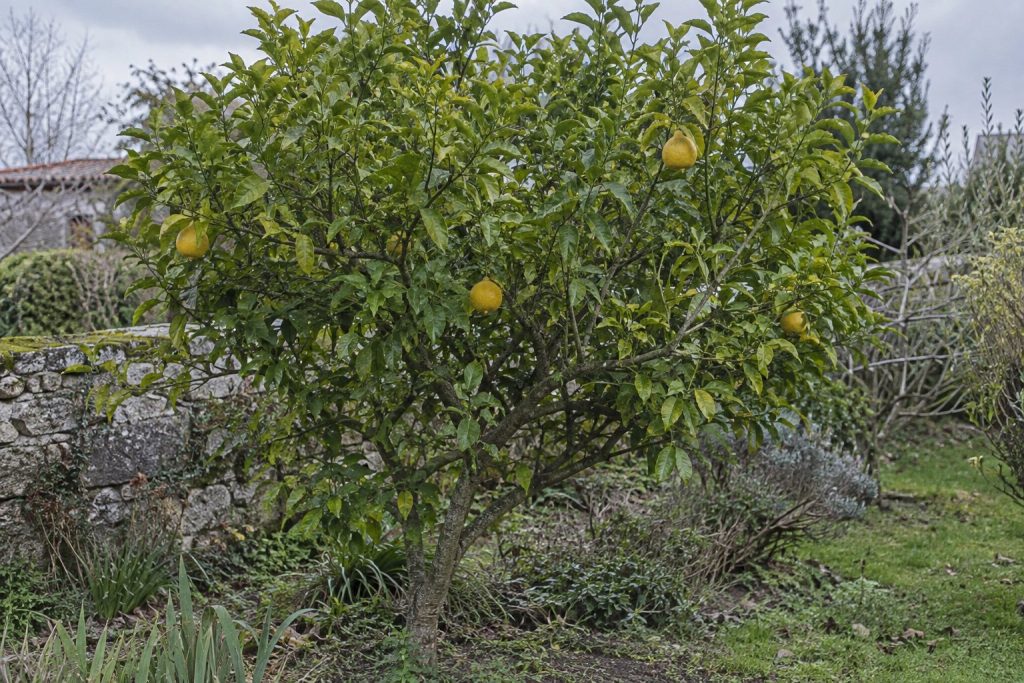
Kinkoji (Citrus obovoidea), sold in Texas as Bloomsweet grapefruit, is an old Japanese citrus of unknown parentage, most likely a pummelo × mandarin hybrid. Growers report that mature trees survive about 14 to 15°F (−10 to −9°C), which makes it one of the more cold-tolerant grapefruit-type citrus, though its hardiness has never been measured in a published trial. The vigorous tree reaches 10 to 13 ft (3 to 4 m). Its large, yellow-orange fruit, round to slightly pear-shaped with a thick rind, ripens from late fall into winter; the juicy flesh is mildly acidic and not bitter, with 10 to 15 seeds. Good fresh, juiced or made into marmalade. Best suited to USDA zones 8b and 9 on a trifoliate-type rootstock.
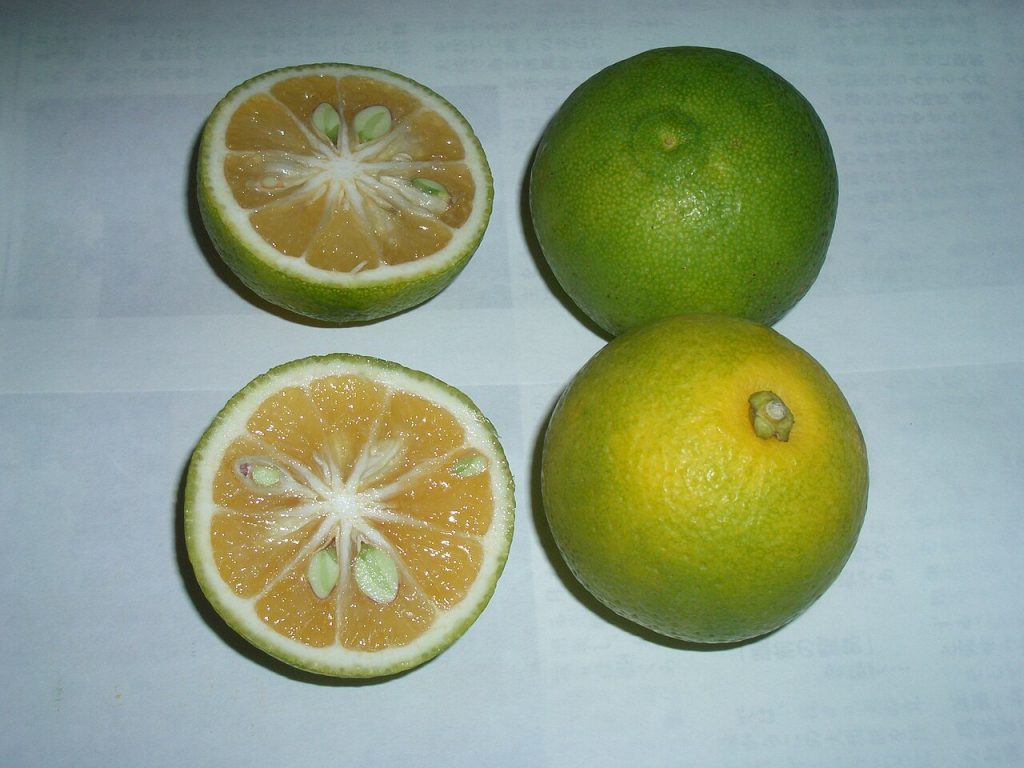
Kabosu (Citrus sphaerocarpa) is a traditional Japanese citrus grown mainly in Oita Prefecture on the island of Kyushu, indispensable in Japanese cooking for its unique aromatic acidity. Its hardiness reaches 10°F (−12°C) on the tree, making it growable in the ground in USDA zone 8a, among the hardiest of the Japanese citrus. The tree reaches 6.5 to 13 ft (2 to 4 m) with a rounded habit, aromatic evergreen foliage, and fragrant white flowers. Its round fruit, green (harvested green) or golden yellow (fully ripe), of medium size (2 to 2.8 in, or 5 to 7 cm) with thin skin, is harvested green from August to October in Oita, Japan, and in October to November according to Vessière, and holds a very acidic juice with fresh notes blending lime, yuzu, and wild mandarin. Indispensable with grilled fish, shabu-shabu, sashimi, and ponzu sauces. A few seeds. Graft onto Poncirus trifoliata, south-facing wall.
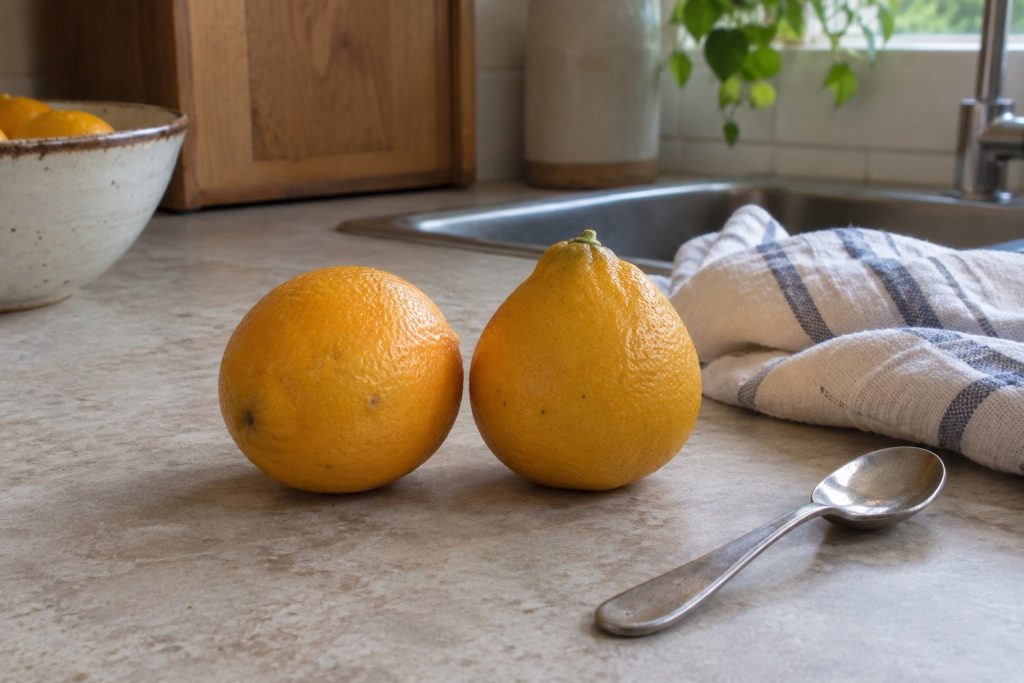
Origin: The Sunquat is an interspecific hybrid obtained by the USDA citrus breeding program in Florida, from a cross between […]
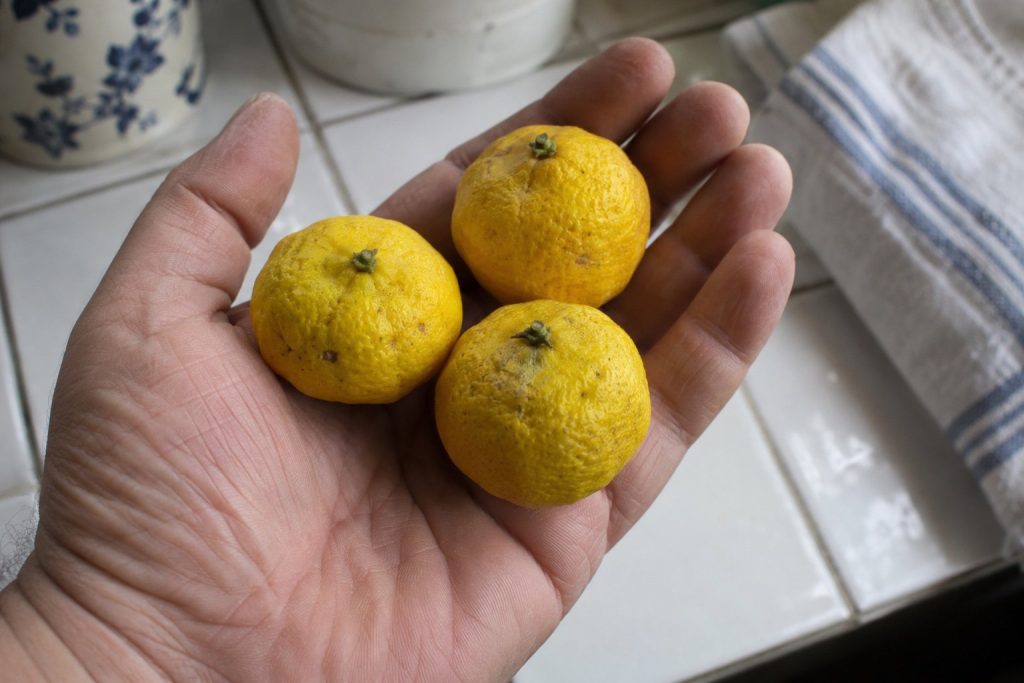
History & Description Origin Citrus ichangensis, commonly called Ichang papeda, is one of the most cold-resistant evergreen citrus known. Native […]
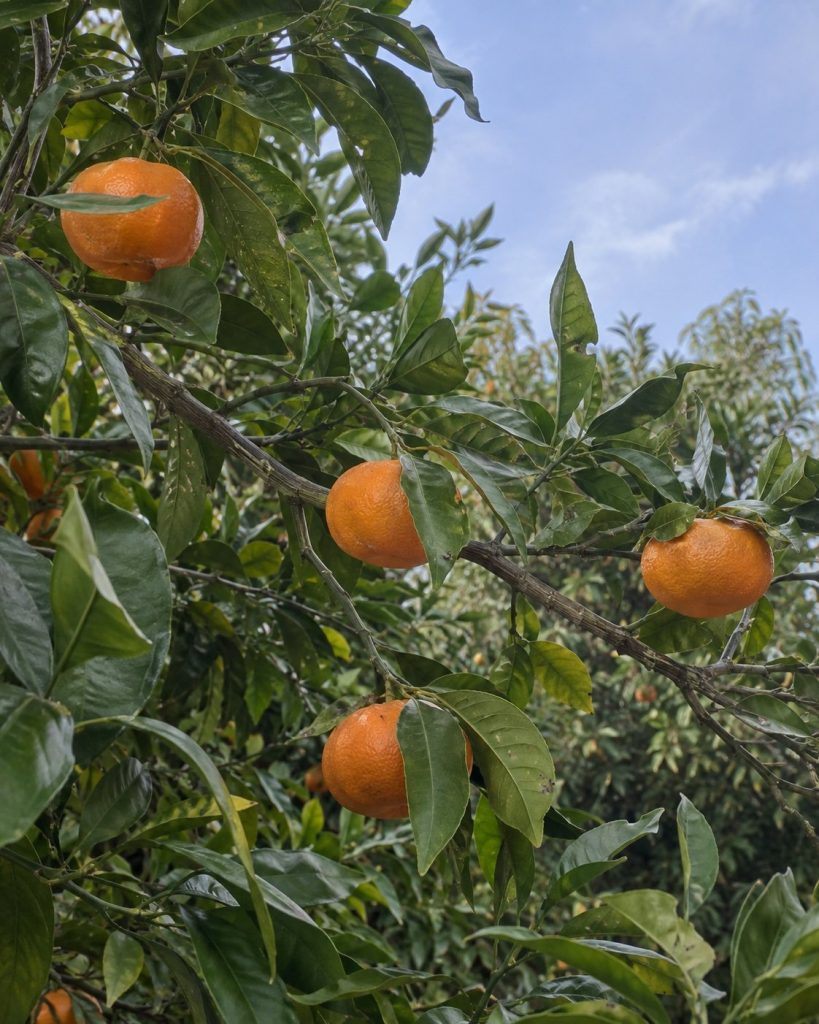
History & Description Origin The Clemenules clementine, also known as Nules, arose from a spontaneous natural mutation of the Fina […]
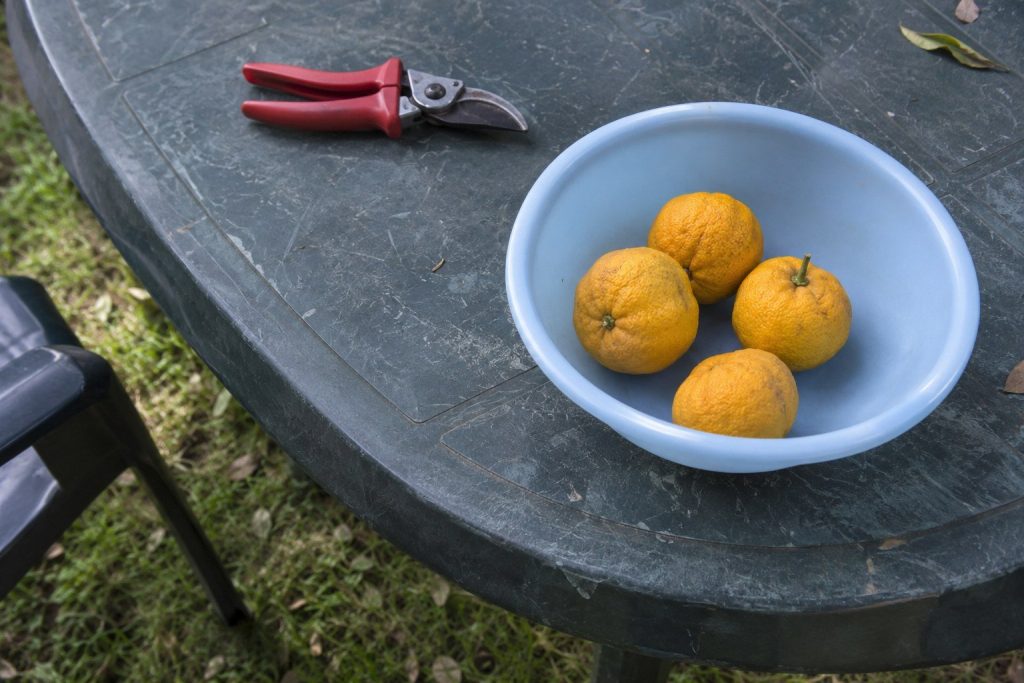
Gold Yuzu (Citrus junos ‘Gold’) is a modern selection of yuzu chosen for its smaller fruits, orange-tinged at full maturity, and its particularly intense golden yellow coloring at maturity. Its hardiness reaches 10°F (−12°C) on the tree, making it suitable for in-ground growing in USDA zone 8a. The tree reaches 10 to 13 ft (3 to 4 m) with a rounded, spreading habit, aromatic evergreen foliage, and very fragrant white flowers. Its deep golden yellow fruits, smaller in size (about 3.2 oz, or 90 g, according to Vessières), with bumpy, thick skin rich in essential oils, ripen in October to November and hold authentic yuzu juice with aromas blending mandarin, grapefruit, and orange blossom. Very tart and fragrant. Excellent as zest, juice, ponzu vinegar, and in niche pastry. Must be grafted onto Poncirus trifoliata to maximize hardiness; plant against a south-southwest-facing wall.