Juice

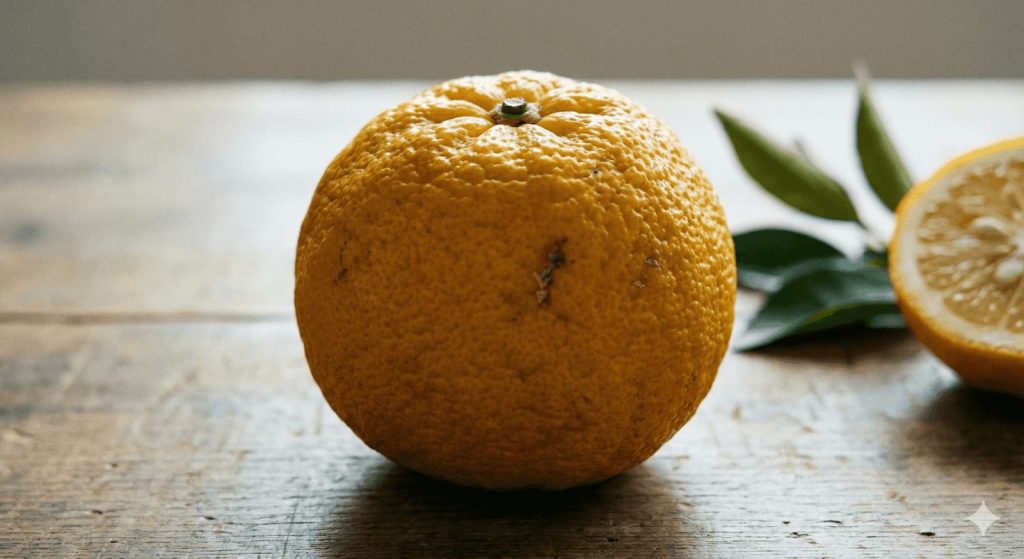
A rough-skinned orange citrus fruit and a cut half on a table

Yuko Lemon

Yuko lemon (Citrus yuko) is a rare Japanese citrus, sometimes called yellow yuzu, native to Japan where it has been grown for several centuries in coastal regions. Its hardiness reaches 14°F (−10°C) on the tree, with a USDA 8b climate benchmark used in this entry, indicative and to be confirmed for the material grown. The tree reaches 7 to 13 ft (2 to 4 m) with an upright habit, aromatic evergreen foliage, and fragrant white flowers. Its golden-yellow fruit, round to slightly flattened, with bumpy, thick skin, ripen in fall and concentrate a very fragrant sour juice evoking yuzu and lemon, with unique floral and resinous notes. Widely used in traditional Japanese cooking, in juice, zest, ponzu vinegar, and in niche pastry. A few seeds. Graft onto Poncirus trifoliata for hardiness, plant against a south wall. A rare collector’s citrus, little distributed in French garden centers.
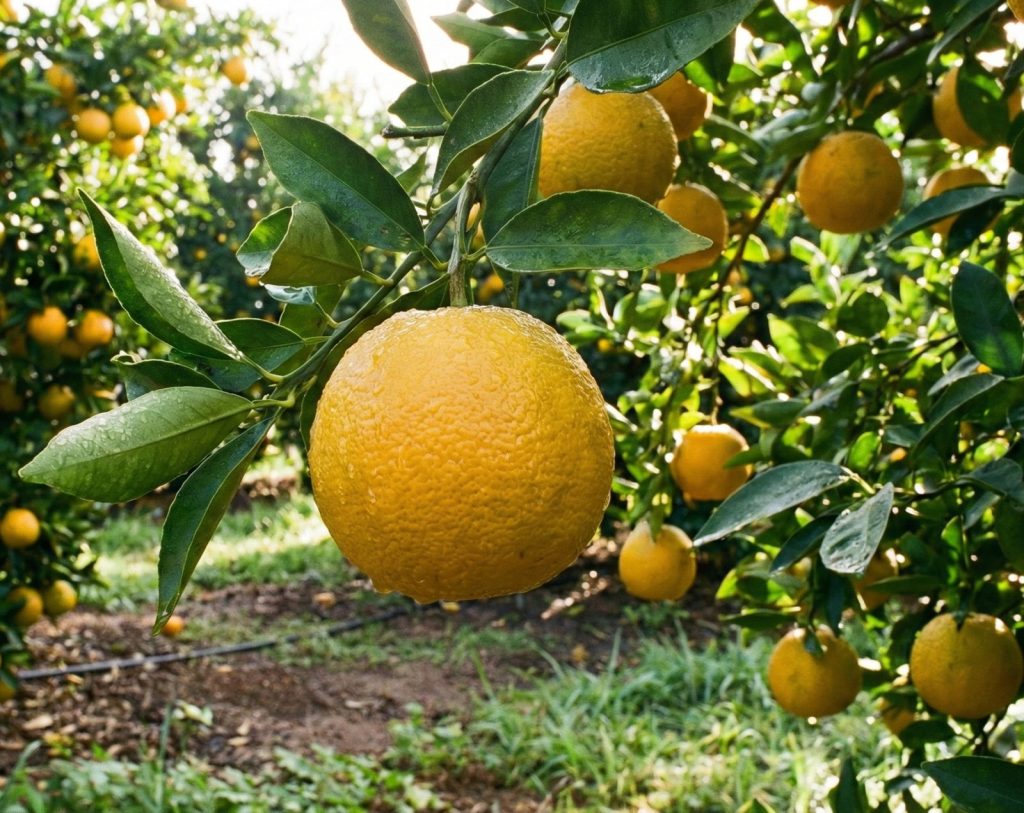
An orange citrus fruit hanging from a branch in a garden

Citradia 139

Citradia 139 (Citrus x citradia) is a rare citrus × Poncirus hybrid, a numbered reference selection from a hardiness breeding program intended to produce edible fruit in regions with continental winters. Its hardiness reaches 9°F (−13°C) on the tree, among the hardiest citrus in the inventory, making it suitable for in-ground growing in USDA zone 8b. The tree can reach 16 to 20 ft (5 to 6 m) in the ground with an upright, semi-thorny habit, semi-evergreen foliage, and white spring flowers. Its yellow-orange, medium-sized fruit, with thick skin, are harvested from October-November according to the Vessière catalog and offer a tart aromatic juice with a more marked residual bitterness than standard citrus, inherited from the Poncirus parent, suitable for marmalade, blended juice, or marinade. Niche variety for collectors. Graft onto Poncirus trifoliata, plant against a south-southwest-facing wall, in well-drained soil.

Round yellow citrus fruit hanging among green leaves

Auline

Auline (Citrus hybrid ‘Auline’) is a complex citrus hybrid of still-debated botanical classification, identified in nursery collections as particularly interesting for its hardiness and balanced flavor quality. Its hardiness reaches 12°F (−11°C) on the tree according to nurseries, making it suitable for in-ground growing in USDA zone 8a. The tree reaches about 13 ft (4 m) with a slightly weeping habit, evergreen foliage, and fragrant white flowers in spring. Its large fruit, about 9 oz (250 g), smooth and yellow-orange like a big grapefruit, ripen from February to April, with a harvest sometimes extended to June depending on the nursery, and offer juicy flesh with a balanced sour-sweet taste and aromatic notes recalling both mandarin and yuzu. Excellent for fresh eating by enthusiasts and in blended juice. Niche variety for collectors of hybrid citrus. Graft onto Poncirus trifoliata, south-facing wall, well-drained soil.

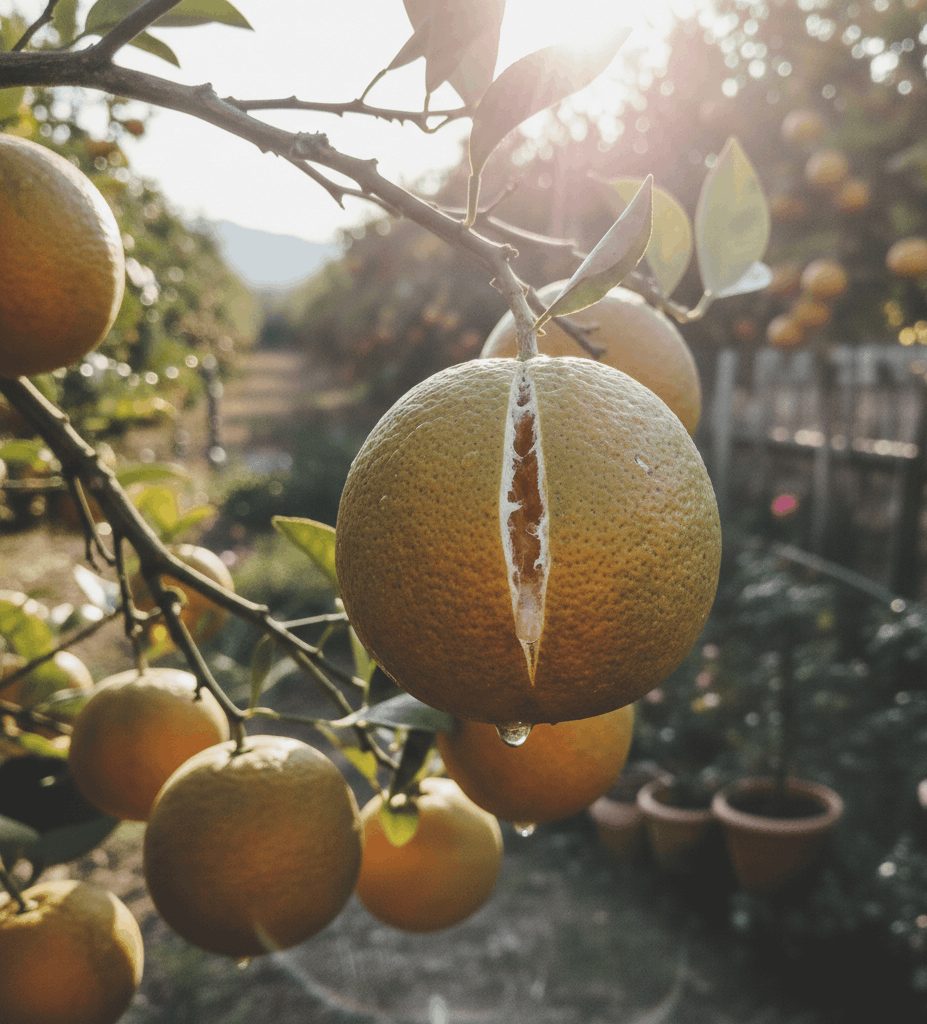
A split citrus fruit hanging on a branch

US 119

US-119 (Citrus hybrid ‘US 119’) is a complex American hybrid created by the USDA program, combining mandarin, grapefruit, and Poncirus trifoliata to produce a fruit pleasant to eat combined with great hardiness. Its hardiness reaches 7°F (−14°C) on the tree, among the hardiest citrus in the inventory, making it suitable for in-ground growing as far as USDA zones 7b and 8a. The tree reaches 10 to 13 ft (3 to 4 m) with an upright, semi-thorny habit, evergreen foliage, and fragrant white flowers. Its bright orange, medium to large fruit, with thin, easy-to-peel skin and few seeds, ripen in winter and offer juicy, sweet, fragrant flesh, among the most pleasant of the ultra-hardy citrus, without marked residual bitterness. Grown in the vineyards of northern California as a productive supplementary citrus. Graft onto Poncirus trifoliata, plant against a south-facing wall, in well-drained soil.

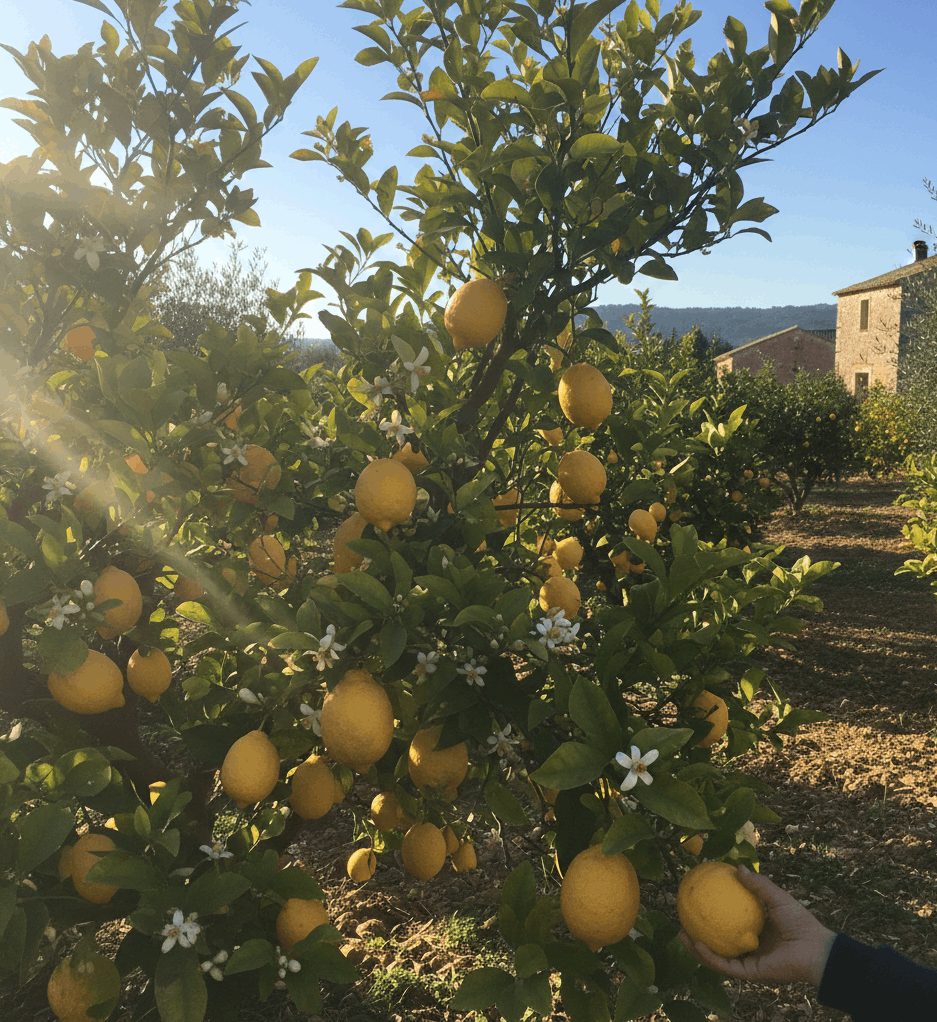
A sunlit citrus tree bearing yellow fruit

Meyer Lemon

Meyer lemon (Citrus × meyeri) is a natural hybrid between the lemon and the mandarin or orange, native to China and introduced to the United States in 1908 by the botanist Frank Meyer. Its hardiness reaches 19°F (−7°C) on the tree, higher than that of the standard lemon, 25°F (−4°C), making it suitable for in-ground growing in USDA zones 8b and 9a. The compact tree reaches 7 to 10 ft (2 to 3 m) with a rounded habit, glossy evergreen foliage, and very fragrant white-mauve flowers, almost continuous. Its round yellow-orange fruit, with thin, smooth skin, ripen mostly in winter, with intermittent harvests all year depending on conditions, and have a juice that is less acidic than the standard lemon, fragrant and slightly sweet, ideal in pastry, lemonades, sauces, and Asian cooking. Fruit hardiness, 27°F (−3°C), remains limited: harvest before the first severe frost. Graft onto Poncirus trifoliata for in-ground growing, or grow in a container for colder zones.

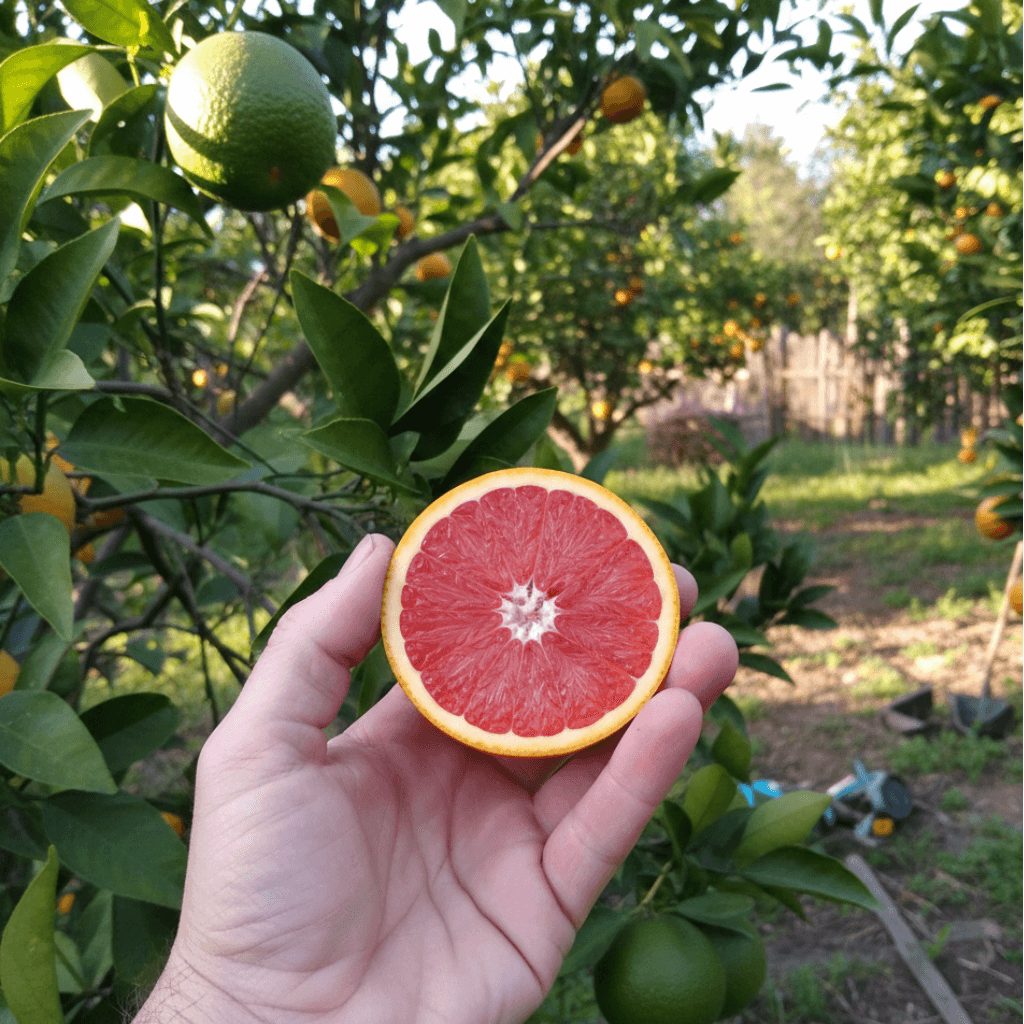
A hand holding half a pink-fleshed citrus fruit beside a tree

Cara Cara Orange

Cara Cara orange (Citrus sinensis ‘Cara Cara’) is a natural mutation of Washington Navel discovered in Venezuela in 1976, famous for its pink-red flesh due to the presence of lycopene. Its hardiness reaches 14°F (−10°C) on the tree, slightly higher than that of Washington Navel, making it suitable for in-ground growing in USDA zone 8b. The vigorous tree reaches 10 to 16 ft (3 to 5 m) with a rounded habit, evergreen foliage, and fragrant white flowers. Its bright orange, medium to large fruit, easy to peel and seedless, ripen mainly from December to February, with possible holding on the tree until May, and have intense pink to red flesh, sweet and low in acidity, with notes of strawberry and rose. Excellent fresh, as juice (spectacular color), in salads, or as sorbet. Graft onto Poncirus trifoliata for hardiness. Plant against a south-facing wall, in well-drained soil, with winter mulch.

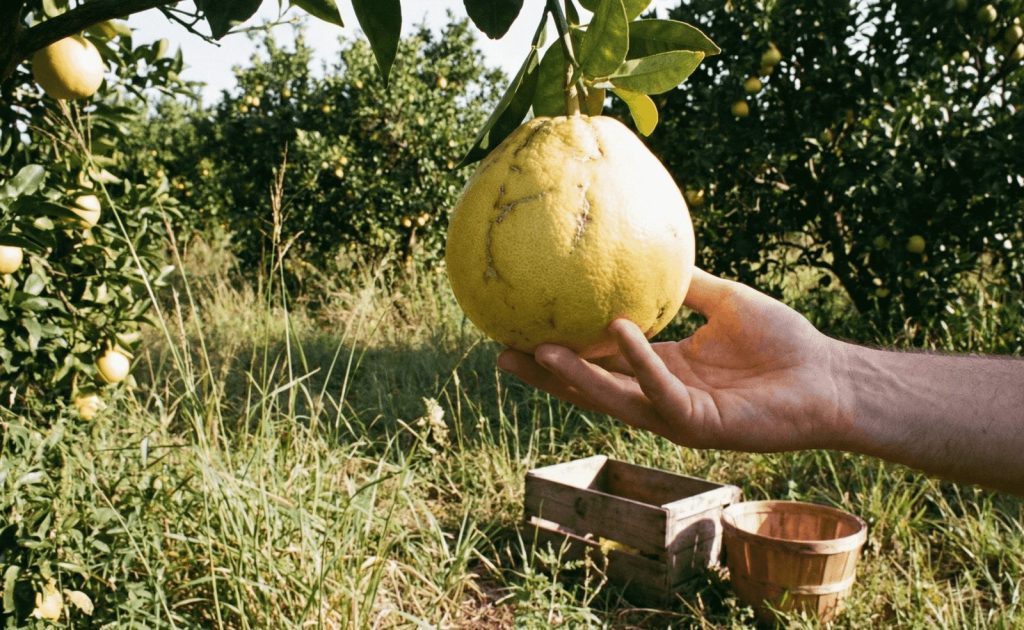
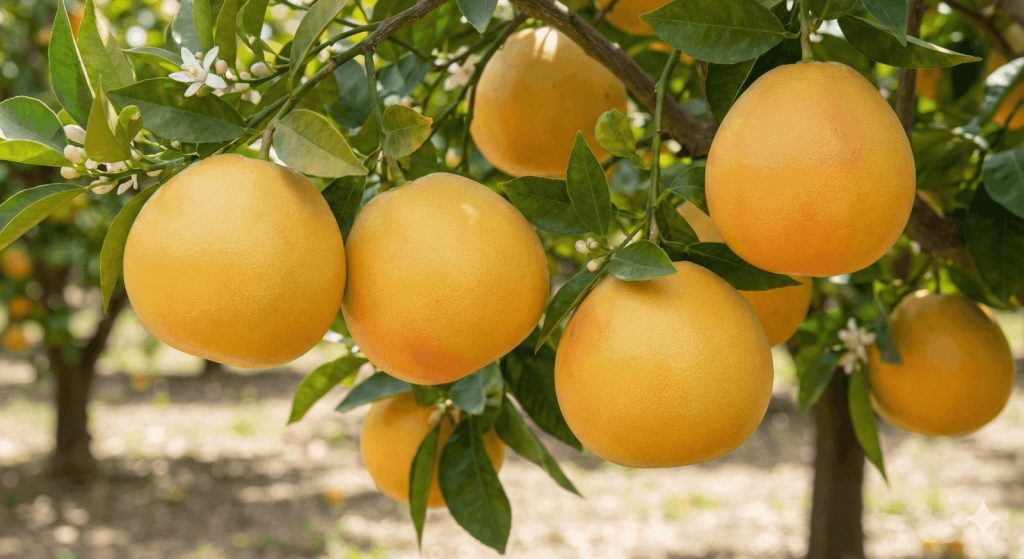
A hand supporting a large pale yellow citrus fruit on a tree

Duncan Grapefruit

Duncan grapefruit (Citrus × paradisi ‘Duncan’) is one of the oldest grapefruit varieties grown in Florida, a spontaneous hybrid between pummelo and sweet orange identified in the 19th century. Its hardiness reaches 14°F (−10°C) on the tree, classed among the citrus to plant in USDA zone 8b by Biggio and Londeix; G. Roques’s proposal applies to established specimens protected in their first years. The vigorous tree reaches 13 to 20 ft (4 to 6 m) with an imposing rounded habit, glossy evergreen foliage, and fragrant white flowers. Its very large yellow fruit, weighing 10.6 to 17.6 oz (300 to 500 g), with thick skin, contain juicy white-pink flesh with a characteristic taste combining sweetness, frank bitterness, and acidity, with many seeds. Excellent at breakfast, as juice, or in confectionery (candied peel). Reference variety for aromatic quality among grapefruits. Graft onto Poncirus trifoliata, plant against a south wall, in well-drained soil.

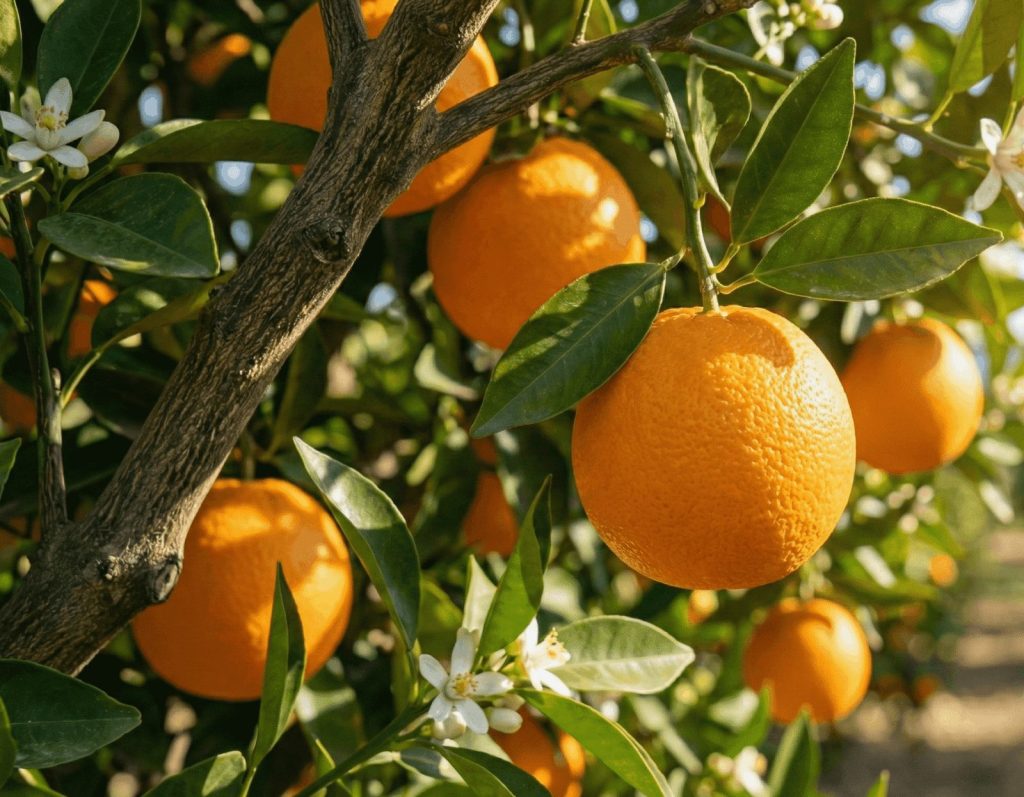
Orange citrus fruit and white blossoms on a branch

Navelina Orange

Navelina orange (Citrus sinensis) is an early navel orange, an Italian mutation of Washington Navel discovered in the early 20th century and widely grown in Spain. Its hardiness reaches 16°F (−9°C) on the tree, making it suitable for in-ground growing in USDA zones 8b and 9a. The vigorous tree reaches 10 to 16 ft (3 to 5 m) with a rounded habit, glossy evergreen foliage, and very fragrant white flowers in spring. Its bright orange, medium to large fruit, weighing 6.3 to 9.9 oz (180 to 280 g), with a well-marked secondary navel, thin skin that is easy to peel, and no seeds, ripen early (November to January) with juicy, sweet, low-acid, fragrant flesh. The best early table orange, ideal for the year-end holidays. Excellent fresh and as juice squeezed immediately (it oxidizes quickly). Graft onto Poncirus trifoliata and plant against a south-facing wall.

Scroll to Top