Juice

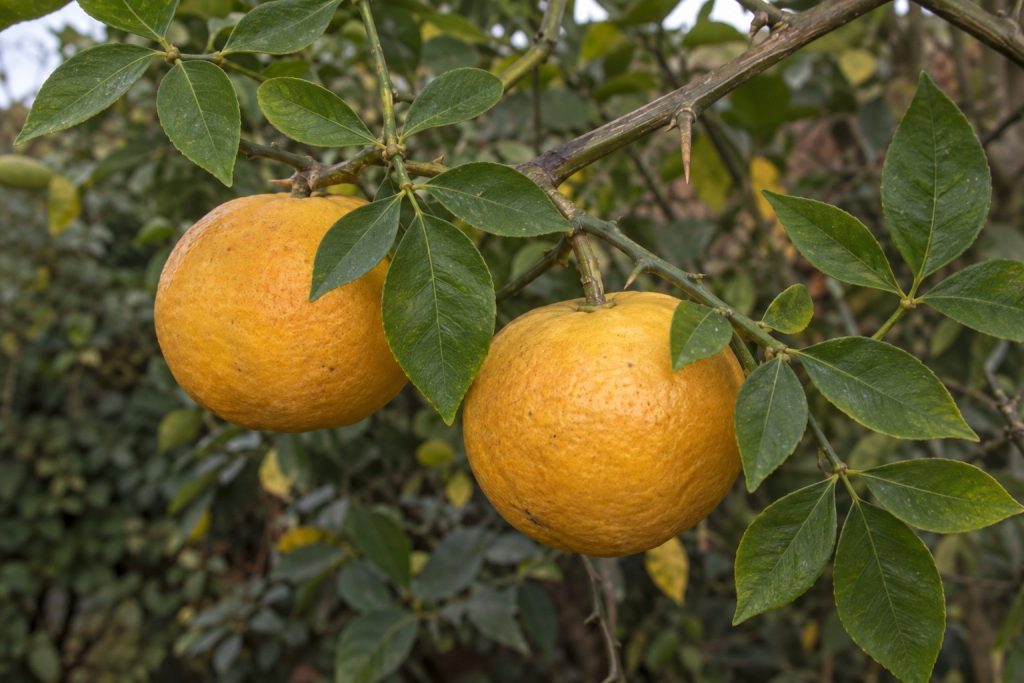
Orange citrus fruit beside visibly trifoliate leaves

Morton Citrange

Morton citrange (× Citroncirus ‘Morton’) is one of the first Poncirus × orange hybrids ever selected, created by the American USDA program in the early 20th century. Its tree hardiness reaches 5°F (−15°C), among the hardiest edible citrus, making it viable in the ground up to USDA zone 7b. The vigorous tree reaches 10 to 16 ft (3 to 5 m) with an upright, thorny habit, semi-evergreen trifoliate foliage like its Poncirus parent, and white spring flowers. Its yellow-orange fruit, 3.5 to 7 oz (100 to 200 g) with thick skin, ripen in winter and give a markedly sour juice with a sweet-orange aroma, acceptable as juice, in marmalade, or as a cocktail base. A historic reference of the American hardy hybridization program. Graft onto Poncirus trifoliata; it will take continental winters without flinching. Well-drained soil; a south wall is recommended.
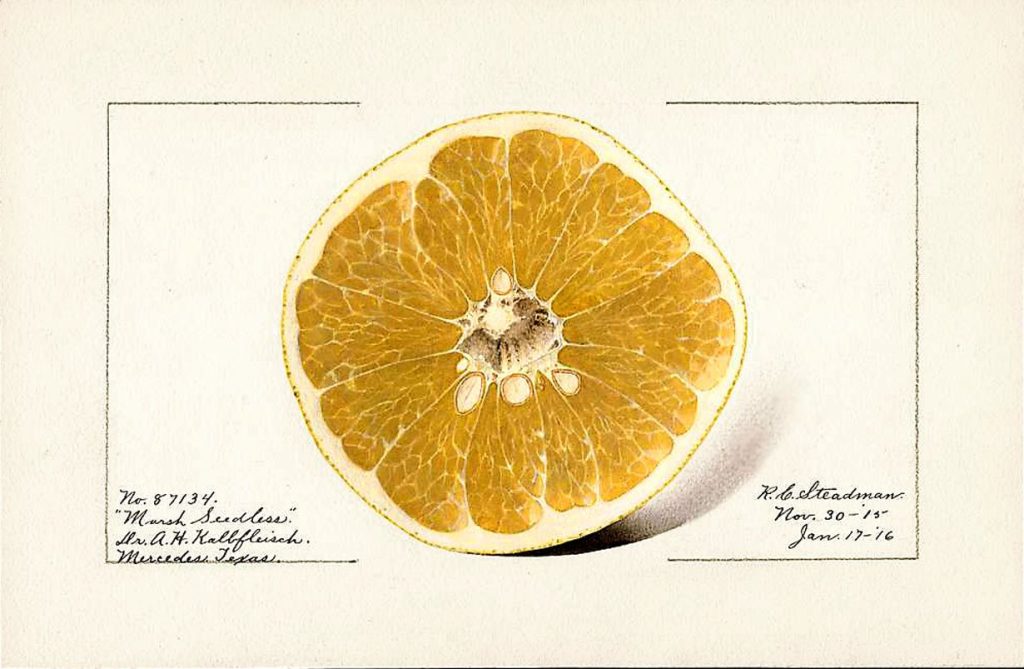
A historic botanical illustration of a cut citrus fruit

Marsh Seedless Grapefruit

Origin: Marsh Seedless grapefruit is one of the most iconic and widely grown grapefruit varieties in the world, a true […]

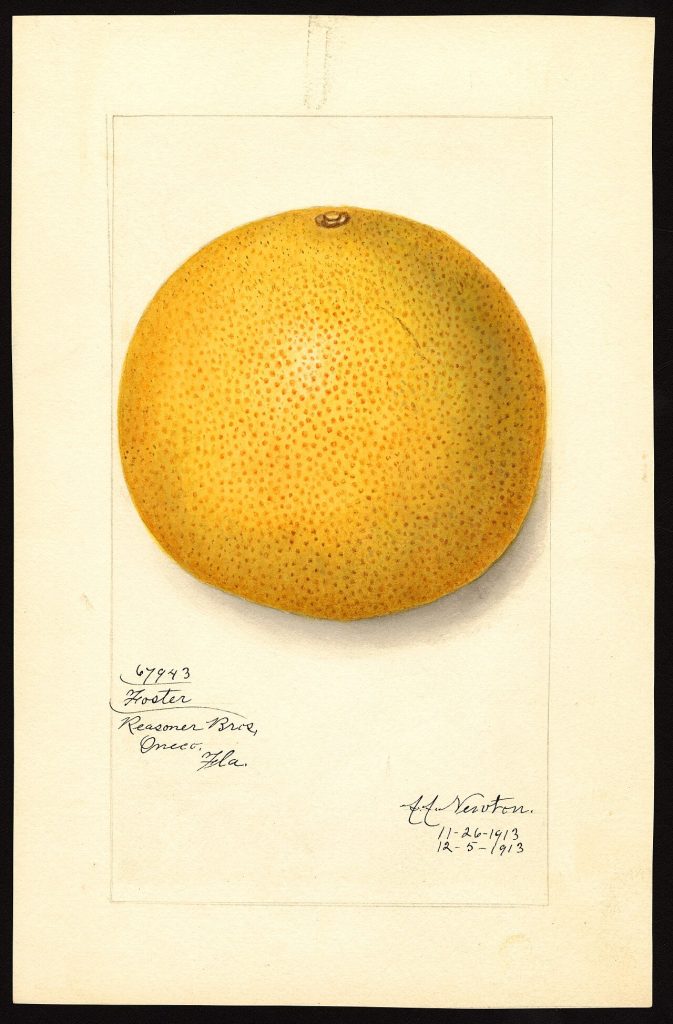
A framed historic botanical illustration of a whole citrus fruit

Foster Grapefruit

Origin: The Foster grapefruit is a historic Citrus paradisi cultivar native to Florida. It is a sport (spontaneous bud mutation) […]

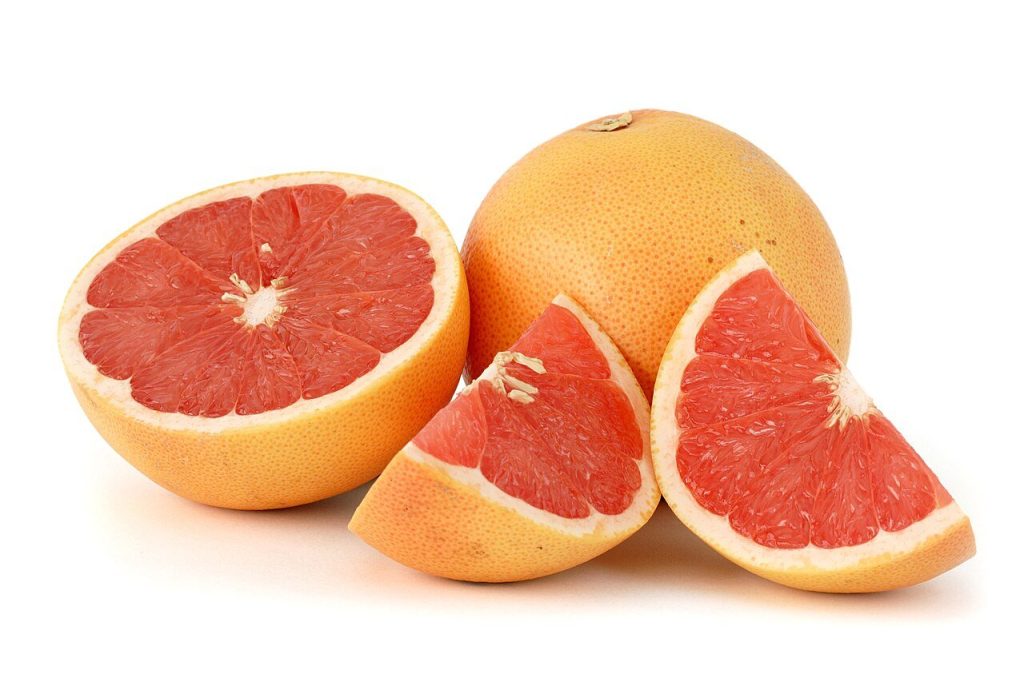
Whole and cut pink-fleshed citrus fruit

Welker Grapefruit

Origin: The Welker grapefruit (Citrus paradisi ‘Welker’) is a variety selected specifically for its exceptional cold resistance among Citrus paradisi. […]

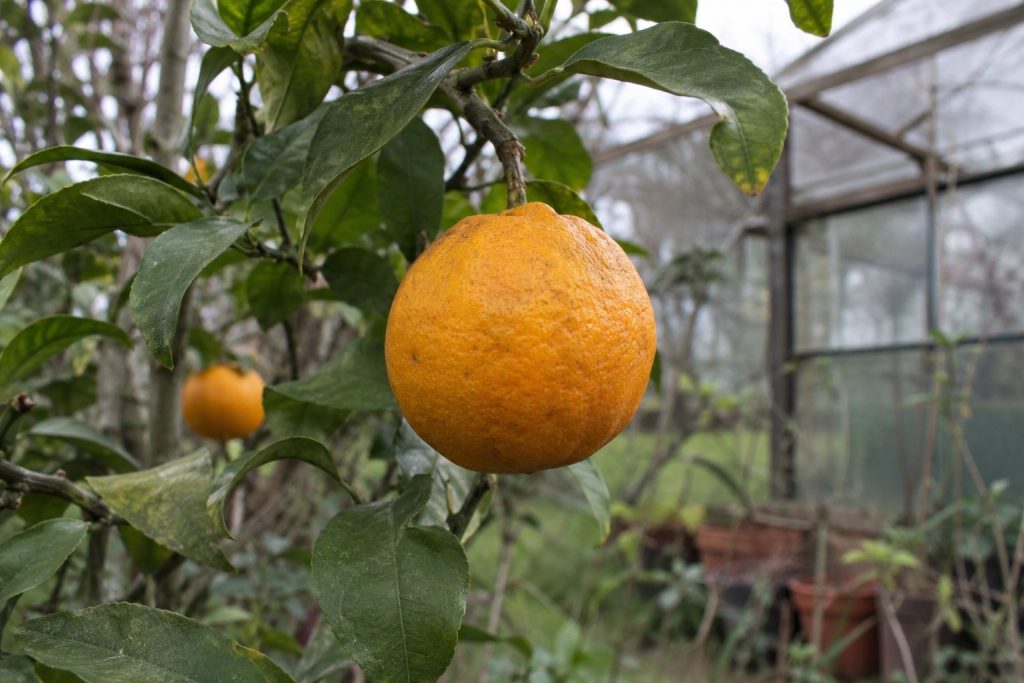
A round orange citrus fruit hanging on a branch

Troyer × Rangpur Lime

The Troyer × Rangpur lime (Troyer citrange × Citrus × limonia) is a modern hybrid between the Troyer citrange and the Rangpur lime, selected to combine hardiness and aromatic acidity. Its hardiness reaches 10°F (−12°C) on the tree, making it growable in the ground in USDA zone 8a. The tree reaches 10 to 13 ft (3 to 4 m) with an upright, semi-thorny habit, aromatic evergreen foliage, and fragrant white flowers in spring. Its yellow-orange fruit, medium in size (about 2.1 oz, or 60 g according to Bois de Rode Bos), with thin skin, ripens in winter and holds a very acidic, fragrant juice with complex notes blending classic lime and Rangpur lime, with unique Indian accents. Excellent in Indian cooking (chutney, achar, dhal), in marinades, and in limeade. A few seeds. A niche variety for collectors of hybrid citrus. Graft onto Poncirus trifoliata, plant against a south-facing wall, well-drained soil.

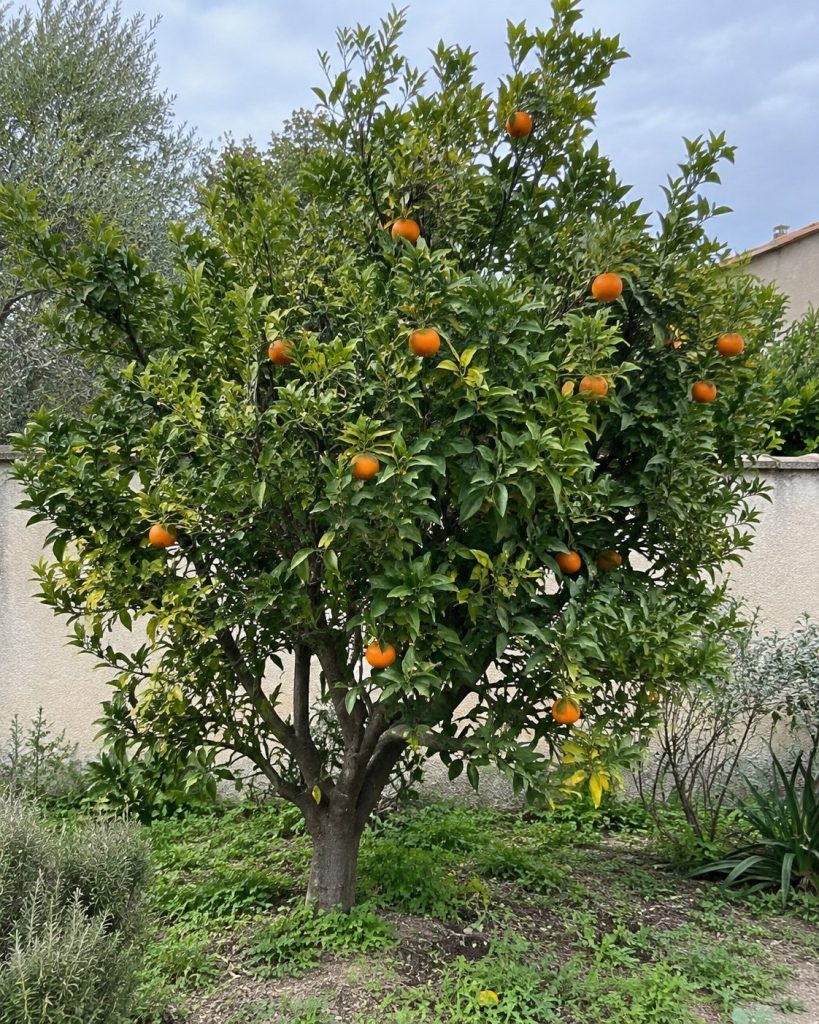
A small citrus tree bearing orange fruit in a garden

Ponkan Mandarin

Origin: The Ponkan mandarin, or Citrus reticulata ‘Ponkan’, has been one of the most widely grown and appreciated mandarins in […]

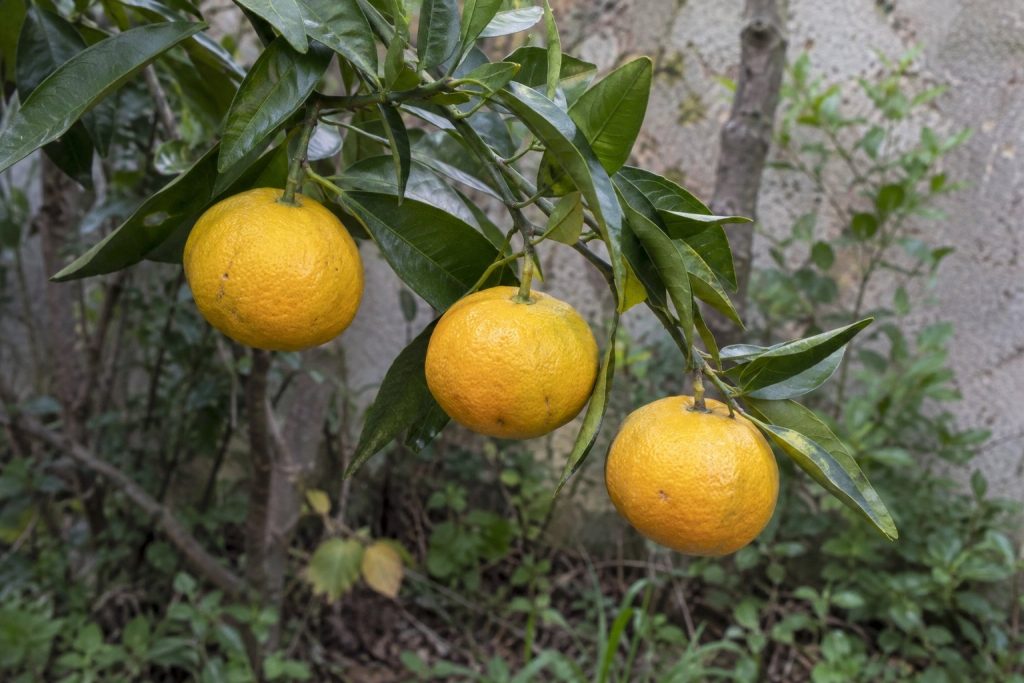
Three yellow-orange citrus fruit on a leafy branch

Keraji Voss D14 Mandarin

The Keraji Voss D14 mandarin (Citrus keraji ‘Voss D14’) is a clonal selection of the classic Keraji made by the German breeder Bernhard Voss, numbered D14 in his hardy hybridization program. Its hardiness reaches 14°F (−10°C) on the tree, slightly lower than the standard Keraji, but with improved taste or productive quality. Growable in the ground in USDA zones 8a to 8b. The compact tree reaches up to 13 ft (4 m) according to Vessière, with a rounded habit, aromatic evergreen foliage, and fragrant white flowers. Its yellow-orange fruit, round-flattened and small (1.2 to 2 in, or 3 to 5 cm), with thin skin that is very easy to peel, is harvested from September to November, with full maturity in November according to Vessière, with juicy flesh balanced between sweetness and acidity, with subtle floral notes characteristic of the Keraji. A few seeds. Graft onto Poncirus trifoliata, south-facing wall.

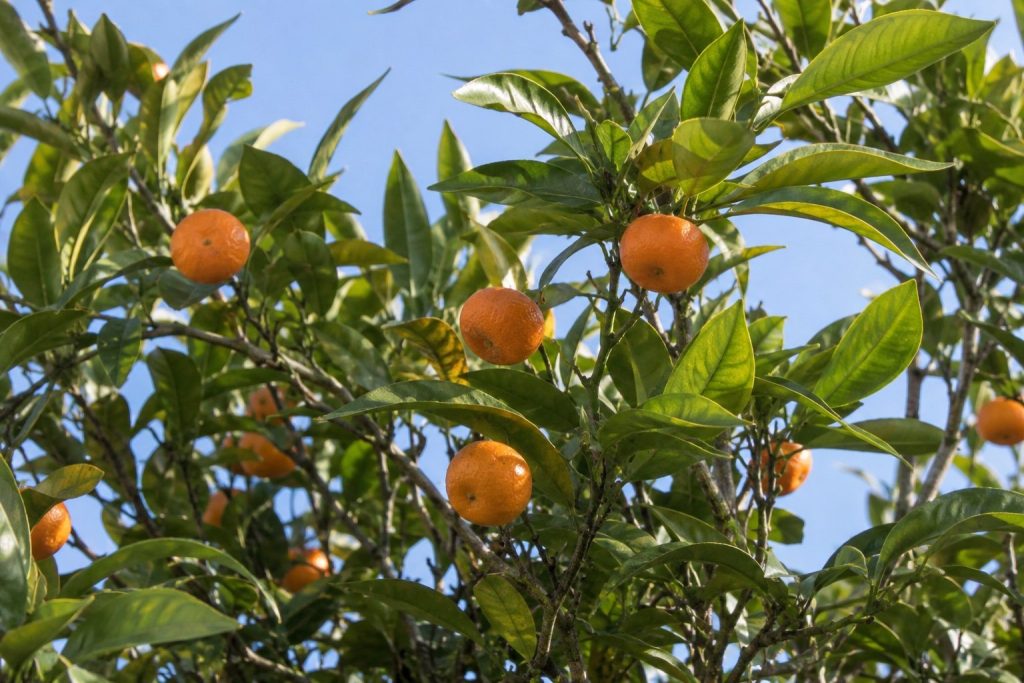
Small orange citrus fruit on a tree against the sky

Kishu Mikan Mandarin

Origin: The Kishu Mikan mandarin is native to southern China, cultivated since the eighth century and documented during the Ming […]

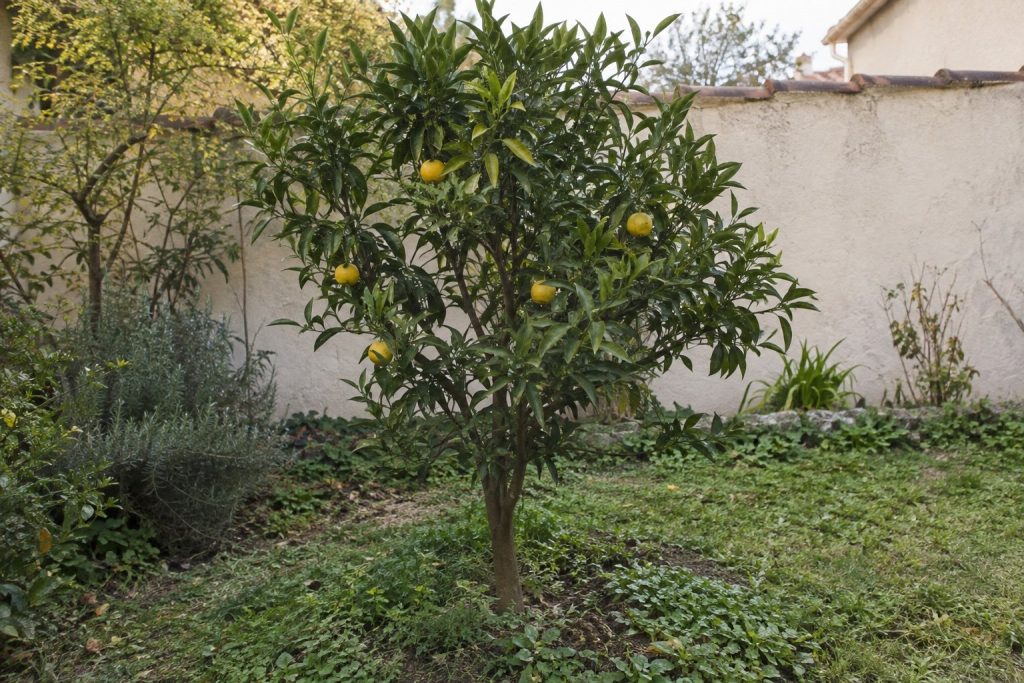
A garden citrus tree bearing yellow fruit beside a wall

Keraji Kabushi Mandarin

Origin: The Keraji Kabushi mandarin originates on the island of Kikaijima in the Amami-Oshima island group, in Kagoshima Prefecture, Japan. […]

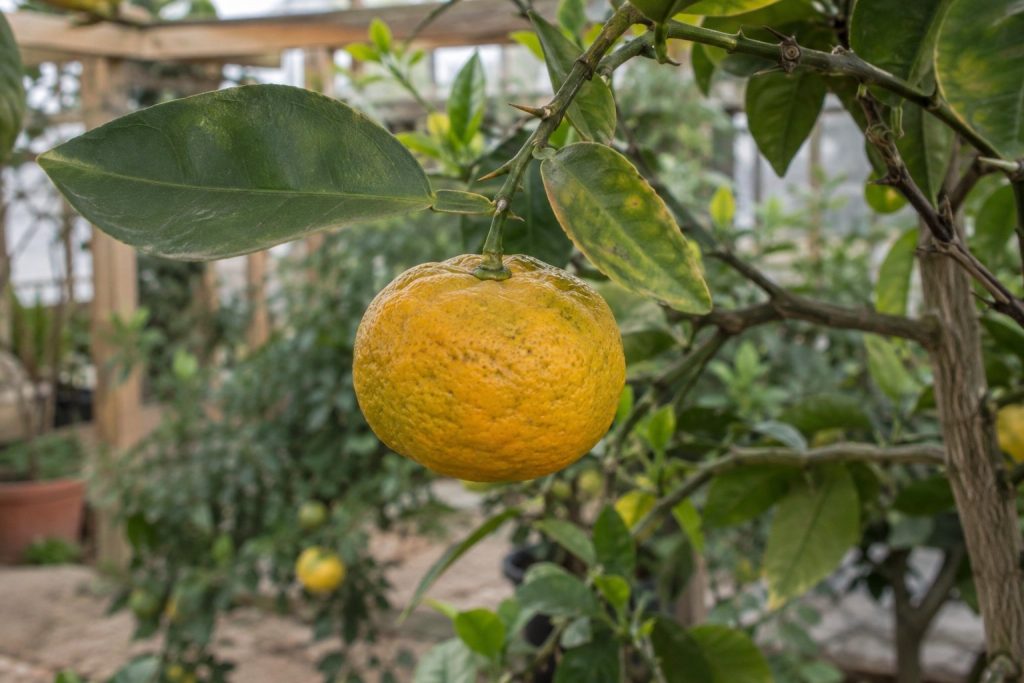
A rough-skinned yellow citrus fruit on a branch

Clementine × Yuzu 222

Origin: The Clementine × Yuzu 222 is a hybrid from the varietal breeding program of INRA (the French National Institute […]

Scroll to Top