Juice

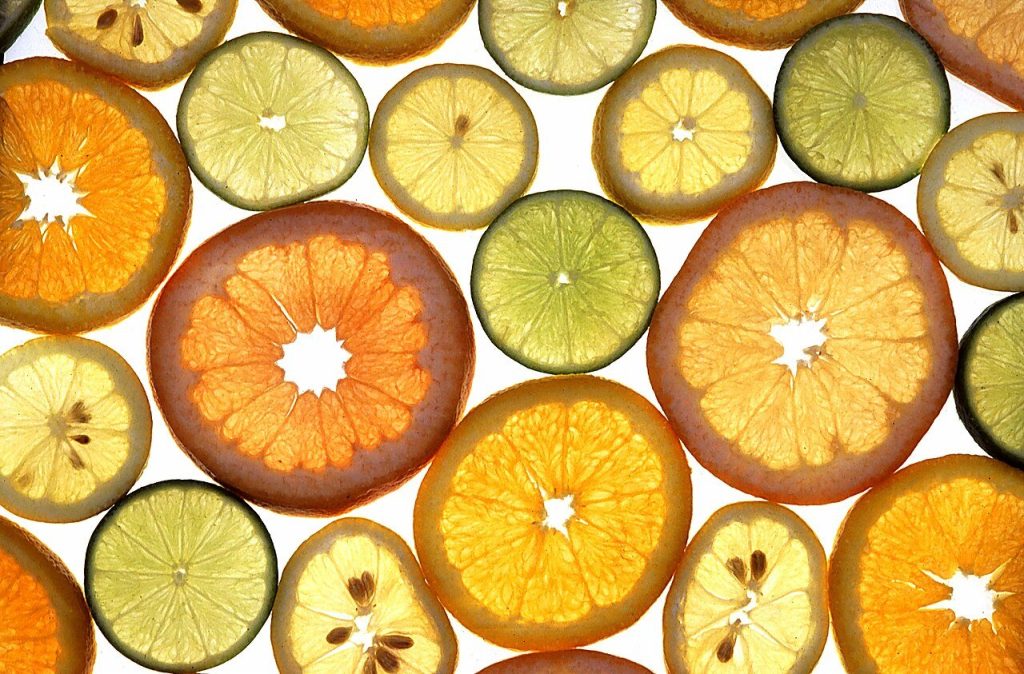
A selection of colorful citrus slices viewed from above

Blood Clementine

The Blood Clementine (Citrus × ‘Clementine Sanguine’), a hybrid of the clementine and the Moro blood orange, combines the clementine’s easy peeling with the intense red coloring of a blood orange. Its hardiness reaches 14°F (−10°C) on the tree, making it suitable for planting in the ground in USDA zones 8a to 8b. The tree grows 7 to 13 ft (2 to 4 m) tall with a rounded habit, evergreen foliage and fragrant white flowers. Its deep orange-red, medium-sized fruits (3.5 to 6.3 oz, or 100 to 180 g), with thin, easy-to-peel skin, ripen from December to February, with juicy flesh pigmented with anthocyanins (red to deep red), sweet, slightly tart and fragrant, with raspberry notes. Spectacular to look at and as juice (intense color). Excellent fresh, as juice and in sorbet. Graft onto Poncirus trifoliata, south-facing wall.
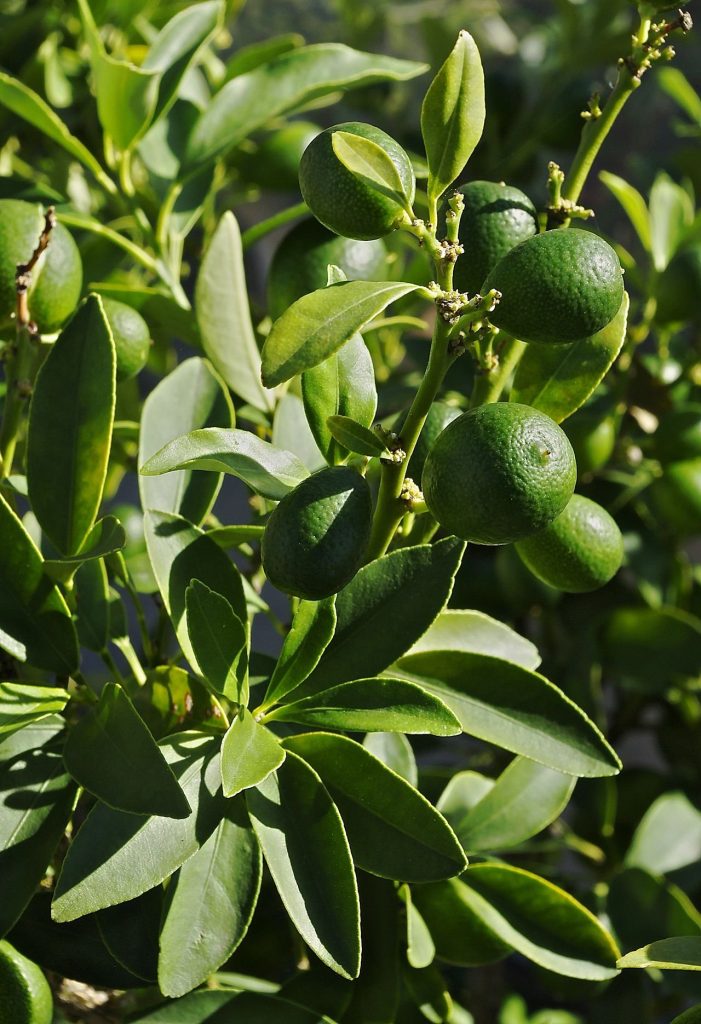
Small green citrus fruit among leaves

Fortune Mandarin

The Fortune mandarin (Citrus × ‘Fortune’) is a hybrid between the Clementine mandarin and the Dancy mandarin, bred in California to combine the sweetness of the clementine with greater hardiness. Its hardiness reaches 14°F (−10°C) on the tree, making it suitable for planting in the ground in USDA zones 8a to 8b. The vigorous tree grows 10 to 13 ft (3 to 4 m) tall with an upright habit, evergreen foliage and fragrant white flowers in spring. Its intense orange-red, medium to large fruits (4.2 to 6.3 oz, or 120 to 180 g), with thin, easy-to-peel skin, ripen late (February to April) with very juicy, sweet, low-acid, seedless flesh and a flavor balanced between mandarin and orange. The late-winter mandarin par excellence, extending the season after the early satsumas and clementines. Graft onto Poncirus trifoliata, plant against a south-facing wall.

Round yellow citrus fruit hanging among green leaves

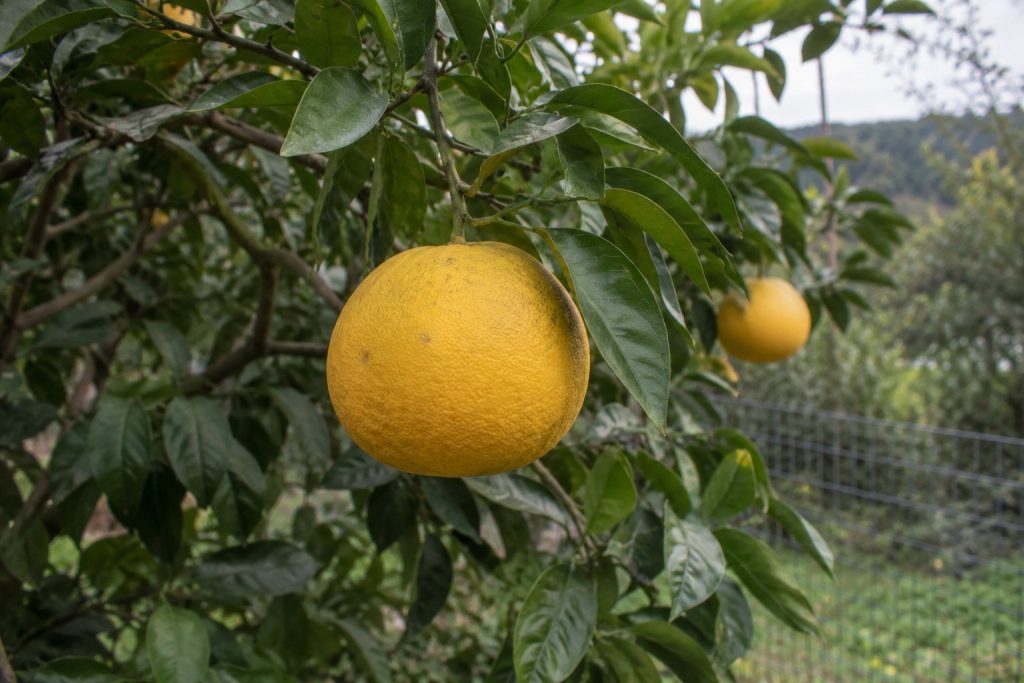
Hassaku Pento

The Hassaku Pento (Citrus × hassaku ‘Pento’) is a variant of the Japanese Hassaku, a pummelo-bitter orange hybrid citrus from Innoshima Island in Hiroshima Prefecture. Its hardiness reaches 10°F (−12°C) on the tree, making it suitable for planting in the ground in USDA zone 8a. The vigorous tree grows 10 to 16 ft (3 to 5 m) tall with an imposing rounded habit, evergreen foliage and fragrant white flowers. Its large yellow-orange fruits (8.8 to 14 oz, or 250 to 400 g), with thick, rough skin, ripen in November and December and offer slightly bitter flesh with balanced acidity and a complex aroma blending grapefruit and bitter orange. Excellent fresh for lovers of bold flavors, as juice and in marmalade. Graft onto Poncirus trifoliata, plant against a south-facing wall, in well-drained soil. A variety prized by connoisseurs of Japanese citrus.

An elongated rough orange citrus fruit on a branch

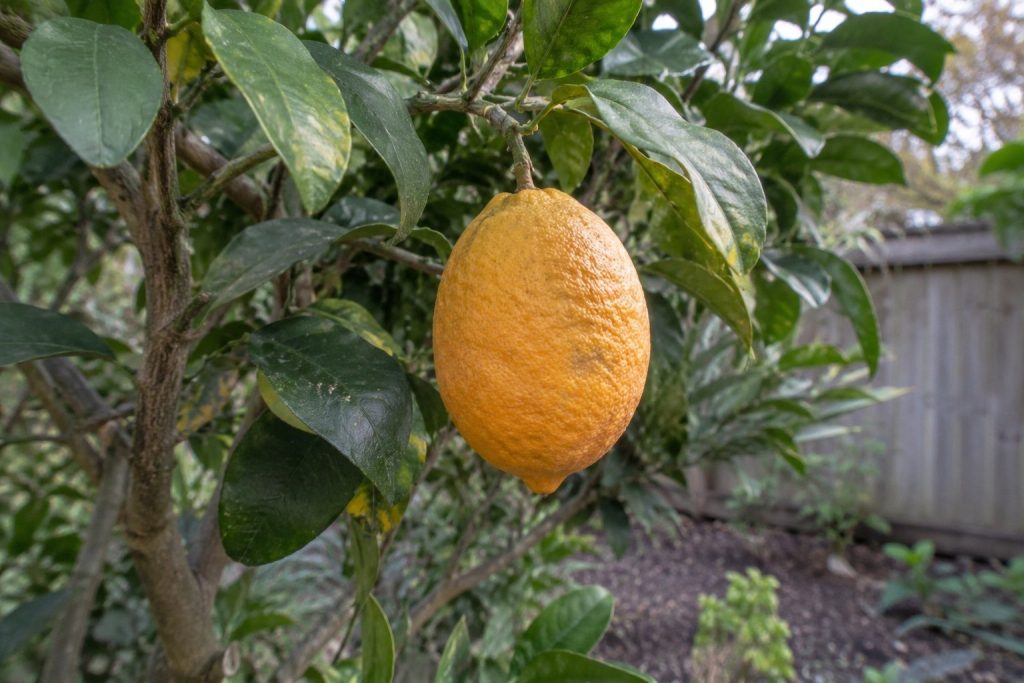
Karna Khatta Lime

The Karna Khatta lime (Citrus karna) is an old Indian citrus of unknown parentage, almost certainly a natural hybrid, widely used in India as a rootstock. Its hardiness reaches 10°F (−12°C) on the tree, making it suitable for planting in the ground in USDA zone 8a. The tree grows 8 to 10 ft (2.5 to 3 m) tall with an upright, thorny habit, aromatic evergreen foliage and fragrant white flowers. Its medium-sized fruits (2.8 to 4.6 oz, or 80 to 130 g), golden yellow to deep orange with a moderately thick rind, ripen in winter; the dull orange flesh is acidic, with a faint aroma of sour orange. Excellent in Indian cooking (chutney, achar, dhal), in marinades and as juice. Many seeds. A niche variety for collectors of Asian citrus. Graft onto Poncirus trifoliata, south-facing wall.
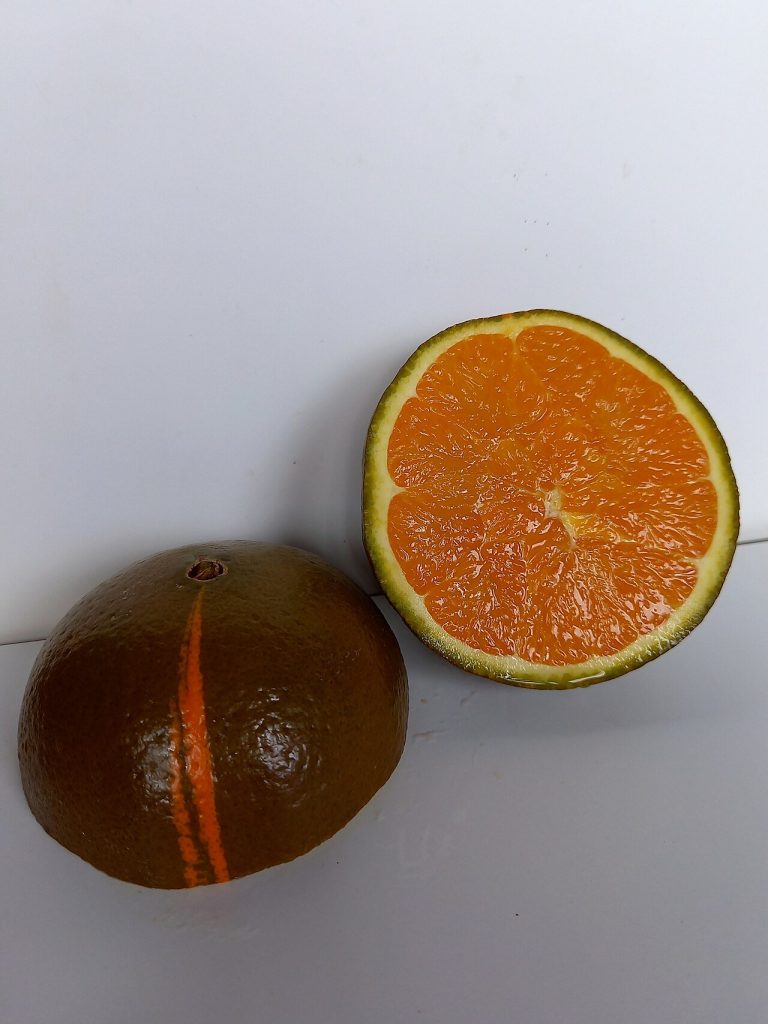
Whole and cut dark-skinned citrus fruit with orange flesh

Chocolate Orange

The Chocolate Orange (Citrus sinensis ‘Navel Chocolate’) is a navel orange mutation discovered in 2006 near Valencia, Spain, whose rind turns a striking coppery brown as it ripens. Its hardiness reaches 14°F (−10°C) on the tree, making it suitable for in-ground growing in USDA zones 8a to 8b. The tree reaches 10 to 16 ft (3 to 5 m) with a rounded habit, glossy evergreen foliage, and very fragrant white blossom in spring. Its fruits, coppery brown outside and bright orange inside, medium-sized (5 to 8 oz, or 150 to 220 g) and seedless, ripen from November to late January with very juicy, sweet, low-acid flesh. Visually spectacular when served whole. Excellent for fresh eating for the surprise effect, as juice, and as sorbet. A niche variety for collectors. Graft onto Poncirus trifoliata.

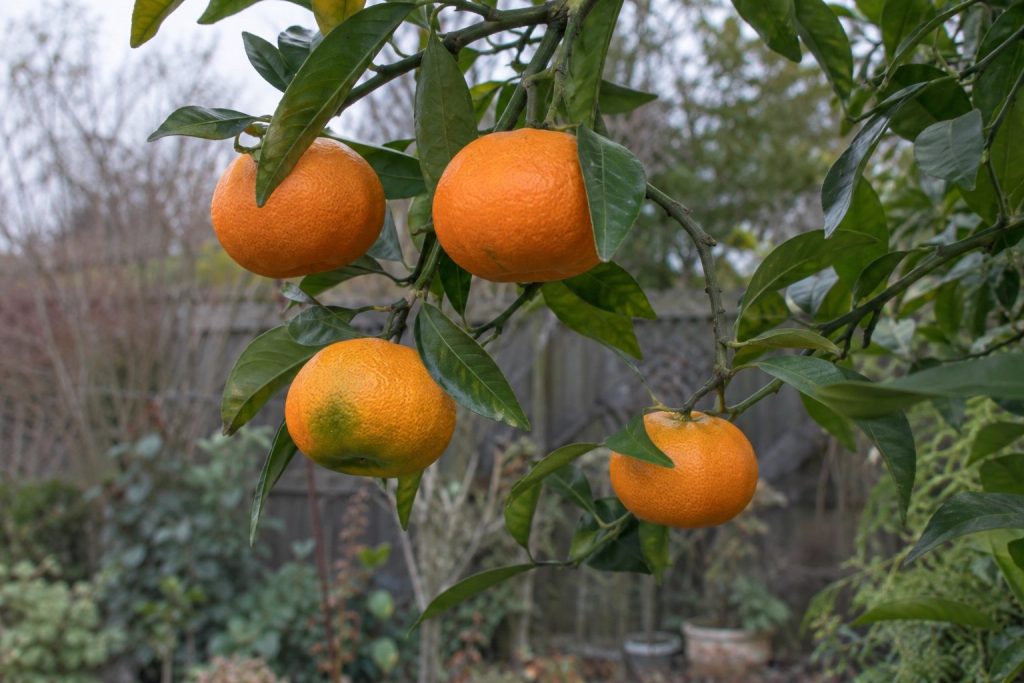
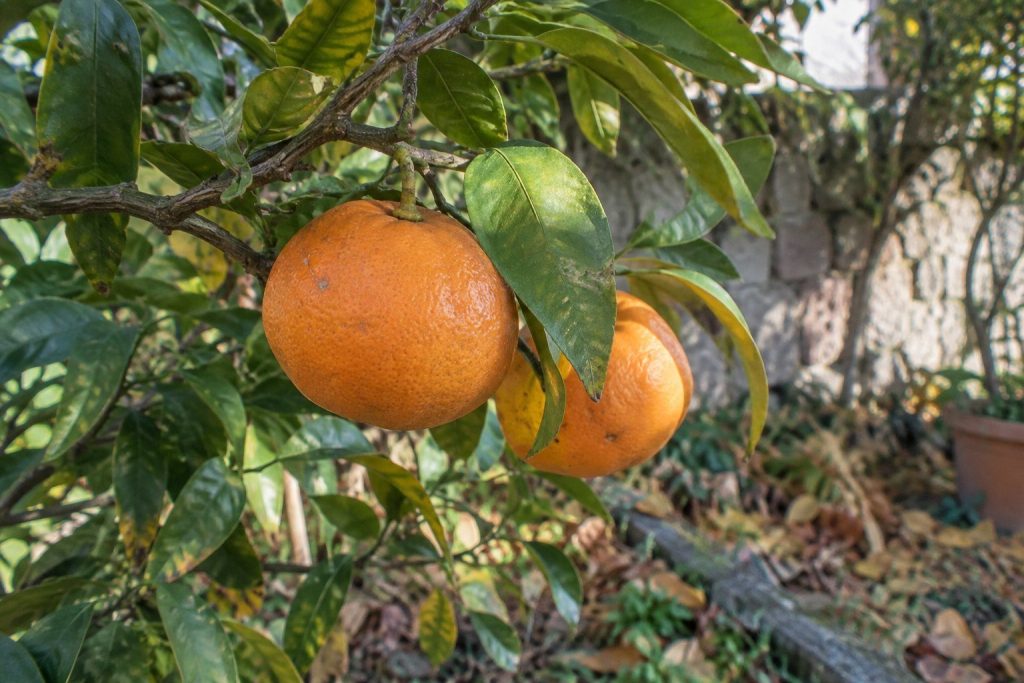
Orange citrus fruit hanging among green leaves

Hernandina Clementine

Origin: The Hernandina Clementine is a late Spanish variety discovered in the 1960s in Valencia, Spain, as a spontaneous mutation […]

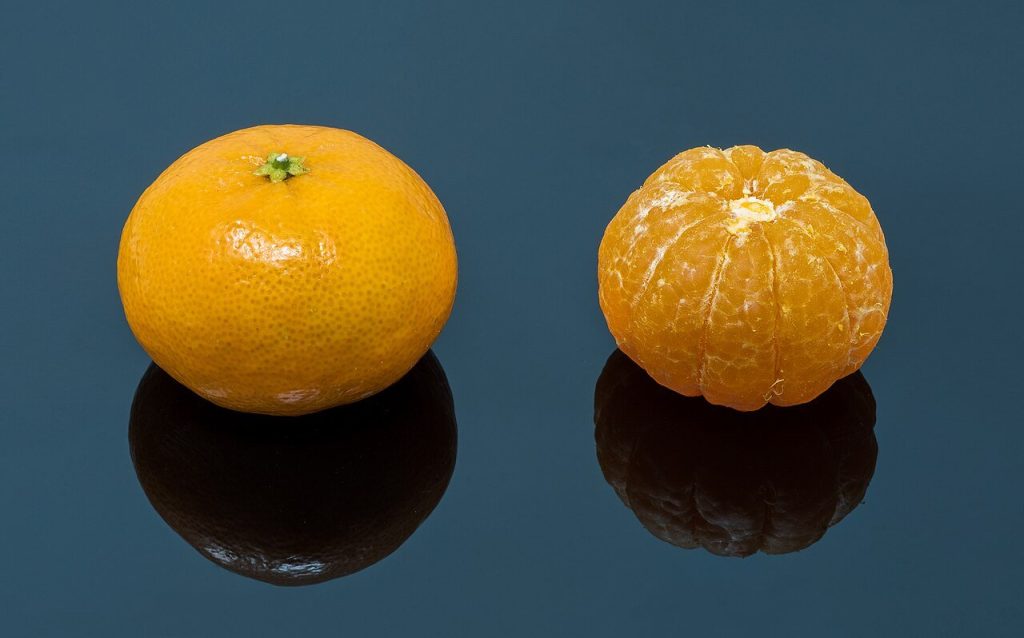
A whole and peeled orange citrus fruit against a dark background

Caffin Clementine

Origin: The Caffin Clementine is an old variety discovered in 1968 at Azemour de Caffin, Morocco, as a spontaneous mutation […]

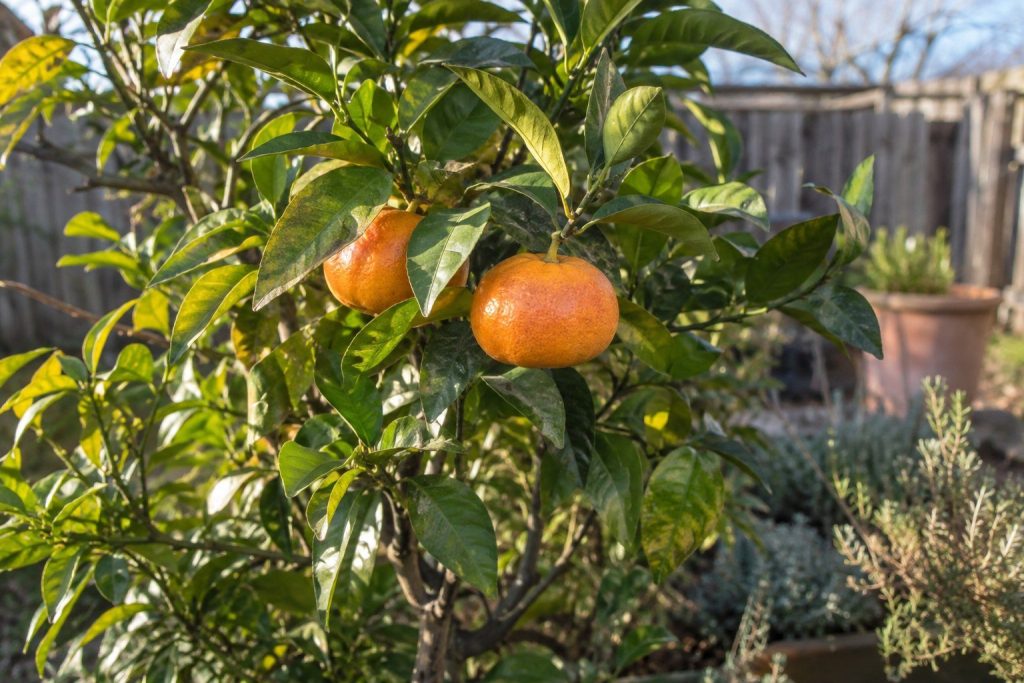
Orange citrus fruit hanging in sunlight

Mandared Mandarin

Origin: The Mandared Mandarin is a modern Italian hybrid developed in Sicily, the result of a sophisticated cross between the […]

Orange citrus fruit hanging on leafy branches

Owari Frost Satsuma Mandarin

The Owari Frost Satsuma Mandarin (Citrus × unshiu ‘Owari Frost’) is an American selection of the classic Owari, identified in Florida as particularly resistant to frost episodes. Its hardiness reaches 10°F (−12°C) on the tree, making it suitable for in-ground growing in USDA zone 8a. The tree reaches 6.5 to 10 ft (2 to 3 m) with a spreading, weeping habit, evergreen foliage, and fragrant white blossom. Its bright orange, medium-sized fruits (3.5 to 5.5 oz, or 100 to 150 g), seedless, with thin, very easy-to-peel skin, ripen in November and December with juicy, sweet, low-acid flesh, identical to that of the standard Owari but with increased cold resistance. Excellent for fresh eating, juice, and sorbet. Graft onto Poncirus trifoliata, plant against a south-facing wall, in well-drained soil, with generous winter mulch. Harvest before the first severe frosts.

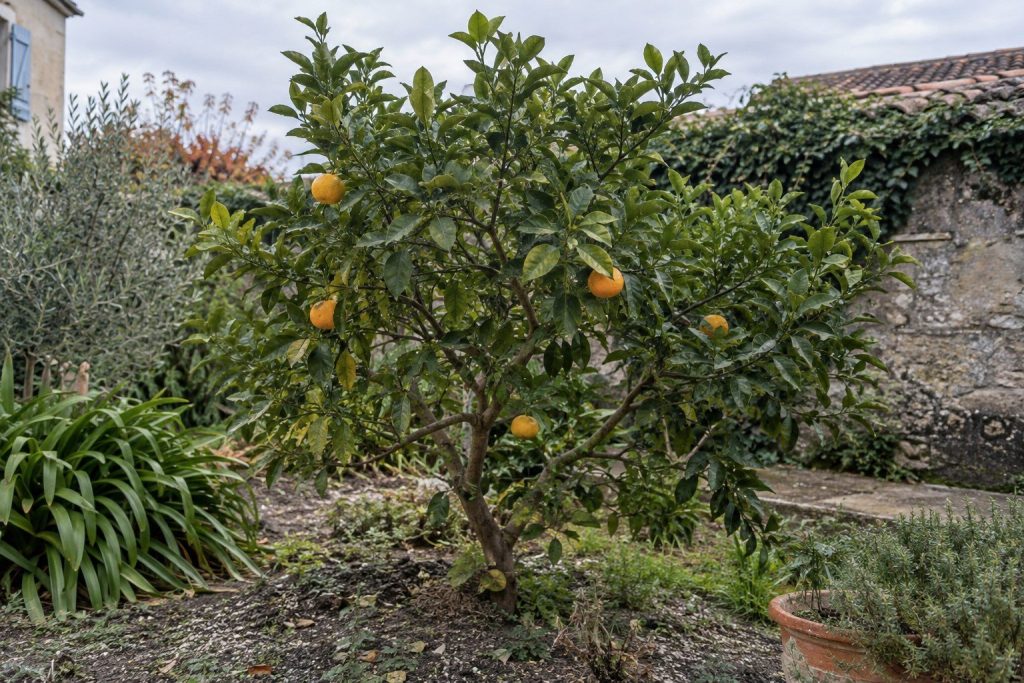
A compact citrus tree bearing orange fruit in a garden

Hashimoto Satsuma Mandarin

The Hashimoto Satsuma Mandarin (Citrus × unshiu ‘Hashimoto’) is a Japanese satsuma selection from the region of the same name, chosen for the consistent quality of its production and its adaptation to temperate climates. Its hardiness reaches 14°F (−10°C) on the tree, making it suitable for in-ground growing in USDA zone 8a. The tree reaches 10 to 13 ft (3 to 4 m) with a spreading, weeping habit, evergreen foliage, and fragrant white blossom in spring. Its bright orange, medium-sized fruits (3.5 to 5.5 oz, or 100 to 150 g), seedless, with thin, very easy-to-peel skin, ripen in November and December with juicy, sweet, low-acid, fragrant flesh. Excellent for fresh eating, juice, and sorbet. A reference variety for stable production in a temperate climate, recommended for home gardens. Graft onto Poncirus trifoliata, plant against a south-facing wall, in well-drained soil.

Scroll to Top