Juice

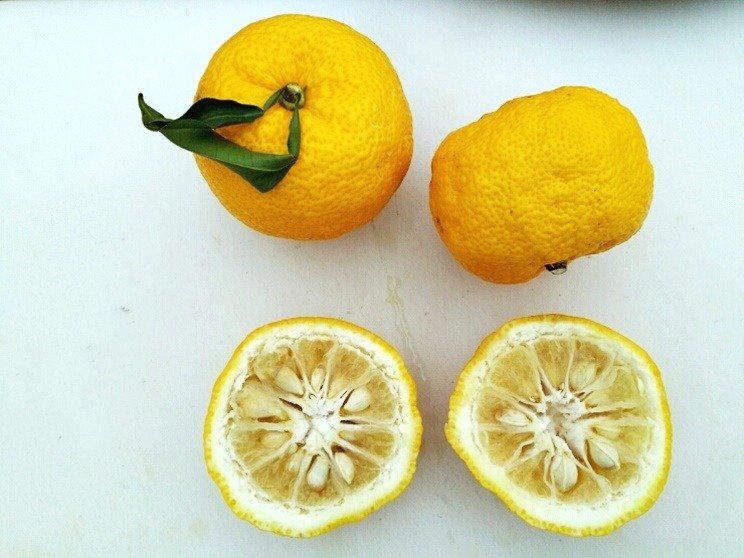
Whole and halved rough-skinned yellow citrus fruit

Corsican Yuzu

The Corsican Yuzu (Citrus junos ‘Corse’) is a French selection from the INRAE San Giuliano program in Corsica, which has been acclimating and improving the Japanese yuzu since the 1980s. Its hardiness reaches 9°F (−13°C) on the tree and allows it to be grown in the ground in USDA zones 7b and 8a. The tree grows 7 to 13 ft (2 to 4 m) tall with a spreading rounded habit, aromatic evergreen foliage and very fragrant white flowers. Its golden yellow, round, bumpy fruits, with thick, rough skin, ripen in October and November and concentrate authentic yuzu juice with aromas blending mandarin, grapefruit and orange blossom. Very sour and fragrant. Excellent as zest, as juice, in ponzu vinegar and in pastry. A French pride in yuzu acclimatization, to be preferred over imported yuzu. Graft onto Poncirus trifoliata.
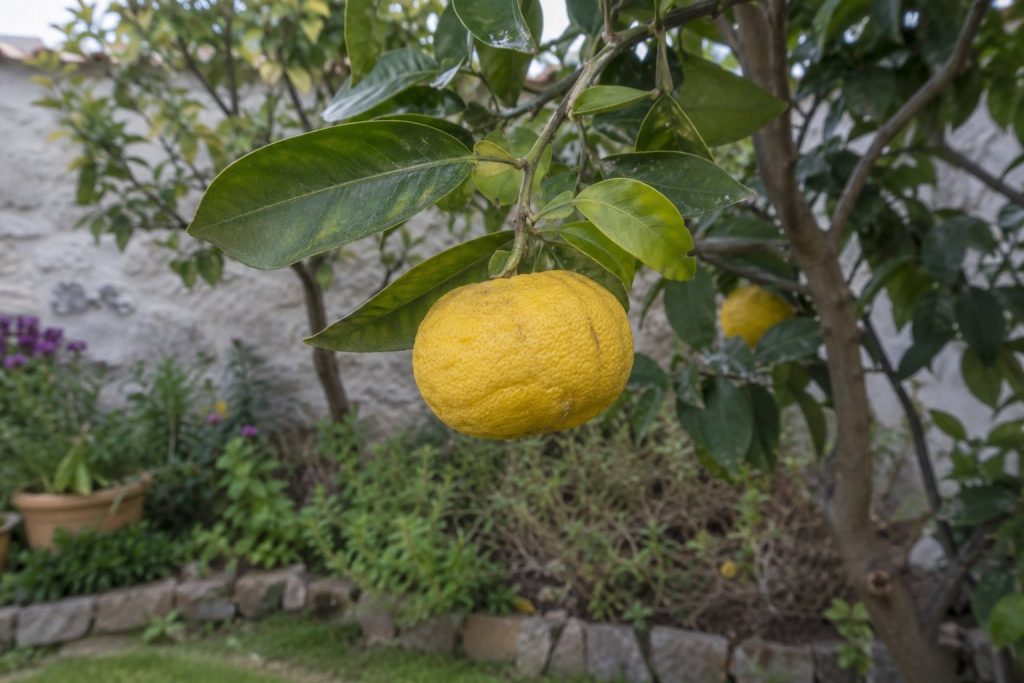
A rough yellow citrus fruit hanging on a branch

Kotokan

The Kotokan (Citrus × kotokan Hayata) is a rare wild citrus native to Taiwan and southern Japan, classed as an ancient species that served as a parent to several modern hybrids. Its hardiness reaches 14°F (−10°C) on the tree, making it suitable for planting in the ground in USDA zone 8a. The tree grows 7 to 13 ft (2 to 4 m) tall with a compact rounded habit, aromatic evergreen foliage and fragrant white flowers. Its yellow-orange, round fruits, 2 to 2.8 in (5 to 7 cm) across, with thick, bumpy skin, ripen in fall and winter and offer a very sour, fragrant juice with unique notes recalling a blend of lemon, sudachi and wild mandarin. A few seeds. Used mostly in traditional Asian cooking and by collectors of old citrus. Graft onto Poncirus trifoliata, plant against a south-facing wall, in well-drained soil.

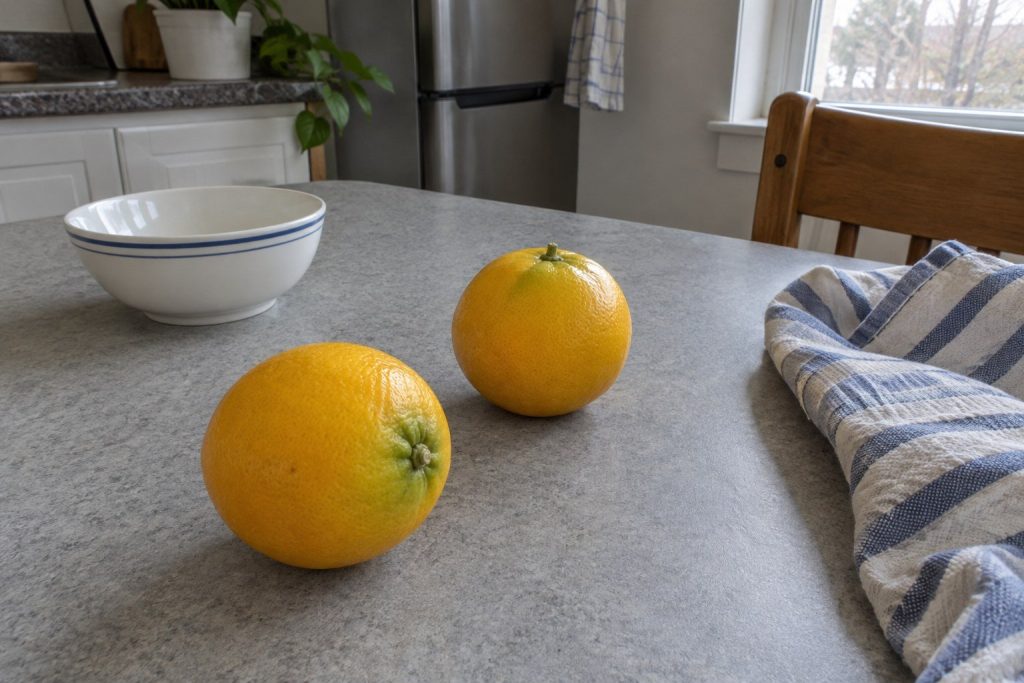
Two yellow-orange citrus fruit on a kitchen counter

Thomson Tangelo

Origin: The Thomson Tangelo is an American selection of Floridian origin, from the vast program of hybridization between mandarins and […]

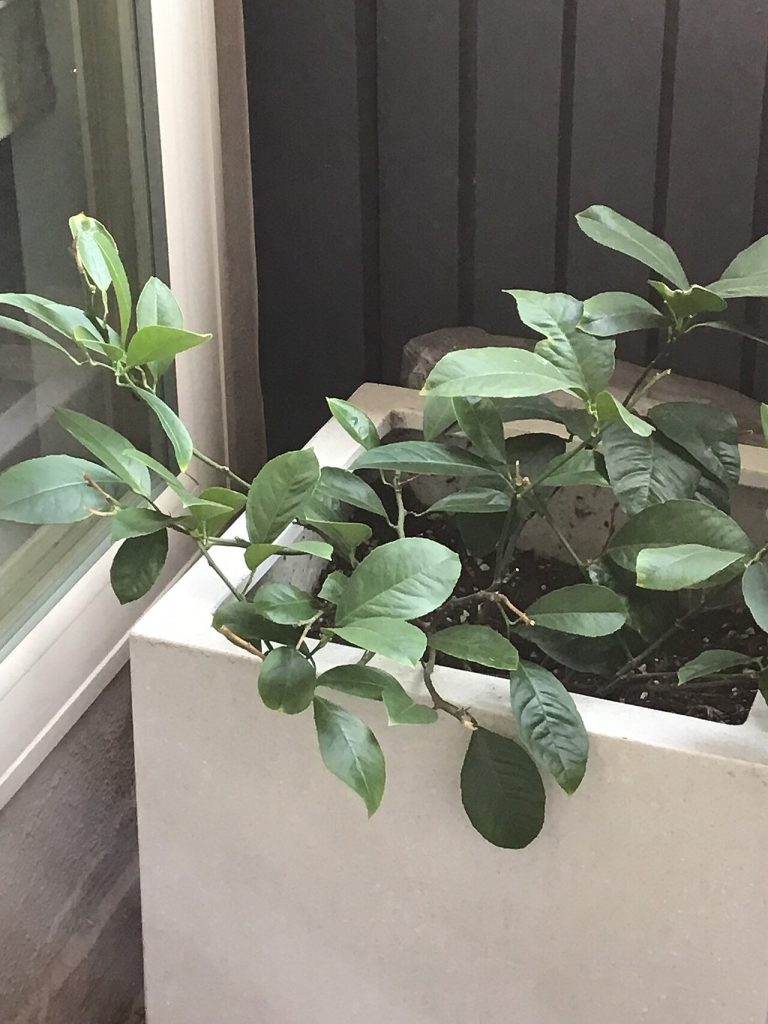
A citrus plant with small green fruit in a pale rectangular pot

Cocktail Grapefruit

Origin: The Cocktail Grapefruit, also called Mandalo, is an American hybrid created in the 1950s at the Citrus Research Center […]

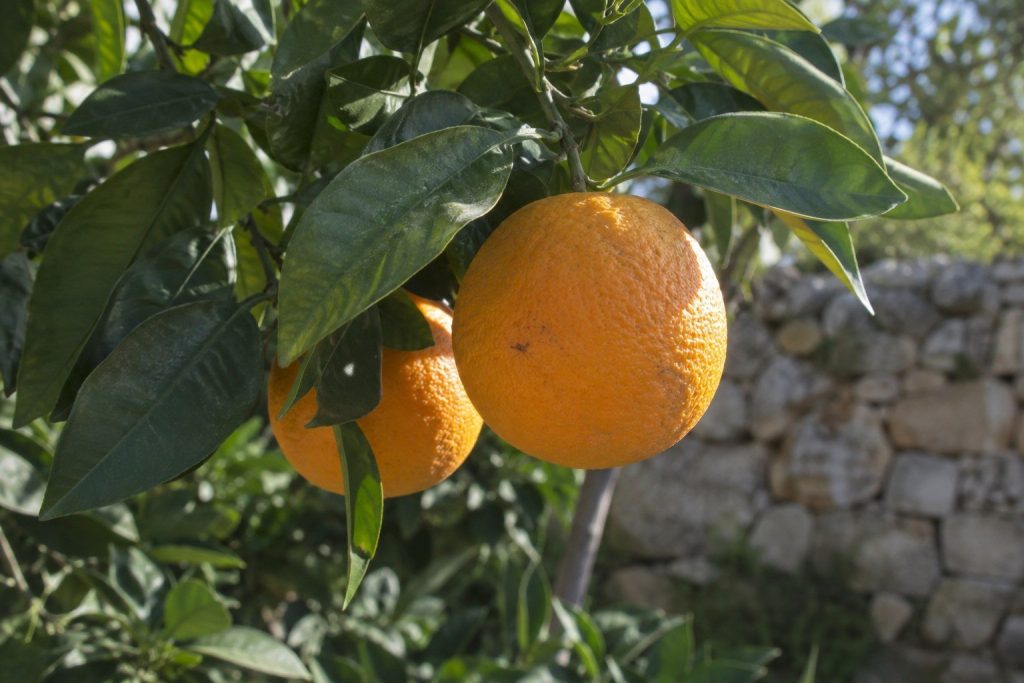
Orange citrus fruit among glossy dark leaves

Banyuls Sweet Orange

Origin: The Banyuls Sweet Orange is a French heritage selection originating from the hillsides of the Côte Vermeille, in the […]

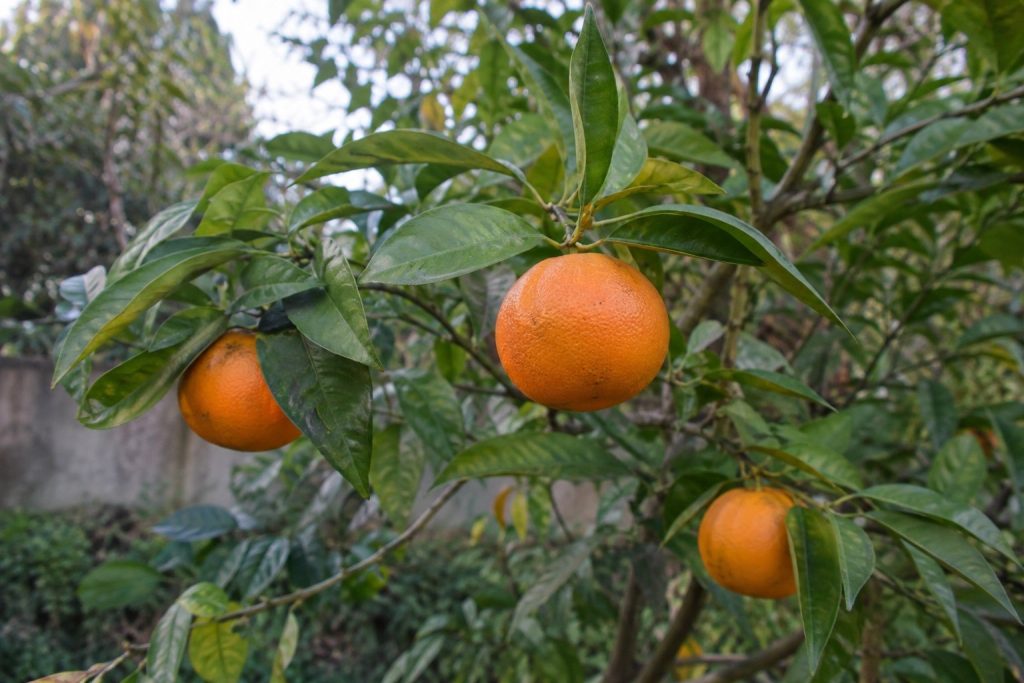
Orange citrus fruit hanging among garden leaves

Nuclem Clementine

The Nuclem Clementine (Citrus unshiu × Citrus clementina ‘Nuclem’) is a modern hybrid between the satsuma and the clementine, created to combine superior hardiness with the flavor quality of the clementine. Its hardiness reaches 14°F (−10°C) on the tree, making it suitable for planting in the ground in USDA zones 8a to 8b. The tree grows 7 to 13 ft (2 to 4 m) tall with a rounded habit, evergreen foliage and fragrant white flowers in spring. Its bright orange, small fruits (1.8 to 2.1 oz, or 50 to 60 g), with thin, very easy-to-peel skin and a few seeds, ripen in December and January with juicy, sweet, low-acid, fragrant flesh, a flavor quality superior to the classic satsuma. Excellent fresh, as juice and in sorbet. Ideal for anyone who wants a clementine in a temperate climate that is less Mediterranean. Graft onto Poncirus trifoliata, plant against a south-facing wall, in well-drained soil.

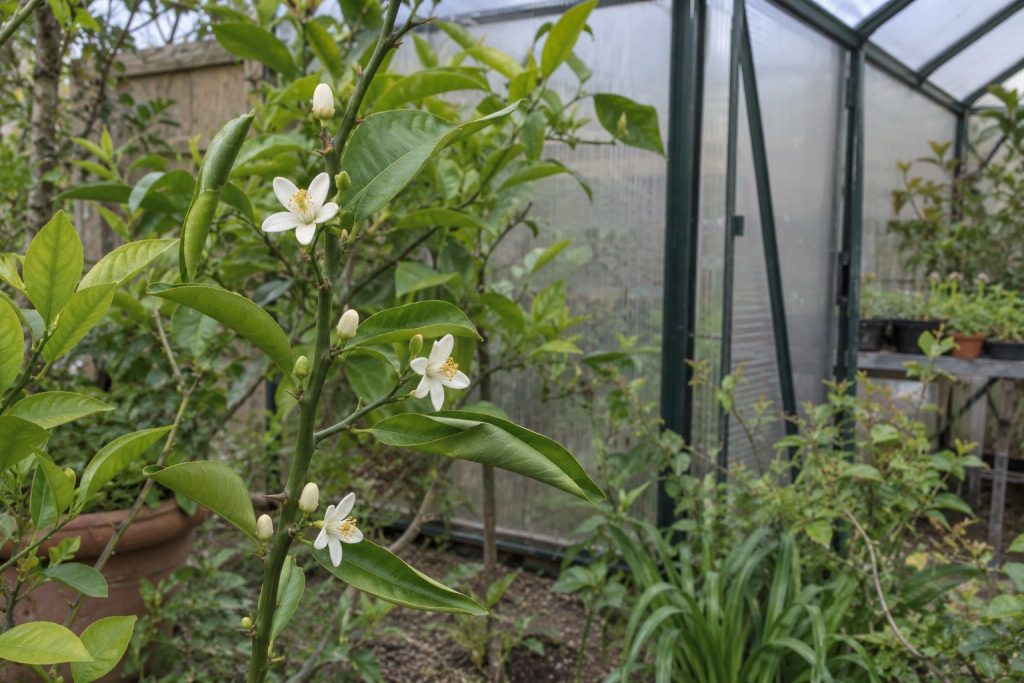
White citrus blossoms on leafy branches near a greenhouse

Trifeola Monofolie

The Trifeola Monofolie (Poncirus trifoliata × Citrus × tangelo ‘Minneola’) is a remarkable hybrid between Poncirus trifoliata and the Minneola tangelo, created to combine the maximum hardiness of Poncirus with the flavor quality of the tangelo. Its hardiness reaches 9°F (−13°C) on the tree, making it suitable for planting in the ground as far as USDA zone 7b. The tree grows about 10 ft (3 m) tall with an upright, semi-thorny habit, semi-evergreen foliage with the leaflets characteristic of Poncirus, sometimes single-leaflet, hence the name, and white spring flowers. Its medium-sized fruits, with a thick, bitter skin unfit for eating out of hand, ripen in November and give a tart, very fragrant juice that can replace lime or lemon in cooking. A niche variety for collectors of hardy hybrids. Graft onto Poncirus trifoliata, plant against a south wall, in well-drained soil.

Small orange citrus fruit and wet leaves

Nova Mandarin

The Nova mandarin (Citrus reticulata ‘Nova’) is a mandarin × tangelo hybrid from a cross made in Florida in 1942 and released in 1964, selected for its early ripening and remarkable flavor quality. Its hardiness reaches 14°F (−10°C) on the tree, making it suitable for planting in the ground in USDA zones 8a to 8b. The tree grows up to 16 ft (5 m) tall according to Vessière, with an upright habit, evergreen foliage and fragrant white flowers. Its deep orange, medium to large fruits (4.2 to 6.3 oz, or 120 to 180 g), with thin skin moderately easy to peel, ripen from November to January, with very juicy, sweet, fragrant flesh and an intensified, characteristic mandarin aroma. A few seeds. Excellent fresh, as juice, in salads and in sorbet. Very productive, the tree loads up easily with fruit. Graft onto Poncirus trifoliata, plant against a south-facing wall, in well-drained soil, with generous winter mulch. Harvest before severe frosts.

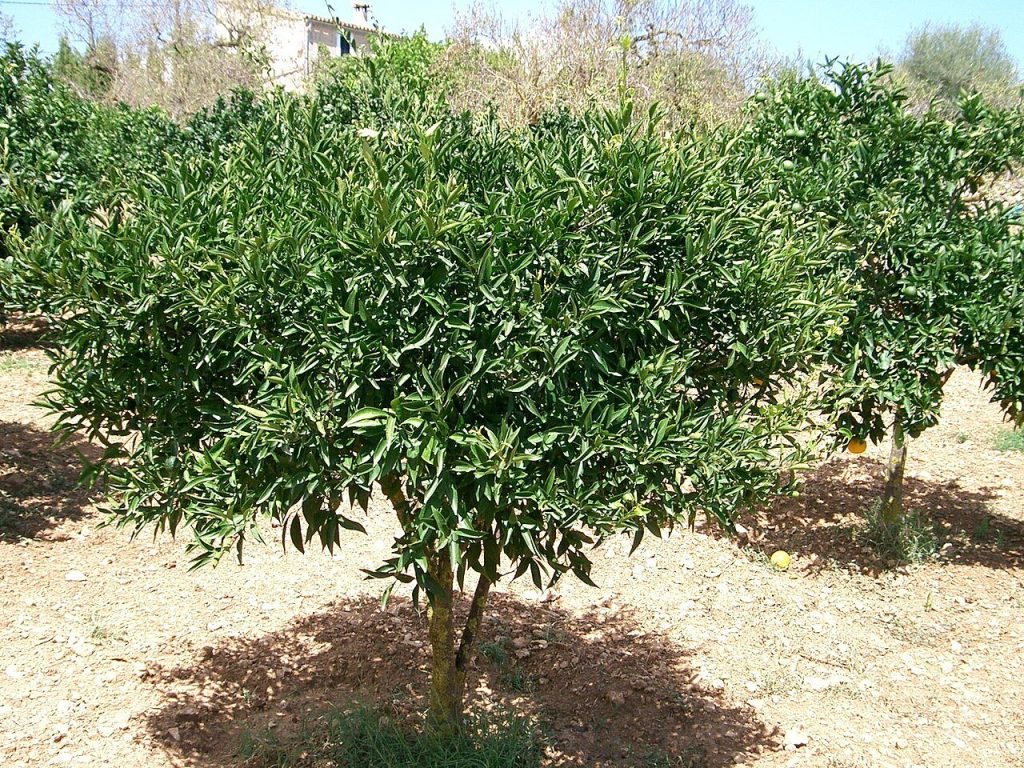
A small citrus tree growing in an orchard

Leo Mahalo Mandarin

The Leo Mahalo mandarin (Citrus deliciosa ‘Leo Mahalo’) is a modern selection of an old mandarin, chosen for its intense fragrance and above-average hardiness. Its hardiness reaches 12°F (−11°C) on the tree, making it suitable for planting in the ground in USDA zone 8a. The tree grows 7 to 13 ft (2 to 4 m) tall with a rounded habit, evergreen foliage and fragrant white flowers in spring. Its bright orange fruits, about 2.8 oz (80 g) according to Vessière, with thin skin moderately easy to peel, ripen in winter and offer very juicy, sweet, low-acid flesh with a particularly intense fragrance recalling old Mediterranean mandarins. Few or no seeds. Excellent fresh, as juice and in sorbet for lovers of traditional flavors. A variety recommended for landscape gardens and heritage citrus collections. Graft onto Poncirus trifoliata, south-facing wall.

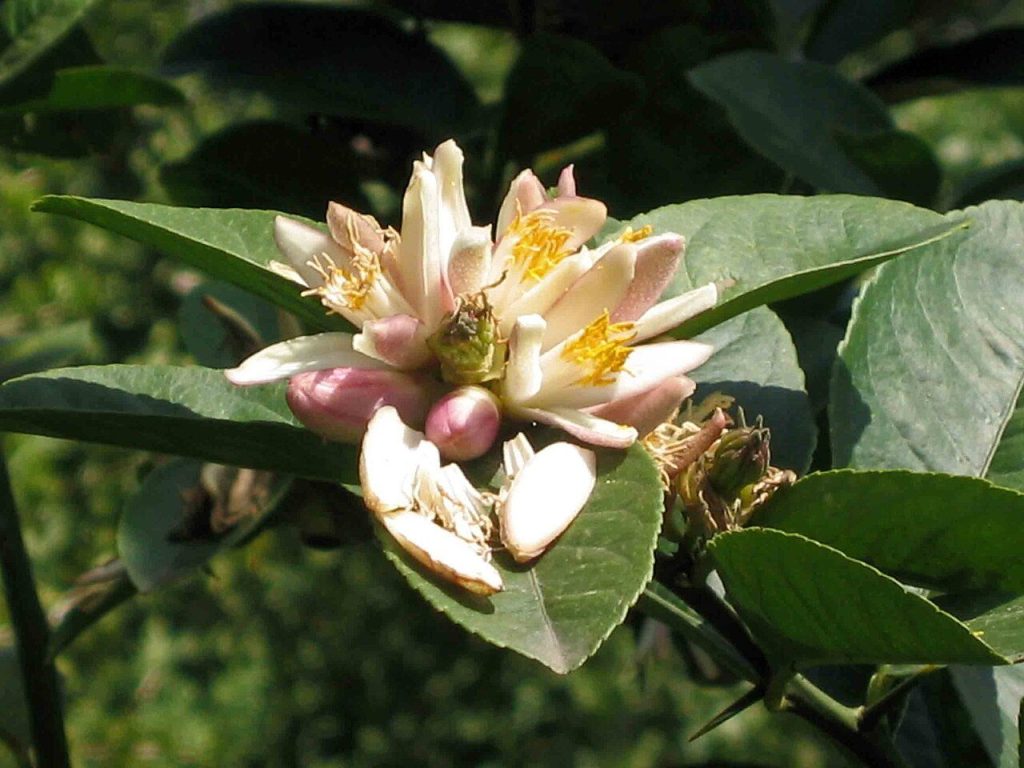
White and pink citrus blossoms among green leaves

Ichanglemon

The Ichanglemon (Citrus wilsonii) is a wild Chinese citrus, an ancient natural hybrid between the Ichang papeda and a primitive lemon, native to the mountains of southwestern China. Its hardiness is reported at 5°F (−15°C) for a well-established adult tree, among the hardiest edible citrus, making it suitable for planting in the ground in USDA zones 7b and 8a. The vigorous tree grows 10 to 16 ft (3 to 5 m) tall with an upright, thorny habit, evergreen foliage with the large winged petiole inherited from the papeda parent, and fragrant white spring flowers. Its yellow, round, bumpy, medium to large fruits (7 to 12 oz, or 200 to 350 g), with thick, rough skin, ripen in winter and give a very fragrant, aromatic sour juice recalling a wild lemon with grapefruit notes. Traditionally used in Chinese and Tibetan cooking. Graft onto Poncirus trifoliata.
Scroll to Top