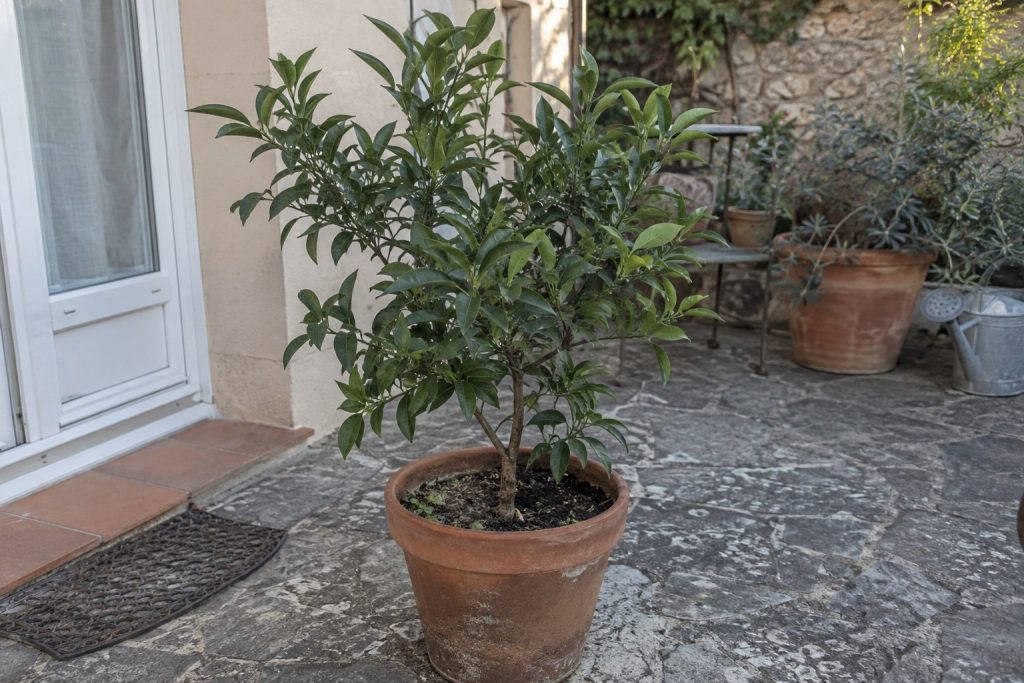
Jimenez Kumquat
Origin: The Jimenez kumquat is a named selection of Fortunella margarita, the oval kumquat native to southern China. Its name […]
What are you looking for?
Origin: The Jimenez kumquat is a named selection of Fortunella margarita, the oval kumquat native to southern China. Its name […]
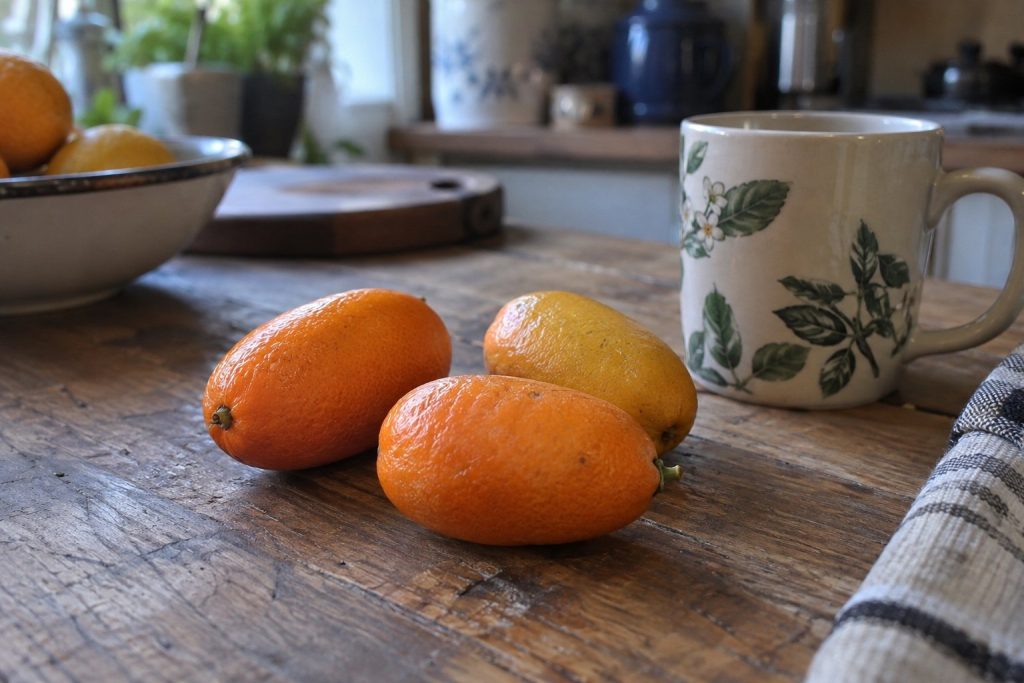
Origin: The Giganteum kumquat is a selection of Fortunella margarita (Nagami kumquat) obtained for its particularly generous fruiting of large […]
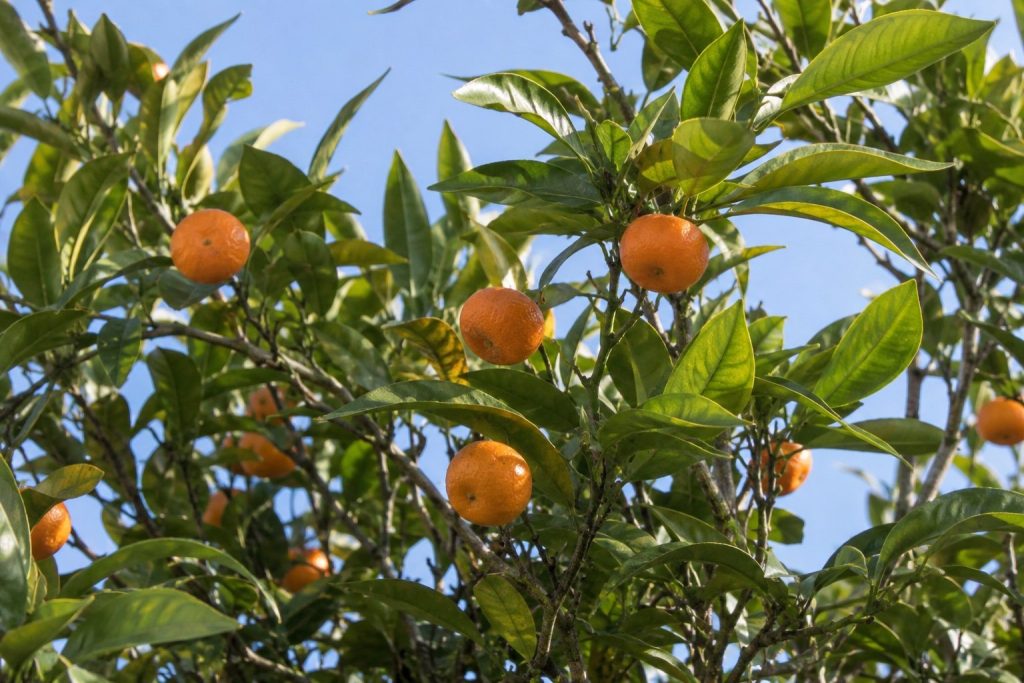
Origin: The Kishu Mikan mandarin is native to southern China, cultivated since the eighth century and documented during the Ming […]
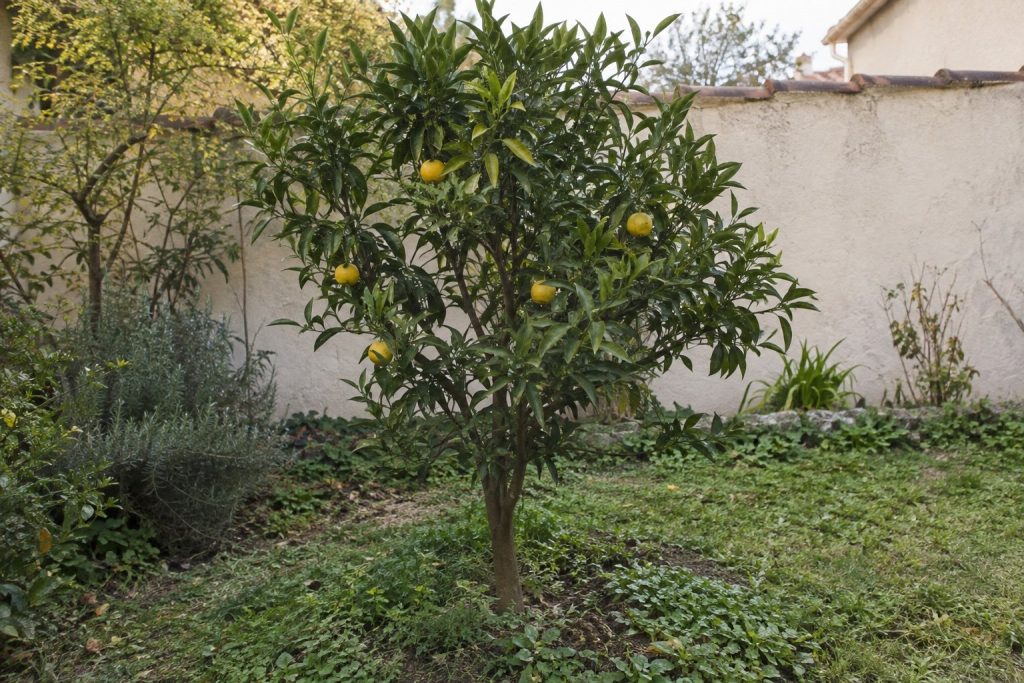
Origin: The Keraji Kabushi mandarin originates on the island of Kikaijima in the Amami-Oshima island group, in Kagoshima Prefecture, Japan. […]
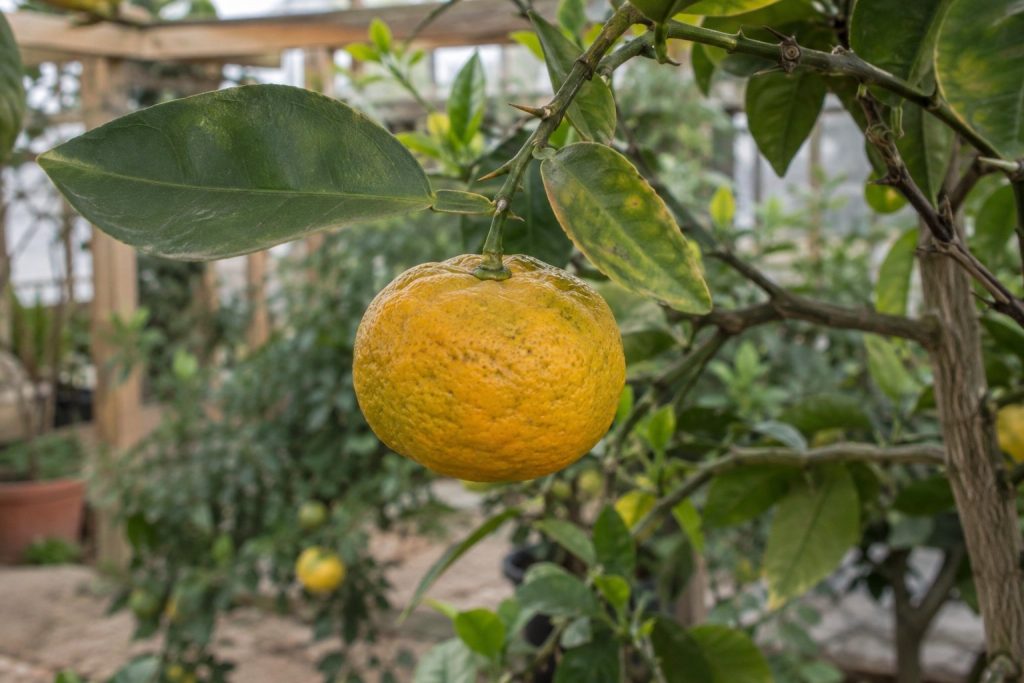
Origin: The Clementine × Yuzu 222 is a hybrid from the varietal breeding program of INRA (the French National Institute […]
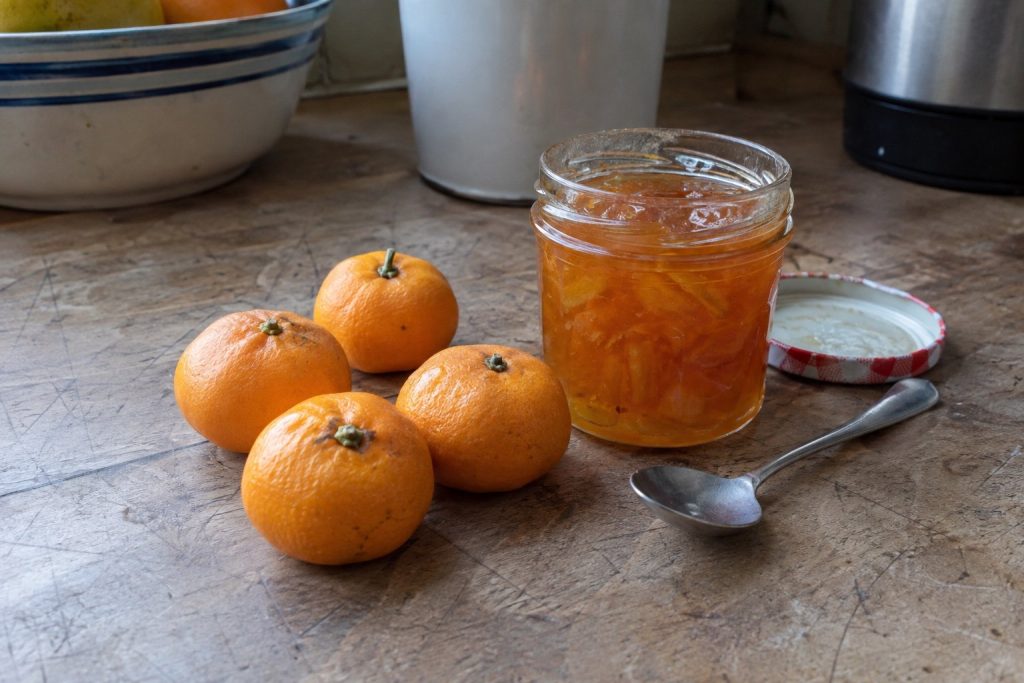
The Remo citrange (Citrus sinensis × Poncirus trifoliata ‘Remo’) is a hybrid between the orange tree and Poncirus trifoliata, selected for its maximum hardiness of 5°F (−15°C) on the tree, making it growable in the ground as far as USDA zone 7b. The vigorous tree reaches 10 to 16 ft (3 to 5 m) with an upright, semi-thorny habit, semi-evergreen trifoliate foliage inherited from Poncirus, and white spring flowers. Its yellow-orange fruit, small in size (0.7 to 1.1 oz, or 20 to 30 g according to the Vessières catalog), with thick skin, ripens in September according to the Vessières catalog and holds a markedly acidic, orange-scented juice, acceptable in blended juice, in marmalade, or as a cocktail base. A few seeds. The Remo citrange belongs to the lineage of historic citranges used both as a supplementary citrus and as a rootstock in regions with continental winters. Graft onto pure Poncirus trifoliata, plant against a south-facing wall, well-drained soil.
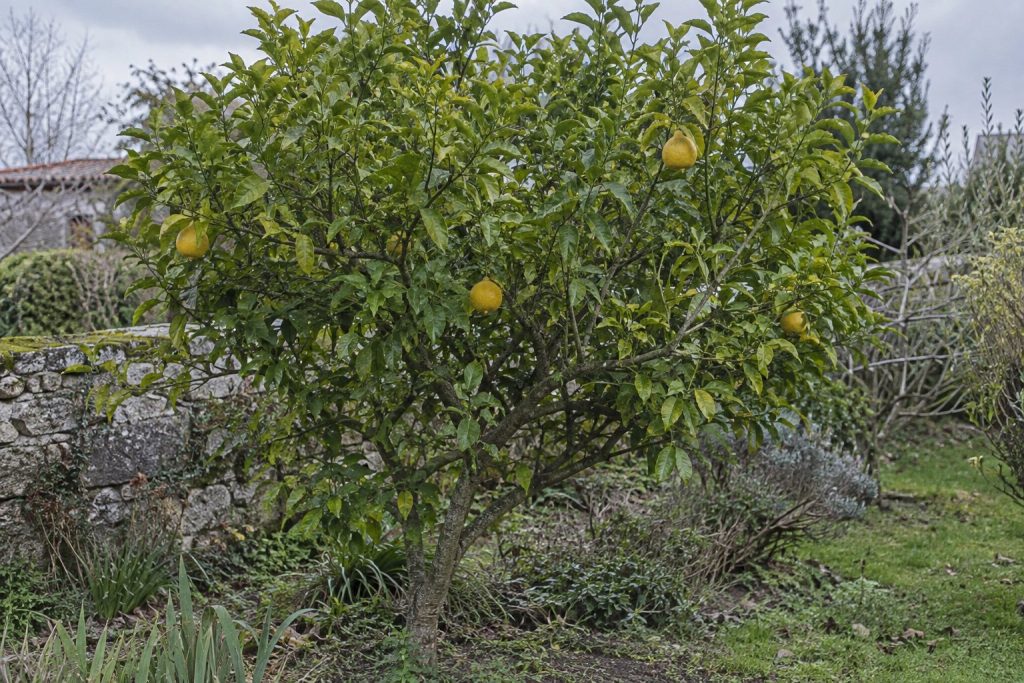
Kinkoji (Citrus obovoidea), sold in Texas as Bloomsweet grapefruit, is an old Japanese citrus of unknown parentage, most likely a pummelo × mandarin hybrid. Growers report that mature trees survive about 14 to 15°F (−10 to −9°C), which makes it one of the more cold-tolerant grapefruit-type citrus, though its hardiness has never been measured in a published trial. The vigorous tree reaches 10 to 13 ft (3 to 4 m). Its large, yellow-orange fruit, round to slightly pear-shaped with a thick rind, ripens from late fall into winter; the juicy flesh is mildly acidic and not bitter, with 10 to 15 seeds. Good fresh, juiced or made into marmalade. Best suited to USDA zones 8b and 9 on a trifoliate-type rootstock.
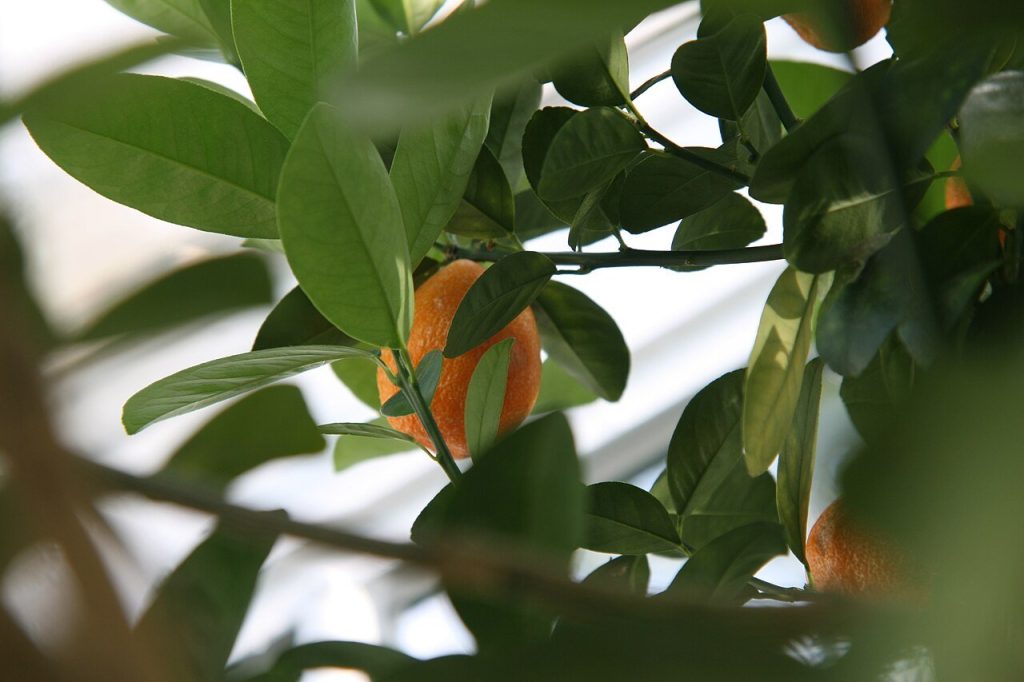
Origin: The Changshou kumquat, whose name means “longevity” in Mandarin, is a distinct species of the genus Fortunella native to […]
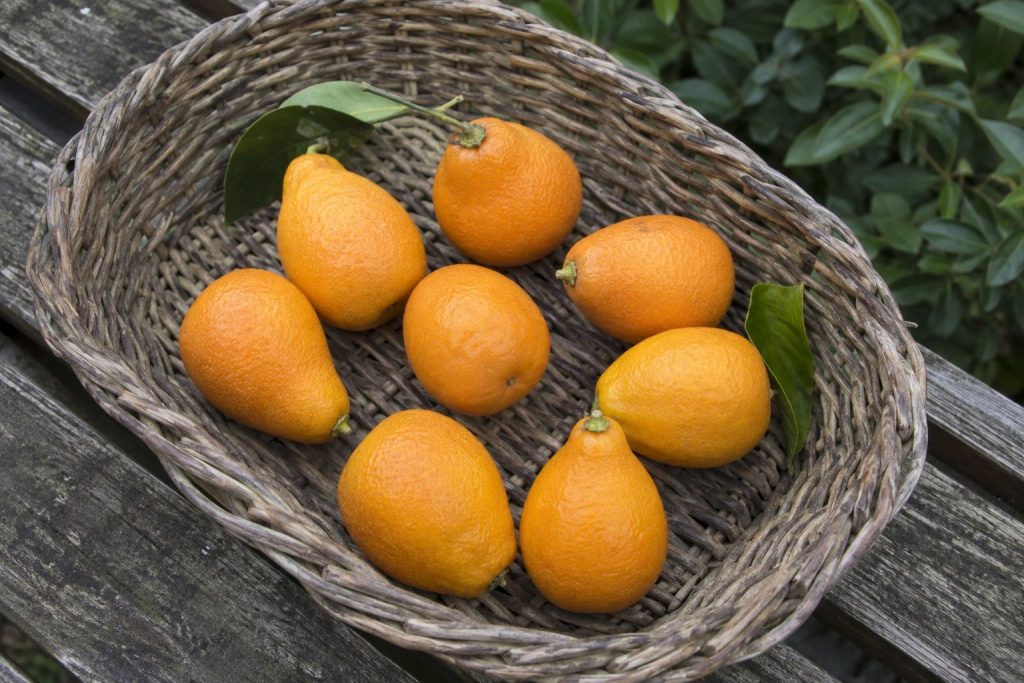
Origin: Indio mandarinquat is an interspecific hybrid conserved by the USDA (United States Department of Agriculture): scions were received at […]
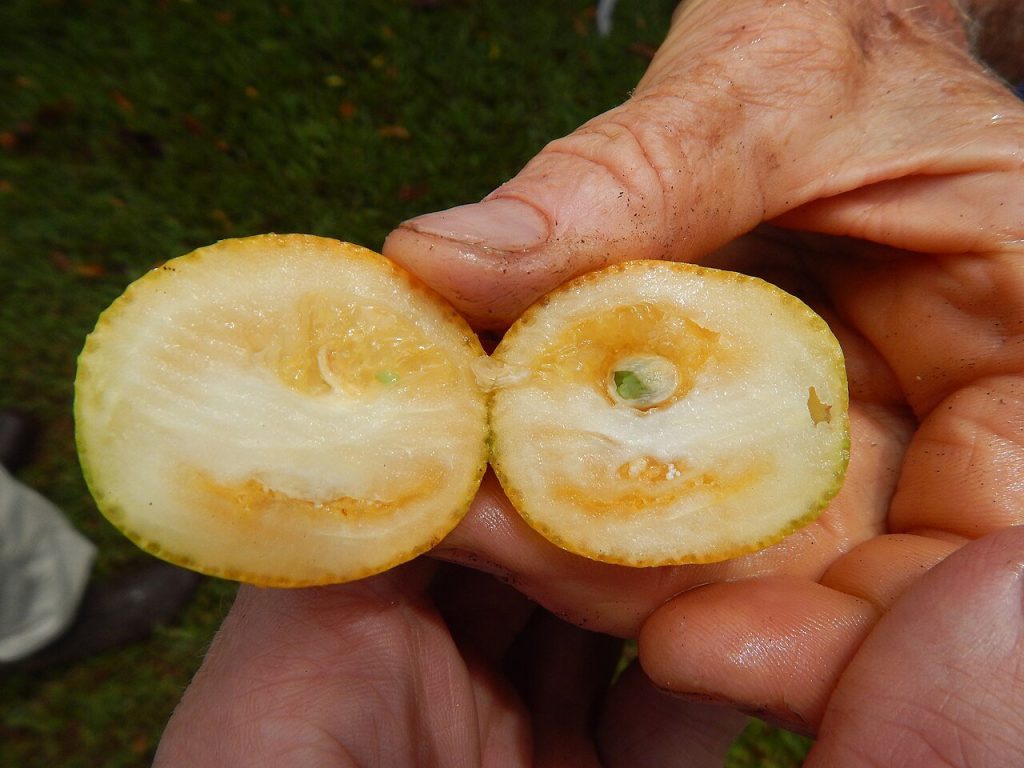
Marumi kumquat (Fortunella japonica ‘Marumi’) is one of the hardiest and tastiest kumquats, with a reference of 10°F (−12°C) for the adult acclimated tree. Native to the Pearl River Delta in southern China, it was introduced to Japan several centuries ago. The compact shrub reaches 7 to 10 ft (2 to 3 m) at maturity with a dense rounded habit, glossy evergreen foliage, and late fragrant white flowers. Its bright orange round fruits, small (0.8 to 1.2 in, or 2 to 3 cm), ripen in fall and winter and are eaten whole: the sweet, fragrant skin wraps a tart pulp, creating a taste contrast unique among citrus. Excellent in jam, candied, in liqueur, or to garnish savory and sweet dishes. Very ornamental, perfect in the ground in zones 8a to 8b or in a large container. Graft onto Poncirus trifoliata or Flying Dragon for small gardens.