Fresh eating

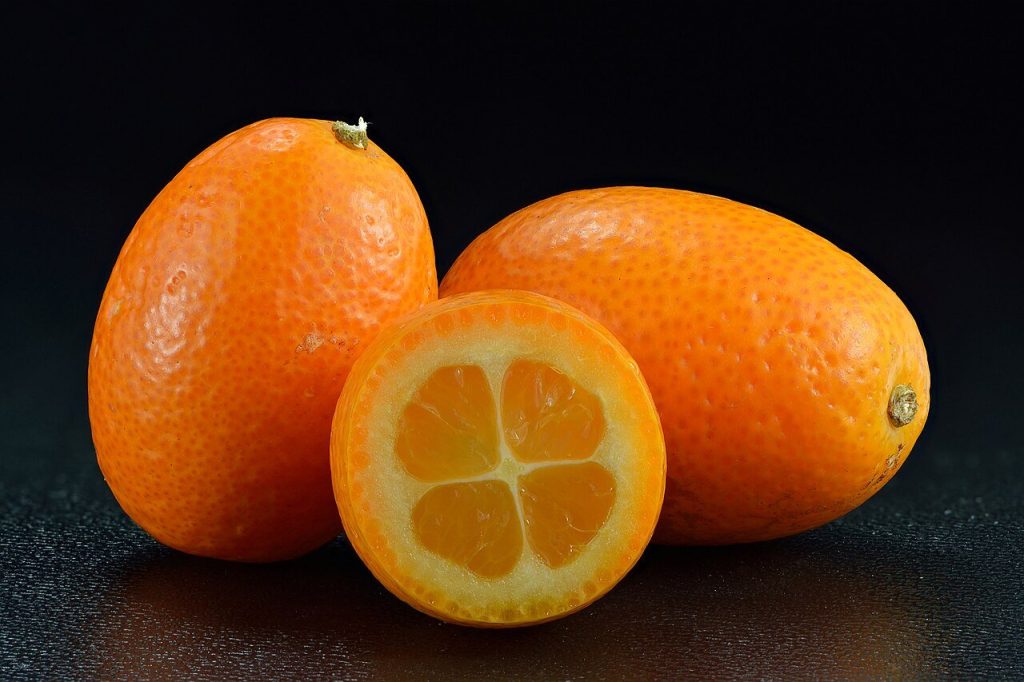
Whole and cut orange kumquats on a dark background

Nagami Kumquat

Nagami kumquat (Fortunella margarita ‘Nagami’) is the kumquat most widely distributed in garden centers and one of the most versatile in the kitchen. Native to southeastern China and naturalized in Japan since the 19th century, the retained reference for the tree is 10°F (−12°C); the choice of in-ground planting depends on the microclimate and the protection available. The compact shrub generally reaches 7 to 10 ft (2 to 3 m) in cultivation, and can reach 13 ft (4 m) in the ground, with an upright habit, glossy evergreen foliage, and very fragrant white flowers in summer. Its bright orange oval fruits, more elongated than those of Marumi, ripen in fall and winter and are eaten whole: sweet, fragrant skin, bright and tart pulp. Excellent candied, in marmalade, in liqueur, and in Asian sweet-and-savory dishes. Very ornamental, with abundant fruiting. Graft onto Poncirus trifoliata for hardiness, or Flying Dragon for container and balcony growing.
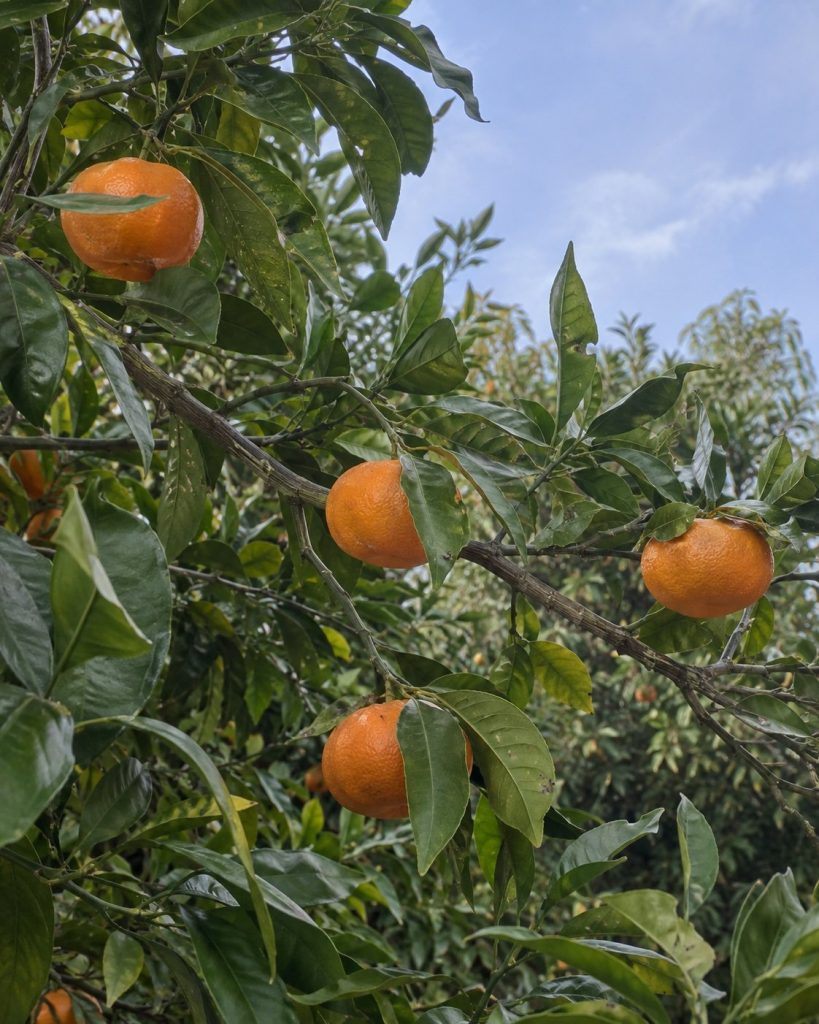
Orange citrus fruit hanging from garden branches

Clemenules Clementine

History & Description Origin The Clemenules clementine, also known as Nules, arose from a spontaneous natural mutation of the Fina […]

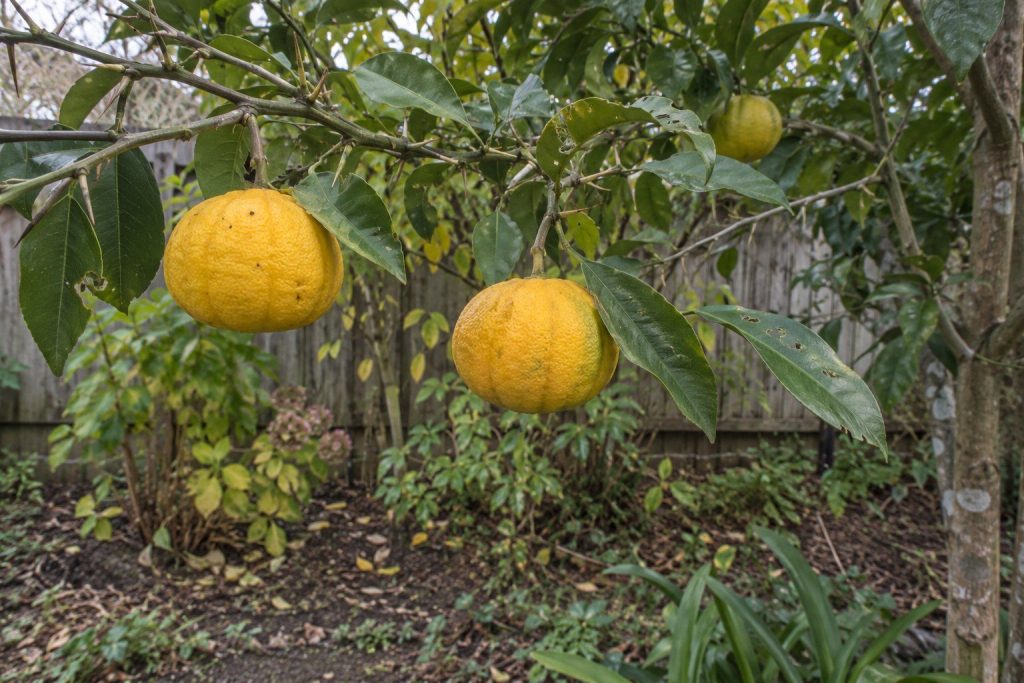
Rough yellow citrus fruit hanging on garden branches

Sweet Yuzu N30

Sweet Yuzu N30 (Citrus junos ‘Yuko’ N30) is a Franco-Japanese selection of sweet yuzu, a less acidic and sweeter variant than classic yuzu, suited to fresh eating. Its hardiness reaches 10°F (−12°C) on the tree, making it suitable for in-ground growing in USDA zone 8a. The tree reaches 10 to 13 ft (3 to 4 m) with a rounded, spreading habit, aromatic evergreen foliage, and very fragrant white flowers. Its golden yellow, medium-to-large fruits, with thick, bumpy skin, ripen in October to November and offer a juice less acidic than standard yuzu, rounder on the palate, with the typical complex aromas blending mandarin, grapefruit, and orange blossom. Excellent fresh for enthusiasts, as juice, as sorbet, and in pastry where the aromatic signature of yuzu is wanted without its sharp acidity. Graft onto Poncirus trifoliata.

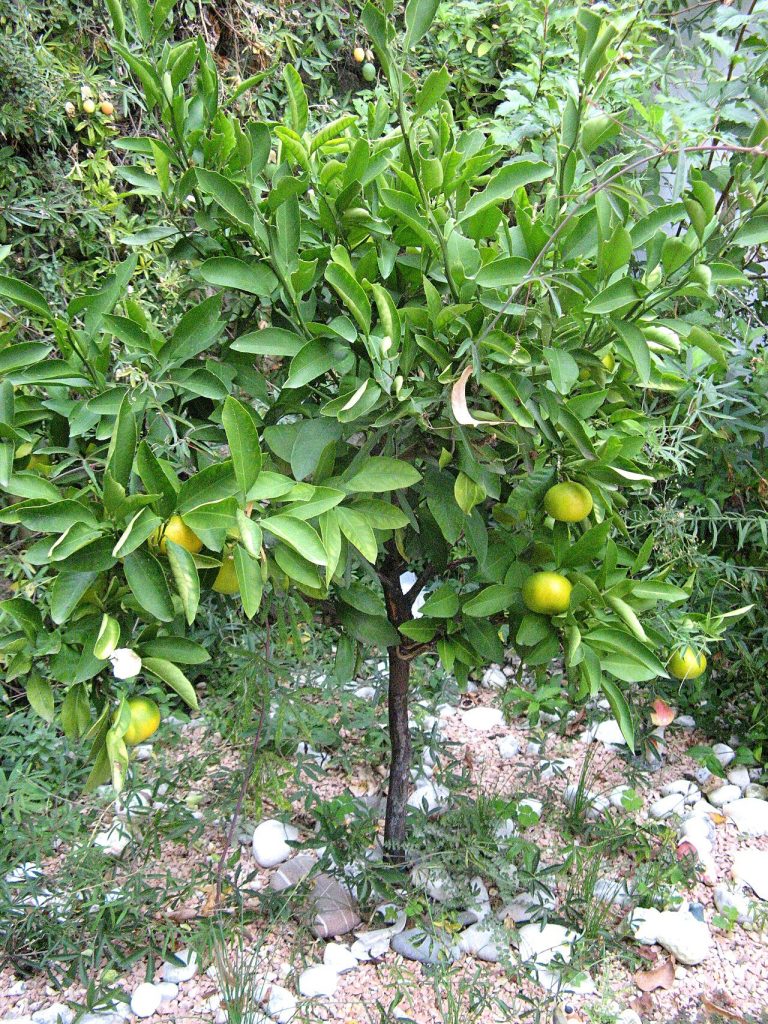
A citrus plant bearing small yellow-green fruit outdoors

Ugly Big Guy Tangelo

Origin: ‘Big Guy’ is a specific cultivar selected by French nurserymen (notably Vessières) from Ugly seedlings or mutations. It should […]

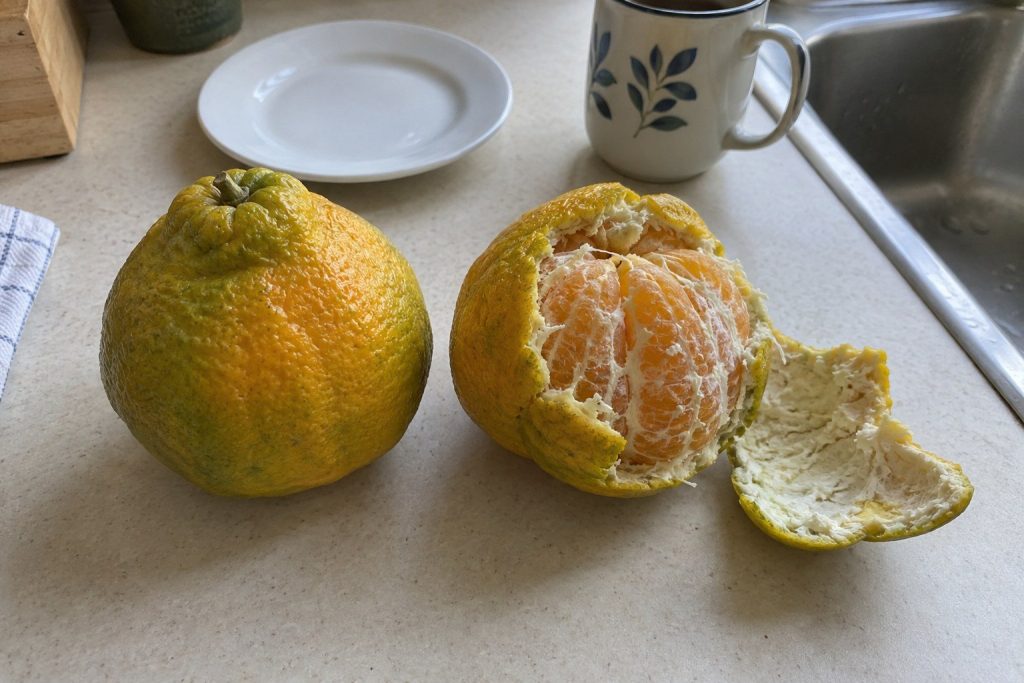
A whole and partly peeled rough yellow-orange citrus fruit

Ugli Tangelo (Ugly)

Origin: Ugly, or ‘Ugli fruit’, is the commercial name of the Jamaican tangelo. Discovered growing wild around 1917, it is […]

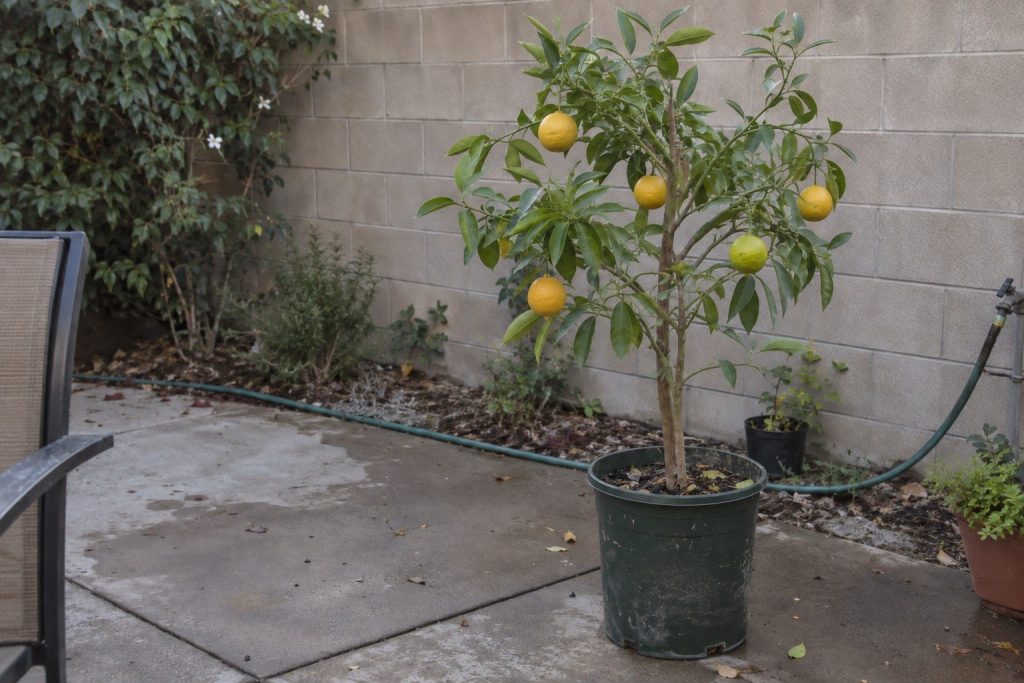
A potted citrus plant bearing yellow-green fruit beside a wall

Zesty BA9 Tangelo

Origin: Zesty tangelo (reference BA9) is a specific varietal selection, distributed by certain nurseries specializing in hardy citrus. It is […]

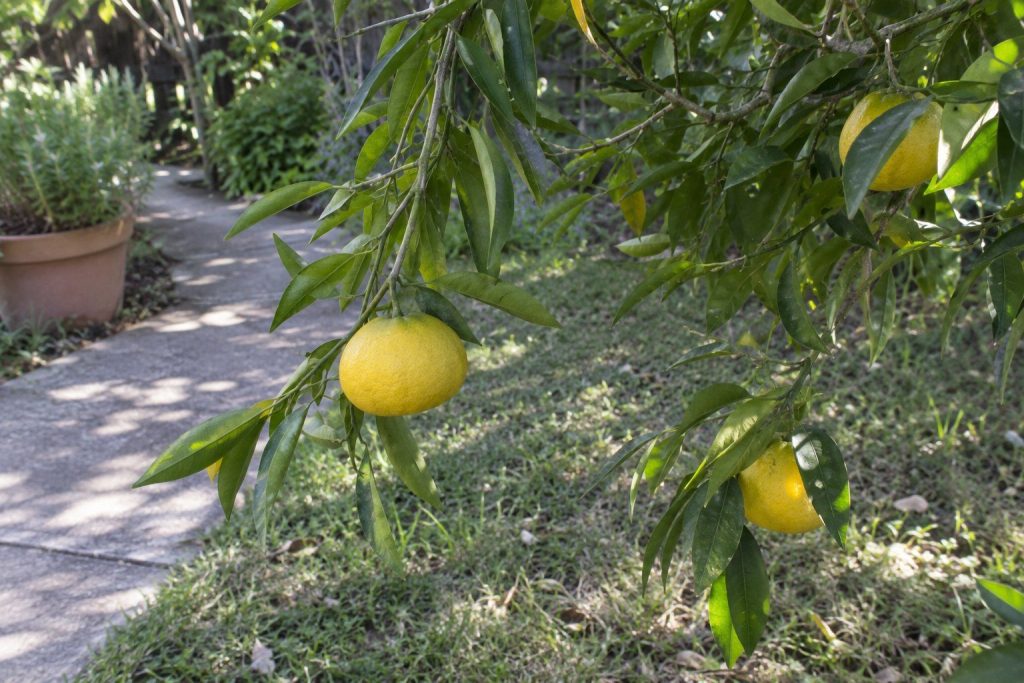
A yellow citrus fruit hanging among narrow leaves

Pearl Tangelo

Origin: Pearl tangelo is a hybrid created in California by Howard B. Frost in 1915. It comes from a cross […]

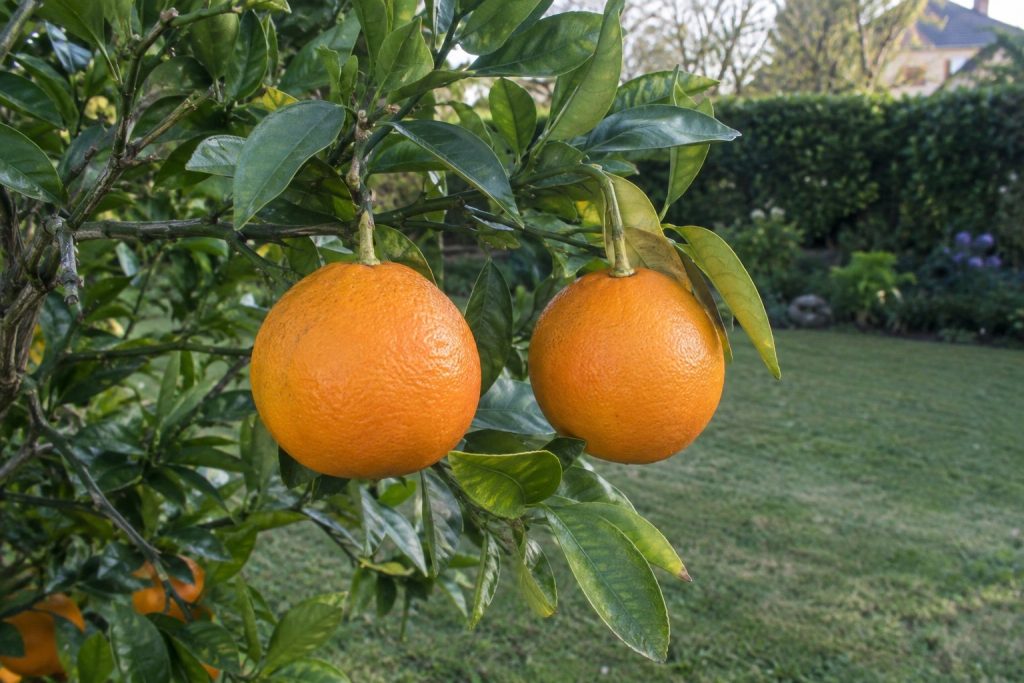
Two orange citrus fruit hanging in a garden

Orlando Tangelo

Origin: Orlando tangelo is the brother of Minneola tangelo. Obtained in 1911 by W.T. Swingle in Florida, it comes from […]

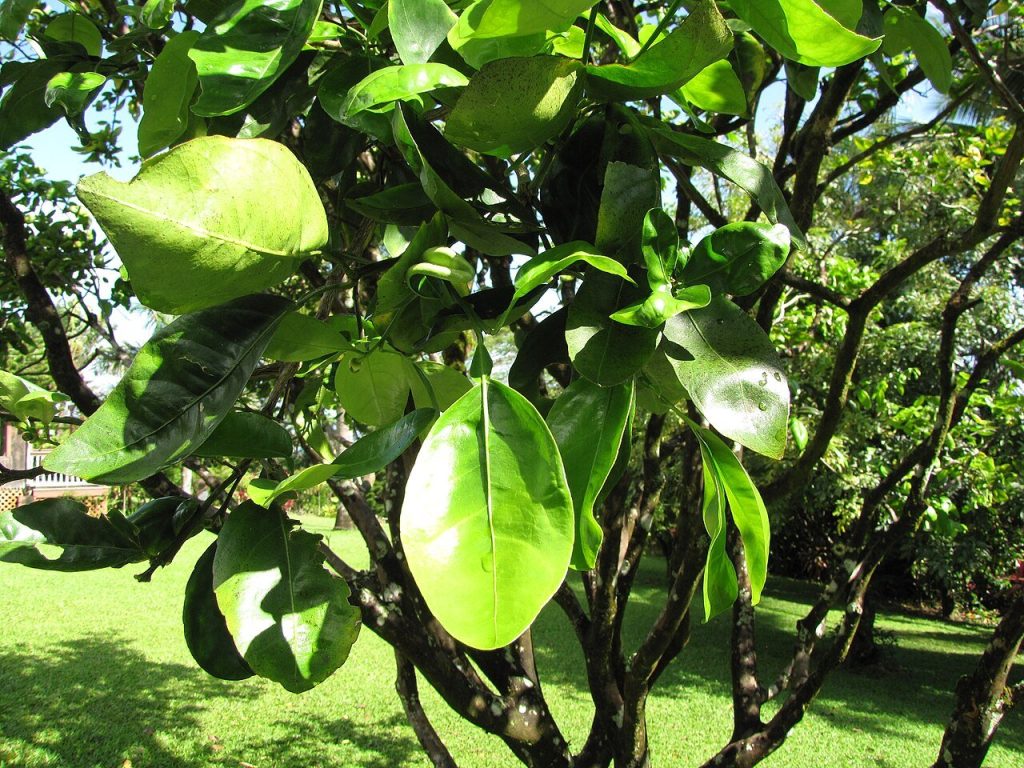
Large green citrus fruit hanging among leaves

Minneola Tangelo

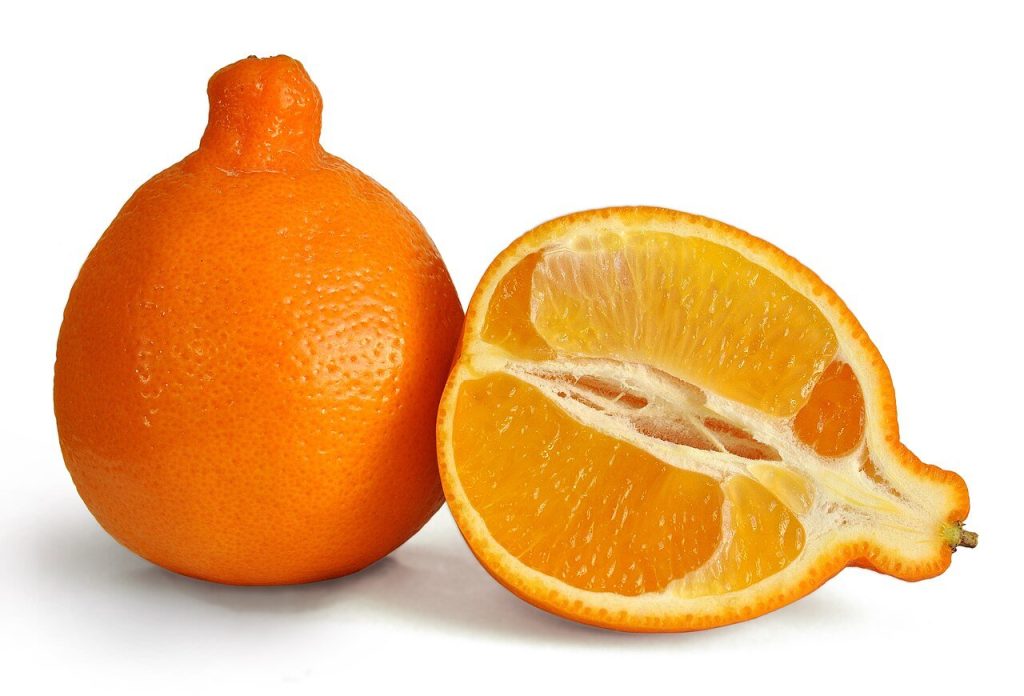
Minneola tangelo (Citrus × tangelo ‘Minneola’) is a hybrid between the Duncan grapefruit and the Dancy mandarin created in Florida in 1931, famous for its characteristic pear shape with a prominence at the top (the ‘neck’). Its hardiness reaches 16°F (−9°C) on the tree, making it suitable for in-ground growing in USDA zones 8b and 9a. The vigorous tree reaches 10 to 16 ft (3 to 5 m) with a spreading habit, evergreen foliage, and fragrant white flowers. Its deep red-orange fruits, large (9 to 12 oz, or 250 to 350 g), with thin, easy-to-peel skin, seedless or nearly so, ripen in January to March and offer very juicy, sweet, slightly tart flesh with a complex aroma between mandarin and grapefruit. Excellent fresh, as juice, and in salads. Graft onto Poncirus trifoliata for hardiness, plant against a south wall, well-drained soil and winter mulching.

A pointed orange citrus fruit and a cut half

Mapo Tangelo

Origin: Mapo is a famous hybrid created in Italy at the Acireale research center (Sicily) in 1950. Its name comes […]

Scroll to Top