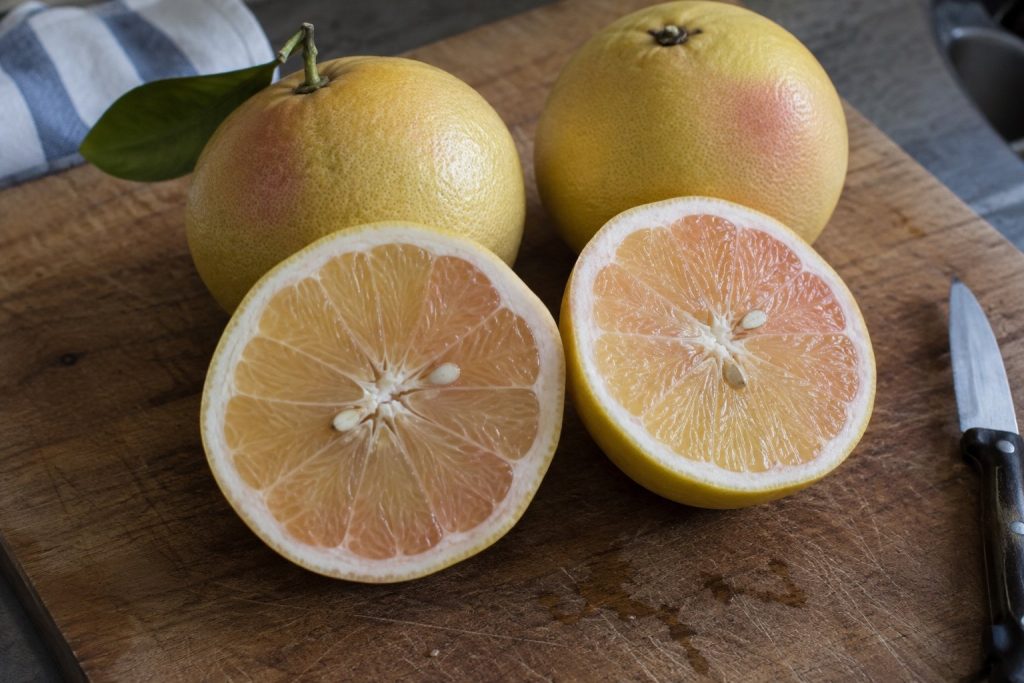
Wekiwa Tangelo
Origin: Wekiwa (or Wekiwa Tangelo) is a complex cross obtained by the USDA in Florida in 1909. It is in […]
What are you looking for?
Origin: Wekiwa (or Wekiwa Tangelo) is a complex cross obtained by the USDA in Florida in 1909. It is in […]
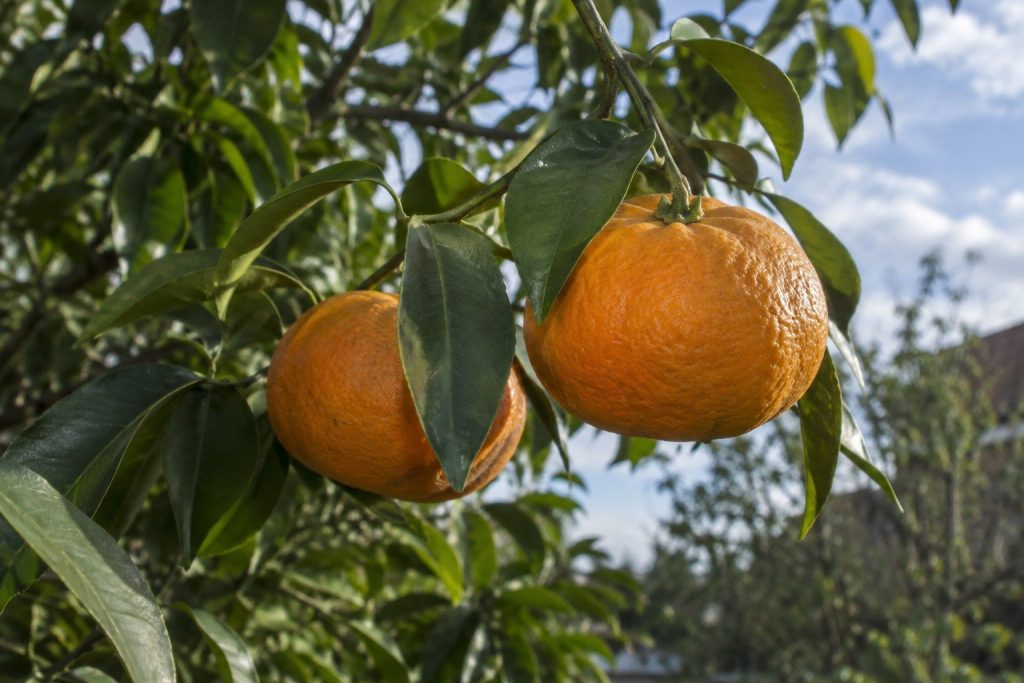
Xie Shan satsuma mandarin (Citrus unshiu ‘Xie Shan’) is a Chinese satsuma selection from the Xie Shan mountains, grown for several generations by local producers for its exceptional earliness. Its hardiness reaches 10°F (−12°C) on the tree, making it suitable for in-ground growing in USDA zone 8a. The tree reaches 7 to 10 ft (2 to 3 m) with a characteristic spreading, weeping habit, evergreen foliage, and fragrant white flowers in spring. Its bright orange fruits, medium-sized (3.5 to 5.3 oz, or 100 to 150 g), seedless, with thin skin that is very easy to peel, ripen as early as September to October, among the earliest satsumas in the world, with very juicy, sweet, low-acid flesh. Ideal for regions where the first frosts arrive early. Excellent fresh, as juice, and as sorbet. Graft onto Poncirus trifoliata, south-facing wall.
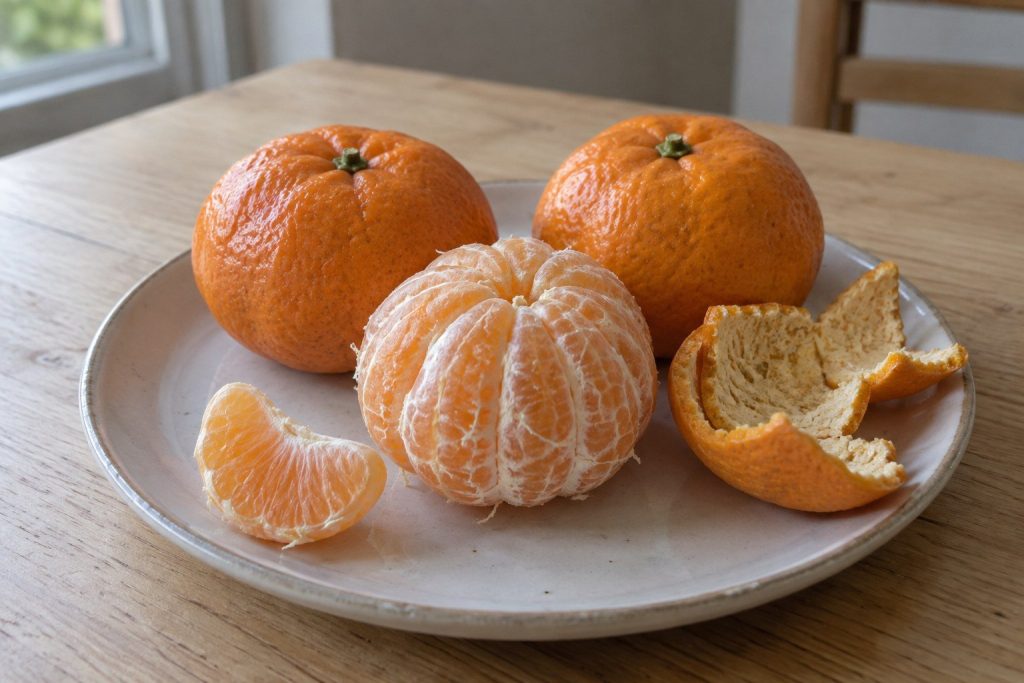
Wase 230 satsuma mandarin (Citrus unshiu ‘Wase 230’) is a numbered clonal selection of early satsuma (‘wase’ meaning early in Japanese), from a Japanese or French breeding program. Its hardiness reaches 10°F (−12°C) on the tree, making it suitable for in-ground planting in USDA zone 8a. The tree reaches 6.5 to 10 ft (2 to 3 m) with a spreading, weeping habit, evergreen foliage and fragrant white flowers in spring. Its bright orange fruit, medium-sized, 3.5 to 5.3 oz (100 to 150 g), seedless, with thin skin that is very easy to peel, ripens from late October with particularly juicy, sweet, low-acid flesh, with a flavor quality comparable to classic Owari satsuma. Ideal for regions with early winters where the harvest window is short. Excellent fresh, as juice and as sorbet. Graft onto Poncirus trifoliata; plant against a south-facing wall.
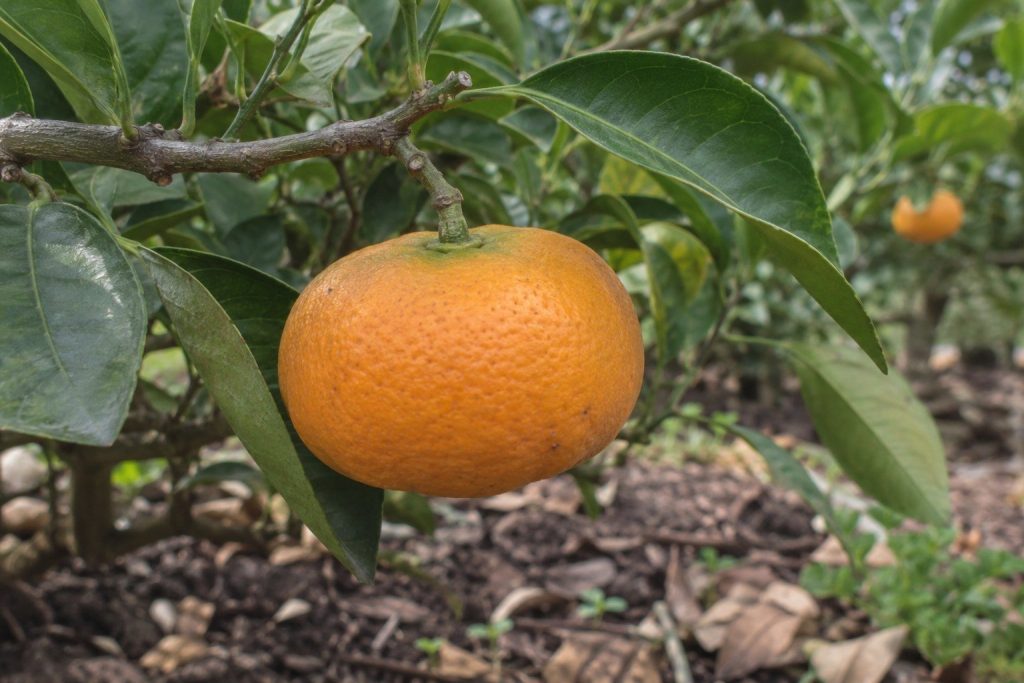
Tami Kawa Wase satsuma mandarin (Citrus unshiu ‘Tami Kawa’) is an early satsuma selection from the Japanese region of the same name, chosen for its flavor quality and early harvest. Its hardiness reaches 10°F (−12°C) on the tree, making it suitable for in-ground planting in USDA zone 8a. The tree reaches 6.5 to 10 ft (2 to 3 m) with the spreading, weeping habit characteristic of satsumas, evergreen foliage and fragrant white flowers. Its bright orange fruit, medium-sized, 3.5 to 5.3 oz (100 to 150 g), seedless, with thin skin that is very easy to peel, ripens from late October with particularly juicy, sweet, low-acid flesh, with a flavor quality comparable to classic Owari. Ideal for regions where the first frosts come early. Excellent fresh, as juice and as sorbet. Graft onto Poncirus trifoliata.
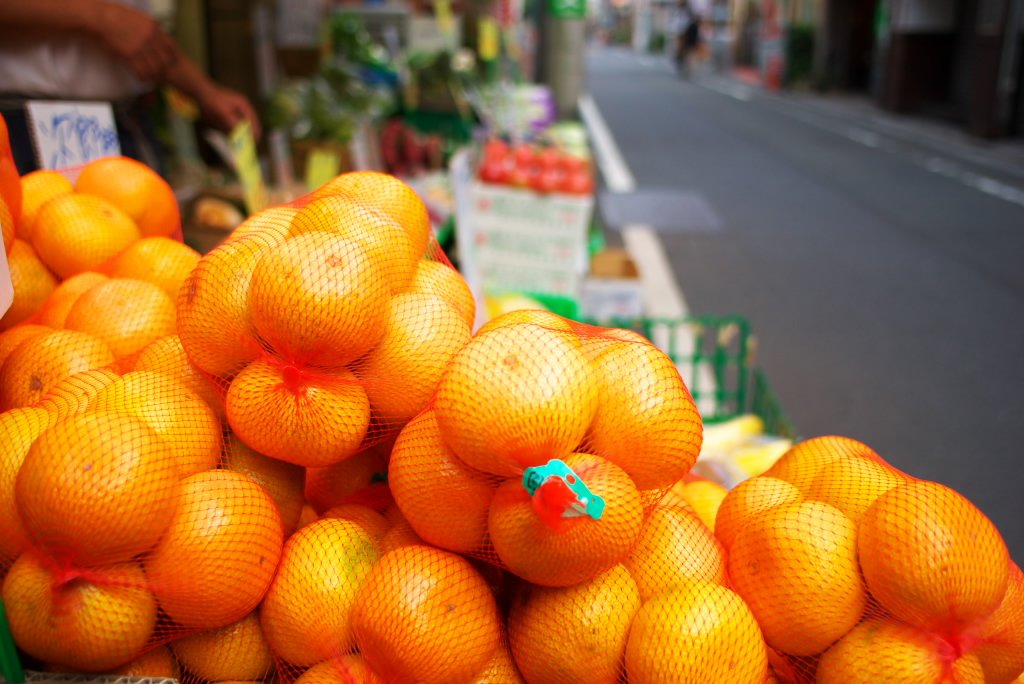
Sugiyama satsuma mandarin (Citrus unshiu ‘Sugiyama’) is a traditional Japanese satsuma selection from the Sugiyama region, appreciated for the consistent quality of its production and its cold resistance. Its hardiness reaches 10°F (−12°C) on the tree, making it suitable for in-ground planting in USDA zone 8a. The tree reaches about 11.5 ft (3.5 m) according to Vessière, with a spreading, weeping habit, evergreen foliage and fragrant white flowers in spring. Its bright orange fruit, medium-sized, 3.5 to 5.3 oz (100 to 150 g), seedless, with thin skin that is very easy to peel, ripens in November to December with juicy, sweet, low-acid flesh. Excellent fresh, as juice and as sorbet. A reference satsuma for stable production in a temperate climate. Graft onto Poncirus trifoliata; plant against a south-facing wall in well-drained soil with generous winter mulch.
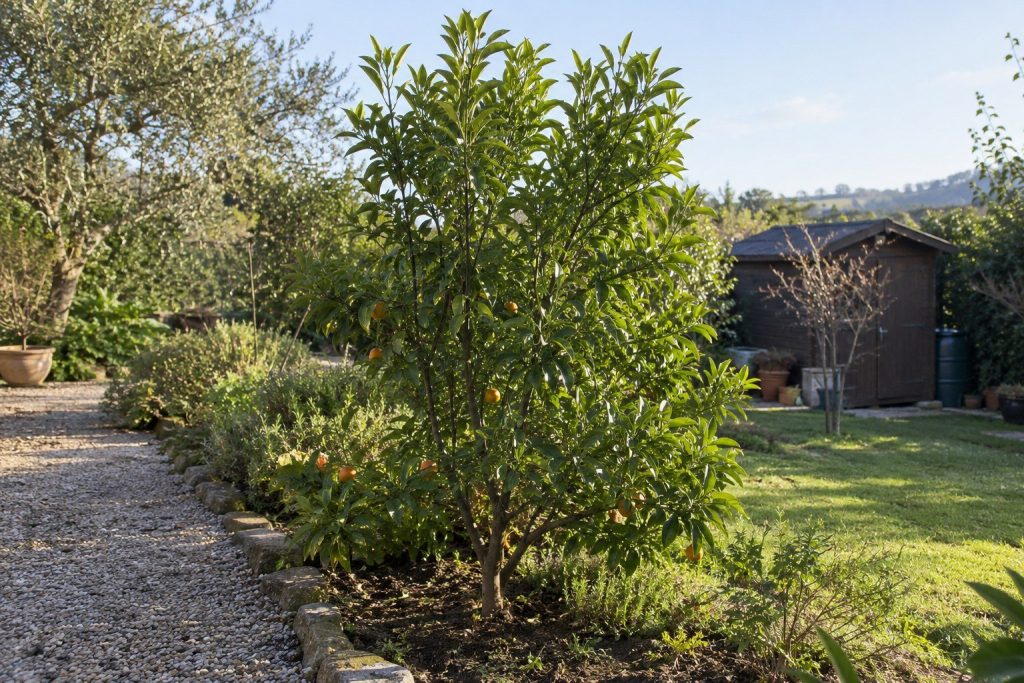
Silver Hill satsuma mandarin (Citrus unshiu ‘Silverhill’) is an old American satsuma selection, from a nucellar selection made in Florida around 1908, then named and distributed around 1931 at Silverhill, Alabama, famous for its flavor quality and earliness. Its hardiness reaches 9°F (−13°C) on the tree, among the hardiest satsumas, making it suitable for in-ground planting in USDA zones 7b and 8a. The tree reaches about 10 ft (3 m) on Pépins Perdus material, up to 15 ft (4.5 m) according to Vessière, with a spreading, weeping habit, evergreen foliage and fragrant white flowers. Its bright orange fruit, medium-sized, 3.5 to 5.3 oz (100 to 150 g), seedless, with thin skin that is very easy to peel, ripens from late October with particularly juicy, sweet, low-acid and delicately fragrant flesh. Ideal for regions where the first frosts come early. Excellent fresh, as juice and as sorbet. Graft onto Poncirus trifoliata; south-facing wall.
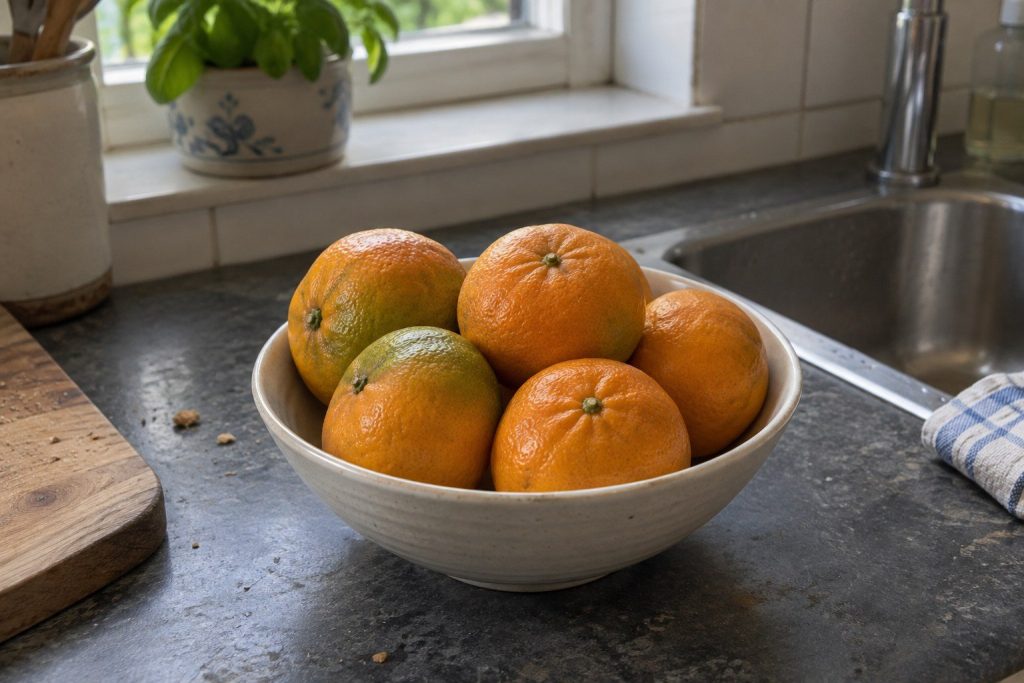
Saïgon satsuma mandarin (Citrus unshiu ‘Saïgon’) is an old satsuma selection adapted to subtropical and warm temperate climates, introduced by French nurserymen in the early 20th century. Its hardiness reaches 10°F (−12°C) on the tree, making it suitable for in-ground planting in USDA zone 8a. The tree reaches 6.5 to 10 ft (2 to 3 m) with a spreading, weeping habit, evergreen foliage and fragrant white flowers. Its bright orange fruit, medium-sized, seedless, with thin skin that is very easy to peel, ripens in November to December with juicy, sweet, low-acid, fragrant flesh. Excellent fresh, as juice and as sorbet. An interesting variety for French coastal gardens on the Atlantic and Mediterranean coasts. Graft onto Poncirus trifoliata; plant against a south-facing wall in well-drained soil.
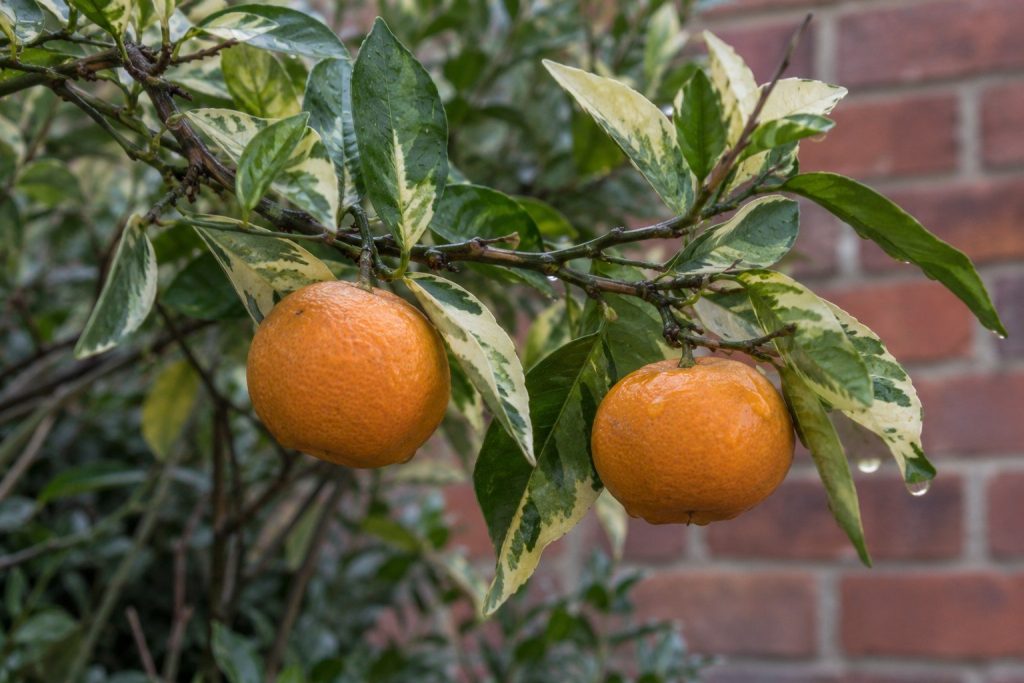
Origin: This is a spontaneous mutation (sport) discovered on an Owari satsuma tree. It is grown mainly for the unique […]
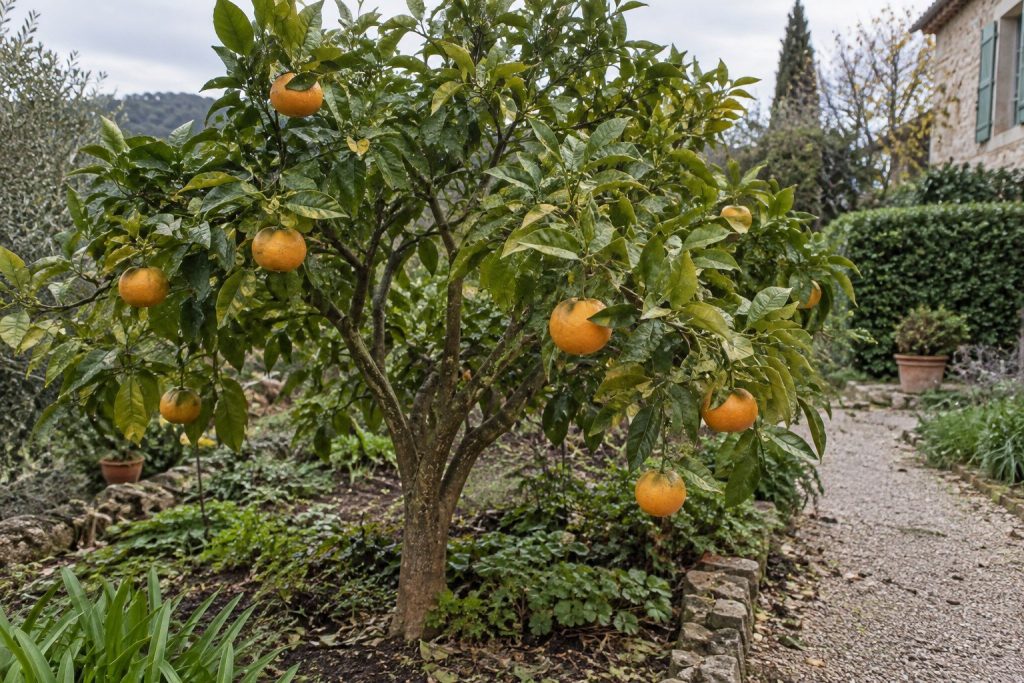
Owari ‘Francis Soules’ satsuma mandarin (Citrus unshiu ‘Francis Soules’) is a French selection of the classic Owari satsuma, made by the nurseryman Francis Soules to adapt this Japanese variety to the climates of southwestern France. Its hardiness reaches 7°F (−14°C) on the tree, slightly higher than standard Owari, among the hardiest mandarins in the world. Suitable for in-ground planting in USDA zones 7b and 8a. The tree reaches 6.5 to 10 ft (2 to 3 m) on average according to La Maison du Bananier, and about 11.5 ft (3.5 m) according to Vessière and Le Bois gourmand, with a spreading, weeping habit, evergreen foliage and fragrant white flowers. Its bright orange fruit, medium-sized, 3.5 to 5.3 oz (100 to 150 g), seedless, with thin skin that is very easy to peel, ripens from November with juicy, sweet, low-acid flesh. Excellent fresh, as juice and as sorbet. Graft onto Poncirus trifoliata; plant against a south-facing wall.
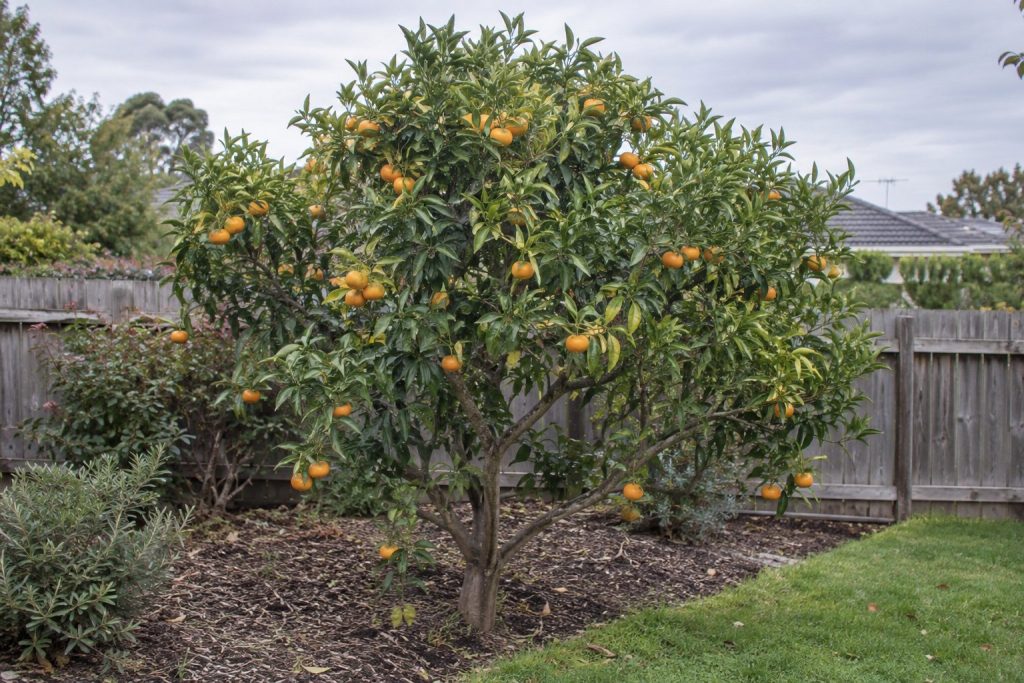
Okitsu satsuma mandarin (Citrus unshiu ‘Okitsu’) is an early Japanese satsuma selection from the Okitsu institute, a famous Japanese citrus research center. Its hardiness reaches 10°F (−12°C) on the tree, making it suitable for in-ground planting in USDA zone 8a. The tree reaches 6.5 to 10 ft (2 to 3 m) with a spreading, weeping habit, evergreen foliage and fragrant white flowers in spring. Its bright orange fruit, medium-sized, 3.5 to 5.3 oz (100 to 150 g), seedless, with thin skin that is very easy to peel, ripens from late October with particularly juicy, sweet, low-acid flesh and a much-appreciated flavor quality. A reference variety in modern Japanese satsuma breeding programs, widely distributed in southern Europe. Excellent fresh, as juice and as sorbet. Graft onto Poncirus trifoliata; south-facing wall.