Fresh eating

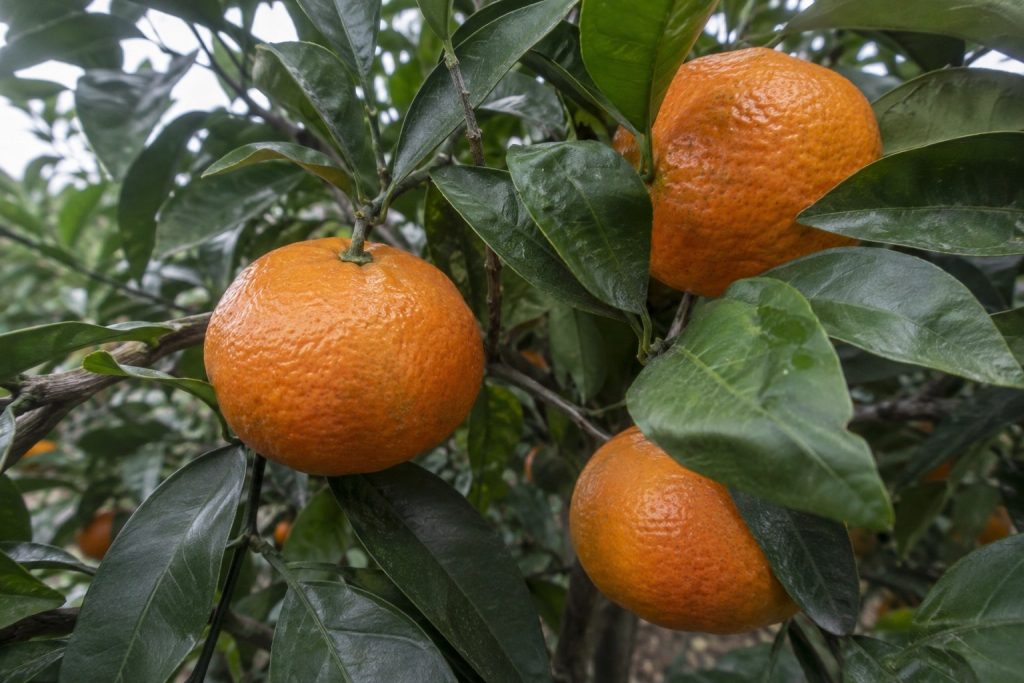
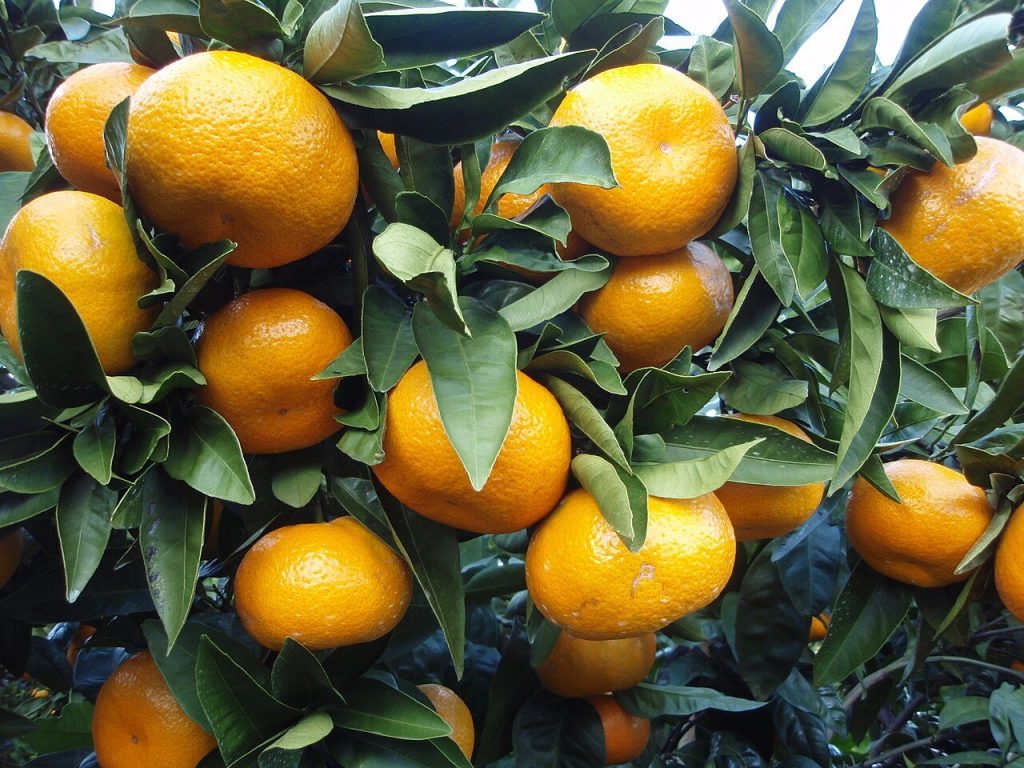
Orange citrus fruit clustered among leaves

Miyagawa Satsuma Mandarin

Miyagawa satsuma mandarin (Citrus unshiu ‘Miyagawa’) is one of the most widely distributed Japanese satsuma selections in the world, from the Japanese region of the same name. Its hardiness reaches 10°F (−12°C) on the tree, making it suitable for in-ground planting in USDA zone 8a. The tree reaches 6.5 to 10 ft (2 to 3 m) with a spreading, weeping habit, evergreen foliage and fragrant white flowers. Its bright orange fruit, medium-sized, 3.5 to 5.3 oz (100 to 150 g), seedless, with thin skin that is easy to peel, ripens in November to December with particularly juicy, sweet, low-acid, fragrant flesh. An excellent producer with consistent flavor quality. Ideal fresh, as juice and as sorbet. A variety recommended for home gardens and semi-professional production. Graft onto Poncirus trifoliata; plant against a south-facing wall in well-drained soil.
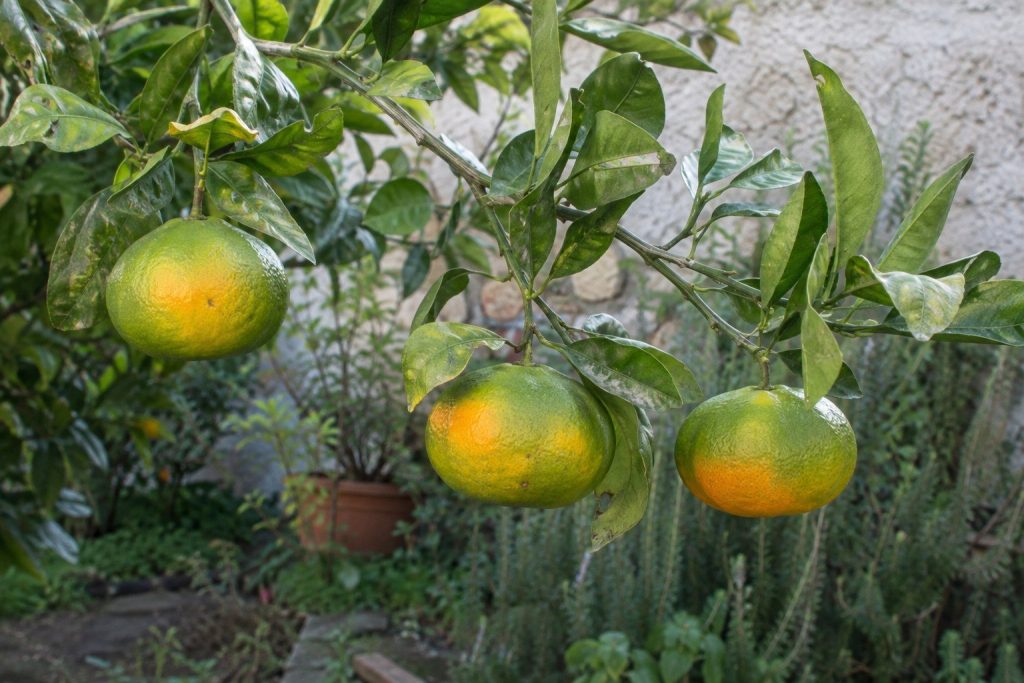
Green-orange citrus fruit hanging on branches

Kuno Wase Satsuma Mandarin

Origin: Kuno Wase belongs to the ‘Goku Wase’ group (very early). Discovered in Japan in 1910, it is a mutation […]

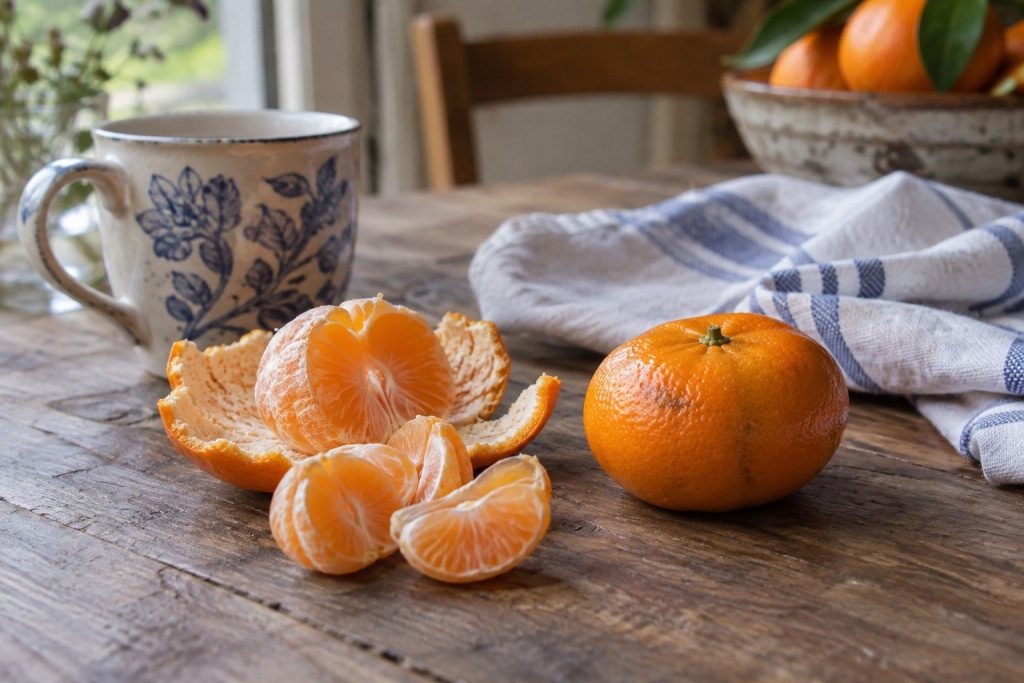
Whole and peeled orange citrus fruit beside a mug

Japan Seedless Satsuma Mandarin

Japan Seedless satsuma mandarin (Citrus unshiu ‘Japan Seedless’) is a modern Japanese satsuma selection completely free of seeds, appreciated for its pure flavor and ease of eating. Its hardiness reaches 10°F (−12°C) on the tree, making it suitable for in-ground planting in USDA zone 8a. The tree reaches about 11.5 ft (3.5 m) according to Vessière, with a spreading, weeping habit, evergreen foliage and fragrant white flowers in spring. Its bright orange fruit, medium-sized, 3.5 to 5.3 oz (100 to 150 g), absolutely seedless, with thin skin that is very easy to peel, ripens in November to December with very juicy, sweet, low-acid flesh. Ideal for children and eating out of hand. Excellent as juice and sorbet. A variety recommended for families with children. Graft onto Poncirus trifoliata; plant against a south-facing wall in well-drained soil.
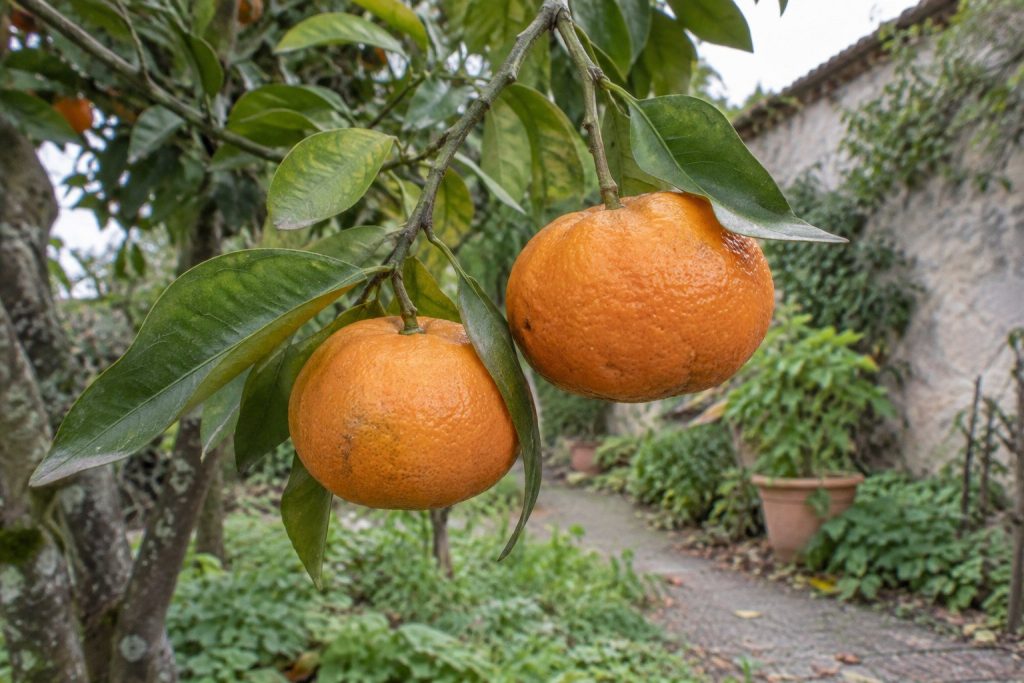
Orange citrus fruit hanging on a branch in a garden

Collot Satsuma Mandarin

Collot satsuma mandarin (Citrus unshiu ‘Collot’) is a French satsuma selection, identified by the nurseryman Collot in southwestern France in the 20th century for its adaptation to the French oceanic climate. Its hardiness reaches 10°F (−12°C) on the tree, making it suitable for in-ground planting in USDA zone 8a. The tree reaches 10 to 13 ft (3 to 4 m) with a spreading, weeping habit, evergreen foliage and fragrant white flowers. Its bright orange fruit, medium-sized, 3.5 to 5.3 oz (100 to 150 g), seedless, with thin skin that is very easy to peel, ripens in November to December with juicy, sweet, low-acid, fragrant flesh. A historic French variety prized for the regularity of its production in Atlantic climates. Excellent fresh, as juice and as sorbet. Graft onto Poncirus trifoliata; plant against a south-facing wall.

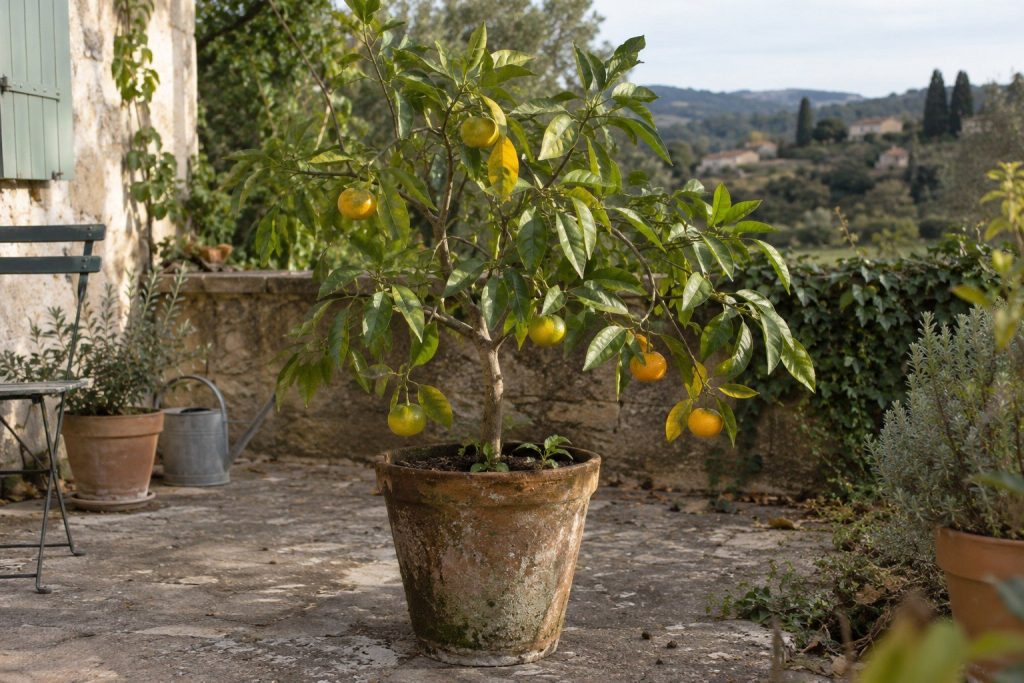
A potted citrus tree bearing yellow fruit on a patio

Clausellina Satsuma Mandarin

Origin: Clausellina is a notable exception: it is a variety of Spanish origin, discovered as a mutation on a branch […]

Orange citrus fruit among dark green leaves

Aoshima Satsuma Mandarin

Aoshima satsuma mandarin (Citrus unshiu ‘Aoshima’) is a late Japanese satsuma selection from Aoshima Island, particularly prized for its very long fruit retention on the tree, until February or even March. Its hardiness reaches 10°F (−12°C) on the tree, making it suitable for in-ground planting in USDA zone 8a. The tree reaches 6.5 to 10 ft (2 to 3 m) with a spreading, weeping habit, evergreen foliage and fragrant white flowers. Its bright orange fruit, medium to large, 4.2 to 6.3 oz (120 to 180 g), seedless, with thin skin, ripens in December to February with very juicy, sweet, fragrant flesh, often considered one of the best-tasting satsumas. Ideal for spreading out the harvest. Excellent fresh, as juice and as sorbet. Graft onto Poncirus trifoliata; south-facing wall.

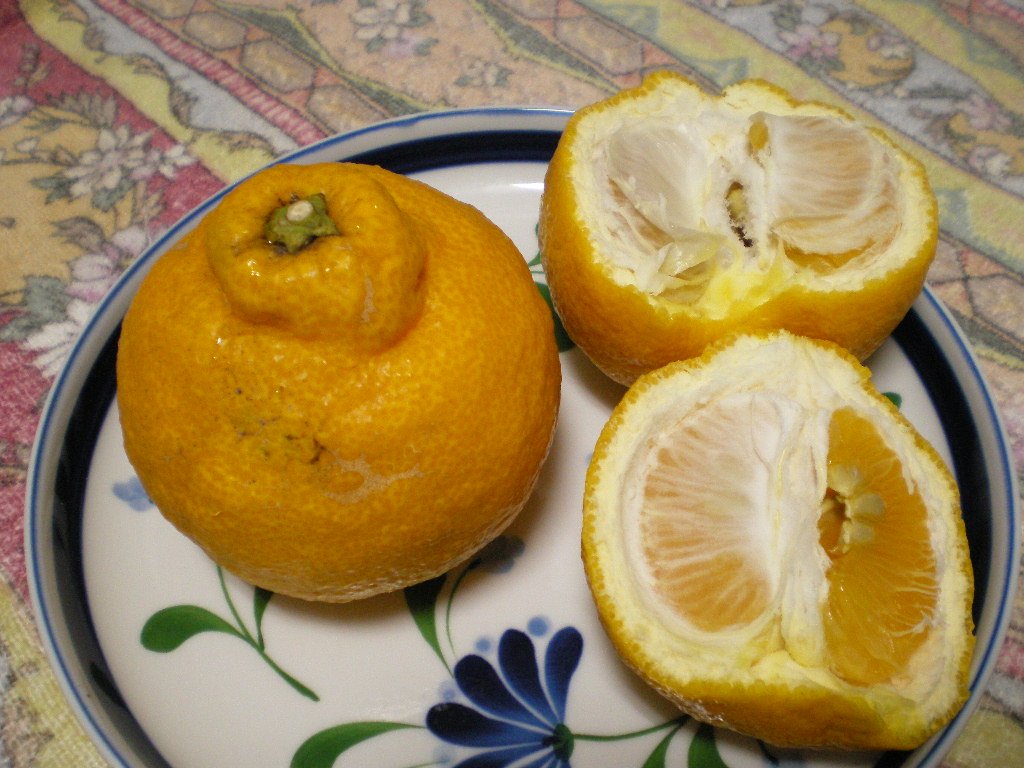
Whole and cut yellow-orange citrus fruit on a patterned plate

Sambokan

Origin: Sambokan (or Sanbokan), botanically Citrus sulcata, is a Japanese citrus originating from Wakayama Prefecture. It has been grown since […]

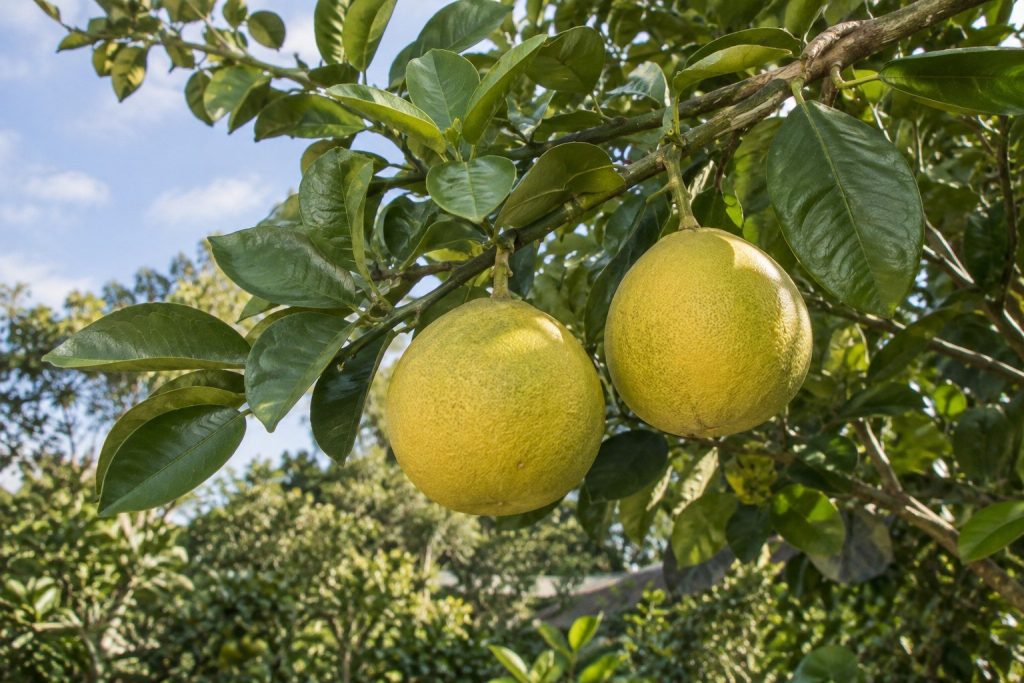
Large yellow citrus fruit hanging among leaves

Enzo Grapefruit

Origin: Enzo grapefruit is a more recent selected variety, often offered by specialist nurseries in the Mediterranean. It belongs to […]

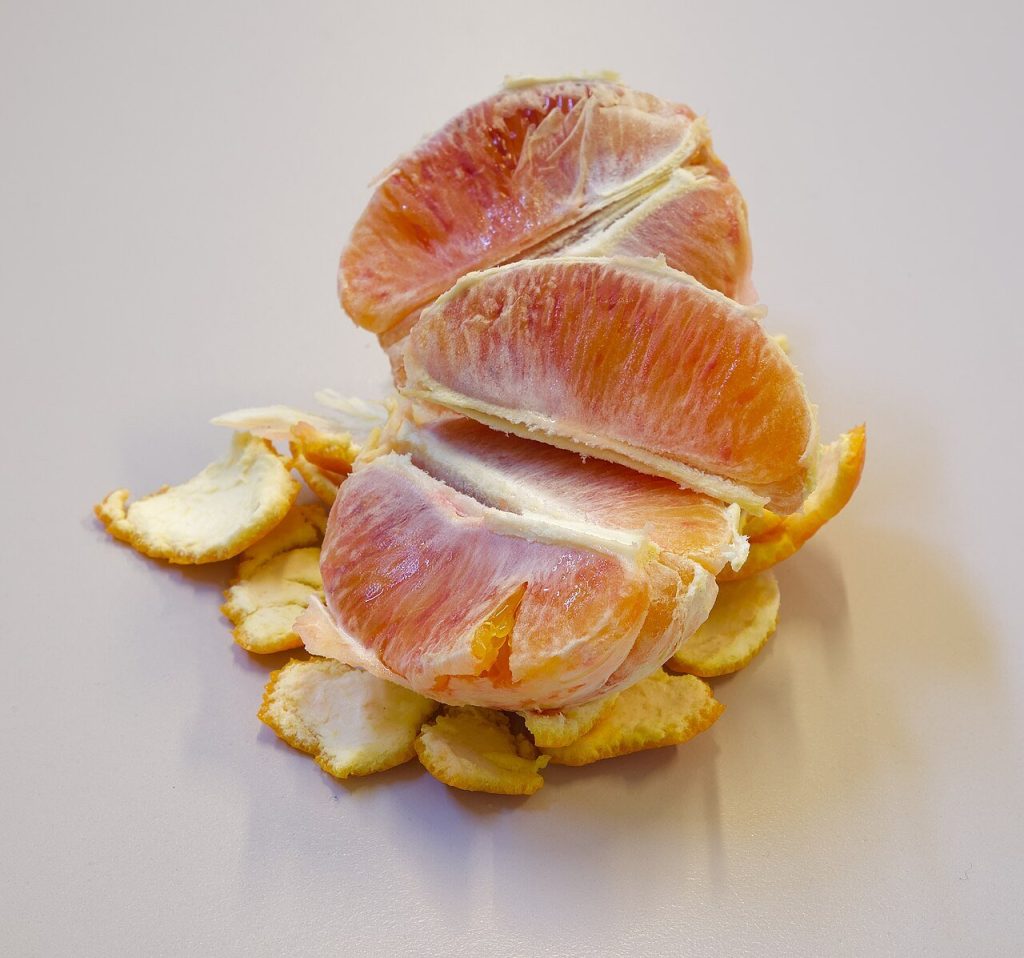
A peeled pink-fleshed citrus fruit with peel beside it

Corsican Mountain Blood Orange

Origin: This variety is a traditional selection from the Island of Beauty, grown for generations in Corsican orchards. It benefits […]

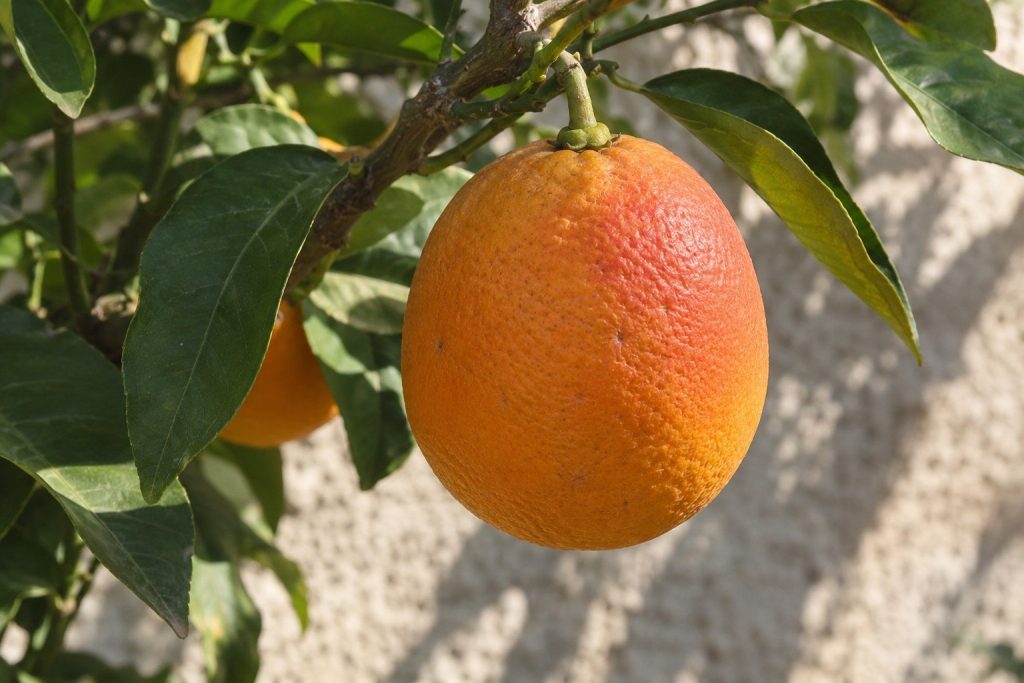
An orange citrus fruit with a reddish blush on a branch

Fragola Orange

Fragola orange (Citrus sinensis ‘Fragola’) is an especially fragrant Italian blood orange selection, whose name evokes the strawberry (fragola in Italian) because of aromatic notes reminiscent of that fruit. Its hardiness reaches 12°F (−11°C) on the tree, above the average for blood oranges, making it suitable for in-ground planting in USDA zone 8a. The tree reaches 10 to 16 ft (3 to 5 m) with a rounded habit, glossy evergreen foliage and highly fragrant white flowers. Its deep orange-red fruit, with flesh pigmented by anthocyanins, medium-sized, 6.3 to 8.8 oz (180 to 250 g) with thin skin, ripens in January to March and offers very juicy, sweet, slightly tart flesh with characteristic strawberry and raspberry notes. Excellent fresh, as juice (spectacular color) and as sorbet. Graft onto Poncirus trifoliata; south-facing wall.

Scroll to Top