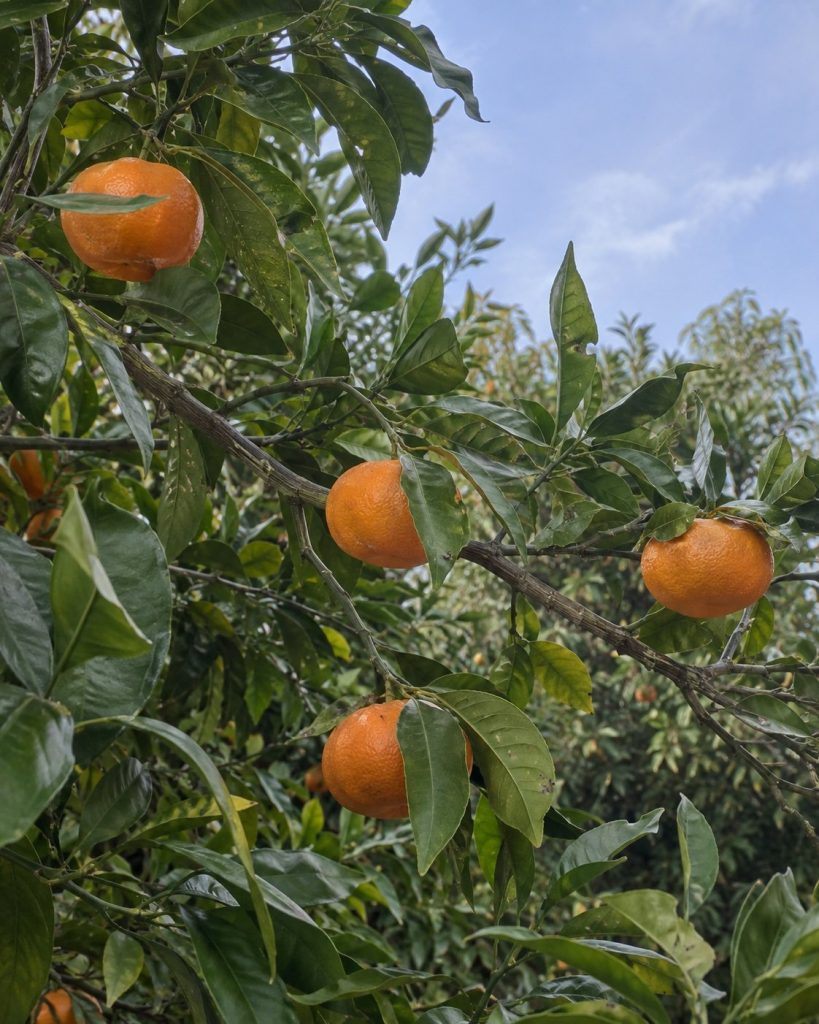
Clemenules Clementine
History & Description Origin The Clemenules clementine, also known as Nules, arose from a spontaneous natural mutation of the Fina […]
What are you looking for?
History & Description Origin The Clemenules clementine, also known as Nules, arose from a spontaneous natural mutation of the Fina […]
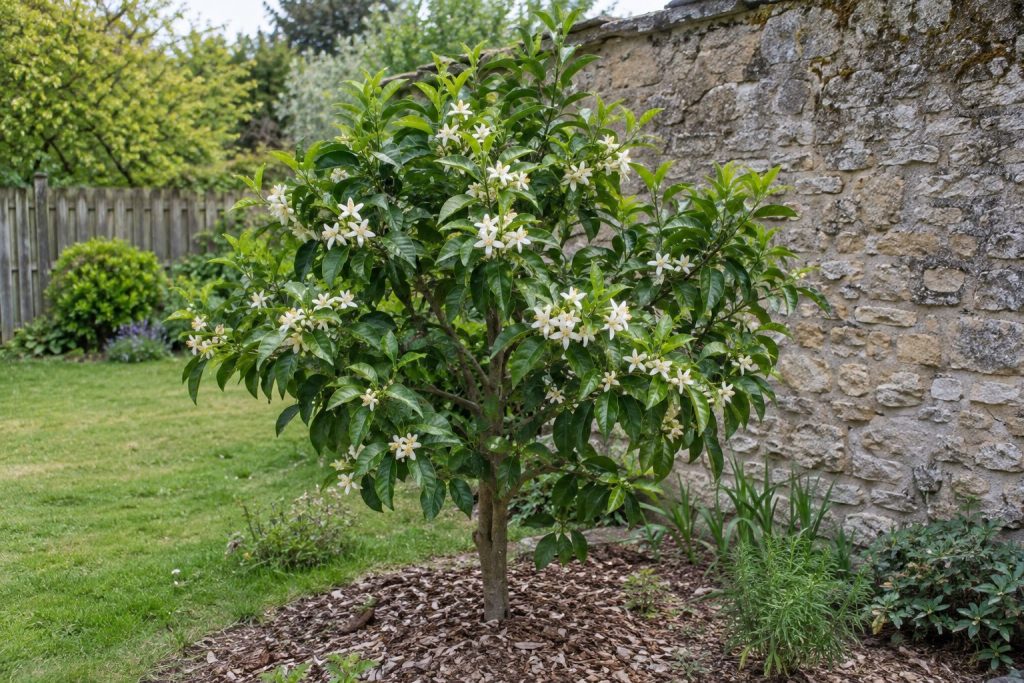
Bouquetier de Nice sour orange is a traditional French selection historically grown on the Côte d’Azur for the production of orange blossom water and neroli essential oil. Its hardiness reaches about 18°F (−8°C) on the tree, with a USDA zone 8a climate benchmark used in this entry, indicative and to be confirmed for this cultivar; a sheltered location and frost protection remain necessary. The vigorous tree reaches 10 to 16 ft (3 to 5 m) with a compact, rounded habit, evergreen foliage, and exceptionally abundant, highly fragrant white flowers in spring, the main use of the variety. Its bitter orange fruits, medium-sized, with thick, rough skin, ripen in winter. The variety is grown for its flowers (floral water, Grasse perfumery) more than for its fruit, which remains excellent in marmalade. Graft onto Poncirus trifoliata, south wall, well-drained soil.
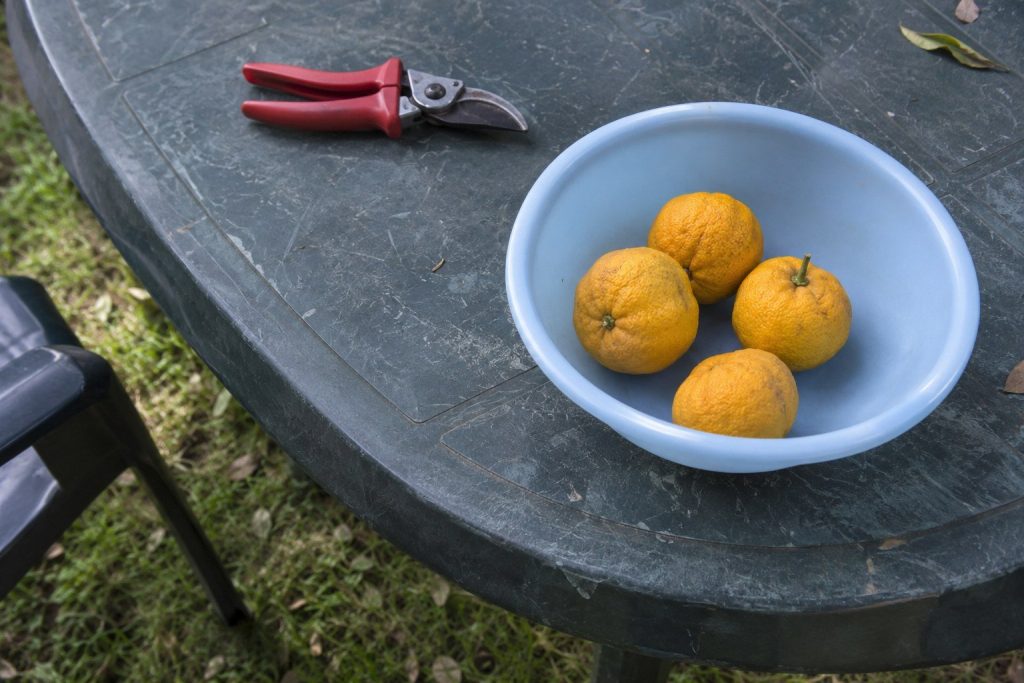
Gold Yuzu (Citrus junos ‘Gold’) is a modern selection of yuzu chosen for its smaller fruits, orange-tinged at full maturity, and its particularly intense golden yellow coloring at maturity. Its hardiness reaches 10°F (−12°C) on the tree, making it suitable for in-ground growing in USDA zone 8a. The tree reaches 10 to 13 ft (3 to 4 m) with a rounded, spreading habit, aromatic evergreen foliage, and very fragrant white flowers. Its deep golden yellow fruits, smaller in size (about 3.2 oz, or 90 g, according to Vessières), with bumpy, thick skin rich in essential oils, ripen in October to November and hold authentic yuzu juice with aromas blending mandarin, grapefruit, and orange blossom. Very tart and fragrant. Excellent as zest, juice, ponzu vinegar, and in niche pastry. Must be grafted onto Poncirus trifoliata to maximize hardiness; plant against a south-southwest-facing wall.
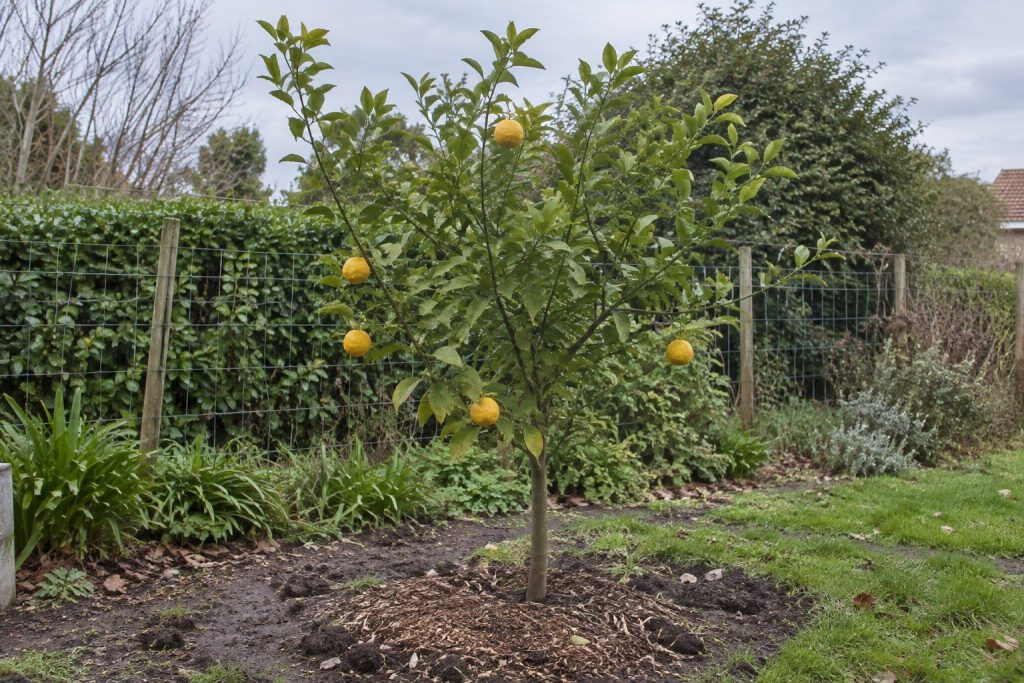
Dragon Yuzu (Citrus junos ‘Tortuosa’), also called Tortuosa Yuzu, is a Japanese variant of yuzu notable for its twisted, dragon-like branches, a highly ornamental genetic trait. Its hardiness reaches 10°F (−12°C) on the tree, making it suitable for in-ground growing in USDA zone 8a. The tree reaches 7 to 10 ft (2 to 3 m) with a compact, rounded habit and characteristic spiral branches, aromatic evergreen foliage, and very fragrant white flowers. Its golden yellow, round and bumpy, medium-sized fruits, with thick skin, ripen in October to November and hold authentic yuzu juice with a taste quality comparable to classic yuzu, very tart and fragrant. Ideal in pastry, sauces, and ponzu vinegar. Particularly decorative in winter after the partial leaf drop, showing off its spectacular twisted branches. Graft onto Poncirus trifoliata.
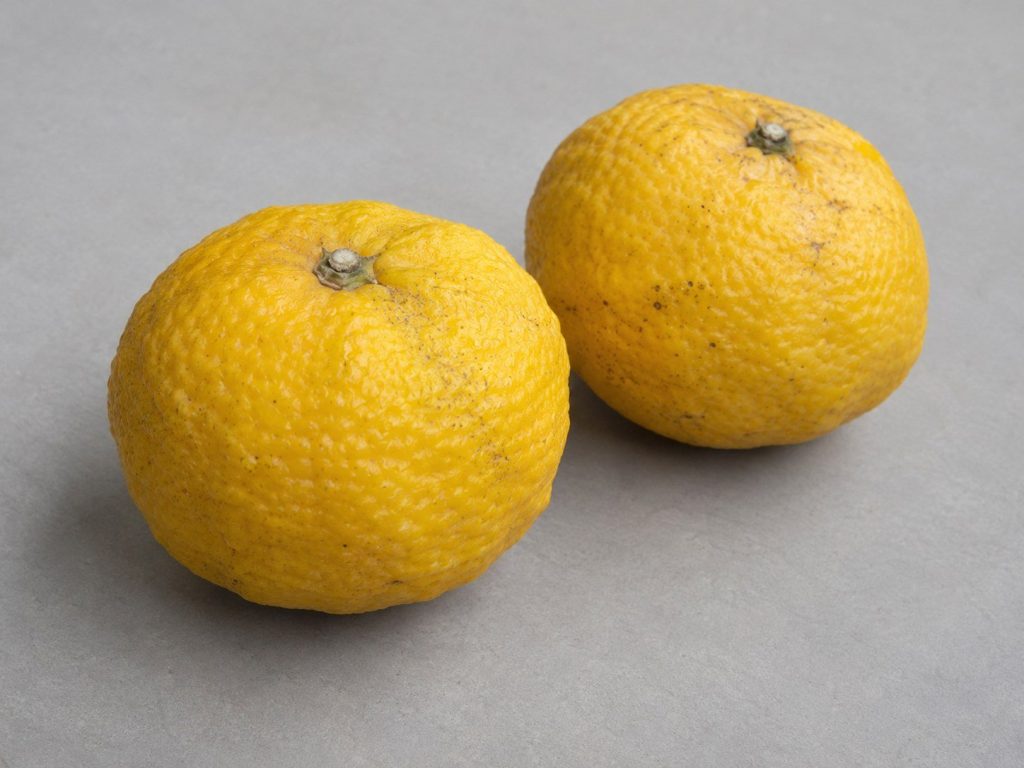
Yuzu Citron (Citrus junos ‘Citron’) is a particular selection of Japanese yuzu, a hardy citrus among the most cold-resistant. Originally from China and acclimated in Japan for over a thousand years, it withstands temperatures down to 10°F (−12°C) on the tree, which makes it suitable for in-ground growing in USDA zones 8a and 8b. The vigorous tree reaches 10 to 13 ft (3 to 4 m) at maturity, with a slightly spreading habit and evergreen foliage. Its golden yellow, bumpy, thick-skinned fruits ripen in October to November and offer a very tart juice with unique aromas blending mandarin, grapefruit, and orange blossom. Sought after by French pastry chefs since Pierre Hermé, it is used as zest, juice, confit, or marinade. Must be grafted onto Poncirus trifoliata to maximize hardiness. Prefers a south-facing wall, well-drained soil, and generous winter mulching.
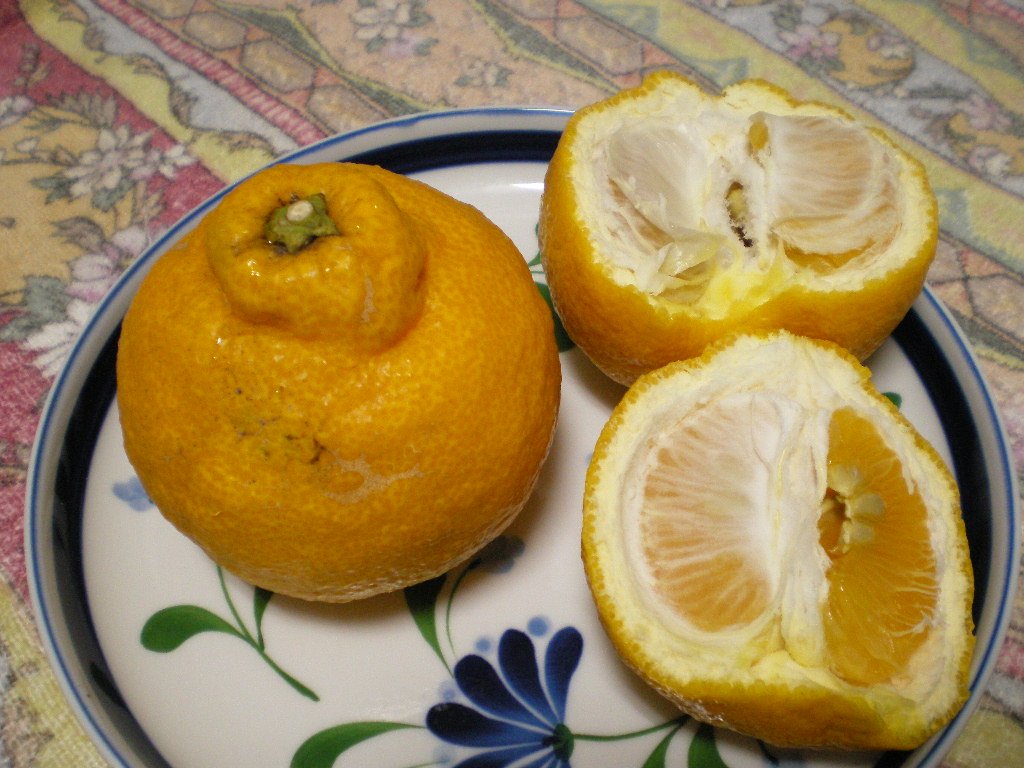
Origin: Sambokan (or Sanbokan), botanically Citrus sulcata, is a Japanese citrus originating from Wakayama Prefecture. It has been grown since […]
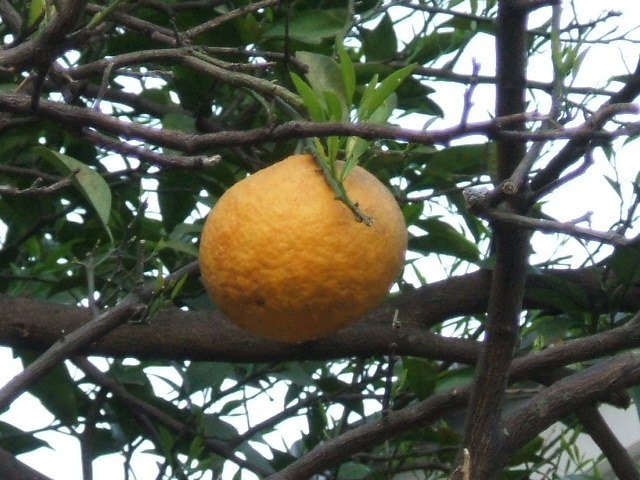
Origin: Natsudaidai, or ‘Natsumikan’ (summer mikan), is a historic Japanese citrus, discovered in the 17th century in Yamaguchi Prefecture. For […]
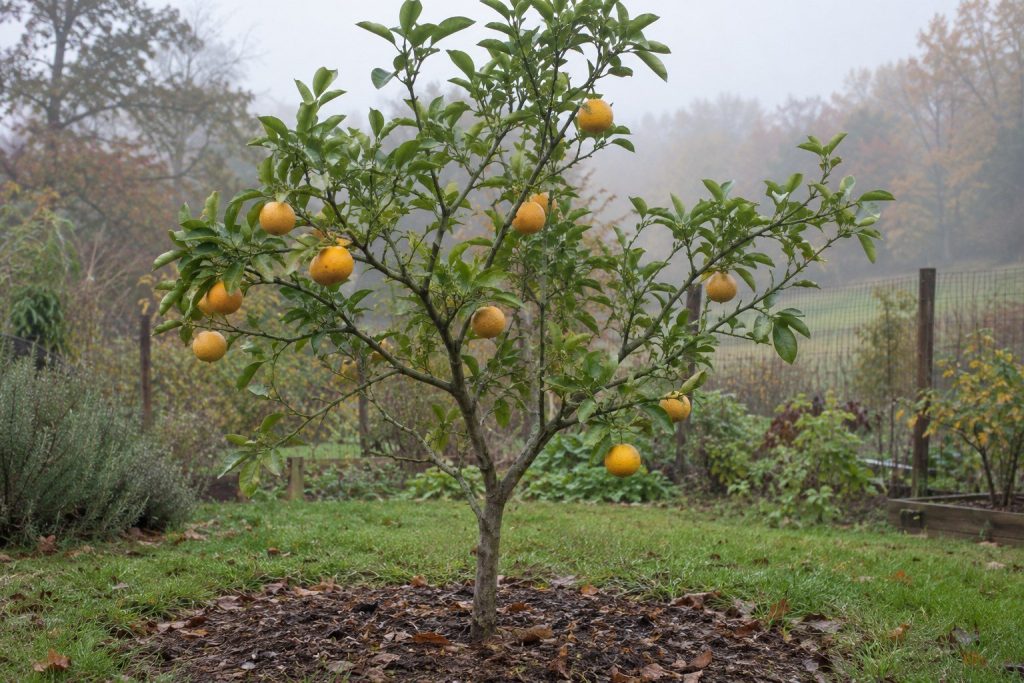
Morton Asel (Citrus sinensis × Poncirus trifoliata ‘Morton’) is a selection of the classic Morton citrange, from the American USDA program of the early 20th century, one of the first sweet orange × Poncirus hybrids ever created. Its tree hardiness reaches 5°F (−15°C), with a USDA zone 8a climate reference retained in this entry; this classification of the Morton citrange remains to be confirmed specifically for the Asel selection. The vigorous tree reaches 10 to 16 ft (3 to 5 m) with an upright, thorny habit, semi-evergreen trifoliate foliage, and fragrant white spring flowers. Its yellow-orange fruit, 3.5 to 7 oz (100 to 200 g), with thick skin, ripens in winter and offers a sour juice with a sweet-orange fragrance inherited from the main parent, acceptable in juice, marmalade, and as a cocktail base. Tolerates the continental winters of the American Great Plains without flinching. A historic reference among the hardy citrus grown in the United States. Graft onto Poncirus trifoliata.
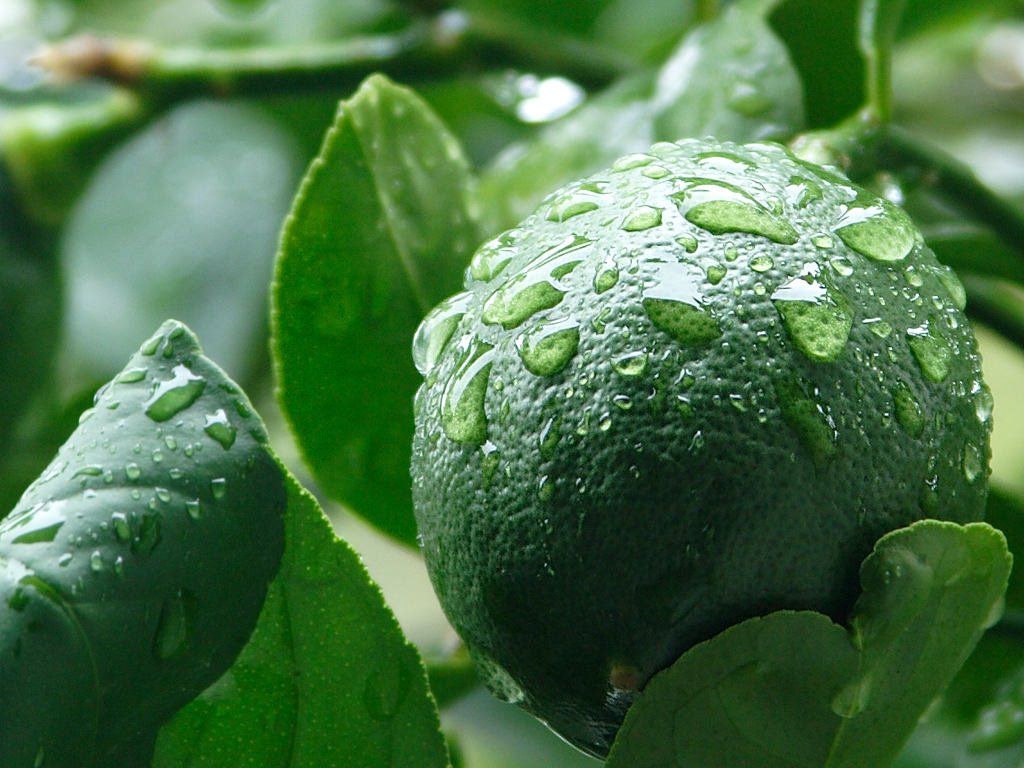
Origin: The Arcobal, or ‘Arcobaleno’ (rainbow in Italian), is a spectacular modern hybrid obtained in Italy. It comes from a […]
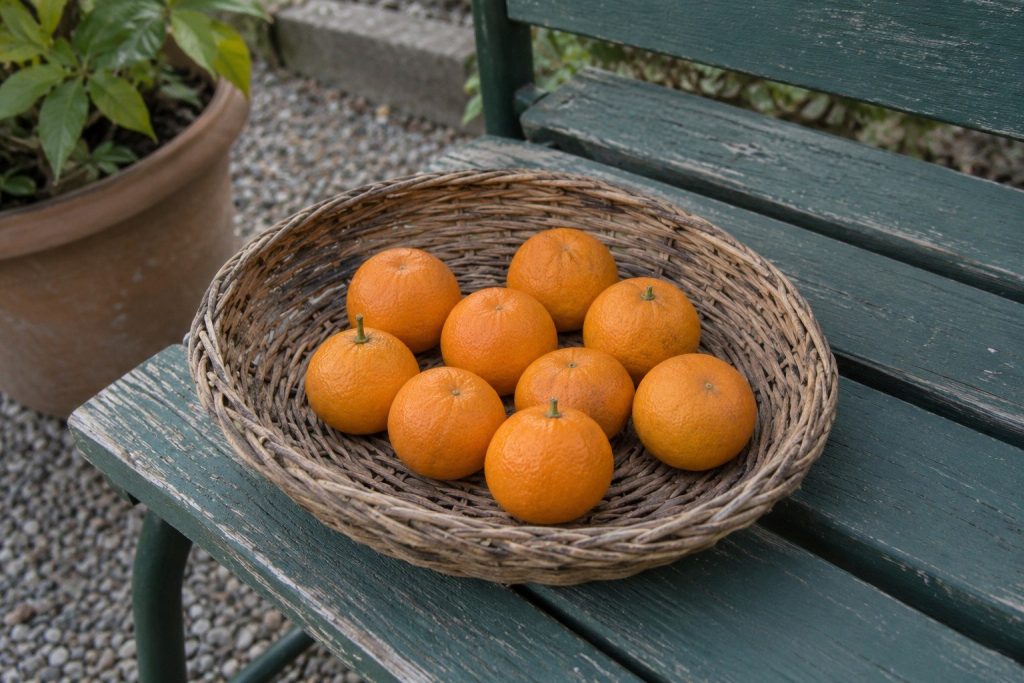
Shiva Mikan mandarin (Citrus leiocarpa) is an old Japanese citrus, a hardy wild species traditionally grown in the mountain regions of Japan for centuries. Its tree hardiness reaches 10°F (−12°C), making it suitable for in-ground growing in USDA zone 8a. The tree reaches 6 to 13 ft (2 to 4 m) with a rounded habit, aromatic evergreen foliage, and very fragrant white flowers. Its yellow-orange fruit, small at 2 to 3 in (5 to 7 cm) and thin-skinned, ripens in fall and offers a tart, fragrant juice with complex notes blending wild mandarin and subtle floral notes. Several seeds. Valued more for its ornamental, genetic (parent of many hybrids), and cultural worth than for its directly edible pulp. Used in jam, marinade, and traditional Japanese cooking. Graft onto Poncirus trifoliata, plant against a south-facing wall.