Preserves

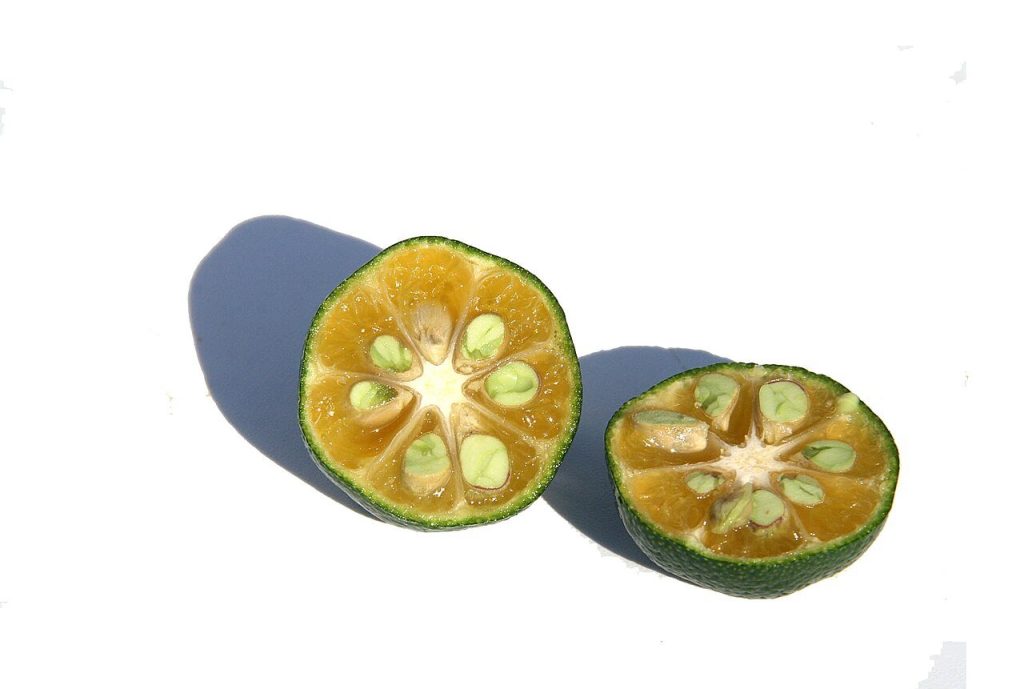
Halves of a small green-skinned citrus fruit showing seeds

Shekwasha Mandarin

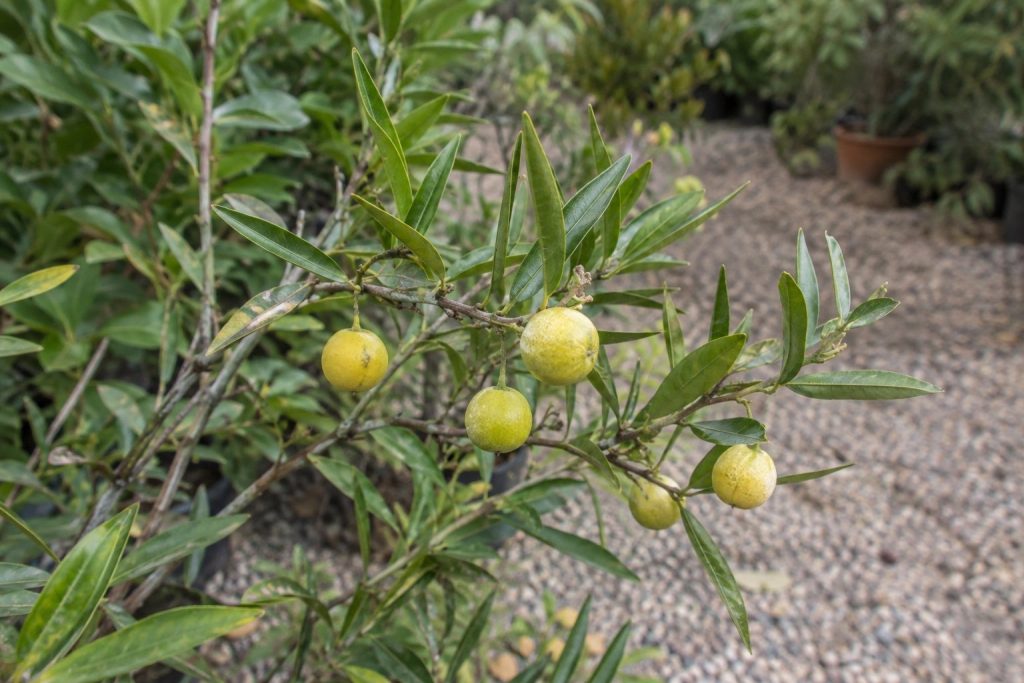
Shekwasha mandarin (Citrus depressa) is a traditional citrus of the Okinawa archipelago, grown for centuries in subtropical Japanese coastal villages for its characteristic aromatic acidity. Its tree hardiness reaches 12°F (−11°C), making it suitable for in-ground growing in USDA zone 8a to 8b. The tree reaches up to 13 ft (4 m) according to Vessière, with a rounded habit, evergreen foliage, and fragrant white flowers. Its round, flattened fruit, bright green (harvested green) or yellow-orange (at full ripeness), small at 1 to 2 in (3 to 5 cm) and thin-skinned, ripens in fall and concentrates a very sour, fragrant juice with unique notes blending lime, wild mandarin, and yuzu. Essential in Okinawan cooking (fish, sauces, refreshing juice). Many seeds. Graft onto Poncirus trifoliata, plant against a south-facing wall.
A garden citrus tree bearing orange fruit

Shangsa Mandarin

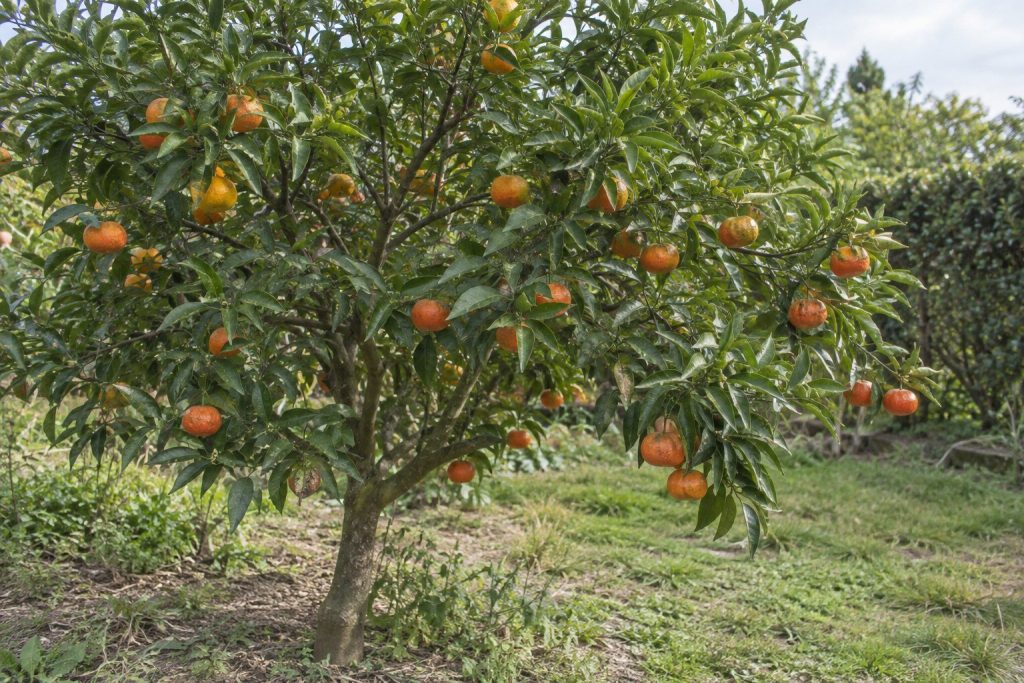
Shangsa mandarin, sometimes spelled Changsha (Citrus reticulata ‘Changsha’), is one of the hardiest mandarins in the world, withstanding down to 7°F (−14°C) on the tree depending on the selection. Native to the Hunan region of central China (the city of Changsha gave it its name), it served as the genetic base for many modern hardy hybrids developed in the 20th century (notably Citrandarin US-852 and the 899K Voss mandarin). The vigorous tree reaches 10 to 13 ft (3 to 4 m) with an upright habit and evergreen foliage. Its bright orange, small fruit, 2 to 3 oz (60 to 80 g), with skin that is easy to peel, ripens from November to December and offers juicy flesh with a sweet taste punctuated by delicate floral notes. A few seeds per fruit, more hardy than aromatic. Excellent in fresh juice and cooked. Grafted onto Poncirus trifoliata, it is classified in USDA zone 8a by Biggio and Londeix; growing it in 7b remains an attempt at the limit in a very sheltered situation, notably described by Woodlanders in the United States.

Small elongated orange citrus fruit among green leaves

Nameiwa Kumquat

Origin: Nameiwa kumquat is a superior selection of the famous Meiwa, the result of research to improve the latter’s size […]

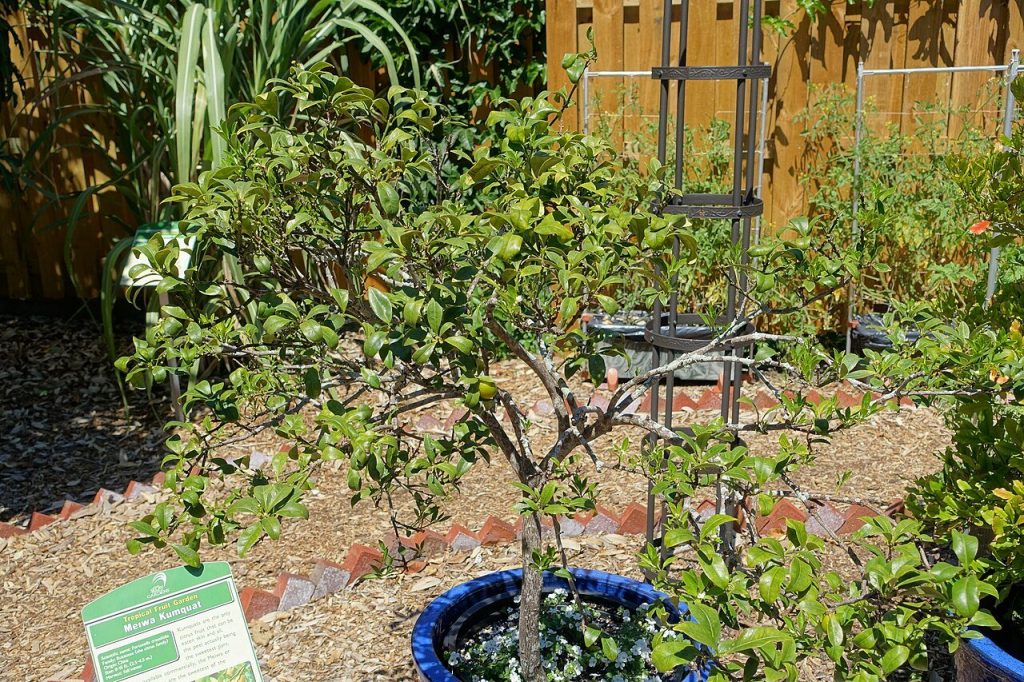
A citrus plant in a blue pot beside a garden fence and label

Meiwa Kumquat

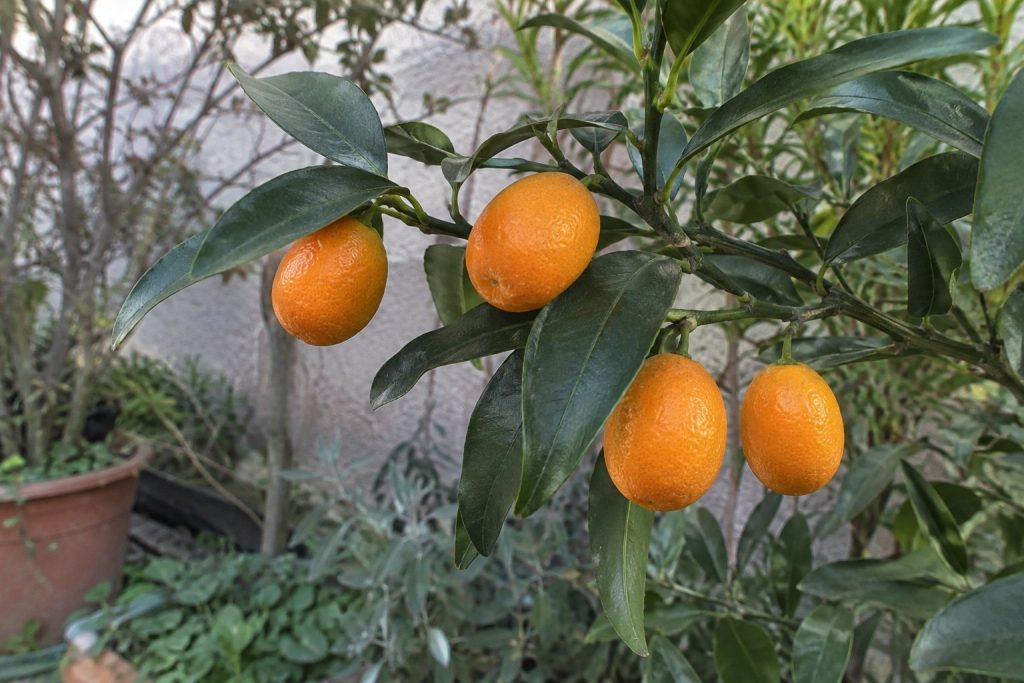
Meiwa kumquat (Citrus crassifolia ‘Meiwa’) is a natural hybrid between the Marumi and the Nagami, regarded as the sweetest kumquat and the most pleasant to eat raw. The hardiness reference retained for the tree is 10°F (−12°C); whether it can be grown in the ground depends on the plant and the microclimate. Native to Japan, where it is very popular, the compact shrub reaches 6 to 10 ft (2 to 3 m), with a dense, rounded habit and evergreen foliage. Its dark orange, oval-round fruit, larger than that of the Marumi or Nagami, has a sweet skin and a pulp with more moderate acidity than other kumquats. Excellent eaten whole like a natural candy, in salads, or candied. Fragrant summer flowering. Choosing Poncirus trifoliata does not remove the need to protect young plants and fruit from frost. Prefers a south-facing wall and well-drained soil.

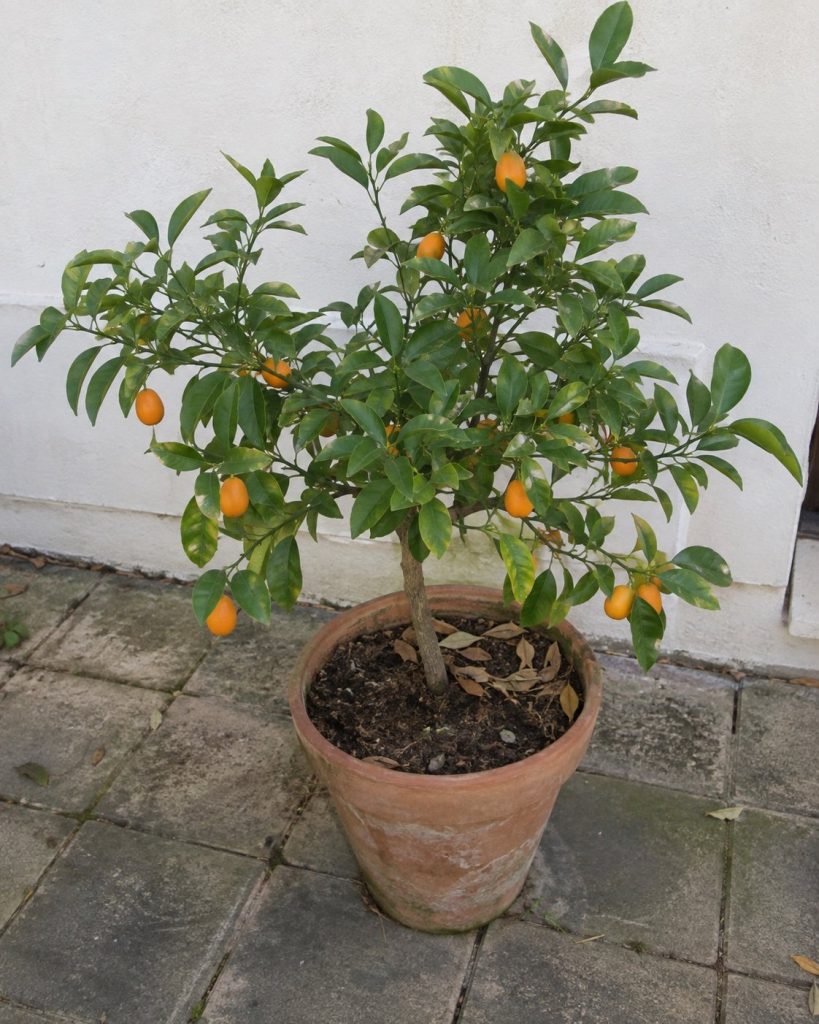
A citrus plant bearing orange fruit in a terracotta pot

Fukushu Kumquat

Fukushu kumquat (Citrus obovata ‘Fukushu’), also called Changshou kumquat, is a Japanese variety that produces larger, sweeter fruit than classic kumquats. The hardiness reference retained for the tree is 14°F (−10°C), to be read with the conditions given in this entry. The compact shrub reaches 6 to 8 ft (2 to 2.5 m), with a rounded habit and glossy evergreen foliage. Its light orange, obovate fruit, 1.5 to 2 in (4 to 5 cm) long, has a thin, mild, fragrant skin and a pulp that recalls a mandarin more than the traditional kumquat. A flavor balanced between sweetness and acidity, excellent eaten whole or as juice. Abundant, fragrant spring flowering and a very ornamental habit. Choose a rootstock suited to the soil and climate, without attributing a fixed hardiness gain to it. Plant against a south-facing wall; well-drained soil is essential.

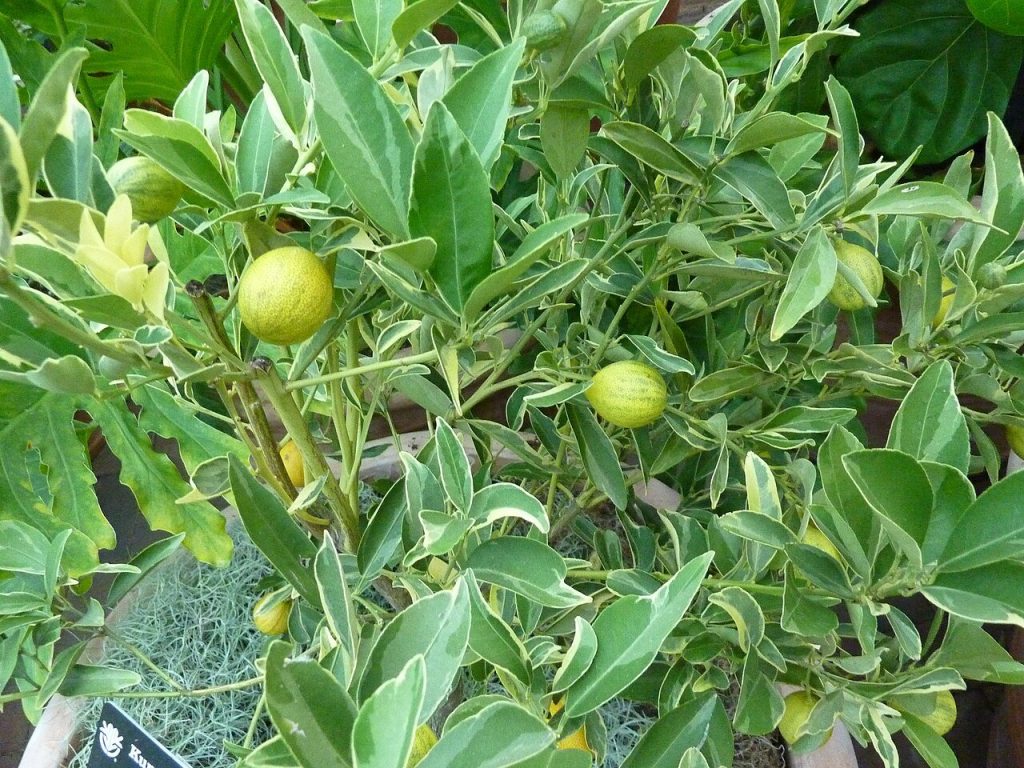
Small green citrus fruit among pale green leaves

Centennial Variegated Kumquat

Origin: Centennial Variegated Kumquat is a mutation discovered in the United States, more precisely in Florida, from the famous Nagami […]

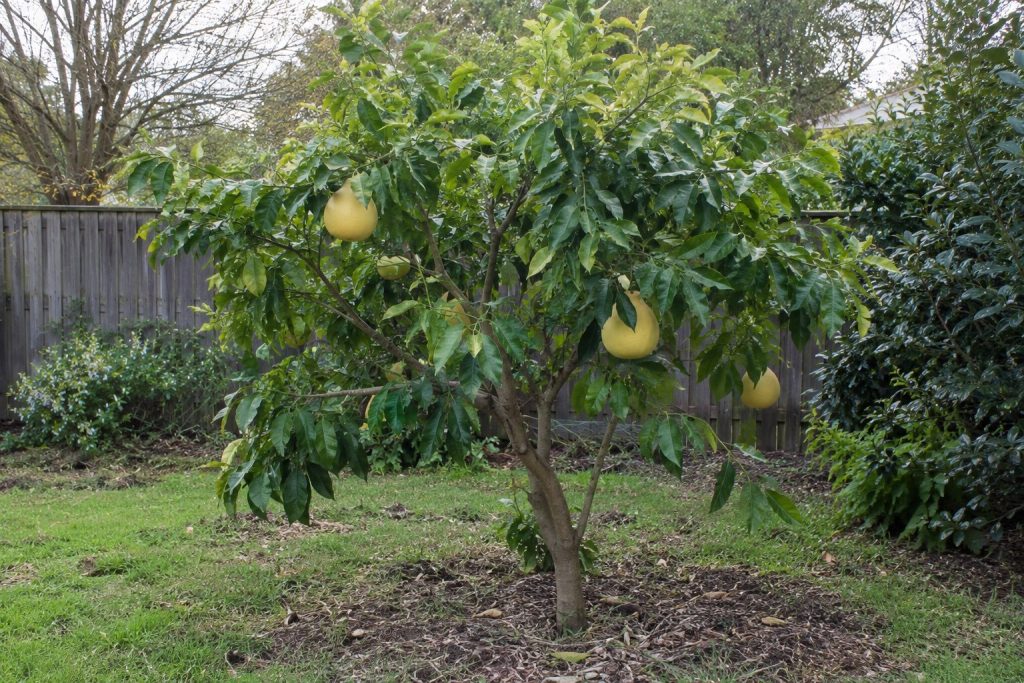
A garden citrus tree bearing large pale yellow fruit

Shenguyen Ichanglemon

Shenguyen Ichanglemon (Citrus wilsonii ‘Shenguyen’) is a Chinese selection of the Ichanglemon, a hybrid between the Ichang papeda and a primitive lemon, originating in the Shenguyen region in the mountains of southwestern China. Its tree hardiness reaches 10°F (−12°C), making it suitable for in-ground growing in USDA zone 8a. The vigorous tree reaches 10 to 16 ft (3 to 5 m) with an upright, thorny habit, evergreen foliage with large winged petioles, and fragrant white spring flowers. Its yellow, round, bumpy fruit, medium to large at 7 to 12 oz (200 to 350 g), with thick, rough skin, ripens in winter and offers a very fragrant, aromatic sour juice evoking a wild lemon with grapefruit notes. Used in traditional Asian cooking and in confectionery. Graft onto Poncirus trifoliata.

Small pale yellow citrus fruit among narrow leaves

Coachella Eremolemon

Origin: Originating in California, it is a fascinating natural intergeneric hybrid between an Eremorange (itself a hybrid of the Australian […]

A young leafy citrus plant in a pot beside a wall

Clementine × Yuzu 333

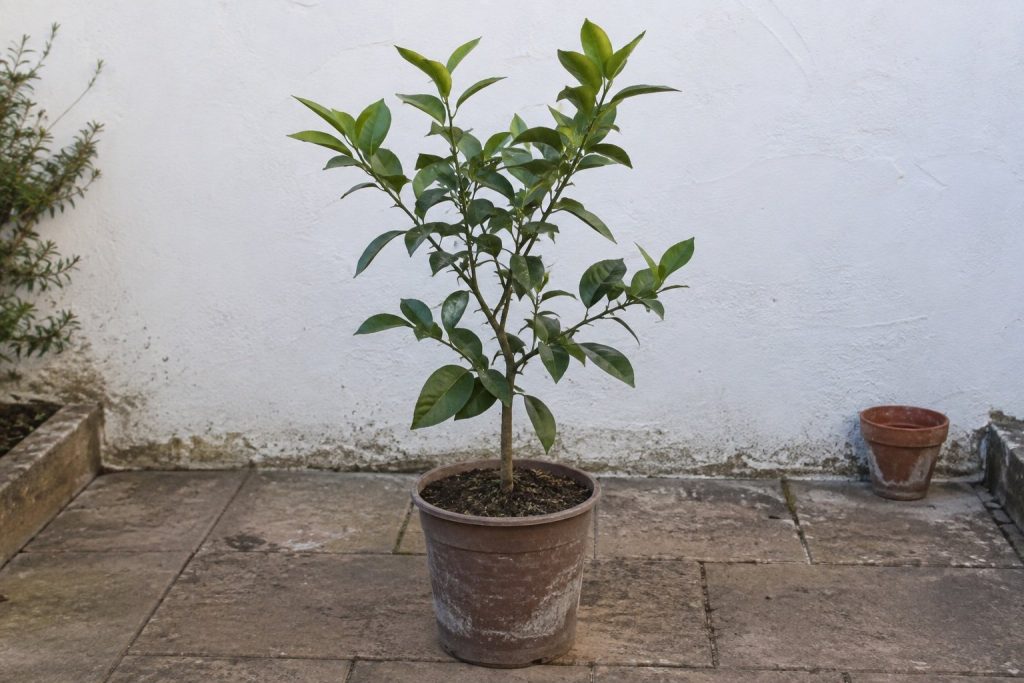
Clementine × Yuzu 333 (Citrus clementina × junos) is a modern hybrid of the Mediterranean clementine and the Japanese yuzu, a numbered selection (333) from a breeding program aimed at combining clementine sweetness with yuzu hardiness. Its tree hardiness reaches 10°F (−12°C), higher than that of the classic clementine, and Biggio and Londeix rank it among the citrus to plant in USDA zone 8b. The tree reaches 6 to 13 ft (2 to 4 m) with a rounded habit, evergreen foliage, and fragrant white flowers. Its orange-yellow fruit, medium-sized and easy to peel, ripens in winter and offers juicy flesh with a flavor balanced between clementine sweetness and the fragrant acidity of yuzu, with a few original floral notes. A few seeds. Graft onto Poncirus trifoliata, plant against a south-facing wall, in well-drained soil.

A small citrus tree bearing orange fruit beside garden beds

Prague Citsuma

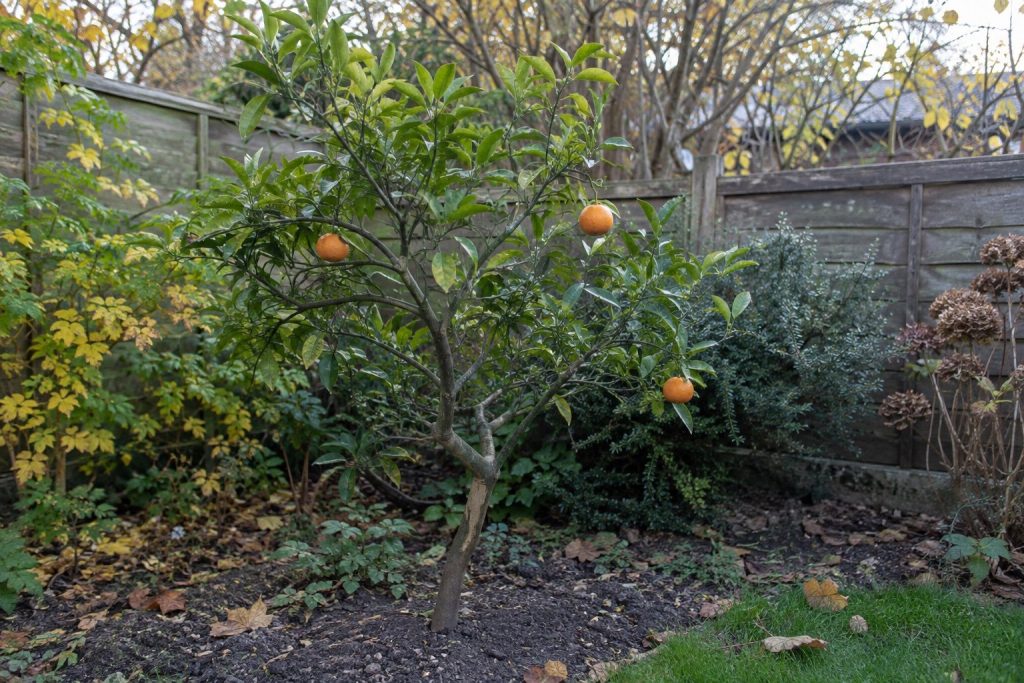
Prague citsuma (Citrus unshiu + Poncirus) is an emblematic example of a Satsuma × Poncirus hybrid developed in Central Europe in the 20th century at the Prague institute. Its tree hardiness reaches 5°F (−15°C); Biggio and Londeix classify it in USDA zone 8a, and Anjou Citrus also considers growing it in zones 7 and 6, often with winter protection. The vigorous tree reaches 10 to 13 ft (3 to 4 m) with an upright, semi-thorny habit and foliage with double leaflets, sometimes twisted (a Poncirus inheritance), which makes it a remarkable landscape specimen, along with fragrant white spring flowers. Its small orange fruit, 2 to 3.5 oz (60 to 100 g), has skin that is easy to peel and ripens from December to February according to the Vessières catalog; the flesh is sweet and fragrant when cooked, less interesting raw because of residual bitter notes from the Poncirus. Excellent as compote, candied, or in marmalade. Graft onto Poncirus trifoliata, plant against a south-facing wall, in well-drained soil.

Scroll to Top