Fresh eating

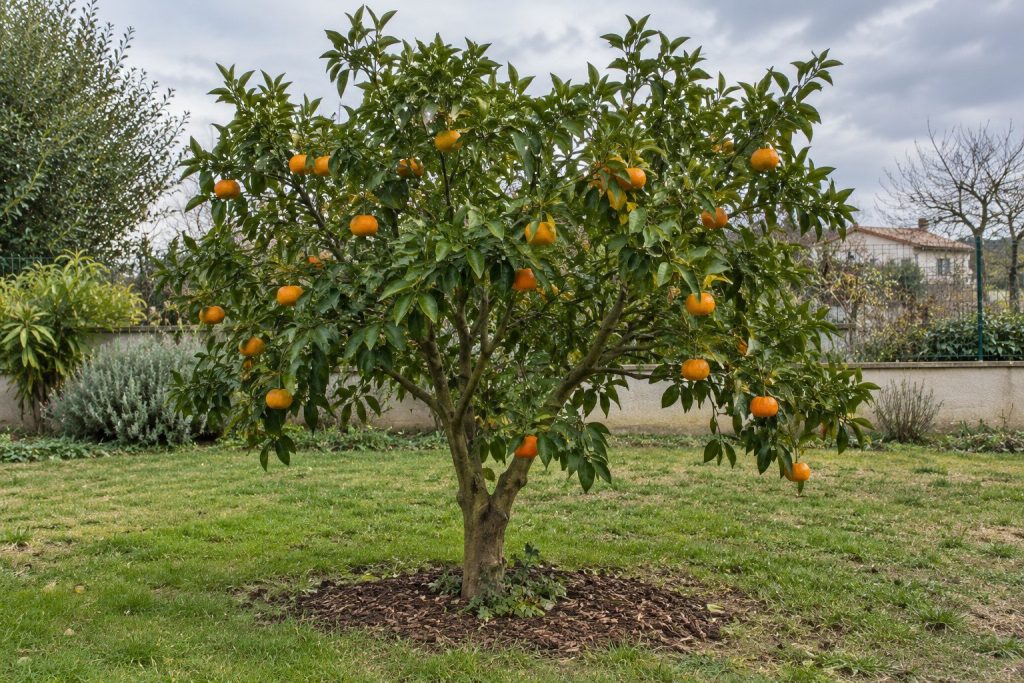
A citrus tree bearing orange fruit on a lawn

Owari SRA 145 Corsica Satsuma Mandarin

Owari SRA 145 Corsica satsuma mandarin (Citrus unshiu ‘Owari SRA 145’) is a French clonal selection from the INRAE Corsica San Giuliano program, which catalogs and improves satsuma varieties adapted to the French climate. Its hardiness reaches 9°F (−13°C) on the tree, among the hardiest mandarins, making it suitable for in-ground growing in USDA zones 7b and 8a. The tree reaches 7 to 10 ft (2 to 3 m) with a spreading, weeping habit, evergreen foliage, and fragrant white flowers. Its bright orange, medium-sized fruits, weighing 3.5 to 5.3 oz (100 to 150 g), seedless, with thin, easy-to-peel skin, ripen in November-December with juicy, sweet, low-acid flesh. A French reference for satsuma production in temperate climates. Excellent fresh, as juice, and as sorbet. Graft onto Poncirus trifoliata, plant against a south-facing wall, in well-drained soil.
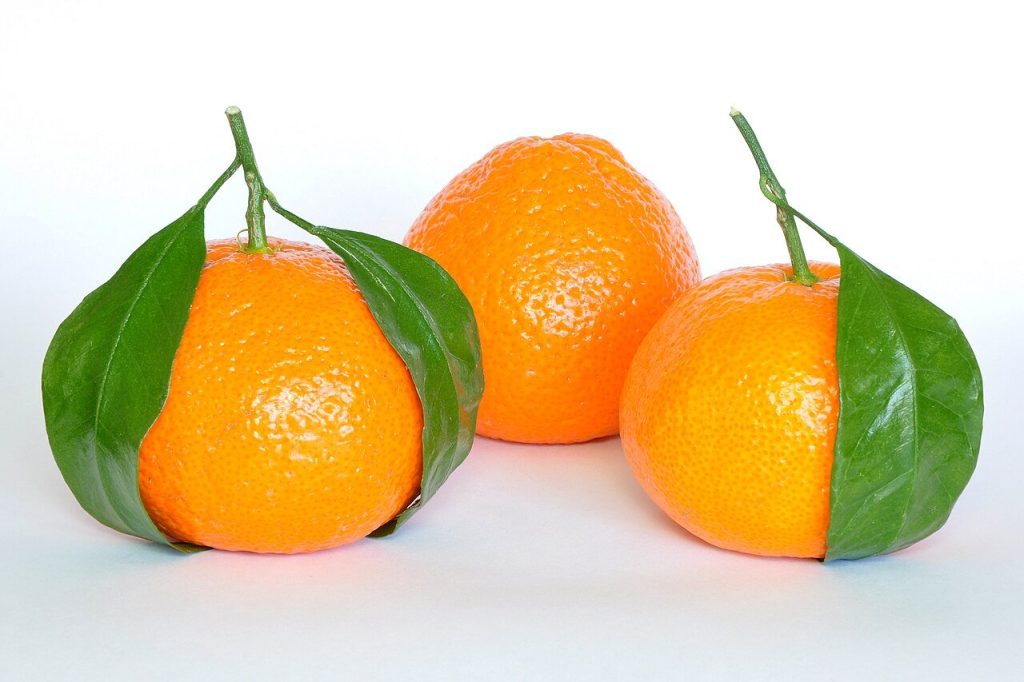
Three orange citrus fruit with attached leaves on a pale background

Changsha Mandarin

The Changsha Mandarin (Citrus reticulata ‘Changsha’) is one of the hardiest mandarins in the world, withstanding down to 10°F (−12°C) on the tree. Native to the Hunan region of central China, where it has grown for more than a thousand years, it served as the genetic base of many modern hardy hybrids developed in the twentieth century. The vigorous tree grows 10 to 13 ft (3 to 4 m) tall with an upright habit and evergreen foliage. Its bright orange, small fruits (2.1 to 2.8 oz, or 60 to 80 g), with easy-to-peel skin, ripen in November and December and offer juicy flesh with a sweet taste punctuated by delicate floral notes. Many seeds in the classic form, hardier than aromatic. Excellent in fresh juice and in cooking. Grafted onto Poncirus trifoliata, it is rated USDA zone 8a by Biggio and Londeix; growing it in 7b remains a borderline attempt in a very sheltered situation, notably described by Woodlanders in the United States. A sentimental choice for the gardener who wants to link Chinese tradition and a French-speaking garden.

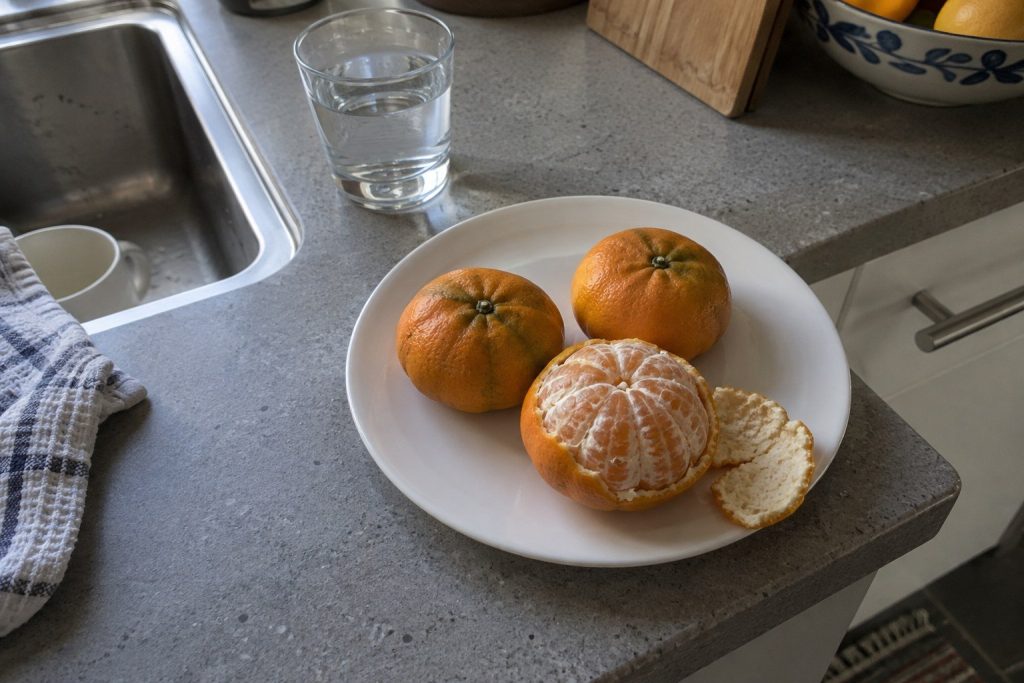
Whole and peeled orange citrus fruit on a kitchen plate

Planellina Satsuma

The Planellina Satsuma (Citrus unshiu ‘Planellina Wase’) is an early satsuma selection originating in Spain, chosen for its flavor quality and early harvest. Its hardiness reaches 10°F (−12°C) on the tree, among the hardiest satsumas, making it suitable for planting in the ground in USDA zone 8a. The tree grows 7 to 10 ft (2 to 3 m) tall with the spreading, weeping habit characteristic of satsumas, evergreen foliage and fragrant white flowers in spring. Its bright orange, medium-sized fruits (3.5 to 5.3 oz, or 100 to 150 g), seedless, with thin, very easy-to-peel skin, are harvested from September for juice, then in October as eating fruit, according to Quissac, with particularly juicy, sweet, low-acid flesh. Excellent fresh, as juice and in sorbet. Ideal for anyone who wants an early-harvest mandarin before the first severe frosts. Graft onto Poncirus trifoliata, plant against a south-southwest-facing wall.

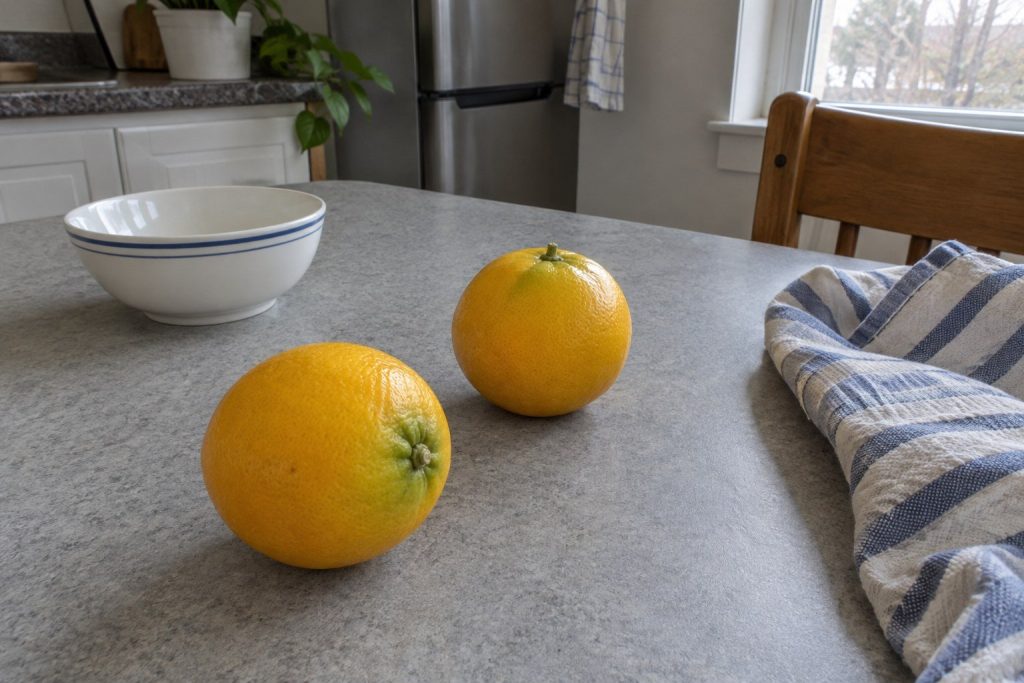
Two yellow-orange citrus fruit on a kitchen counter

Thomson Tangelo

Origin: The Thomson Tangelo is an American selection of Floridian origin, from the vast program of hybridization between mandarins and […]

A citrus plant with small green fruit in a pale rectangular pot

Cocktail Grapefruit

Origin: The Cocktail Grapefruit, also called Mandalo, is an American hybrid created in the 1950s at the Citrus Research Center […]

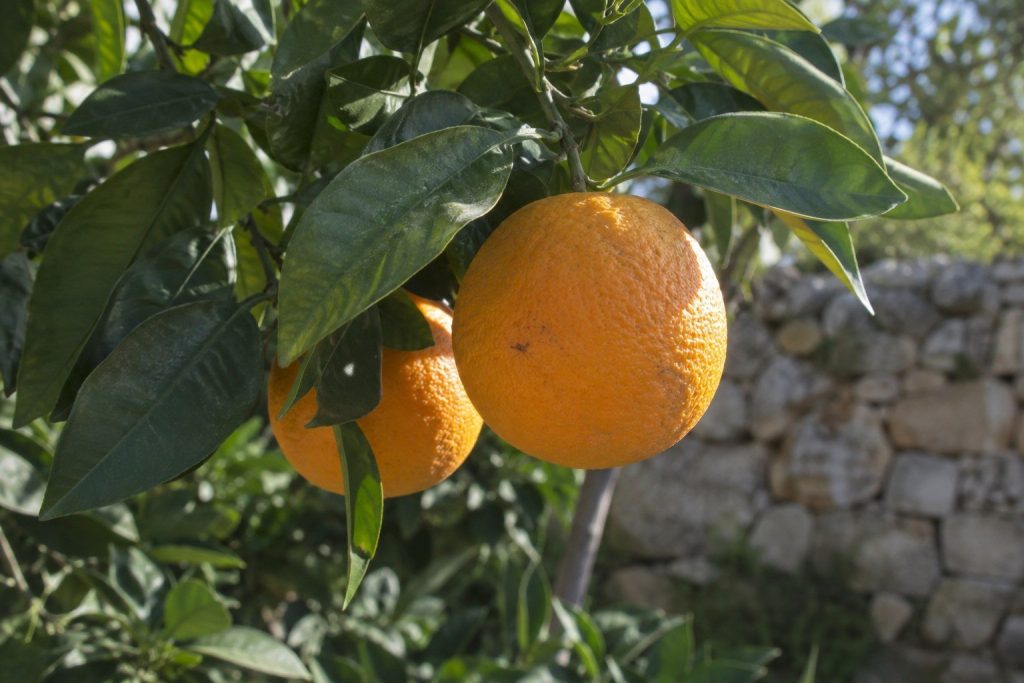
Orange citrus fruit among glossy dark leaves

Banyuls Sweet Orange

Origin: The Banyuls Sweet Orange is a French heritage selection originating from the hillsides of the Côte Vermeille, in the […]

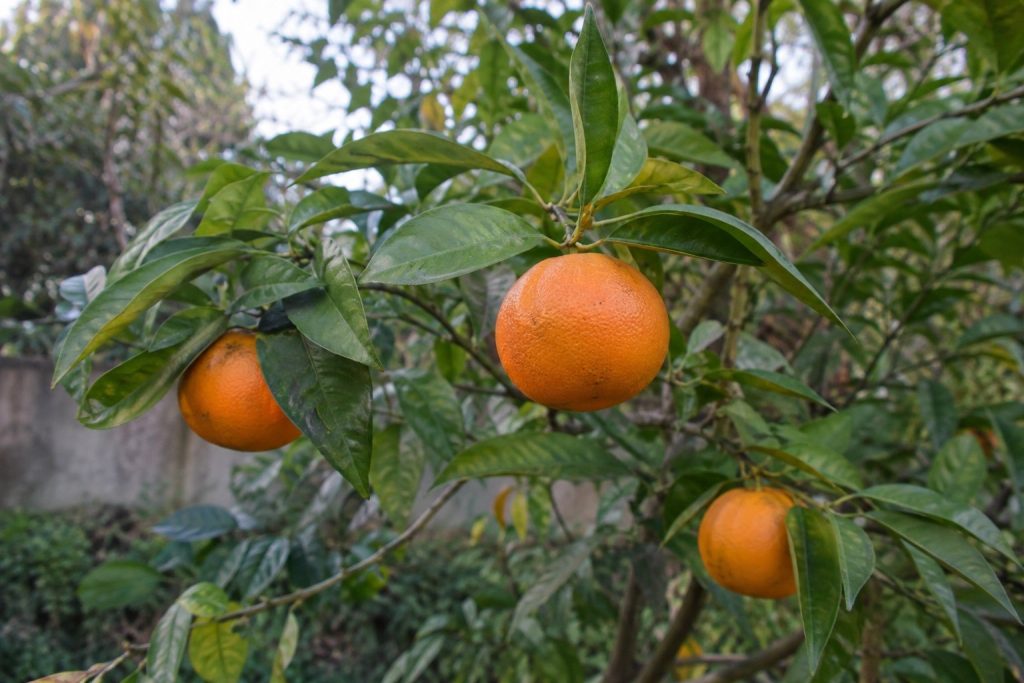
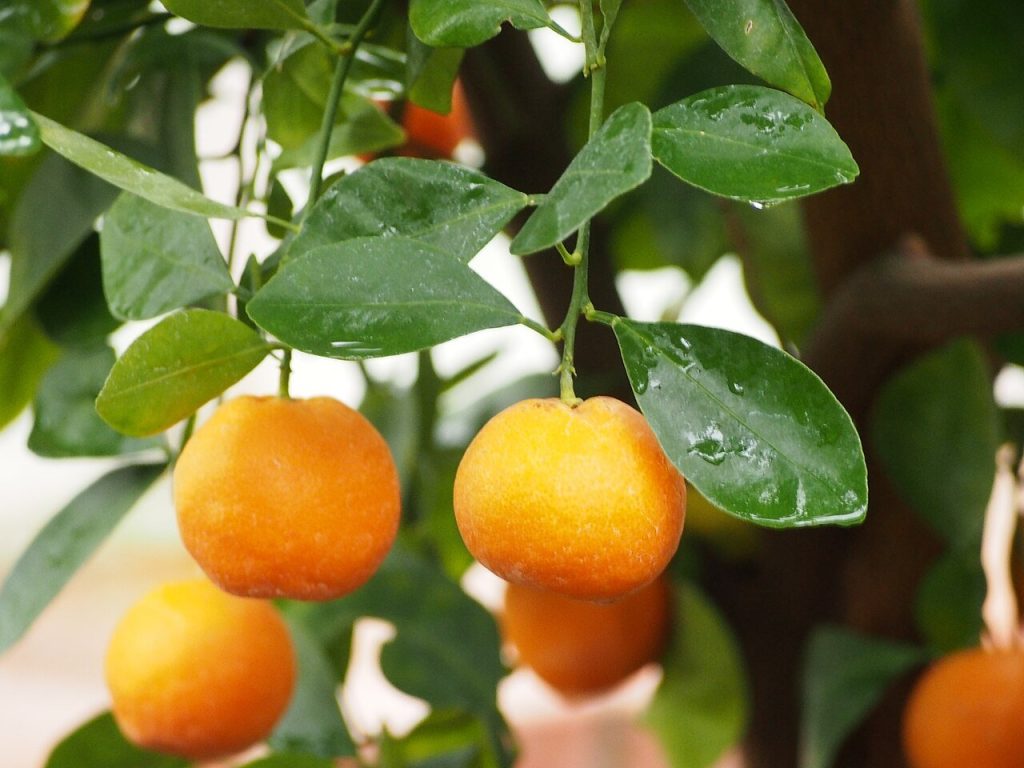
Orange citrus fruit hanging among garden leaves

Nuclem Clementine

The Nuclem Clementine (Citrus unshiu × Citrus clementina ‘Nuclem’) is a modern hybrid between the satsuma and the clementine, created to combine superior hardiness with the flavor quality of the clementine. Its hardiness reaches 14°F (−10°C) on the tree, making it suitable for planting in the ground in USDA zones 8a to 8b. The tree grows 7 to 13 ft (2 to 4 m) tall with a rounded habit, evergreen foliage and fragrant white flowers in spring. Its bright orange, small fruits (1.8 to 2.1 oz, or 50 to 60 g), with thin, very easy-to-peel skin and a few seeds, ripen in December and January with juicy, sweet, low-acid, fragrant flesh, a flavor quality superior to the classic satsuma. Excellent fresh, as juice and in sorbet. Ideal for anyone who wants a clementine in a temperate climate that is less Mediterranean. Graft onto Poncirus trifoliata, plant against a south-facing wall, in well-drained soil.
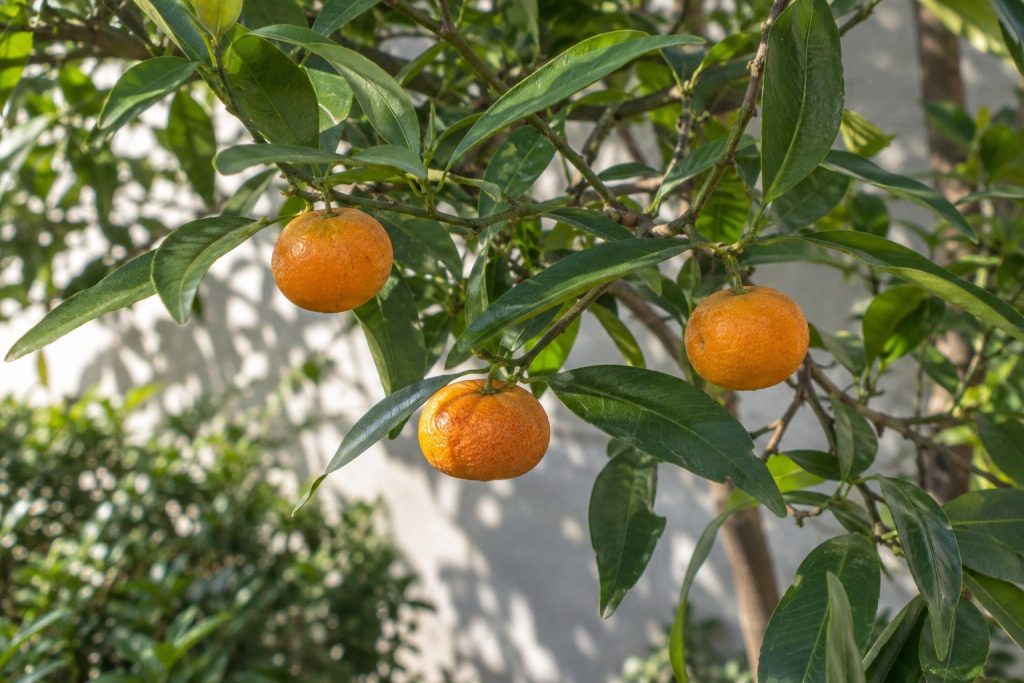
Small orange citrus fruit hanging among leaves

Shiva Mikan Koji Mandarin

The Shiva Mikan Koji mandarin (Citrus leiocarpa ‘Yatsushiro Koji’) is a Japanese selection of the classic Shiva Mikan from the Yatsushiro region, chosen for its distinctive aroma and improved flavor quality. Its hardiness reaches 12°F (−11°C) on the tree, making it suitable for planting in the ground in USDA zone 8a. The tree grows 7 to 13 ft (2 to 4 m) tall with a rounded habit, aromatic evergreen foliage and very fragrant white flowers. Its yellow-orange, small fruits (2 to 2.8 in, or 5 to 7 cm), with thin skin, ripen in fall and offer a very fragrant, tart juice with complex notes blending Japanese wild mandarin and delicate floral accents. Several seeds. Appreciated in traditional Japanese cooking (seasonings, rice flavoring) and in jam. A rare variety for collectors. Graft onto Poncirus trifoliata, plant against a south-facing wall.

Small orange citrus fruit and wet leaves

Nova Mandarin

The Nova mandarin (Citrus reticulata ‘Nova’) is a mandarin × tangelo hybrid from a cross made in Florida in 1942 and released in 1964, selected for its early ripening and remarkable flavor quality. Its hardiness reaches 14°F (−10°C) on the tree, making it suitable for planting in the ground in USDA zones 8a to 8b. The tree grows up to 16 ft (5 m) tall according to Vessière, with an upright habit, evergreen foliage and fragrant white flowers. Its deep orange, medium to large fruits (4.2 to 6.3 oz, or 120 to 180 g), with thin skin moderately easy to peel, ripen from November to January, with very juicy, sweet, fragrant flesh and an intensified, characteristic mandarin aroma. A few seeds. Excellent fresh, as juice, in salads and in sorbet. Very productive, the tree loads up easily with fruit. Graft onto Poncirus trifoliata, plant against a south-facing wall, in well-drained soil, with generous winter mulch. Harvest before severe frosts.

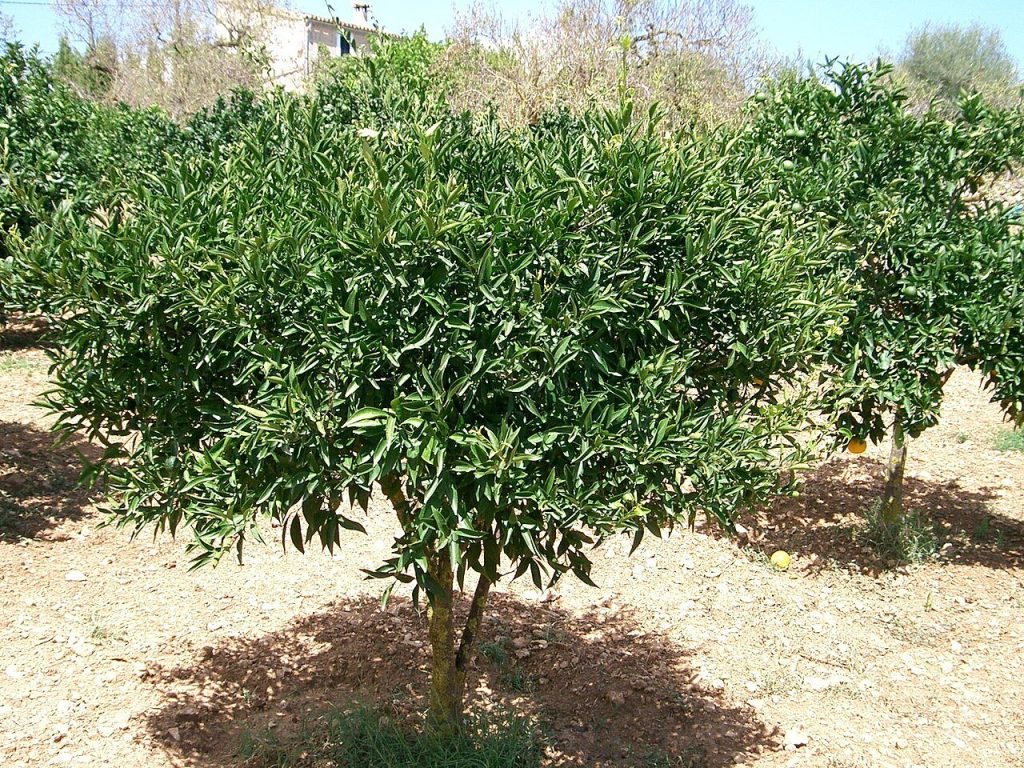
A small citrus tree growing in an orchard

Leo Mahalo Mandarin

The Leo Mahalo mandarin (Citrus deliciosa ‘Leo Mahalo’) is a modern selection of an old mandarin, chosen for its intense fragrance and above-average hardiness. Its hardiness reaches 12°F (−11°C) on the tree, making it suitable for planting in the ground in USDA zone 8a. The tree grows 7 to 13 ft (2 to 4 m) tall with a rounded habit, evergreen foliage and fragrant white flowers in spring. Its bright orange fruits, about 2.8 oz (80 g) according to Vessière, with thin skin moderately easy to peel, ripen in winter and offer very juicy, sweet, low-acid flesh with a particularly intense fragrance recalling old Mediterranean mandarins. Few or no seeds. Excellent fresh, as juice and in sorbet for lovers of traditional flavors. A variety recommended for landscape gardens and heritage citrus collections. Graft onto Poncirus trifoliata, south-facing wall.

Scroll to Top