Liqueur

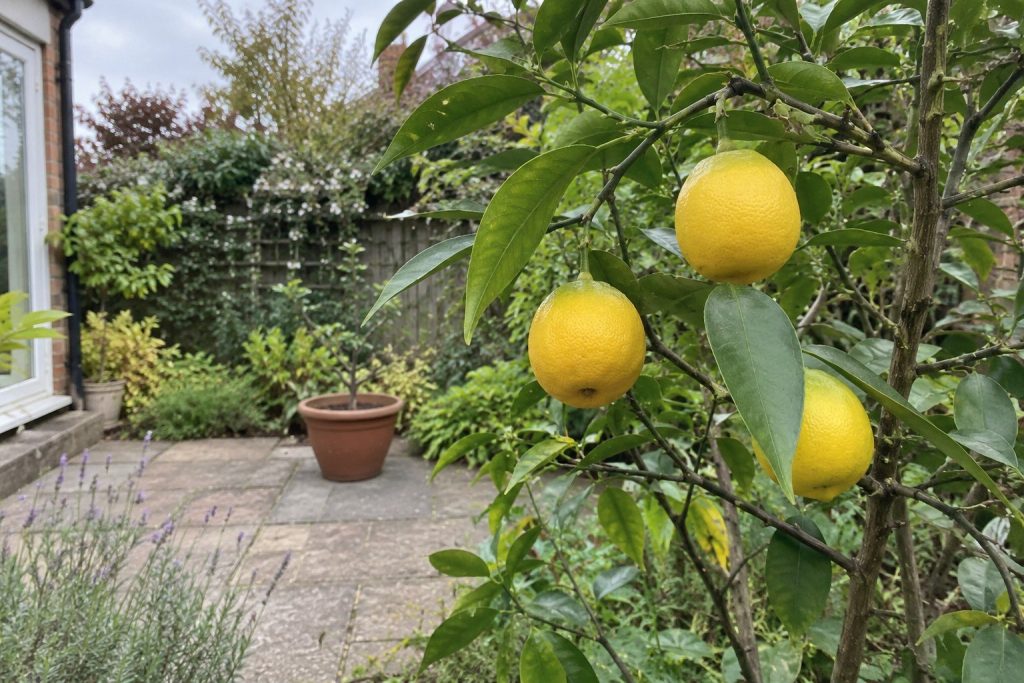
Yellow citrus fruit hanging beside a patio

Yuzuquat

Yuzuquat (Citrus junos × Fortunella ‘Nameiwa’) is an exceptional hybrid between the Japanese yuzu and the Nameiwa kumquat, created to combine the yuzu aroma with the edible skin of the kumquat. The hardiness reference retained for the tree is 10°F (−12°C), subject to acclimation; it does not guarantee in-ground growing. The compact tree reaches 7 to 10 ft (2 to 3 m) with a rounded habit, evergreen foliage, and fragrant white flowers. Its small golden-orange fruit, 1.2 to 2 in (3 to 5 cm) with thin, soft skin, have a harvest reference of August to November retained in this entry, to be adjusted to the climate, and offer a unique taste combining the aromatic acidity of the yuzu and the sweet skin of the kumquat, to be eaten whole like kumquats. Excellent candied, in liqueur, in marmalade, and fresh for enthusiasts. A niche variety, very ornamental thanks to its abundant fruiting. Graft onto Poncirus trifoliata, plant against a south-facing wall.
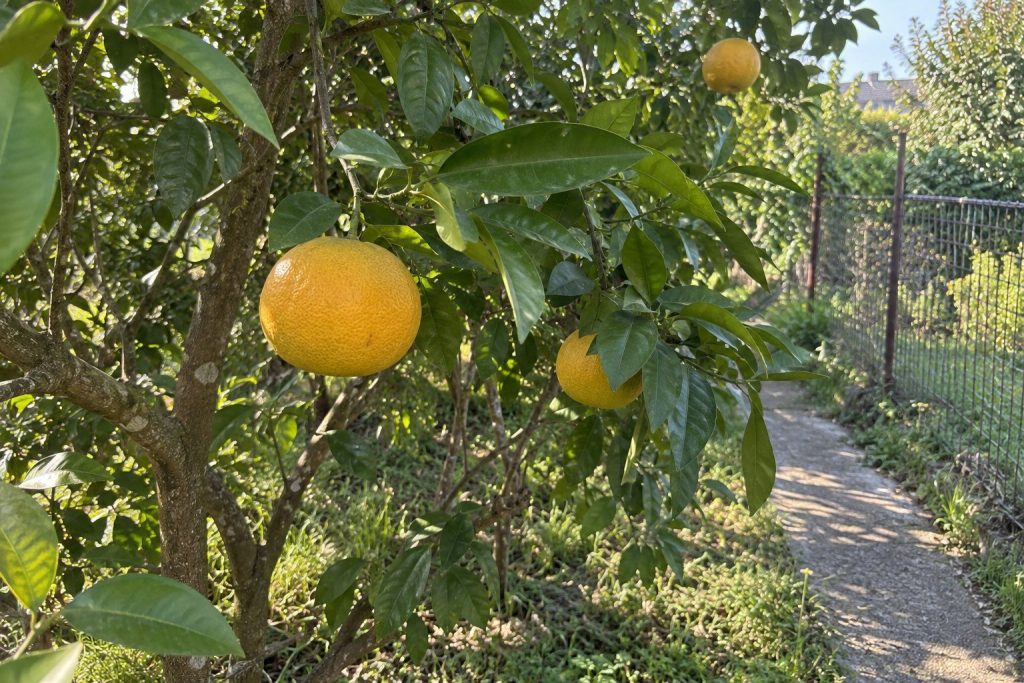
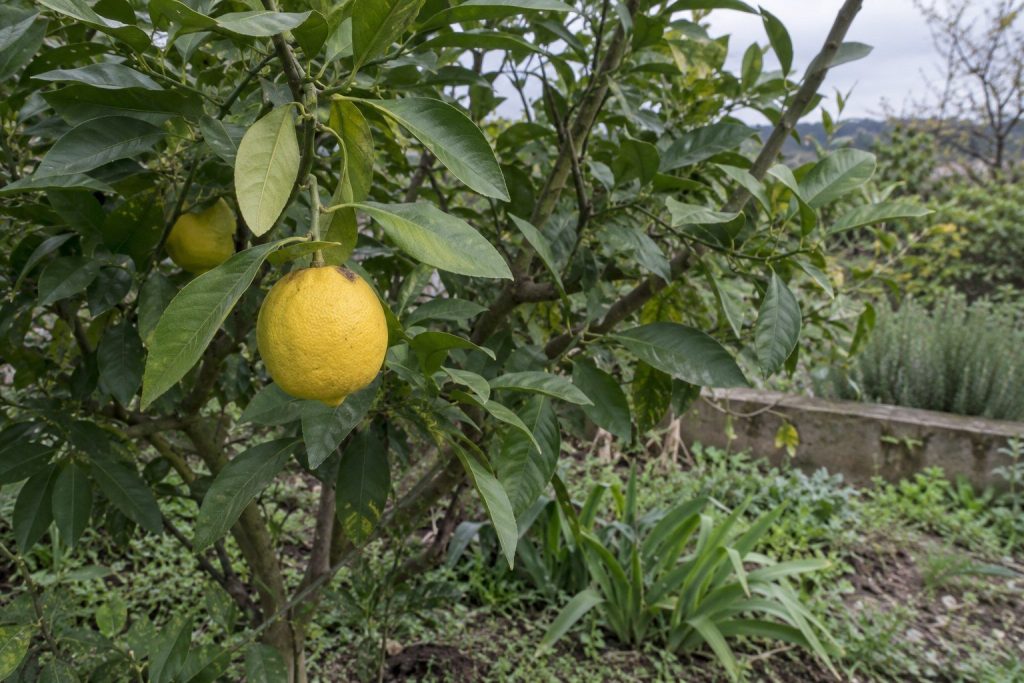
Yellow citrus fruit hanging in a sunlit garden

Hassaku

Hassaku (Citrus × hassaku) is a Japanese hybrid between pummelo and bitter orange from Innoshima Island in Hiroshima Prefecture, a classic of Japanese winter cooking. Its tree hardiness reaches 12°F (−11°C), making it suitable for in-ground growing in USDA zone 8a-8b. The vigorous tree reaches 10 to 16 ft (3 to 5 m) with an imposing rounded habit, evergreen foliage, and very fragrant white flowers in spring. Its golden-yellow fruit, large at 8.8 to 14.1 oz (250 to 400 g) with thick, rough skin, ripen in winter-spring (February-April) and offer slightly bitter flesh with a balanced acidity and a complex aroma blending pummelo and bitter orange. Excellent fresh for enthusiasts of pronounced flavors, in juice, and in marmalade. Graft onto Poncirus trifoliata, plant against a south wall, well-drained soil.

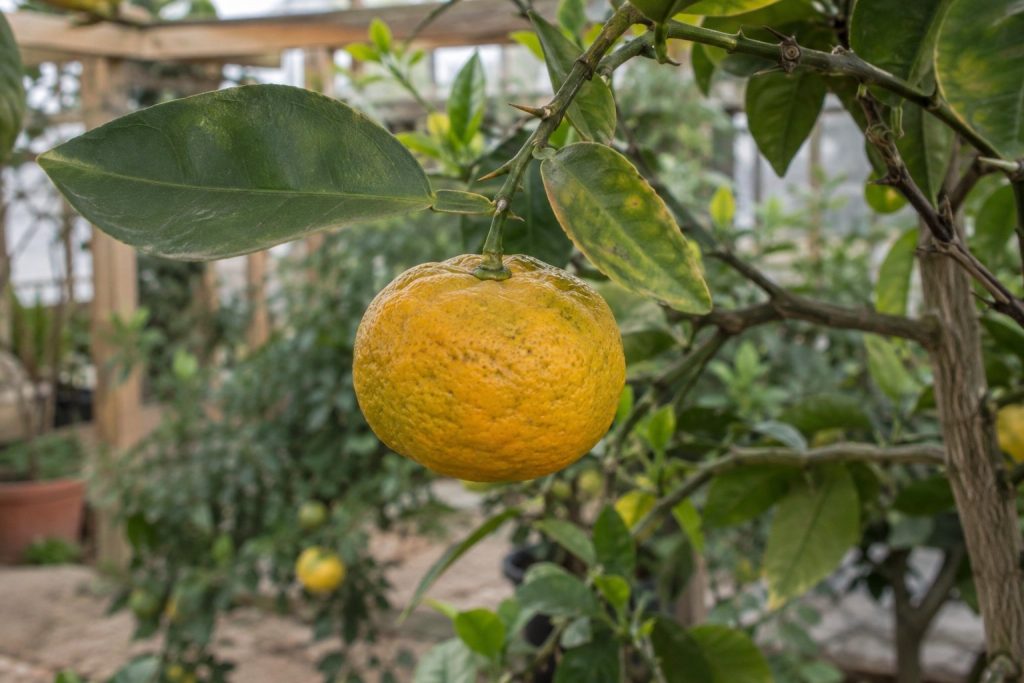
A round yellow citrus fruit on a leafy branch

Shangjuan

Shangjuan (Citrus wilsonii) is a wild Chinese citrus native to the provinces of Yunnan and Guizhou, a cousin of the Ichang lemon, from which it inherits its exceptional tree hardiness of 5°F (−15°C). It can be grown in the ground up to USDA zone 7b. The vigorous tree reaches 10 to 16 ft (3 to 5 m) with an upright, thorny habit, evergreen foliage with the winged petiole characteristic of papedas, and fragrant white spring flowers. Its large yellow fruit, 7.1 to 12.3 oz (200 to 350 g) with thick, rough skin, ripen in winter and give an aromatic, acidic juice reminiscent of a very fragrant grapefruit, with a zest exceptionally rich in essential oils. Used traditionally in Chinese cooking and Tibetan medicine. Its hardiness comes from its wild parent the Ichang papeda, which grows in the cold mountains of southwestern China. Graft onto Poncirus trifoliata.

Two citrus fruit with green and yellow striped peel

Vatican Bitter Orange

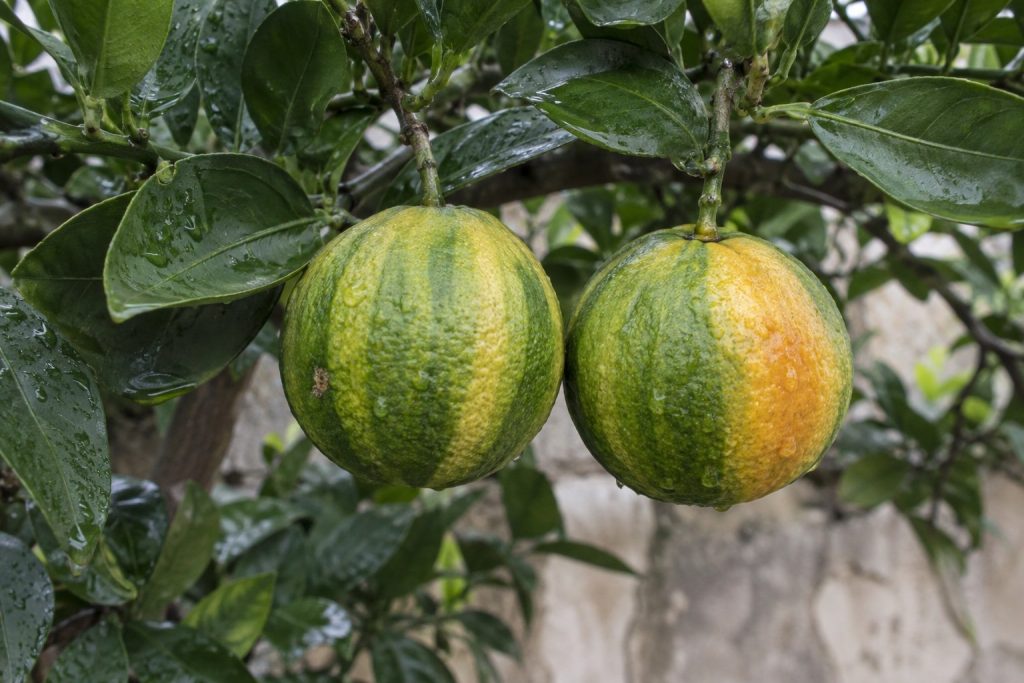
Vatican bitter orange (Citrus aurantium ‘Fasciata’) is a historic ornamental variety of bitter orange, traditionally grown in the Vatican and Roman gardens, famous for its spectacular green-yellow-orange striped fruit. Its tree hardiness reaches 14°F (−10°C), making it suitable for in-ground growing in USDA zone 8a-8b. The tree reaches 7 to 13 ft (2 to 4 m) with a rounded, thorny habit, glossy, often variegated evergreen foliage, and very fragrant white flowers in spring. Its bitter orange fruit with unique green-yellow-orange stripes, medium-sized with thick, rough skin, ripen in winter. Very ornamental but also excellent in marmalade, candied peel, and liqueur. The variety is particularly decorative and historically important in European royal gardens. Graft onto Poncirus trifoliata, plant against a south-facing wall, well-drained soil.

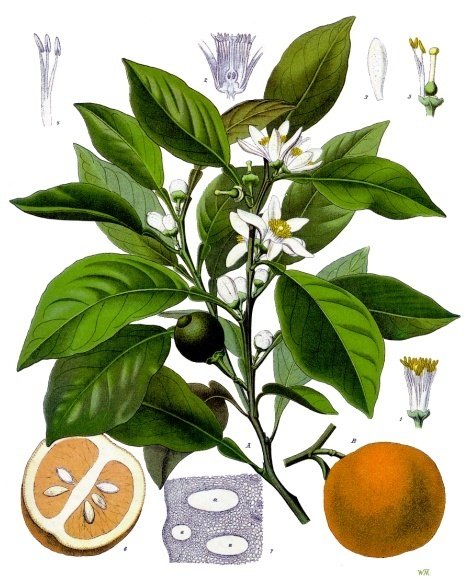
A botanical illustration showing citrus leaves, flowers and fruit

Dolce del Gargano Bitter Orange

Dolce del Gargano bitter orange (Citrus aurantium ‘Dolce del Gargano’) is an Italian bitter orange variety that is less bitter than the classic bitter oranges, traditionally grown in the Gargano (Apulia) for its balance between acidity and sweetness. Its tree hardiness reaches 14°F (−10°C), making it suitable for in-ground growing in USDA zone 8a-8b. The tree can reach 16 to 20 ft (5 to 6 m) in the ground, with a rounded, thorny habit, evergreen foliage, and very fragrant white flowers. Its orange fruit, medium-sized at 5.3 to 8.8 oz (150 to 250 g) with thick skin, ripen in winter and give a juice that is less bitter than the classic bitter orange, with a pleasant acidity and a complex aroma. Excellent fresh for enthusiasts (rare for a bitter orange), in marmalade, juice, and liqueur. Graft onto Poncirus trifoliata, plant against a south-facing wall.
A rough-skinned yellow citrus fruit on a branch

Clementine × Yuzu 222

Origin: The Clementine × Yuzu 222 is a hybrid from the varietal breeding program of INRA (the French National Institute […]

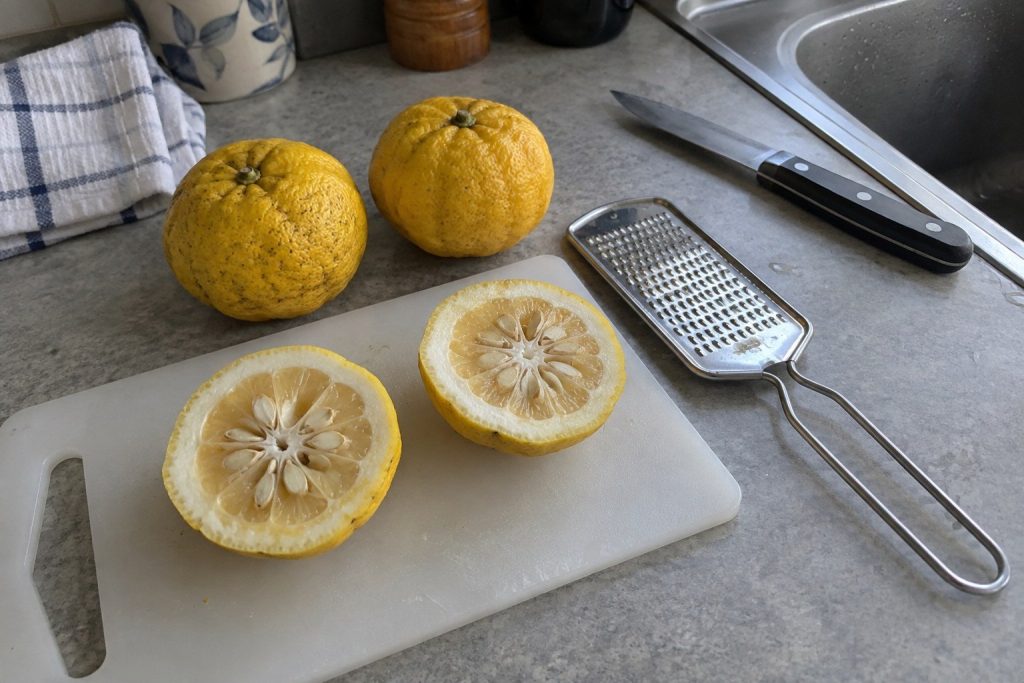
Whole and halved rough yellow citrus fruit beside a zester

Yuzu N1

Origin: The yuzu is native to central China, the result of a natural hybridization between the Ichang papeda and a […]

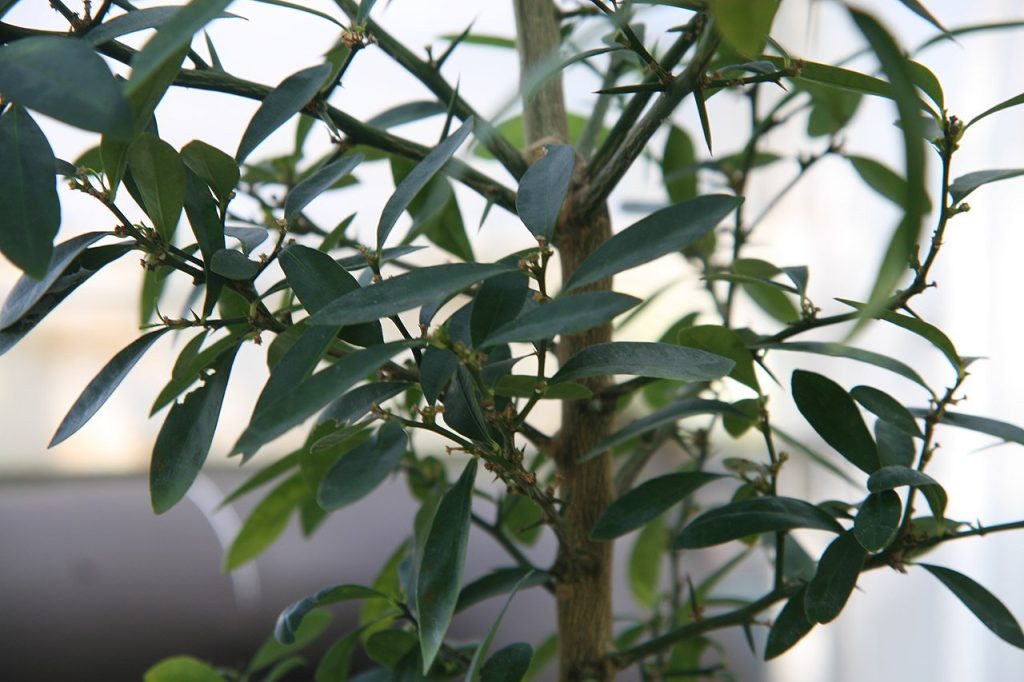
A narrow-leaved citrus plant with small green fruit

Hong Kong Kumquat

Origin: The Hong Kong kumquat (Fortunella hindsii) is the smallest species in the genus Fortunella, growing wild in the wooded […]

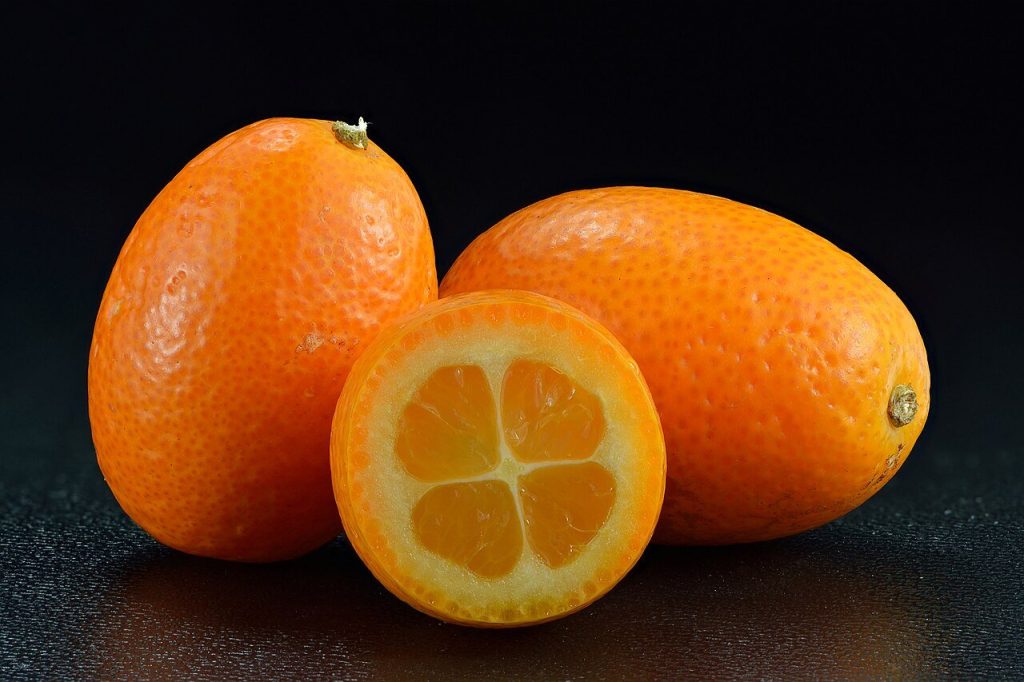
Whole and cut orange kumquats on a dark background

Nagami Kumquat

Nagami kumquat (Fortunella margarita ‘Nagami’) is the kumquat most widely distributed in garden centers and one of the most versatile in the kitchen. Native to southeastern China and naturalized in Japan since the 19th century, the retained reference for the tree is 10°F (−12°C); the choice of in-ground planting depends on the microclimate and the protection available. The compact shrub generally reaches 7 to 10 ft (2 to 3 m) in cultivation, and can reach 13 ft (4 m) in the ground, with an upright habit, glossy evergreen foliage, and very fragrant white flowers in summer. Its bright orange oval fruits, more elongated than those of Marumi, ripen in fall and winter and are eaten whole: sweet, fragrant skin, bright and tart pulp. Excellent candied, in marmalade, in liqueur, and in Asian sweet-and-savory dishes. Very ornamental, with abundant fruiting. Graft onto Poncirus trifoliata for hardiness, or Flying Dragon for container and balcony growing.

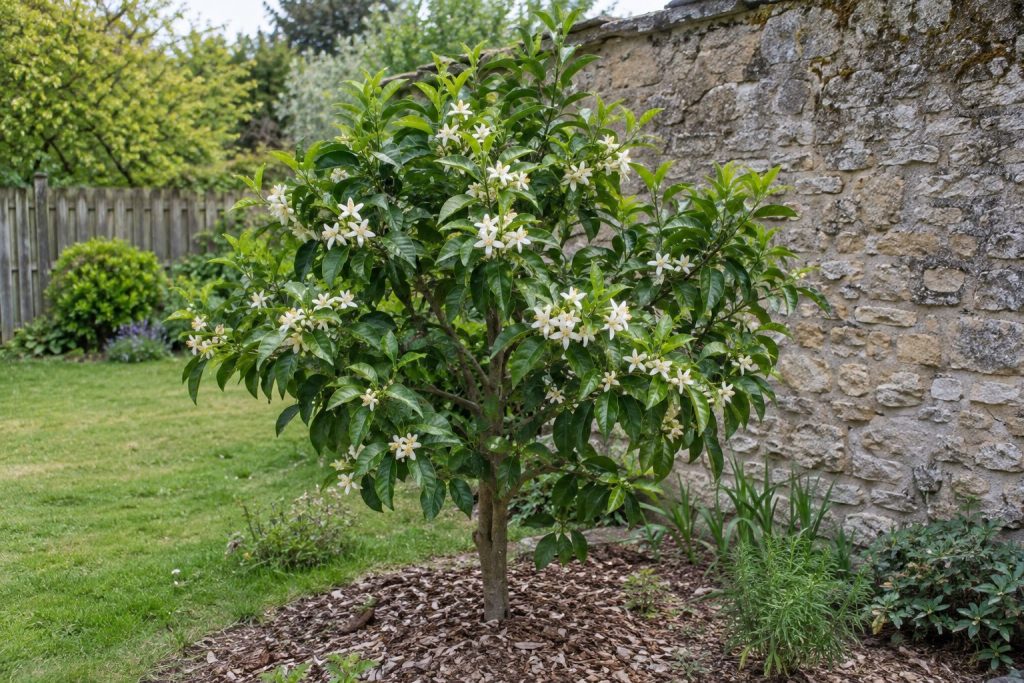
A garden citrus tree covered in white blossoms

Bouquetier de Nice Sour Orange

Bouquetier de Nice sour orange is a traditional French selection historically grown on the Côte d’Azur for the production of orange blossom water and neroli essential oil. Its hardiness reaches about 18°F (−8°C) on the tree, with a USDA zone 8a climate benchmark used in this entry, indicative and to be confirmed for this cultivar; a sheltered location and frost protection remain necessary. The vigorous tree reaches 10 to 16 ft (3 to 5 m) with a compact, rounded habit, evergreen foliage, and exceptionally abundant, highly fragrant white flowers in spring, the main use of the variety. Its bitter orange fruits, medium-sized, with thick, rough skin, ripen in winter. The variety is grown for its flowers (floral water, Grasse perfumery) more than for its fruit, which remains excellent in marmalade. Graft onto Poncirus trifoliata, south wall, well-drained soil.

Scroll to Top