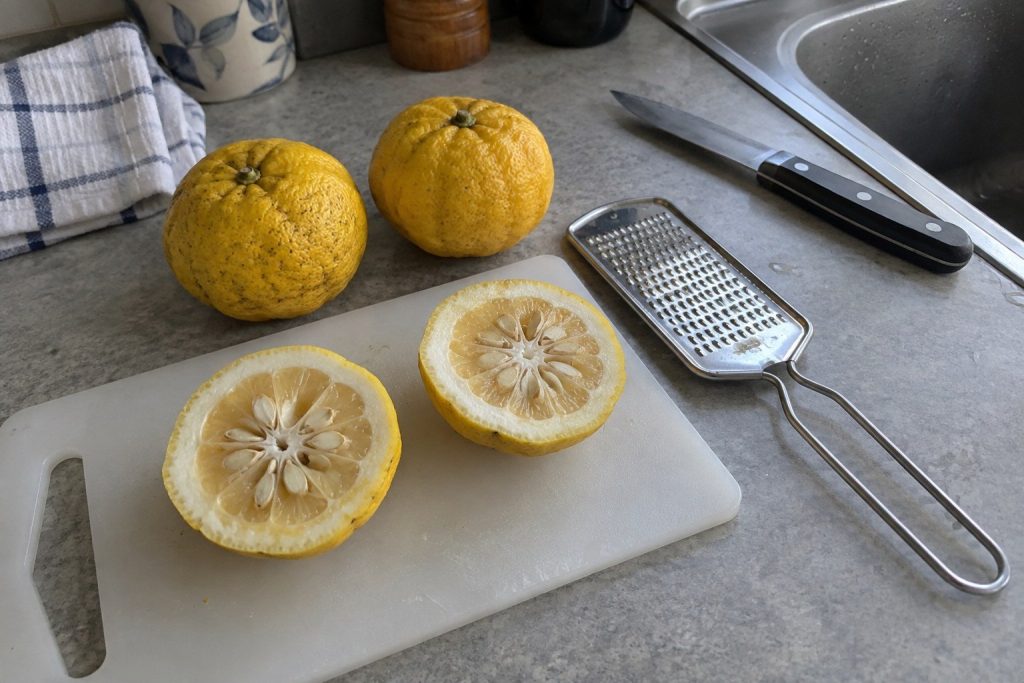
Yuzu N1
Origin: The yuzu is native to central China, the result of a natural hybridization between the Ichang papeda and a […]
What are you looking for?
Origin: The yuzu is native to central China, the result of a natural hybridization between the Ichang papeda and a […]
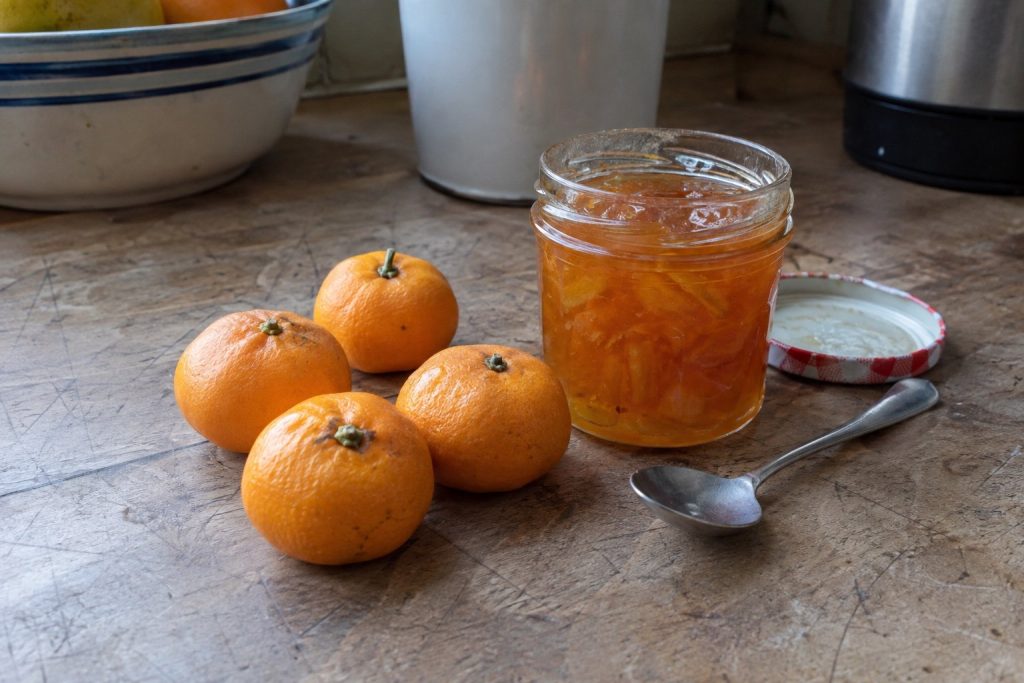
The Remo citrange (Citrus sinensis × Poncirus trifoliata ‘Remo’) is a hybrid between the orange tree and Poncirus trifoliata, selected for its maximum hardiness of 5°F (−15°C) on the tree, making it growable in the ground as far as USDA zone 7b. The vigorous tree reaches 10 to 16 ft (3 to 5 m) with an upright, semi-thorny habit, semi-evergreen trifoliate foliage inherited from Poncirus, and white spring flowers. Its yellow-orange fruit, small in size (0.7 to 1.1 oz, or 20 to 30 g according to the Vessières catalog), with thick skin, ripens in September according to the Vessières catalog and holds a markedly acidic, orange-scented juice, acceptable in blended juice, in marmalade, or as a cocktail base. A few seeds. The Remo citrange belongs to the lineage of historic citranges used both as a supplementary citrus and as a rootstock in regions with continental winters. Graft onto pure Poncirus trifoliata, plant against a south-facing wall, well-drained soil.
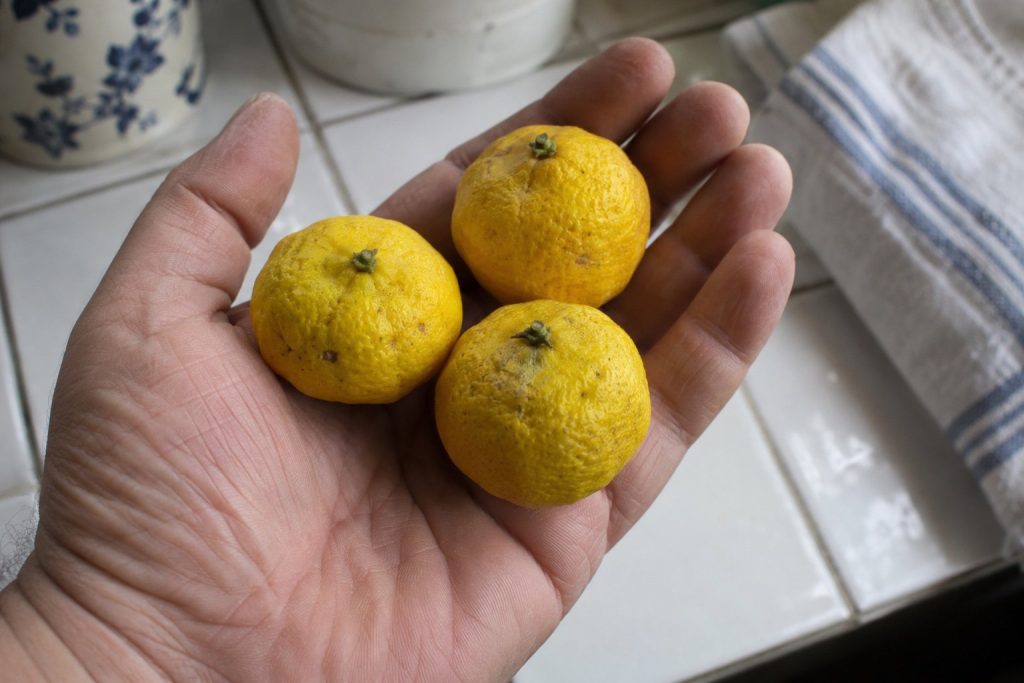
History & Description Origin Citrus ichangensis, commonly called Ichang papeda, is one of the most cold-resistant evergreen citrus known. Native […]
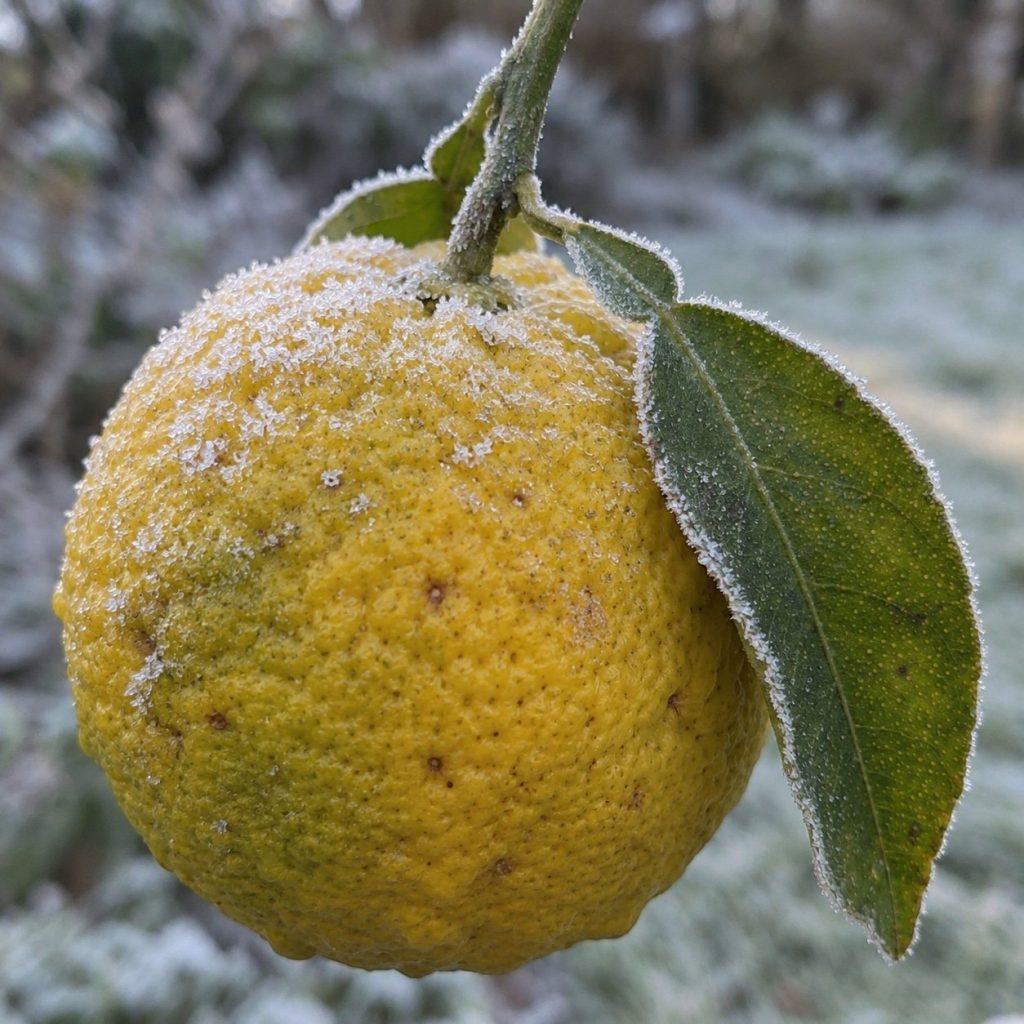
Yuzu N3 (Citrus junos ‘N3’) is a vigorous seasoning citrus, sought after for its floral zest and very fragrant juice. To prepare for growing it, cautiously adopt a benchmark close to 5°F (−15°C) on a mature, well-established tree subjected to a brief frost, rather than a guarantee of survival at a precise temperature. The tree generally reaches 10 to 13 ft (3 to 4 m). Its very sour fruit, rich in seeds and relatively low in juice, are harvested from October to December and are used mainly for the zest, the juice, and preserves. Discover the classic yuzu and its characteristics. Yuzu growing guide.