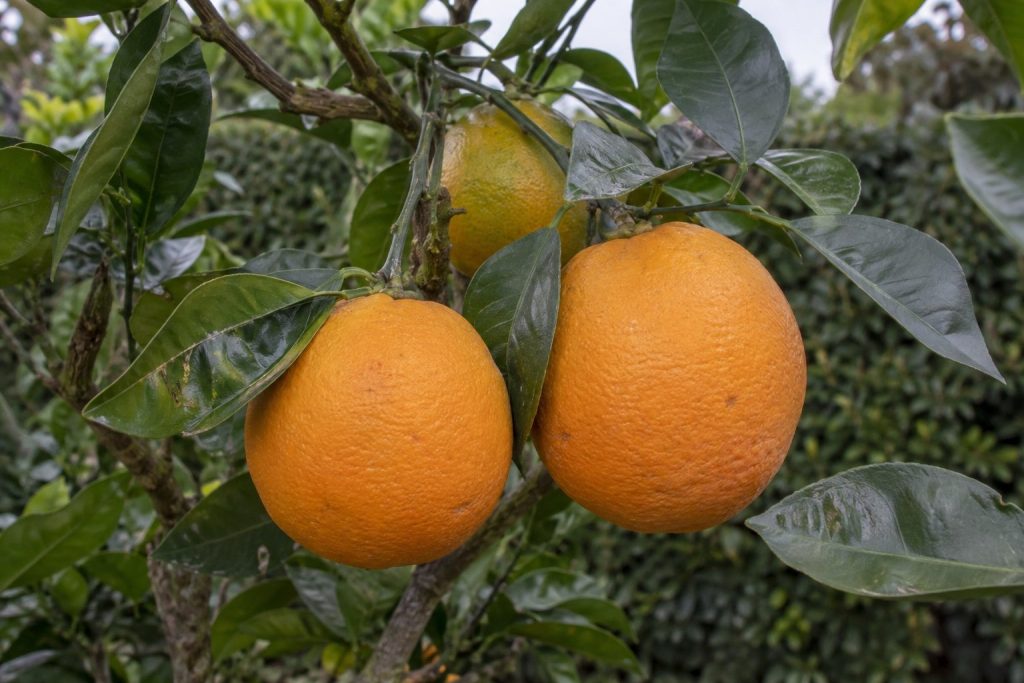
Amber Sweet
Origin: This citrus is the result of a complex hybridization carried out by the USDA in Florida (USA). It comes […]
What are you looking for?
Origin: This citrus is the result of a complex hybridization carried out by the USDA in Florida (USA). It comes […]
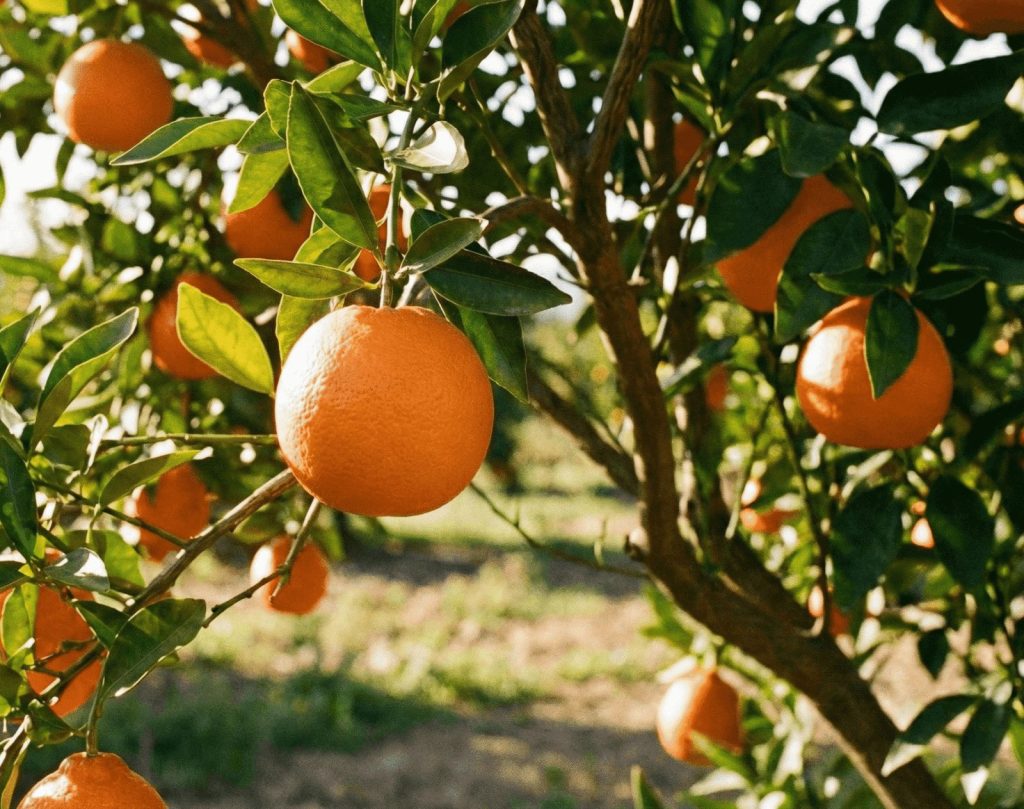
Origin: Mandanova is a modern, patented variety from the breeding program of the Agricultural Research Council (ARC) in South Africa. […]
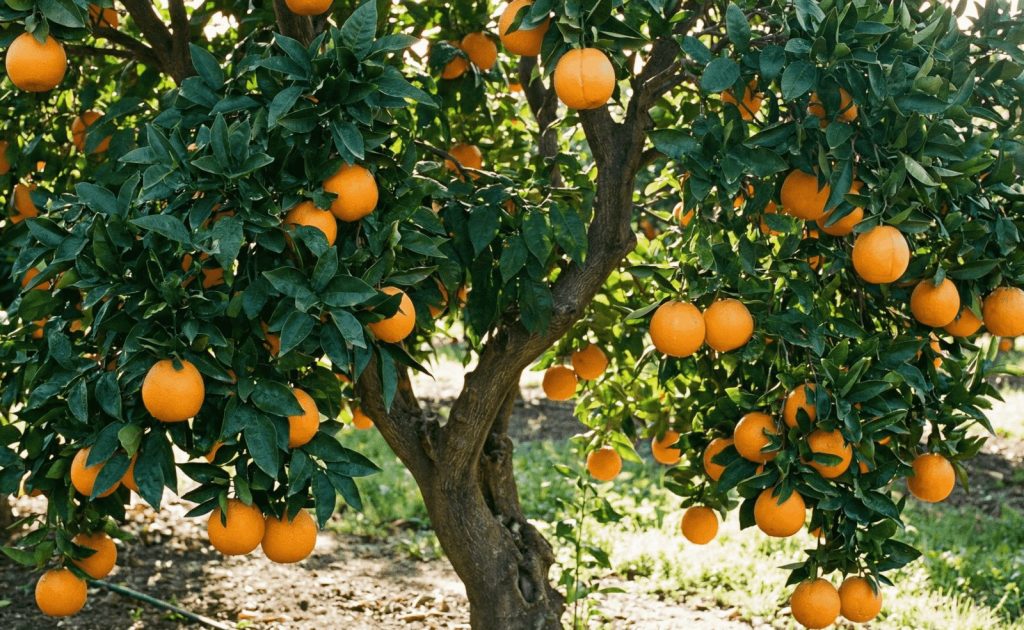
Fukumoto orange (Citrus sinensis ‘Fukumoto’) is a Japanese mutation of Washington Navel selected for its earliness and particularly intense external color. Its hardiness reaches 18°F (−8°C) on the tree, making it suitable for in-ground growing in USDA zones 8b and 9a. The compact tree reaches 8 to 13 ft (2.5 to 4 m) with a rounded habit, evergreen foliage, and fragrant white flowers in spring. Its deep red-orange, medium-sized fruit, with thin, easy-to-peel skin, seedless, ripen very early (November-December) with juicy, sweet flesh and a fragrance balanced between sweetness and acidity. Ideal for anyone who wants a Christmas orange grown in the ground in France. Graft onto Poncirus trifoliata to gain hardiness, plant against a south-southwest-facing wall, in well-drained soil. Harvest before the first severe frosts, which destroy the pulp.
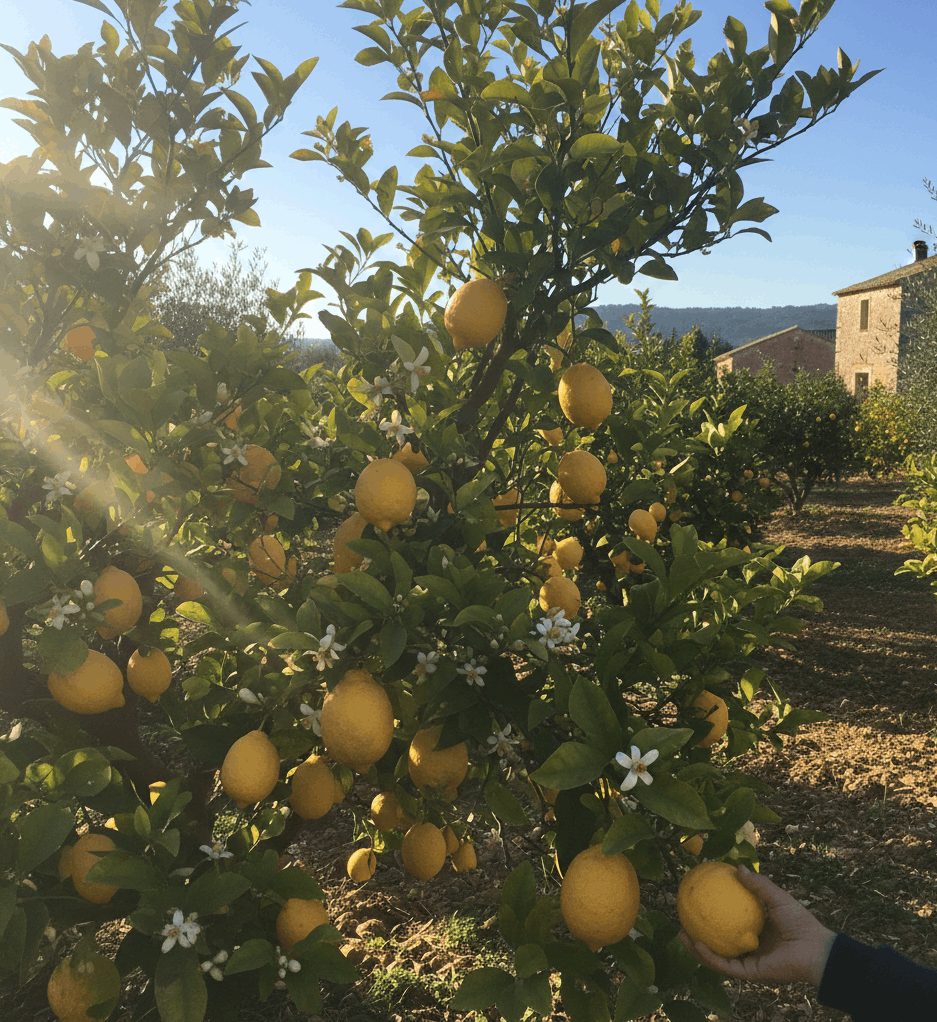
Meyer lemon (Citrus × meyeri) is a natural hybrid between the lemon and the mandarin or orange, native to China and introduced to the United States in 1908 by the botanist Frank Meyer. Its hardiness reaches 19°F (−7°C) on the tree, higher than that of the standard lemon, 25°F (−4°C), making it suitable for in-ground growing in USDA zones 8b and 9a. The compact tree reaches 7 to 10 ft (2 to 3 m) with a rounded habit, glossy evergreen foliage, and very fragrant white-mauve flowers, almost continuous. Its round yellow-orange fruit, with thin, smooth skin, ripen mostly in winter, with intermittent harvests all year depending on conditions, and have a juice that is less acidic than the standard lemon, fragrant and slightly sweet, ideal in pastry, lemonades, sauces, and Asian cooking. Fruit hardiness, 27°F (−3°C), remains limited: harvest before the first severe frost. Graft onto Poncirus trifoliata for in-ground growing, or grow in a container for colder zones.
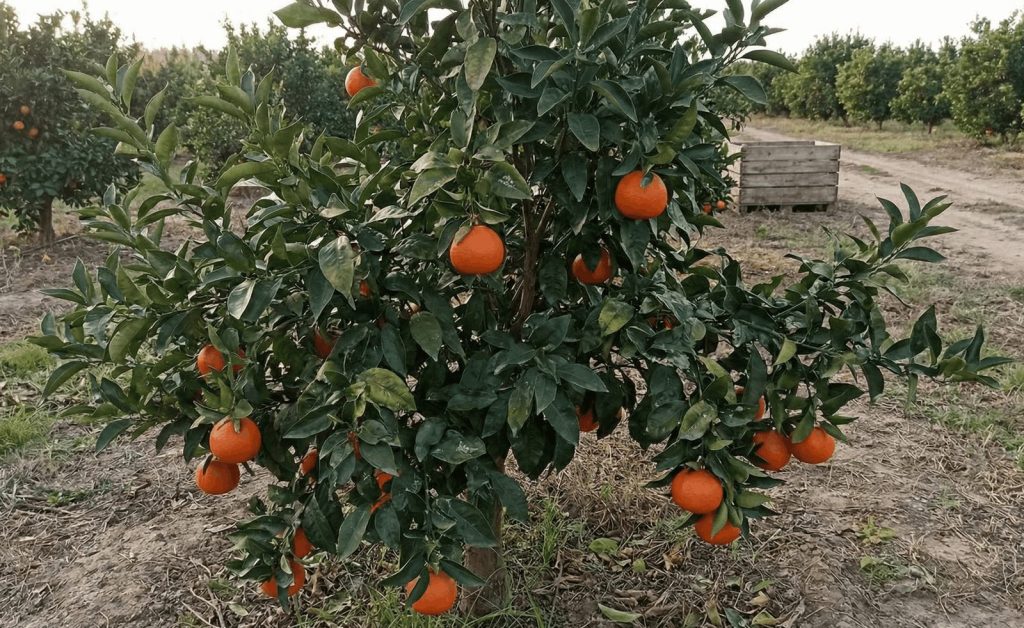
Orogros clementine (Citrus clementina ‘Orogros’) is a Corsican clementine selection produced in Corsica and Spain, recognized for its above-average size and pronounced sweetness. Its hardiness reaches 18°F (−8°C) on the tree, making it suitable for in-ground growing in USDA zones 8b and 9a. The tree reaches 7 to 13 ft (2 to 4 m) with a spreading, weeping habit, evergreen foliage, and abundant fragrant white flowers. Its bright orange, large fruit, with thin, easy-to-peel skin, ripen in September-October in a Mediterranean climate and offer juicy, very sweet, low-acid, seedless flesh. One of the most appreciated clementines for fresh eating, perfect for children and for dessert, as well as for juice and sorbet. Graft onto Poncirus trifoliata for in-ground growing in France. Plant against a south-facing wall, in well-drained soil, with generous winter mulch. Harvest before the first severe frosts.
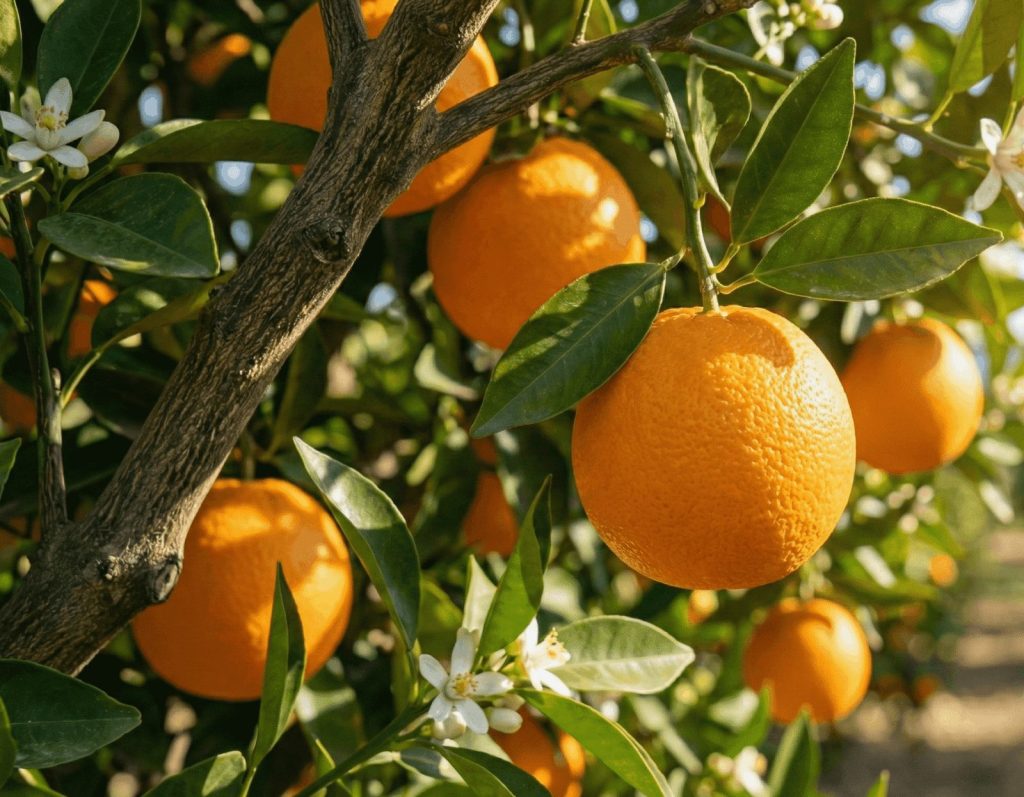
Navelina orange (Citrus sinensis) is an early navel orange, an Italian mutation of Washington Navel discovered in the early 20th century and widely grown in Spain. Its hardiness reaches 16°F (−9°C) on the tree, making it suitable for in-ground growing in USDA zones 8b and 9a. The vigorous tree reaches 10 to 16 ft (3 to 5 m) with a rounded habit, glossy evergreen foliage, and very fragrant white flowers in spring. Its bright orange, medium to large fruit, weighing 6.3 to 9.9 oz (180 to 280 g), with a well-marked secondary navel, thin skin that is easy to peel, and no seeds, ripen early (November to January) with juicy, sweet, low-acid, fragrant flesh. The best early table orange, ideal for the year-end holidays. Excellent fresh and as juice squeezed immediately (it oxidizes quickly). Graft onto Poncirus trifoliata and plant against a south-facing wall.